ShanghaiDoctor - Where China's Healing Wisdom Shapes Modern Medicine

Update time:2026-10-24Visits:31
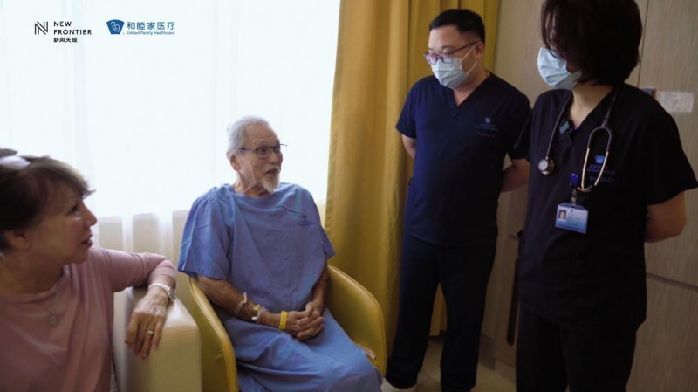
On a quiet afternoon in the internal medicine ward of Shanghai United Family Hospital’s Changning campus, 79-year-old American patient Mr. Ono sat in a chair by the window, his wife beside him. Internist Dr. Zhang Yue was making rounds, speaking with him in fluent English, asking how he was recovering and answering each of his questions. More than once, Mr. Ono and his wife thanked the doctors and nurses in Chinese: “Xiexie.”
It was his 18th day in hospital.
A collapse on the first morning
On the morning of September 4, Mr. Ono arrived in Shanghai with a tour group. After breakfast, he suddenly collapsed in his hotel and lost consciousness for about five minutes. A 120 ambulance rushed him to Shanghai United Family Hospital.
“The mechanism of his injury was actually not very severe,” recalled Dr. Li Xiaoguang, Associate Medical Director of the Changning campus. “But because he is 79 and had rib fractures, we decided to do an abdominal CT as well.”
The scan found a hematoma in the left upper abdomen that kept growing, while his hemoglobin kept falling, signs of active bleeding inside the abdomen. On physical examination, his abdomen had shown no obvious tenderness. That single scan turned out to be what saved him.
“Bleeding inside the abdomen can be fatal,” Dr. Li said. “Our emergency doctors are very experienced. They were able to detect this life-threatening bleeding early, bring in the surgeons early, and stop the bleeding with surgery early. It was a life-saving scan, and a life-saving operation.”
A team effort against time
A multidisciplinary rescue began at once. Dr. Zhang Weihao, Director of Surgery for United Family Healthcare’s Shanghai region, explained that the surgical team held a rapid MDT discussion with radiology, Professor Hu Zhiqian, chief expert in gastrointestinal surgery at United Family Healthcare, vascular interventional specialists and the emergency physicians. Together they confirmed that Mr. Ono needed an emergency exploratory laparotomy.
“On the operating table, we quickly located a torn vessel bleeding in the mesentery at the splenic flexure of the colon,” Dr. Zhang said. “We tied off the vessel to stop the bleeding and cleared the blood from the abdominal cavity. The operation was finished within an hour and a half, and it saved the patient’s life.”
“They gave me a second life”
“I slept most of the time, and when I woke up I felt dizzy. I can’t remember many details,” Mr. Ono said. “I only remember that there was always someone beside me, watching over me and making sure I was safe.”
Once he was fully awake, the doctors explained his condition and the next steps of treatment every day. “Two surgeons operated on me in an emergency and brought me back,” he said. “They gave me a second life.”
What reassured him most was that everyone, from doctors to nurses, could communicate with him easily in English. “They understood me from beginning to end. I could even joke with the nurses. I felt very safe in the hospital,” he said. “I didn’t have to worry about the cost, either. The insurance takes care of it.”
Caring for older patients far from home
For older trauma patients like Mr. Ono, the hospital pays close attention to medical history and medication. “If an older person is taking drugs that affect blood clotting, such as aspirin, the risk of complications and the difficulty of treatment rise significantly,” said Dr. Wu Jiayu, Associate Medical Director of the Changning campus.
Dr. Wu added that older patients with multiple injuries are also prone to early complications such as lung infections, urinary tract infections and pressure sores, as well as heart, lung and kidney insufficiency, so the care team also focuses closely on nutritional support. “When an older patient falls seriously ill in a foreign country, with an unfamiliar language and surroundings, it is easy to become anxious and afraid,” Dr. Wu said. “During rounds and treatment, our team talks with patients proactively and explains their condition patiently, so that they can feel calmer and more at ease.”
Today Mr. Ono is recovering well. All surgical drains and medical devices have been removed, he no longer needs oxygen, and he can sit up on his own and take a few simple steps out of bed. His insurance company has arranged to fly him home in the near future.
“If this had happened in my hometown in Hawaii, things might have been different. Maybe I wouldn’t have survived,” Mr. Ono said. After the surgery, his son told him that Chinese hospitals were ahead of those in the United States in emergency care. “Before I came to China, I had no idea what medical care here was like. But I’m very glad this happened here. I received very good treatment, and the quality of care and service went beyond what I imagined.”
More travelers, more patients from abroad
Mr. Ono’s experience is not an isolated case. As China’s visa-free policies keep expanding and inbound travel continues to grow, more foreign tourists have recently fallen ill or been injured during their trips. Dr. Li noted that in more than twenty years since it opened, Shanghai United Family Hospital has built a well-organized system for receiving patients from many countries, from language support and coordination with patients’ insurance companies to teamwork among doctors and nurses, so that international patients receive evidence-based medical care.
Dr. Liu Yingzi, Medical Director of Shanghai United Family Hospital, said that besides successfully treating a number of foreign visitors who fell ill or were injured while traveling in Shanghai, the hospital has also received many foreign patients who came specifically for cross-border medical care. Their needs range from complex specialist surgery in general surgery, orthopedics, oncology and cardiovascular and cerebrovascular disease to premium health checkups and day surgery. This year alone, the hospital has treated patients from Germany, Malaysia and Iran with conditions including kidney tumors and lung cancer that had spread to the brain.
As one of Shanghai’s leading privately run medical institutions, Dr. Liu said the hospital will keep strengthening its international medical services, providing timely, professional and caring medical support for foreigners who travel, work and live in Shanghai, and helping the city grow into an Asian medical center and an international medical tourism destination.
“When I’m stronger, I want to come back to China,” Mr. Ono said. He hopes to see the Great Wall, Tiananmen and the Terracotta Warriors. “I hope I’ll have enough time to recover, and then come back.”
Editor: Chen Qing
If you need any help with medical care in Shanghai, be free to let us know at Chenqing@ShanghaiDoctor.cn.
Shanghai Trains 24 Top Hospitals on Cross-Border Payments for International Patients
A Second Life in Shanghai: How a 79-Year-Old American Traveler Was Saved
Canton Fair Opens Its First International Medical Service Zone
The World’s First Invasive Brain-Computer Interface Just Got Approved in Shanghai
A Shanghai Hospital Launches Vertical Large Model for Women’s Health
Shanghai Research Team Develops AI Diagnostic System for Rare Diseases with “Explainable” Reasoning
“Yi Jian Kang” Foundation Established by Professor Wen Yumei Celebrates 13 Years of Impact
Shanghai Trains 24 Top Hospitals on Cross-Border Payments for International Patients
A Second Life in Shanghai: How a 79-Year-Old American Traveler Was Saved
Canton Fair Opens Its First International Medical Service Zone
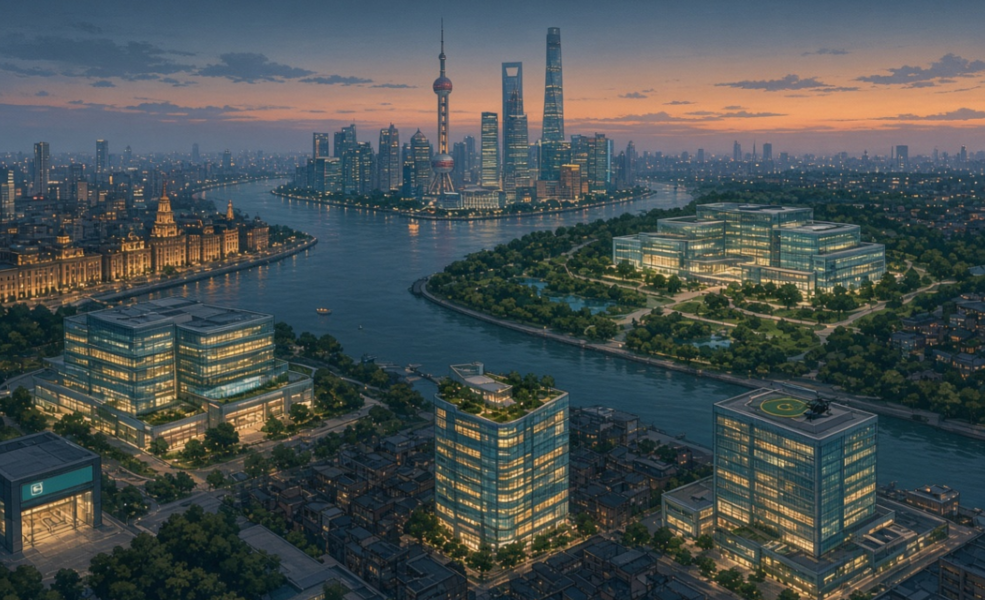
Shanghai Moves Its Best Hospitals Outward
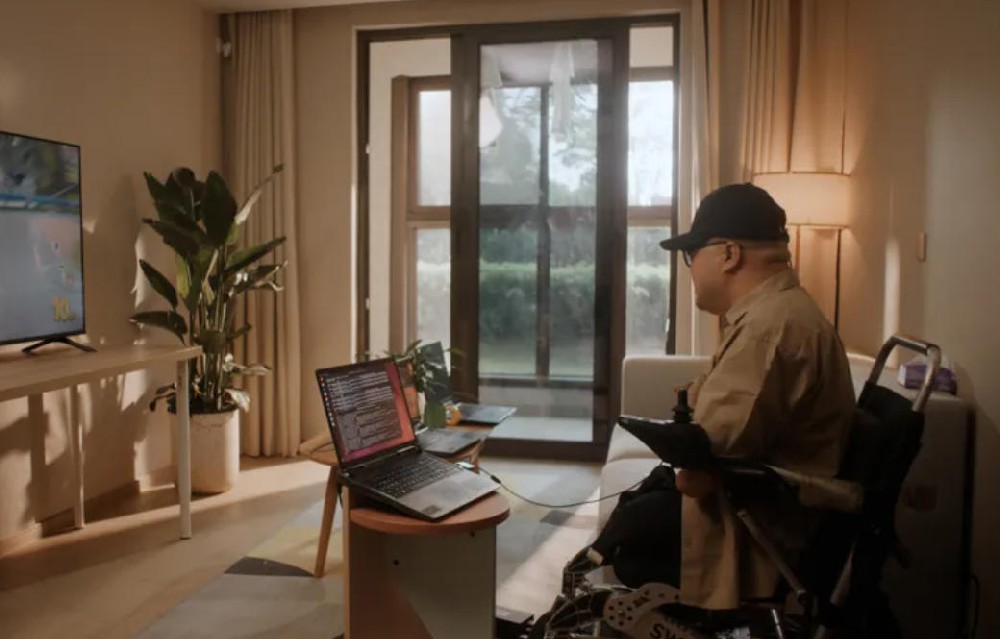
The World’s First Invasive Brain-Computer Interface Just Got Approved in Shanghai

A Shanghai Hospital Launches Vertical Large Model for Women’s Health
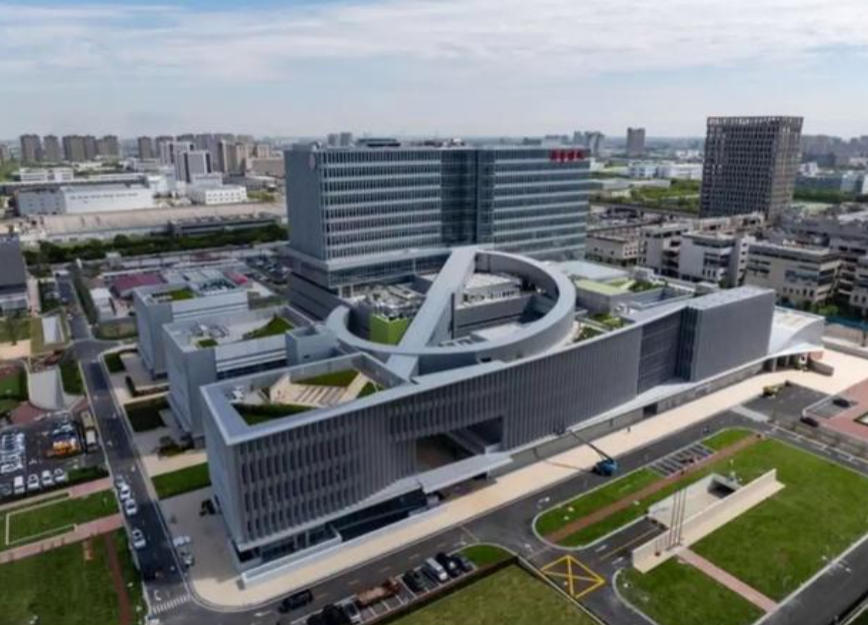
Shanghai Research Team Develops AI Diagnostic System for Rare Diseases with “Explainable” Reasoning
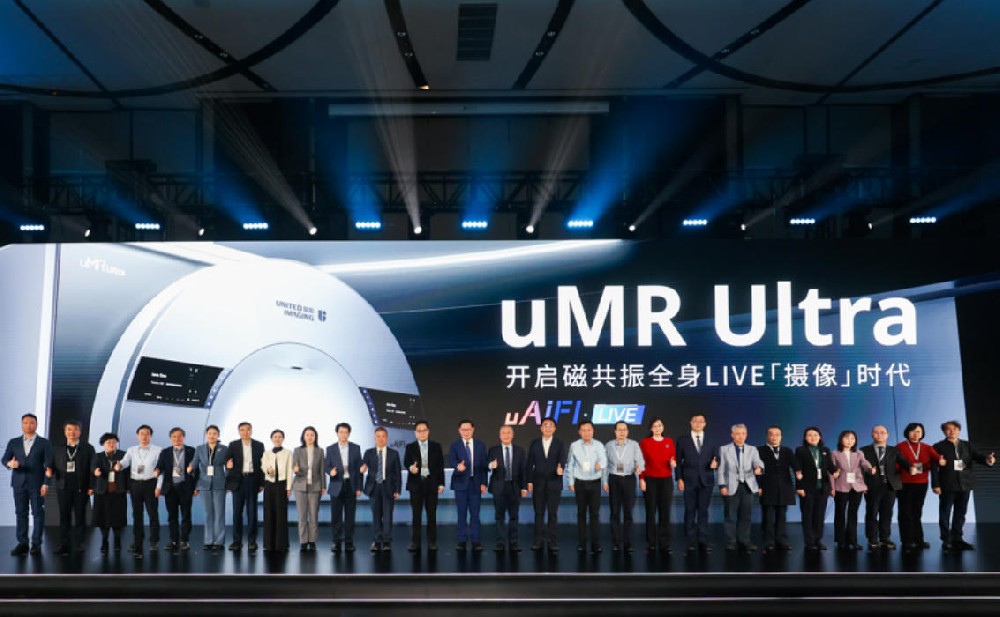
World’s First “Video Camera” MRI is set in Shanghai, Ushering in the Era of Dynamic Physiological Imaging

“Yi Jian Kang” Foundation Established by Professor Wen Yumei Celebrates 13 Years of Impact

Renji International Medical Marks 20th Anniversary
Copyright © 2023 Yewen Renyi & ShanghaiDoctor.cn (This website is a non - profit medical humanities platform. The information contained herein is solely for biographical and historical purposes and does not constitute any medical advice.) 沪ICP备2023005392号-2 XML 沪公网安备31010902100835号
 中文
 English
 Español
 沪公网安备31010902100835号
