ShanghaiDoctor - Where China's Healing Wisdom Shapes Modern Medicine

Update time:2026-10-24Visits:33
Shanghai, October 2026 — For a patient coming to Shanghai from abroad, the medical care is only part of the journey. Paying a deposit from overseas, settling a bill through an international insurer, or receiving a refund after going home can be just as important. On October 10, 2026, the Shanghai Branch of the State Administration of Foreign Exchange (SAFE), together with the Shanghai Municipal Health Commission, held its first-ever training session devoted to the foreign-exchange services most commonly needed in international medical care.
The session brought together the international medical departments of 24 top-tier (Grade 3) Shanghai hospitals, including Ruijin, Zhongshan, Huashan and Renji hospitals, along with 27 commercial banks operating in Shanghai.
A handbook for cross-border medical payments
Participants received a newly prepared Handbook of Common Foreign Exchange Services for Foreign-Related Medical Care. Using the handbook, trainers explained how cross-border funds are settled for both institutional and individual transactions. The topics covered commercial insurance claims, foreign-currency purchase and settlement for medical staff salaries, inbound remittances of overseas patients’ medical fees, advance payments, returned remittances and refunds, and how to handle special cases.
Real cases were used to clarify practical difficulties, with the aim of closing the “last mile” between policy and everyday practice in hospitals.
The training is part of SAFE’s nationwide effort to make settlement for foreign-related medical care more convenient, and is intended to support the high-quality development of Shanghai’s international medical sector and to help foreign-exchange policies reach medical institutions more smoothly.
Why it matters for international patients
The participating hospitals noted that the Shanghai Health Development Plan for the 15th Five-Year Plan period calls for deepening pilot programs that open the medical sector further, steadily advancing pilots in international medical services, and building internationally competitive medical service brands. Doing international medical care well, they said, is also an important way to raise Shanghai’s international profile.
In recent years, the demand from Shanghai’s international medical institutions for foreign-exchange settlement has been growing steadily. SAFE Shanghai described the session as “bringing policy to the doorstep,” giving hospitals practical guidance for making cross-border settlement easier.
That growth is reflected in patient numbers. According to the Shanghai Municipal Health Commission, the city’s public hospitals served 73,200 foreign patients in 2025, an increase of more than 8 percent over the previous year, and 22 public medical institutions have been approved as pilot units for international medical tourism since September 2023.
What comes next
SAFE Shanghai said it will keep improving the quality and efficiency of its foreign-exchange services for international medical care in two ways. First, it will strengthen communication with the Shanghai Municipal Health Commission and medical institutions, continue to collect the special foreign-exchange needs and difficulties that arise in international medical care, and provide thorough policy guidance and answers.
Second, it will support prudent and compliant banks in Shanghai in adding qualified foreign-related medical institutions to their lists of high-quality enterprises, using facilitation policies to streamline document review and further improve cross-border settlement for medical payments, providing solid foreign-exchange support for the opening-up of Shanghai’s international medical industry.
Editor: Chen Qing
If you need any help with medical care in Shanghai, be free to let us know at Chenqing@ShanghaiDoctor.cn.
Translated and adapted from a report by the Shanghai Branch of the State Administration of Foreign Exchange, SAFE Shanghai, “国家外汇管理局上海市分局首次开展涉外医疗外汇业务培训会”; Background figures from english.shanghai.gov.cn, “Shanghai aims to strengthen global medical hub status”.
Shanghai Trains 24 Top Hospitals on Cross-Border Payments for International Patients
A Second Life in Shanghai: How a 79-Year-Old American Traveler Was Saved
Canton Fair Opens Its First International Medical Service Zone
The World’s First Invasive Brain-Computer Interface Just Got Approved in Shanghai
A Shanghai Hospital Launches Vertical Large Model for Women’s Health
Shanghai Research Team Develops AI Diagnostic System for Rare Diseases with “Explainable” Reasoning
“Yi Jian Kang” Foundation Established by Professor Wen Yumei Celebrates 13 Years of Impact
Shanghai Trains 24 Top Hospitals on Cross-Border Payments for International Patients
A Second Life in Shanghai: How a 79-Year-Old American Traveler Was Saved
Canton Fair Opens Its First International Medical Service Zone
Shanghai Moves Its Best Hospitals Outward
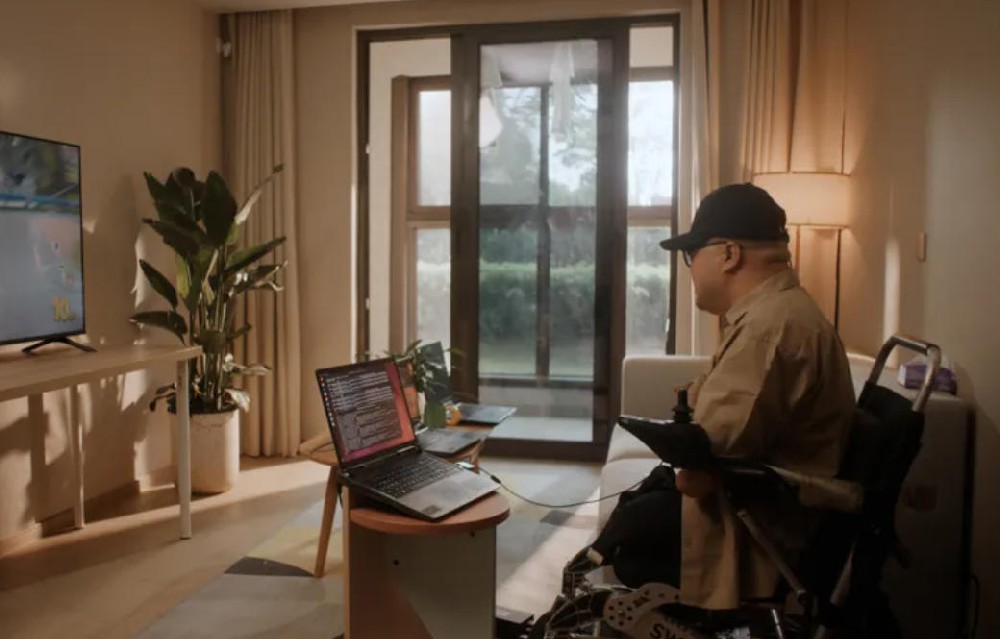
The World’s First Invasive Brain-Computer Interface Just Got Approved in Shanghai

A Shanghai Hospital Launches Vertical Large Model for Women’s Health
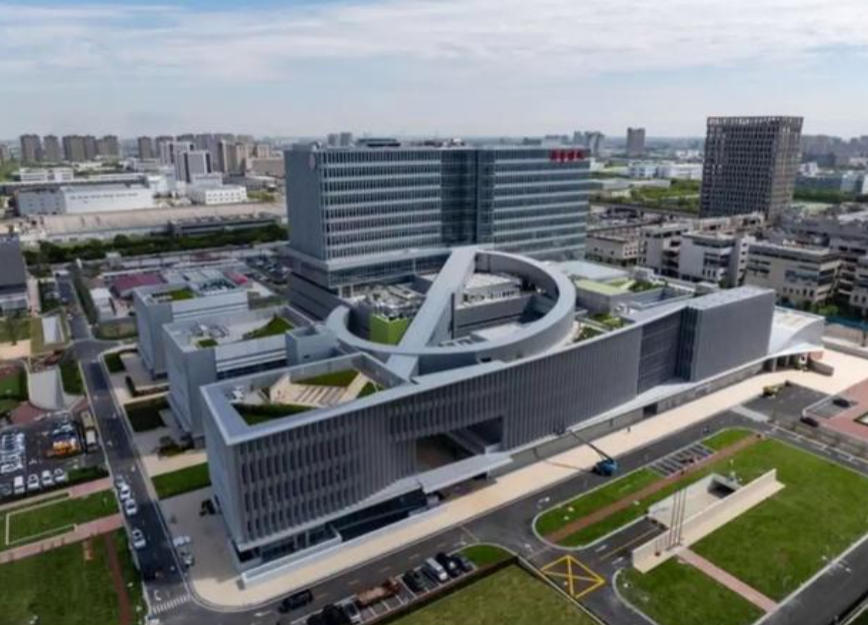
Shanghai Research Team Develops AI Diagnostic System for Rare Diseases with “Explainable” Reasoning
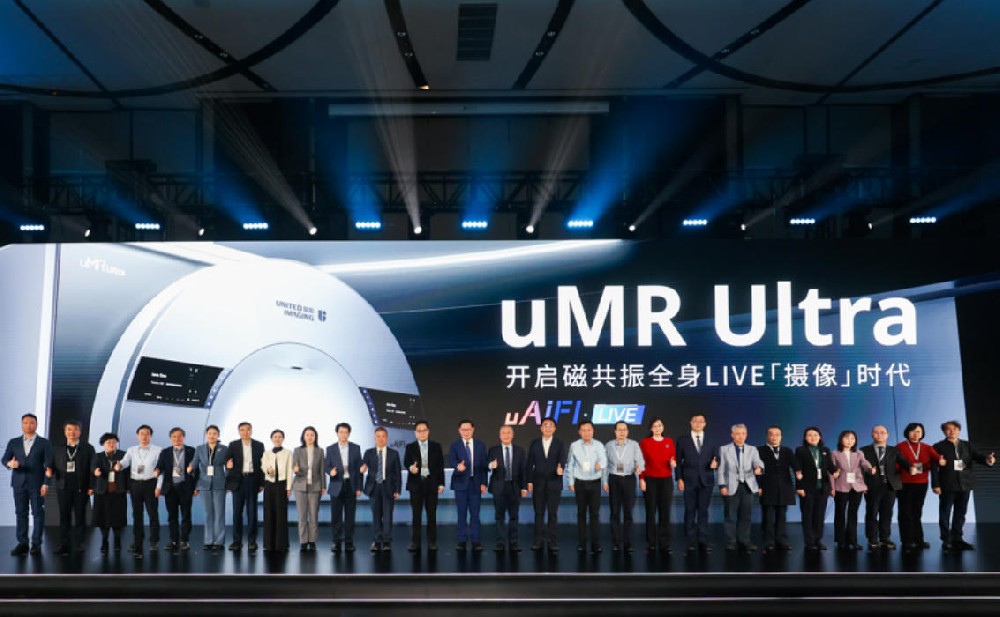
World’s First “Video Camera” MRI is set in Shanghai, Ushering in the Era of Dynamic Physiological Imaging

“Yi Jian Kang” Foundation Established by Professor Wen Yumei Celebrates 13 Years of Impact

Renji International Medical Marks 20th Anniversary
Copyright © 2023 Yewen Renyi & ShanghaiDoctor.cn (This website is a non - profit medical humanities platform. The information contained herein is solely for biographical and historical purposes and does not constitute any medical advice.) 沪ICP备2023005392号-2 XML 沪公网安备31010902100835号
 中文
 English
 Español
 沪公网安备31010902100835号
