ShanghaiDoctor - Where China's Healing Wisdom Shapes Modern Medicine

Update time:2026-11-28Visits:7
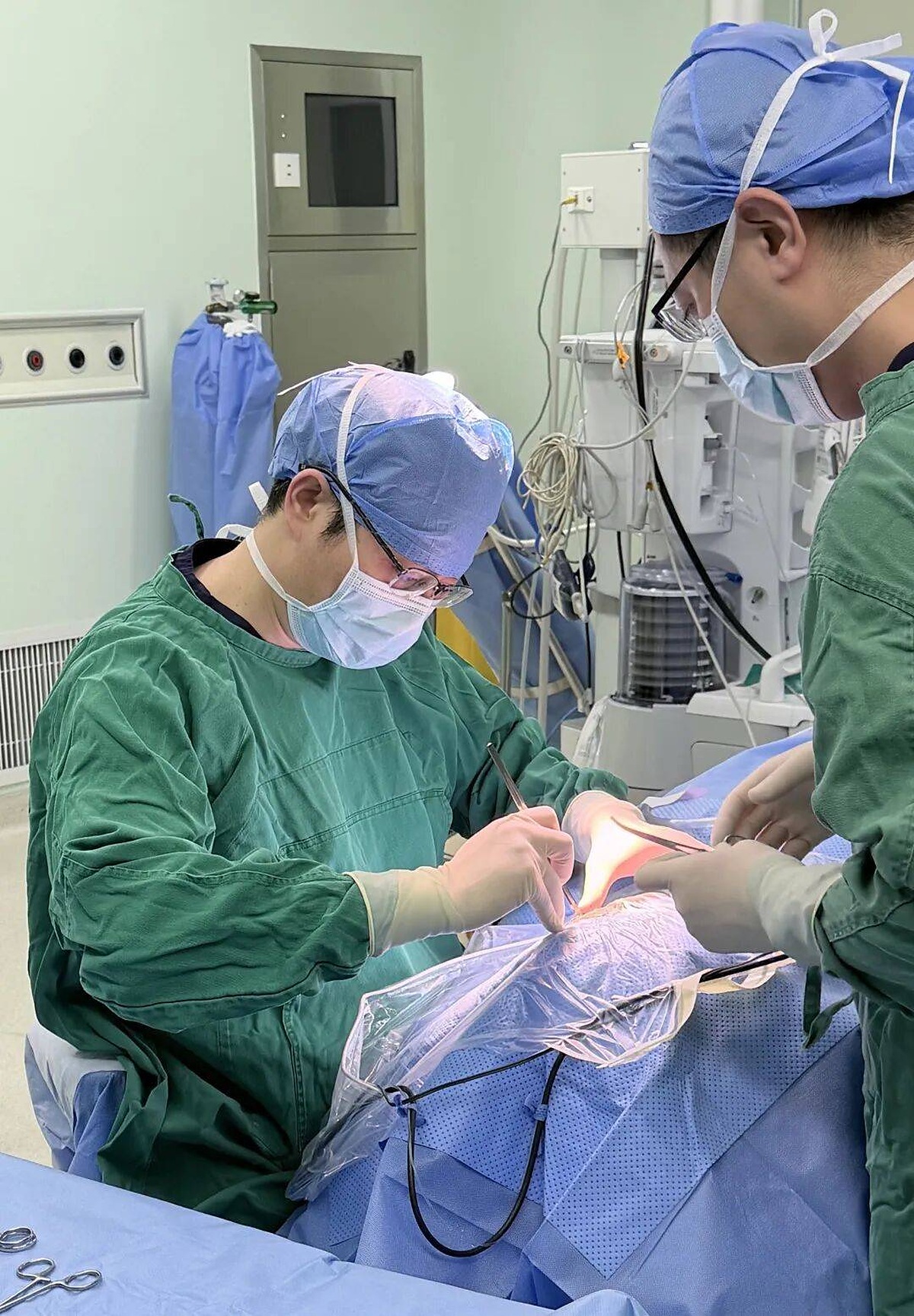
Professor Shu Yilai's team from the Eye and ENT Hospital of Fudan University during a totally implantable cochlear implant operation. Photo: Eye and ENT Hospital of Fudan University
SHANGHAI — Two Shanghai ear-surgery teams have performed some of Asia's first operations with a cochlear implant that sits entirely under the skin, a device designed to free people with severe hearing loss from the external sound processor that conventional implants require.
On November 21, a team led by Professor Wu Hao of Shanghai Ninth People's Hospital, affiliated with Shanghai Jiao Tong University School of Medicine, completed what it described as Asia's first single-sided totally implantable cochlear implant (TICI) operation. The same day, Professor Shu Yilai's team from the Eye and ENT Hospital of Fudan University completed Asia's first “bimodal” case: a fully implanted device in one ear for a patient who already had a conventional implant in the other.
Both operations took place at the Boao Lecheng International Medical Tourism Pilot Zone in Hainan province, where a special policy allows urgently needed medical devices approved abroad to be used clinically before full approval in China. The device went on sale in Europe in September 2026; these were among its first clinical uses in China and the Asia-Pacific region. A team from Beijing performed a third operation, Asia's first case with implants in both ears, the same day.
Hearing without anything on the outside
A conventional cochlear implant has two parts: an electrode array inside the inner ear and an external processor, worn behind the ear, that picks up sound through a microphone. In a totally implantable device, the microphone, processor and rechargeable battery all sit beneath the scalp.
After the system is switched on and tuned, users may be able to hear around the clock, including while showering, exercising or sleeping. To charge it, the user places an external charger on the scalp, where a magnet holds it in the right position, and can keep listening while it charges.
“Full implantation is not just a change in the device's form,” Wu said. “What matters more is letting hearing blend into everyday life, helping users depend less on external equipment and listen more freely and easily.”
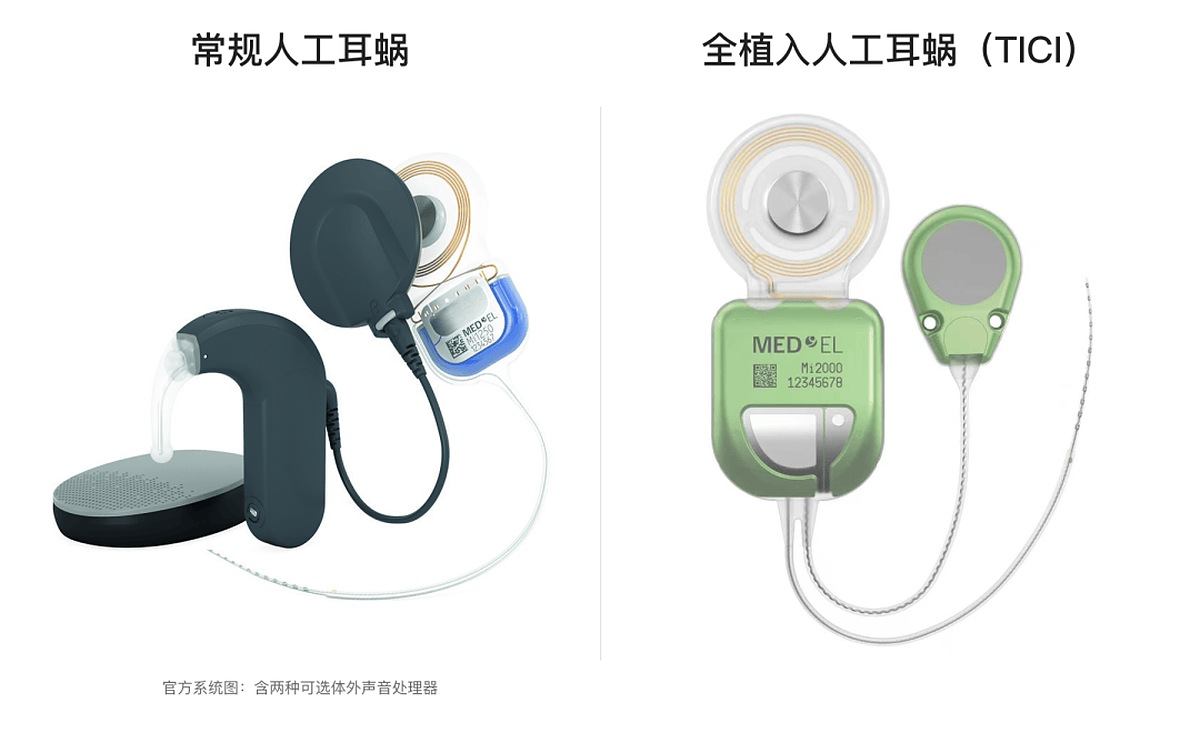
A conventional cochlear implant (left) compared with a totally implantable one (right). Image: Eye and ENT Hospital of Fudan University
A working man's everyday problems
The Eye and ENT Hospital's patient, identified by the pseudonym Xiao Cong, had received a conventional implant on one side years earlier. His job keeps him on the move, and the external processor caused constant trouble: his stiff hair made it slip off, summer sweat dampened it, and rain meant guarding it from water. Hearing with only one ear also made it hard to tell where sounds came from or follow conversations in noisy places.
He chose the fully implantable device for the other ear. After surgery he will undergo individualized programming, with frequencies mapped to the actual position of the electrode in his cochlea. Shu's team plans to follow how he uses the two different systems over time.
Years of groundwork in Shanghai
Wu has spent his career in otology and hearing medicine and has performed more than 5,000 operations on the ear, nerves and skull base. In 2019 his team performed China's first robot-assisted cochlear implant operation, using a surgical robot to guide electrode insertion more steadily than the human hand. In 2024, Shanghai Ninth People's Hospital and a domestic device partner unveiled China's first prototype of a fully implantable cochlear implant after five years of development, including a sensitive under-the-skin microphone and noise-reduction software.
Cochlear implants are the main way to restore hearing for people with severe to profound sensorineural hearing loss, in which the inner ear or hearing nerve is damaged. The new devices offer another option for patients who find external equipment a burden.
International patients exploring hearing restoration in China can look up ear, nose and throat specialists at Find Chinese Doctors, and visitors who also need dialysis during a treatment trip can plan it with DialysisChina.
Editor: Chen Qing @ ShanghaiDoctor.cn
If you need any help with medical care in Shanghai/China, be free to let us know at Chenqing@ShanghaiDoctor.cn.
Source: Adapted from “Shanghai Ninth Hospital Wu Hao team completes Asia's first totally implantable cochlear implant surgery,” Hearing Center of Shanghai Ninth People's Hospital WeChat account, as profiled by the Beijing Society of Audiology, and the Eye & ENT Hospital of Fudan University report (repost).
Ten Children Given New Hearts Come Home to Shanghai Children's Medical Center
Shanghai Ear Surgeons Among the First in Asia to Fit a Fully Hidden Cochlear Implant
Shanghai Team's Mandarin Brain-Computer Interface Lets a Woman with ALS Speak in Her Own Voice
Shanghai Sixth People's Hospital Reopens Renovated International Medical Center
Longhua Hospital Hosts Belt and Road Doctors at International Center
Shuguang Hospital Opens International Care Built on TCM and Western Medicine
Jiahui and HSBC Expand Cross-Border Health Services Across the Yangtze River Delta
Shanghai Foreign Hospitals Build Layered Care for Medical Tourism
Shanghai Hospital Opens Cell Therapy Center for International Patients
Ten Children Given New Hearts Come Home to Shanghai Children's Medical Center
Shanghai Ear Surgeons Among the First in Asia to Fit a Fully Hidden Cochlear Implant
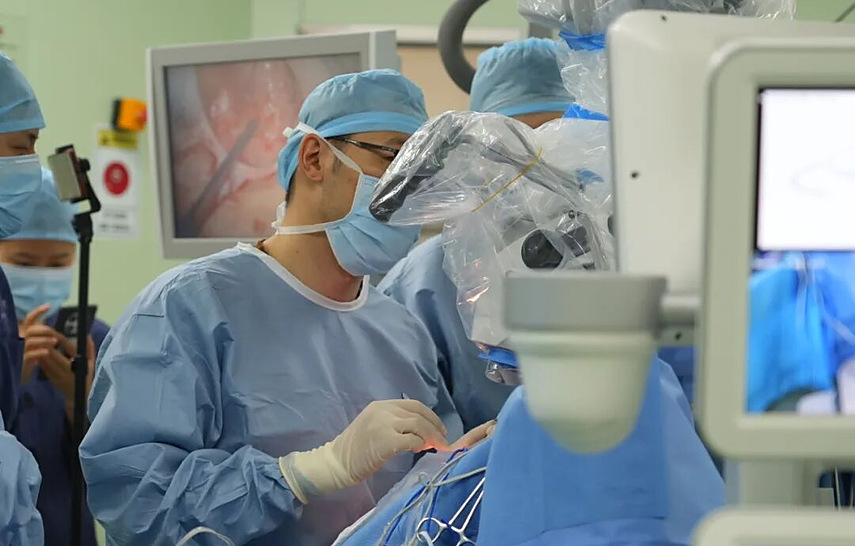
Shanghai Team's Mandarin Brain-Computer Interface Lets a Woman with ALS Speak in Her Own Voice
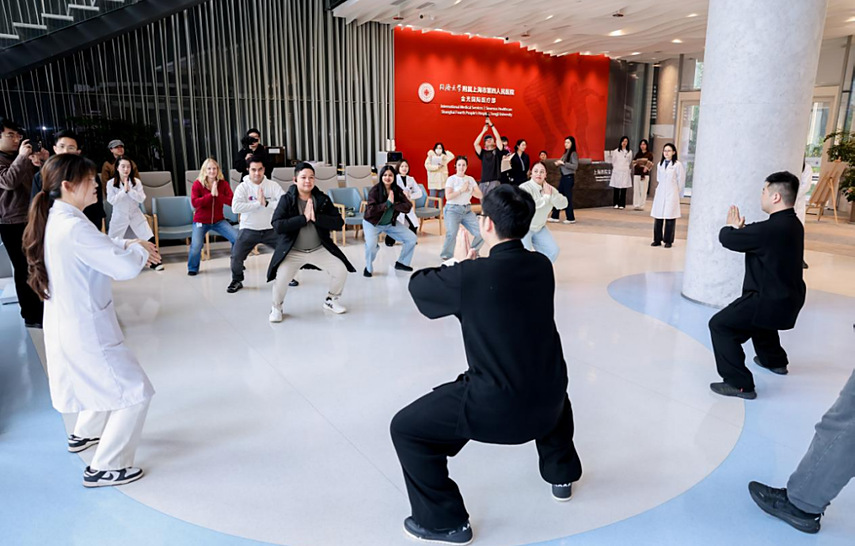
Cruise Passengers Step Ashore and Into Traditional Chinese Medicine at Shanghai Fourth People's Hospital
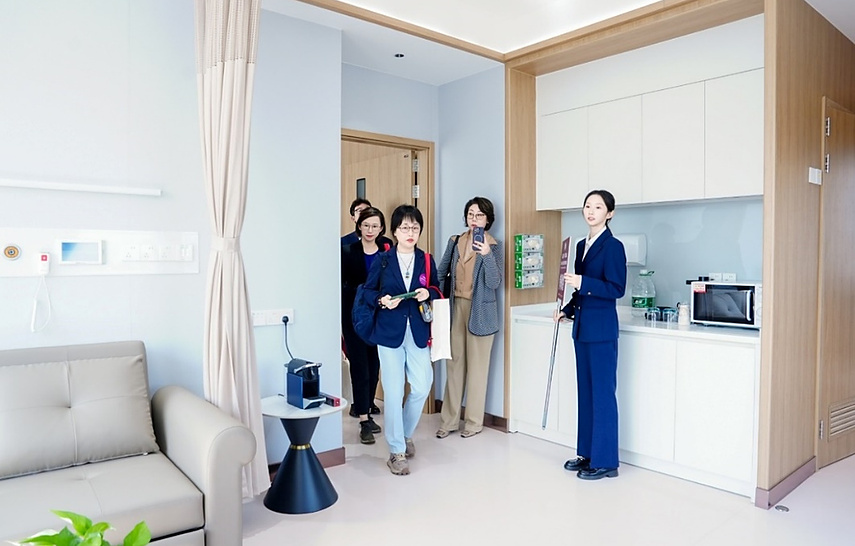
Shanghai Sixth People's Hospital Reopens Renovated International Medical Center
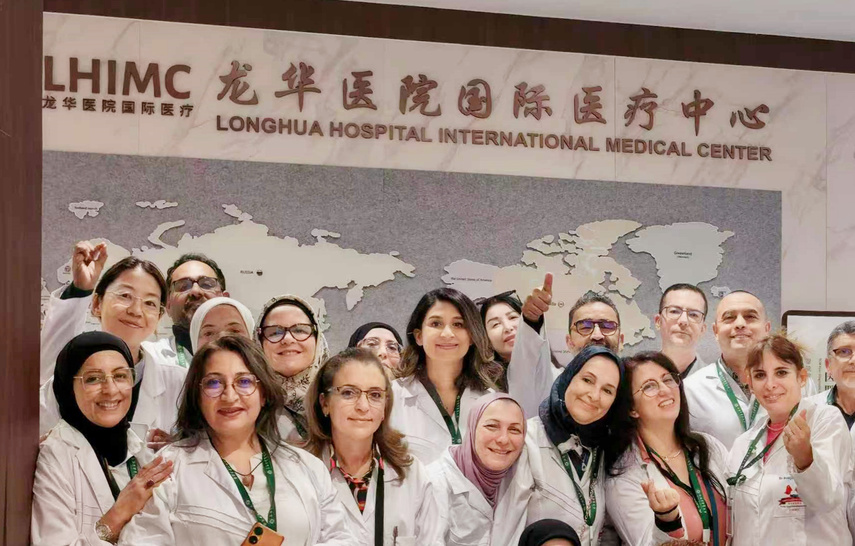
Longhua Hospital Hosts Belt and Road Doctors at International Center
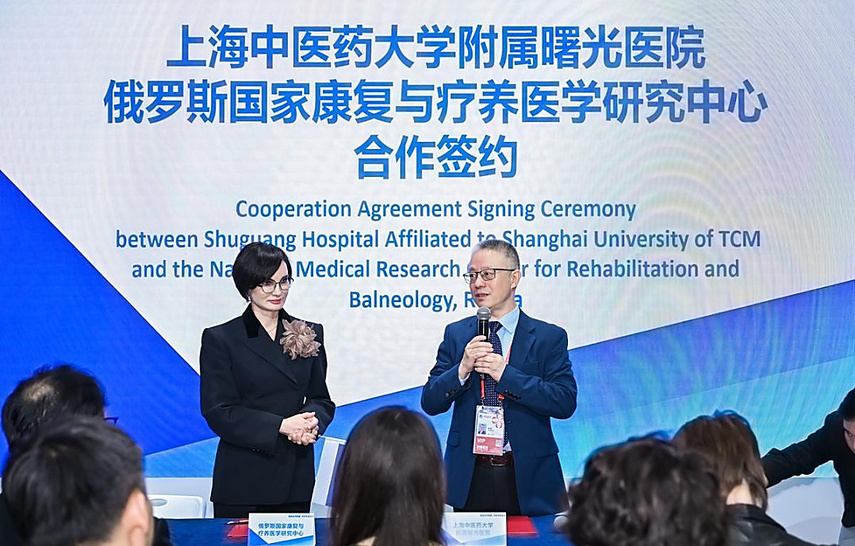
Shuguang Hospital Opens International Care Built on TCM and Western Medicine

Jiahui and HSBC Expand Cross-Border Health Services Across the Yangtze River Delta

Shanghai Foreign Hospitals Build Layered Care for Medical Tourism

Shanghai Hospital Opens Cell Therapy Center for International Patients
Copyright © 2023 Yewen Renyi & ShanghaiDoctor.cn (This website is a non - profit medical humanities platform. The information contained herein is solely for biographical and historical purposes and does not constitute any medical advice.) 沪ICP备2023005392号-2 XML 沪公网安备31010902100835号
 中文
 English
 Español
 沪公网安备31010902100835号
