ShanghaiDoctor - Where China's Healing Wisdom Shapes Modern Medicine

Update time:2026-10-31Visits:4
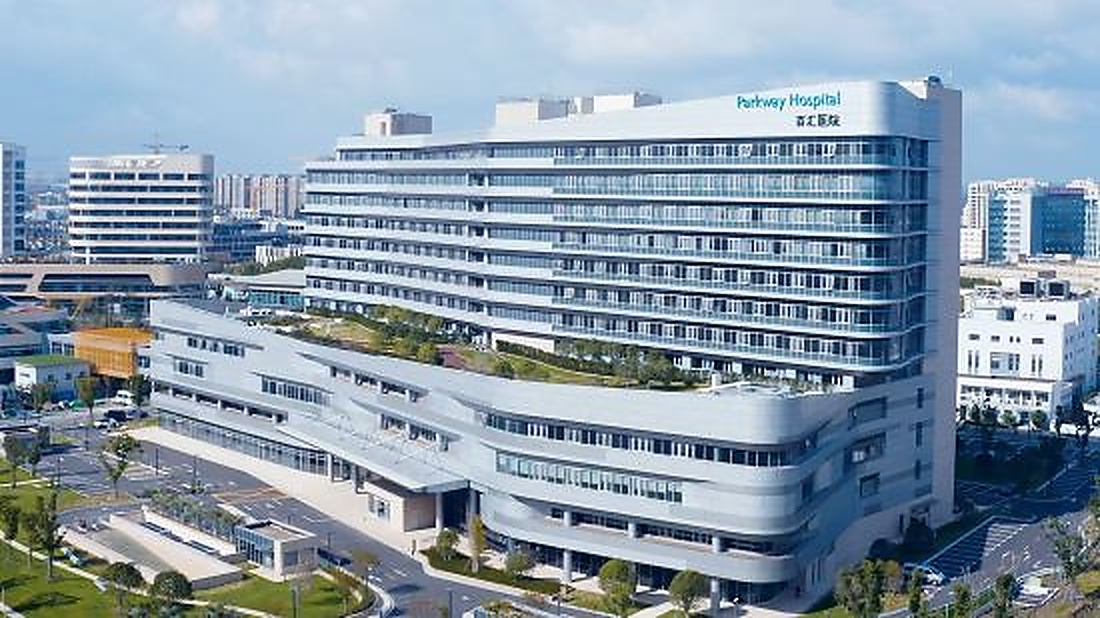
Shanghai, October 2026 — As China widens its visa-free “circle of friends,” international medical tourism has become one reason more foreign visitors choose to come. Foreign-invested medical institutions in Shanghai are using the moment to offer care in layers, so that different patients find different doors rather than competing for the same public outpatient slots.
Shanghai launched international medical tourism pilots for non-public hospitals in 2020 and for public hospitals in 2023. After the city’s local standard, the Specification for International Medical Services, took effect in 2024, Shanghai’s medical brand has risen further overseas. Early in 2026, social media talk of “foreigners flocking to China for travel and medical care” drew a measured official and expert reply: foreign patients are still a small share of total hospital visits.
One expert view is that if market providers take the part of demand that is sensitive to efficiency and experience, and that does not compete directly for the scarcest public appointment slots, the result is growth rather than crowding. That reading has shaped how several foreign groups are positioning themselves in the city.
Specialties first, not general practice for everyone
IHH Healthcare’s North Asia leadership has been clear about its Shanghai focus. Dr. Zeng Qinglian, Regional Chief Executive Officer of IHH Healthcare (North Asia), has said the group does not want to grow in Shanghai mainly as a generalist. Its targets are orthopedics, pan-vascular care (especially cardiovascular), stem cells and robotic surgery.
Orthopedics offers a sharp signal. At one Shanghai hospital in the group, the number of robotic joint-replacement operations done in ten months already reached twice the volume of the same procedure at a Hong Kong hospital over the same length of time — and that Hong Kong hospital has been running the service for a decade. In other words, a privately run specialty center can scale a complex technique faster than a traditional public system expands the same line.
Day center, clinic, hospital
IHH’s “day center–clinic–hospital” structure is meant to keep simple cases out of scarce inpatient beds. Dr. Zeng has described the day surgery center in Shanghai’s Xintiandi as a cost-control tool: “Put some of the simpler operations into the day center.” Domestic data on day surgery already show that, with resources held constant, a day model can raise a department’s service volume by 26 to 46 percent. When a profit-oriented private system moves simple procedures out of inpatient wards, it frees beds that public hospitals can least spare. If foreign patients are served along that path, their extra claim on public inpatient capacity is structurally reduced.
At the Xintiandi day center, care begins with a family-doctor first visit. Doctors come from 14 countries, and foreign patients can settle bills through commercial insurance direct payment. The center is aimed at everyday and specialty needs of expatriates living in Shanghai, so that this group is served without drawing on basic public appointment capacity.
DeltaHealth, Jiahui and Parkway: three payment stories
In Qingpu, DeltaHealth Hospital received Shanghai’s first wholly foreign-owned hospital practice license in 2025 and then focused on cardiovascular care. It is now in the medical insurance settlement system and works with more than 60 commercial insurers worldwide, using social insurance as a base and commercial cover plus advanced technology as the growth layer.
Jiahui International Hospital offers another model. It has immediate direct-billing arrangements with about 60 insurers and is the largest hospital in East China by high-end medical insurance direct-settlement volume. It has served more than 500,000 families from over 180 countries and regions, including patients who travel specifically for advanced therapies such as CAR-T. In 2024 its cooperation with HSBC Life further extended direct billing into cross-border settings.
Parkway Medical, also under IHH, has widened its insurance reach as well. In January this year, Prudential announced that all of Parkway’s Shanghai facilities would join its direct-pay network, covering the new Xintiandi medical center and outpatient clinics in Pudong Biyun and Changning Gubei. Services include specialty outpatient care, day surgery and MRI, across gastroenterology, general surgery, urology, gynecology, ENT and more. Eligible patients who live in Shanghai or travel often between Hong Kong and Shanghai can obtain pre-approval before treatment; after care, Prudential pays the provider directly, so patients need not pay first and claim later at home.
When payment, specialty and rules fit together
Taken together, these moves suggest that Shanghai’s medical-tourism supply is no longer mainly a question of whether foreign hospitals exist. It is a question of how payment channels, specialty focus and institutional links fit. Parkway’s wider Prudential network improves access to cross-border settlement; cooperation between Raffles and Renji touches the boundary between public and private systems.
Shanghai’s 15th Five-Year Plan for the service industry, issued in June 2026, already calls for nurturing a group of internationally competitive medical-tourism brands. Whether those brands work, the report argues, will depend less on planning language than on whether a foreign or commercially insured patient, before deciding to come, can see a clear, predictable path through payment, appointments and clinical care.
Editor: Chen Qing
If you need any help with medical care in Shanghai/China, be free to let us know at Chenqing@ShanghaiDoctor.cn.
Nansha Opens Hong Kong and Macao Insurance Medical Service Center
Shanghai Foreign Hospitals Build Layered Care for Medical Tourism
Shanghai Hospital Opens Cell Therapy Center for International Patients
Shanghai Trains 24 Top Hospitals on Cross-Border Payments for International Patients
A Second Life in Shanghai: How a 79-Year-Old American Traveler Was Saved
Canton Fair Opens Its First International Medical Service Zone
The World’s First Invasive Brain-Computer Interface Just Got Approved in Shanghai
A Shanghai Hospital Launches Vertical Large Model for Women’s Health
Shanghai Research Team Develops AI Diagnostic System for Rare Diseases with “Explainable” Reasoning
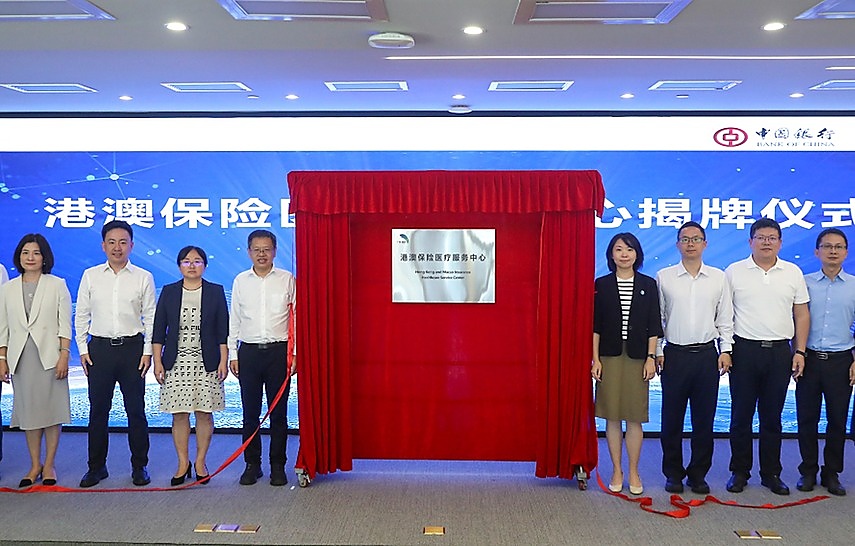
Nansha Opens Hong Kong and Macao Insurance Medical Service Center
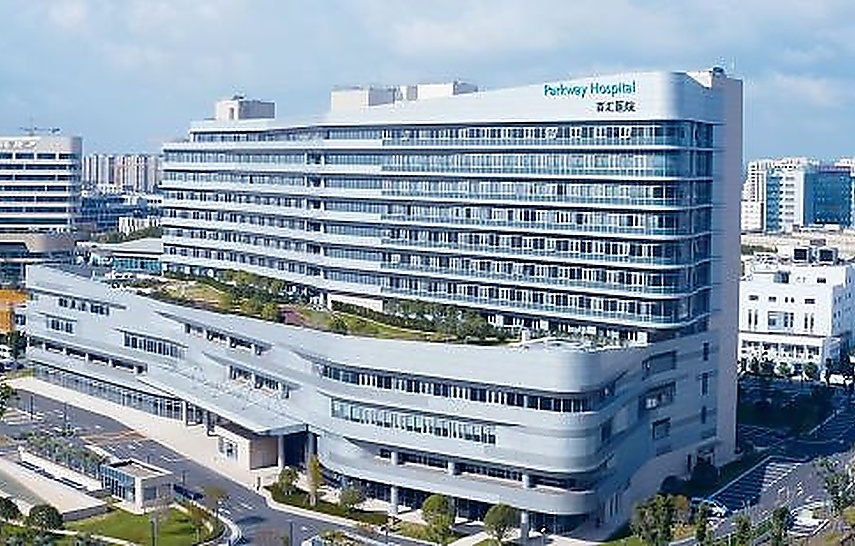
Shanghai Foreign Hospitals Build Layered Care for Medical Tourism
Shanghai Hospital Opens Cell Therapy Center for International Patients
Shanghai Trains 24 Top Hospitals on Cross-Border Payments for International Patients
A Second Life in Shanghai: How a 79-Year-Old American Traveler Was Saved
Canton Fair Opens Its First International Medical Service Zone
Shanghai Moves Its Best Hospitals Outward
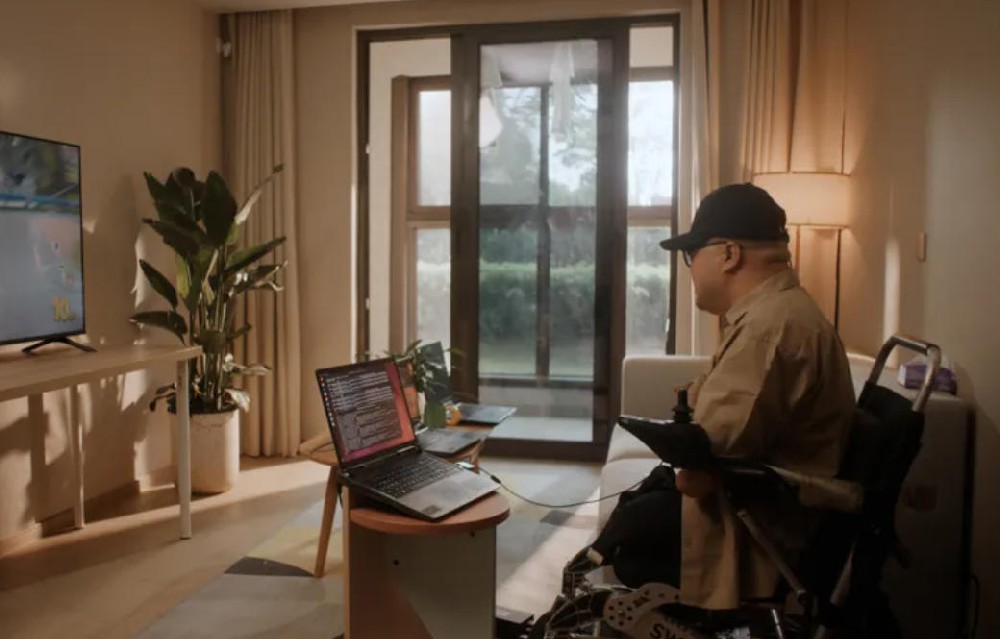
The World’s First Invasive Brain-Computer Interface Just Got Approved in Shanghai

A Shanghai Hospital Launches Vertical Large Model for Women’s Health
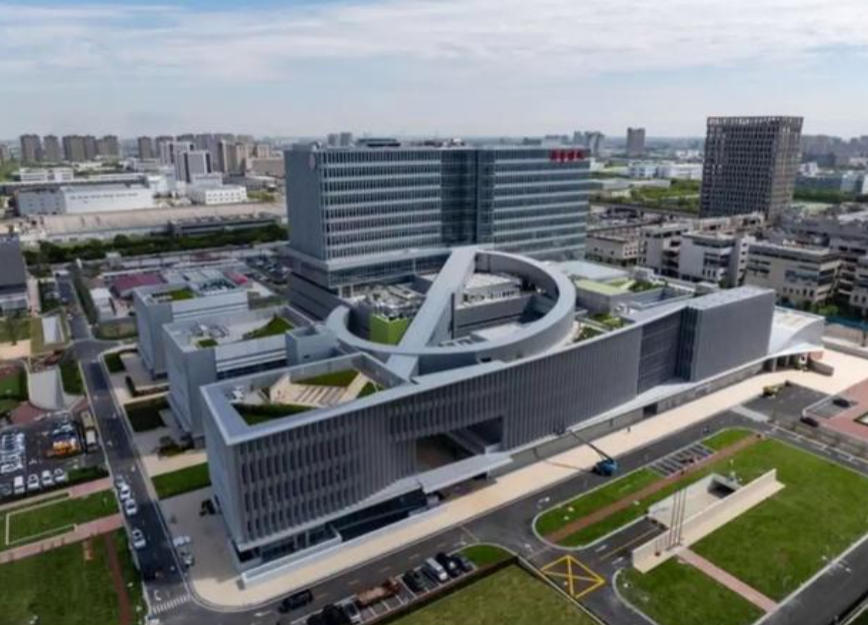
Shanghai Research Team Develops AI Diagnostic System for Rare Diseases with “Explainable” Reasoning
Copyright © 2023 Yewen Renyi & ShanghaiDoctor.cn (This website is a non - profit medical humanities platform. The information contained herein is solely for biographical and historical purposes and does not constitute any medical advice.) 沪ICP备2023005392号-2 XML 沪公网安备31010902100835号
 中文
 English
 Español
 沪公网安备31010902100835号
