ShanghaiDoctor - Where China's Healing Wisdom Shapes Modern Medicine

Update time:2026-06-02Visits:3828
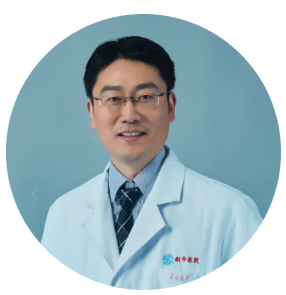
Expertise / Specialty: The endoscopic diagnosis and treatment of gastrointestinal diseases, as well as the prevention and management of chronic liver conditions, particularly fatty liver disease.
Affiliated Hospital: Xinhua Hospital, affiliated with Shanghai Jiao Tong University School of Medicine
Languages Spoken: Chinese, English
International Appointments: Chenqing@ShanghaiDoctor.cn
Profile
Shen Feng is a Deputy Chief Physician in the Department of Gastroenterology at Xinhua Hospital, affiliated with Shanghai Jiao Tong University School of Medicine, and a member of the Jiusan Society. He serves on the Capsule Endoscopy and Intestinal Disease Expert Committee of the Chinese Association of Integrative Medicine, is a youth member of the Colorectal Endoscopy and Esophageal and Gastric Varices Group under the Shanghai Medical Association’s Endoscopy Branch, and is the responsible editor of the Chinese Fatty Liver Network.
He graduated from Shanghai Jiao Tong University School of Medicine and has been working in the Department of Gastroenterology and Endoscopic Diagnosis and Treatment at Xinhua Hospital since 2003. From July to September 2013, he studied at the Aichi Cancer Center Hospital in Nagoya, Japan; from March to September 2015, he served as captain of the Xinhua Hospital medical team on a mission to assist Yunnan Province; and from June 2016 to June 2017, he conducted postdoctoral research at the University of Texas Health Science Center in the United States. Over the past five years, he has published more than 20 papers as first author in core journals, co-authored three monographs, and received the second prize of the Shanghai Science and Technology Progress Award in 2016 (ranked third).
His clinical focus is on the endoscopic diagnosis and treatment of gastrointestinal diseases, as well as the prevention and management of chronic liver conditions, particularly fatty liver disease. He specializes in endoscopic treatments for reflux esophagitis, gastrointestinal polyps, early gastrointestinal cancers, and esophageal and gastric varices.
First-Person Perspective
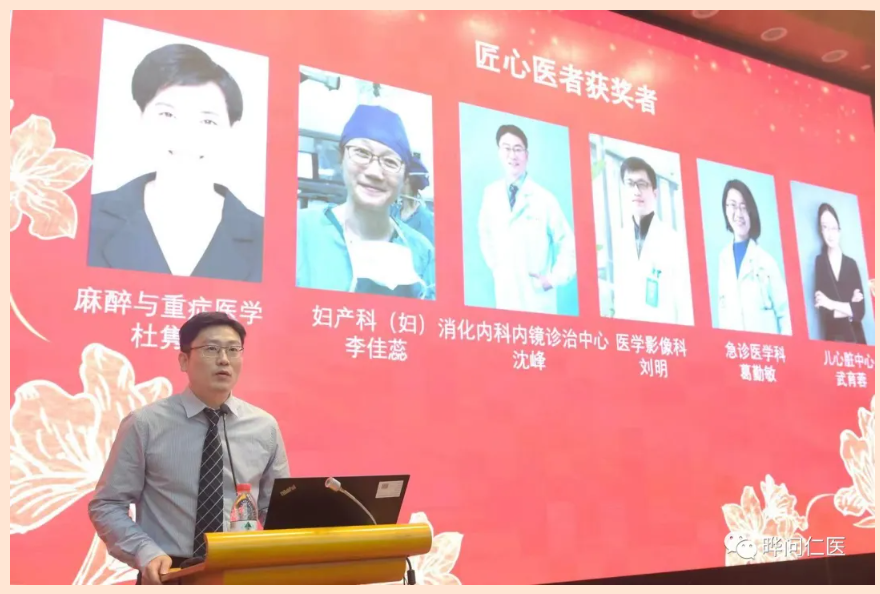
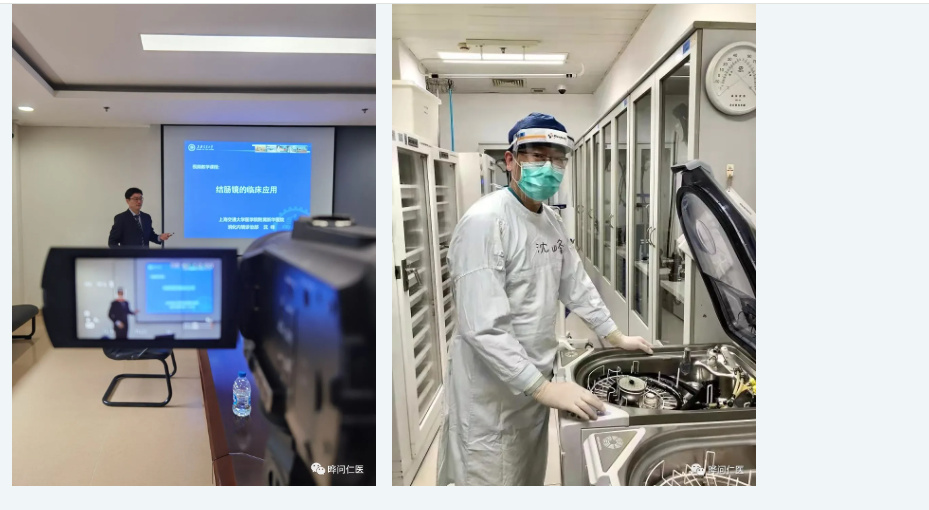
“I’m just an ordinary clinical doctor, and I feel fulfilled and happy every day.” When I interviewed him, Shen Feng had just stepped off the operating table, still in his surgical gown. Asked how it felt to receive the “Craftsmanship Doctor” award, he wiped the sweat from his brow and laughed heartily: “Practicing medicine is not only about honing your skills—it’s also a kind of ‘spiritual cultivation’ in life. Being a doctor still requires a bit of idealism.”
His expression revealed a straightforwardness, an unguarded authenticity that needed no grand declarations. If gratitude is the catalyst for happiness, then a candid attitude may well be the mother of progress.
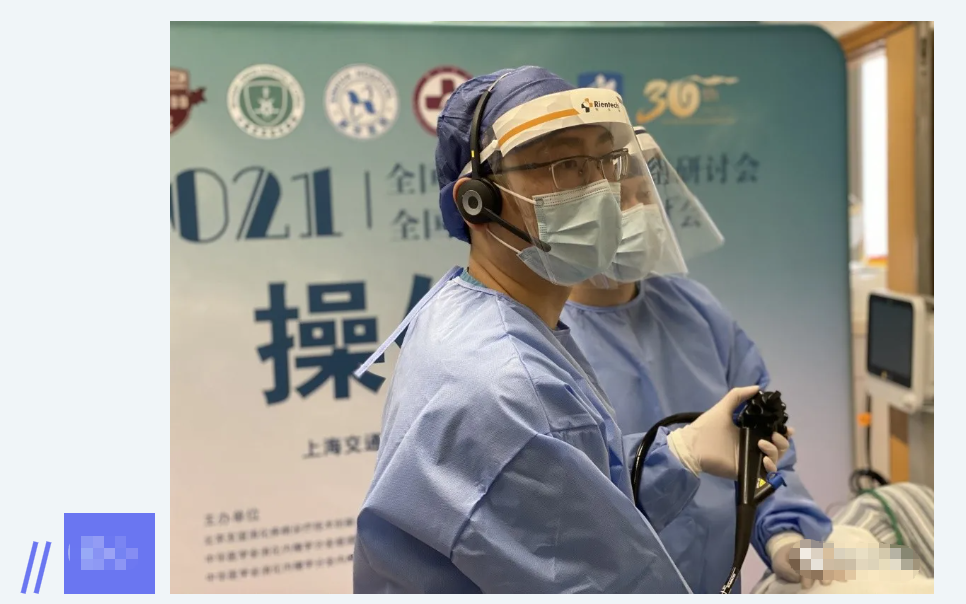
“We gastroenterologists often joke that we’re ‘plumbers.’ For any natural passage in the human body, we insert an endoscope to perform various intracavitary treatments,” Shen Feng said, poking fun at himself while also educating: “We use both flexible and rigid scopes to explore. Entering the gastrointestinal tract through the mouth and anus, we not only explore and take biopsies for diagnosis, but also remove foreign objects, stop bleeding, extract stones, and—most importantly—remove polyps and treat early cancers. Isn’t that amazing?”
Indeed, it is. When you think of doctors, you might picture an internal medicine sage wielding drugs or a surgical hero brandishing a scalpel, but do not overlook these lovable “plumbers.” Despite the inevitable “fatigue” and “stench,” the miracles they create bloom into fragrant flowers of life. Treatment for digestive system diseases encompasses surgery, diet, endoscopy, medication, interventional procedures, and psychological support. Among these, endoscopic treatment is an exceptionally important method. Whether it is gastroscopy, colonoscopy, capsule endoscopy, enteroscopy, ERCP, or endoscopic ultrasound, these are skills that every gastroenterologist must master.
If life is a “work of art” nurtured by nature, then doctors are the “craftsmen” who repair it. A good doctor is also a steward of the craftsmanship spirit.
1. The Path of Medicine
“One who cannot be a good minister should become a good physician.” Shen Feng recalled that this was his original aspiration when he filled out his medical school application. The word “greatness” was his first impression of the medical profession.
In 1998, Shen Feng was admitted to the Clinical Medicine program at Shanghai Jiao Tong University School of Medicine with outstanding grades, embarking on a long journey in medicine. After graduating with a bachelor’s degree in 2003, he developed a strong passion for clinical work and decided to stay at the affiliated Xinhua Hospital, starting steadily as a junior doctor.
Unlike others who chose further study or opportunities abroad, Shen Feng had his own unique vision for the future. Like a seedling taking root in the soil, nourished by wind and rain and bathed in sunlight, a tree must grow tall before it can overlook the distant mountains.
After several years of work, Shen Feng had accumulated rich clinical experience but also recognized the inadequacy of his own knowledge. He then pursued further education, earning a doctoral degree in 2011. His doctoral advisor was Fan Jiangao, director of the Department of Gastroenterology at Xinhua Hospital. Professor Fan Jiangao is the honorary chairman of the Liver Disease Committee of the Shanghai Medical Association and a renowned expert in the field of fatty liver disease in China. His relentless pursuit of academic excellence deeply influenced Shen Feng. Their research focused on the diagnosis and treatment of fatty liver disease.
“With the improvement of living conditions, fatty liver disease has become the world’s number one liver disease. It can potentially progress to steatohepatitis and cirrhosis, and is the second leading cause of liver transplantation in the United States, after liver cancer.” The research prospects for fatty liver disease were promising. Under Professor Fan’s guidance—through both words and actions—Shen Feng gradually found his research direction and became increasingly adept in his studies. Just before his doctoral graduation, a surgery changed the course of his life.
“The first time I saw this procedure, I was deeply shocked,” Shen Feng exclaimed.
At that time, endoscopic treatment techniques were just emerging, and he had the privilege of participating in an endoscopic procedure for cirrhosis-related esophageal and gastric varices. “Esophageal and gastric varices caused by cirrhosis are highly prone to rupture and massive bleeding, with a mortality rate as high as 30%. In the past, when encountering this condition, we generally used conservative medication or compression hemostasis with a Sengstaken-Blakemore tube. The insertion of the gastric tube caused great pain to the patient, and the success rate was extremely low. If you were on night shift and encountered a patient with cirrhosis bleeding, the whole night would be spent dealing with continuous bleeding and repeated resuscitation.”
However, for such a dangerous disease, the effect of endoscopic treatment was immediate: a patient vomiting large amounts of blood, on the verge of death, recovered and improved right after endoscopic ligation. “It was truly magical and shocking,” Shen Feng said. He was completely captivated by the power of endoscopy. That day, he began to conceive the idea of switching his subspecialty.
In 2013, Shen Feng’s clinical direction officially shifted to endoscopic treatment. Professor Xu Leiming, director of the Endoscopy Center at Xinhua Hospital, became his second mentor. From July to September 2013, he went to the Aichi Cancer Center Hospital in Nagoya, Japan, for training, observing and learning advanced Japanese endoscopic techniques. From June 2016 to June 2017, he pursued postdoctoral research at the University of Texas Health Science Center in the United States, once again delving deeply into liver disease research.
Research on liver disease and clinical endoscopy are like walking on two legs, complementing each other. Shen Feng is full of anticipation for the future of endoscopic treatment.
In the future, the trajectory of endoscopic technology will continue to move toward minimally invasive—or even super-minimally invasive—approaches. Endoscopy is both a technique and a platform. Today, everything is shifting toward minimally invasive treatment performed under endoscopic guidance. A purely clinical doctor is merely a craftsman; technical barriers must be broken through scientific research.
2. Digestive Endoscopy as a Platform
In fact, endoscopic treatment is not limited to a single disease.
“Endoscopy is a platform that intersects with thoracic surgery, general surgery, obstetrics and gynecology, and pediatrics. Its scope of application is very broad.” For the treatment of fatty liver disease—Shen Feng’s area of expertise—endoscopic technology represents an emerging therapeutic approach.
Fatty liver disease refers to a condition caused by excessive fat accumulation in liver cells due to various factors. Jokingly referred to as a “rich man’s disease,” its treatment can be summed up as “watch your diet and exercise more.”
It sounds simple, but it is difficult to achieve. That is why Shen Feng hopes to find a new path—using endoscopic treatment to prevent the onset of fatty liver disease. “The most radical approach is bariatric surgery (sleeve gastrectomy), which reduces stomach size to achieve weight loss, or placing a water-filled balloon in the stomach under endoscopy to help patients feel full more quickly. Additionally, we are preparing for a clinical study on a ‘bypass procedure,’ where one end of a tube is placed in the stomach and the other in the small intestine, allowing ingested nutrients to be directly absorbed and excreted through the small intestine, so that eligible patients no longer become obese. How to use minimally invasive treatments to satisfy patients’ cravings while preventing lipid absorption in a way that aligns with human physiology—that is our future aspiration.”
Furthermore, the detection, diagnosis, and treatment of colonic polyps represent another major application of endoscopic technology.
“It is now well established that most intestinal tumors develop from polyps and adenomas, and polypectomy can effectively prevent colorectal cancer.” Today, endoscopic diagnosis and treatment of polyps are highly mature and standardized. Depending on the size, shape, and nature of the polyp, treatment methods vary: colonic polyps smaller than 0.5 mm can be removed with biopsy forceps; those 0.5–1 cm are treated with cold snare polypectomy; polyps 1–2 cm undergo EMR resection; and those larger than 2 cm or with malignant changes require mucosal dissection. Shen Feng emphasizes that for gastrointestinal tumors, the prognosis differs vastly between early and late treatment.
A few weeks ago, Shen Feng encountered a patient with a family history of gastrointestinal tumors. All family members had suffered from colorectal or gastric cancer, and only the patient had not yet developed the disease, leaving him deeply fearful. Shen Feng performed a detailed endoscopic examination for the patient. Under the endoscope, he carefully screened and found a raised lesion. It was immediately removed and sent for pathological examination, and the result confirmed it was early gastric cancer.
A meticulous examination carries the weight of life. Shen Feng recalls that Academician Li Zhaoshen of Changhai Hospital often said: “Detecting one case of early cancer saves one life and rescues one family.” “As digestive endoscopists, our task is to detect early tumors, screen for early tumors, and then perform endoscopic treatment for patients to save their lives.”
The difficult and complicated cases encountered are even more numerous.
Shen Feng recalls a young patient in their twenties or thirties who suffered excruciating pain due to achalasia of the cardia. Achalasia is a condition in which the cardia narrows, making it difficult for food to pass into the stomach. Food accumulates in the esophagus and refluxes, leading to gradual weight loss. Both surgery and medication had proved largely ineffective. By the time the patient sought treatment, they would vomit upon eating, could not swallow, had become emaciated, and had even developed suicidal thoughts. After finding Shen Feng, he performed a highly ingenious endoscopic surgery: using an endoscope inserted into the esophagus, he created a tunnel beneath the mucosa, carefully cutting through the muscle layer by layer to relax the cardia while keeping the mucosa intact, and finally closed the tunnel opening.
“Such a surgery is both clever and effective,” Shen Feng said with a smile. The patient recovered remarkably well. Last month, they were married in Jiangsu and invited Shen Feng to attend their wedding.
“There are many difficult and complex diseases, but the benefits to patients are equally great.” Advanced malignant tumors, postoperative anastomotic strictures following esophageal surgery, pyloric strictures, localization of bleeding points, pediatric endoscopic foreign body removal—today, endoscopic technology has propelled surgical procedures forward, becoming an indispensable diagnostic and therapeutic tool across multiple departments.
At the end of the interview, when asked once more about the essence of a doctor’s craftsmanship, Shen Feng’s answer remained simple and sincere.
He said, “Craftsmanship means staying true to one’s original intention: saving lives, healing the wounded, and relieving patients’ suffering.” To be a good doctor, the path is not actually arduous—study skills solidly, practice medicine uprightly, and greatness lies in the ordinary.

ShanghaiDoctor.cn:
You once studied in Japan and the United States. In your view, what aspects of foreign medical education are worth learning from compared to domestic education, and what gains did these two training experiences bring you?
Shen Feng
Before going abroad, most domestic public opinion praised the medical humanities of foreign countries. Only after going abroad did I realize this was completely misleading. In China, we often say it is difficult and expensive to see a doctor, but once abroad, I found my thoughts completely overturned. Emergency rooms in Shanghai have no restrictions; when I first arrived in the United States, I developed shingles due to acclimatization issues. Going to the hospital for registration cost 2,000 US dollars, and it was not covered by insurance—that is the real “difficulty and expense of seeing a doctor.” In daily practice, we also clarify some misunderstandings to patients, helping them realize the efforts and realities of domestic doctors.
ShanghaiDoctor.cn:
In 2015, you led the Xinhua Hospital medical aid team to Yunnan. Were there any unforgettable stories during that half-year experience? Did this experience have a certain impact on your subsequent medical career?
Shen Feng
Assisting Yunnan was an unforgettable experience. The drinking culture there is deeply ingrained, and alcohol-related conditions such as alcoholic fatty liver disease and cirrhosis are highly prevalent. In 2015, I led a medical team from Xinhua Hospital to Baoshan, Yunnan, where over six months we trained local hospital doctors in endoscopic treatments for patients. The local people were warm and straightforward, placing great trust in their physicians, and the doctor-patient relationship was notably harmonious—something that left a lasting impression on me. At the time, local medical equipment was extremely scarce. After we arrived and performed several endoscopic procedures, the hospital director was astonished by the effectiveness of endoscopy and decided to apply for funding to expand equipment and facilities. The team also began to recognize the value of endoscopy in polyp removal, hemostasis, and early tumor resection, and the technique gradually gained traction. Today, we have established a long-term cooperative relationship. Doctors and nurses from the local hospital come to Xinhua Hospital for advanced training every one to two years, and the level of local diagnosis and treatment has improved significantly.
ShanghaiDoctor.cn:
Your team’s project, “Clinical Epidemiological Characteristics and Countermeasures of Non-alcoholic Fatty Liver Disease,” once won the second prize of the 2016 Shanghai Science and Technology Progress Award. Based on your and your team’s research, what achievements has the medical community made in the fight against non-alcoholic fatty liver disease, and what challenges still lie ahead?
Shen Feng
In the past, the most common liver disease was hepatitis B. Thanks to the widespread use of vaccines and antiviral drugs, its incidence has been declining year by year. However, the incidence of metabolic liver disease has been rising steadily. Fatty liver disease has become the world’s leading liver disease and can progress to steatohepatitis and cirrhosis. In the United States, it is the second most common cause of liver transplantation, after liver cancer. Jokingly, fatty liver disease is often called a “rich man’s disease.” The treatment approach can be summed up as “watch your diet and get moving.” It sounds simple, but it is extremely difficult to achieve. In the past, we relied on medication; now, we hope to explore endoscopic treatments. The most thorough method is bariatric surgery—specifically sleeve gastrectomy—which reduces stomach size to promote weight loss. Another approach widely attempted both domestically and internationally involves placing a water-filled balloon in the stomach endoscopically to induce a feeling of fullness. Additionally, we are preparing for clinical research on a “bypass” procedure, where one end of a tube is placed in the stomach and the other in the small intestine, allowing ingested nutrients to be directly absorbed and excreted through the small intestine, so that eligible patients are no longer obese. However, these are still just concepts. How to use minimally invasive treatments to satisfy patients’ cravings while preventing lipid absorption and remaining physiologically compatible is the vision we look forward to realizing in the future.
ShanghaiDoctor.cn:
Besides fatty liver disease, what other chronic liver diseases should we be aware of? As members of the public, what measures can we take to effectively prevent chronic liver disease?
Shen Feng
Among infectious liver diseases, hepatitis C and hepatitis B are primarily transmitted through the bloodstream. Current medications are effective and can achieve a cure. Drug-induced liver injury—such as drug-induced hepatitis caused by painkillers and cold medicines—is also very common. The public should be aware of which medications are safe to take and which should be avoided.
Research indicates that approximately 95% of colorectal cancers originate from polyps, underscoring the importance of early detection and removal of colon polyps. As a specialist in the endoscopic diagnosis and treatment of polyps, what are the latest advancements in this field? Can polyp removal effectively prevent colorectal cancer?
Shen Feng
It is now well established that most intestinal tumours develop from polyps and adenomas, and that polyp removal can definitively and effectively prevent colorectal cancer. Endoscopic diagnosis and treatment of polyps have become highly mature and standardised. We select treatment methods based on the size, morphology, and nature of the polyp. For instance, colon polyps smaller than 0.5 mm are removed using biopsy forceps; those measuring 0.5–1 cm are excised with cold snare polypectomy; polyps of 1–2 cm are removed via endoscopic mucosal resection (EMR); and those larger than 2 cm or showing signs of malignant transformation undergo endoscopic submucosal dissection (ESD). How can missed diagnoses be avoided? Preparation before colonoscopy must be thorough. Two days prior to the procedure, patients should consume a liquid or semi-liquid diet, reduce fibre intake, take laxatives as prescribed, and ensure sufficient examination time during the colonoscopy with careful inspection. The development of new technologies—such as chromoendoscopy, magnifying endoscopy, and fluorescence endoscopy—means that polyp diagnosis no longer relies solely on pathology; a presumptive diagnosis can now be made under direct endoscopic visualisation.
ShanghaiDoctor.cn:
We understand that early detection, early diagnosis, and early treatment are crucial for controlling cancer. For early gastrointestinal cancers, endoscopic examination is a highly effective diagnostic tool. Could you elaborate on the significance of endoscopy in achieving these "three earlies," and which groups of people would you recommend undergo endoscopy promptly?
Shen Feng
Academician Li Zhaoshen of Changhai Hospital often says: "Detecting one case of early cancer saves one life and rescues one family." Asians are a high-risk population for gastric cancer. The five-year survival rate for advanced gastrointestinal tumours is less than 30%, whereas for early-stage tumours it exceeds 90%. In other words, the prognosis for tumours detected, diagnosed, and treated early is vastly different. Early submucosal tumours can even be removed without the need for radiotherapy or chemotherapy, achieving a qualitative leap from quantitative accumulation. In the past, the detection rate of early gastric cancer in China was below 10%, and many patients had to rely on radiotherapy and chemotherapy to sustain life in later stages, with very poor prognoses. As gastrointestinal endoscopists, our mission is to detect early tumours, screen for early gastric cancer, and then perform endoscopic treatment for patients.
ShanghaiDoctor.cn:
In recent years, gastrointestinal endoscopy technology has advanced rapidly, evolving from a purely diagnostic tool into a sophisticated modality that integrates diagnosis and treatment. The advent of chromoendoscopy, magnifying endoscopy, and fluorescence endoscopy has brought our understanding of digestive system diseases to an unprecedented level, though it has also introduced certain complications. What further developments are needed in endoscopic technology in the future? Could you please offer your outlook?
Shen Feng
Endoscopic treatment is a double-edged sword, and our task is to anticipate the risks. For instance, the duodenal bulb is extremely thin and prone to delayed perforation. When treating a patient with a lesion in this area, first, be mindful of potential complications. Use the fastest and simplest method—snare the lesion, apply hemostatic clips postoperatively, and place a nasogastric tube for fluid drainage. Second, exercise heightened caution during the procedure and avoid blind manipulation. Third, ensure thorough doctor-patient communication. Before surgery, I performed an endoscopic ultrasound to assess the nature and depth of the lesion, and I explained the findings to the patient, helping them understand the possibility of complications. Digestive endoscopy serves as a platform. Today, endoscopic complications no longer necessarily require surgical management; in fact, some surgical procedures now rely on endoscopic assistance: esophageal stricture after esophagectomy can be treated with endoscopic balloon dilation; fistulas at the gastric anastomosis site can be closed with endoscopic hemostatic clips to promote healing; during surgery, endoscopy helps locate tumors and bleeding points; and in pediatrics, minimally invasive endoscopic retrieval of foreign bodies is common. Complications certainly exist, but they are becoming less frequent, and even when they occur, they can often be managed endoscopically.
ShanghaiDoctor.cn:
In your view, what qualities should “craftsmanship” encompass for a doctor, and how should one uphold it?
Shen Feng
“Craftsmanship” means staying true to one’s original intention—saving lives, healing the wounded, and alleviating patients’ suffering. Endoscopy is a platform that intersects with thoracic surgery, general surgery, obstetrics and gynecology, and pediatrics, allowing us to address patients’ problems to a greater extent.
ShanghaiDoctor.cn:
What hobbies do you have outside of work?
Shen Feng
I enjoy cooking delicious food, and braised dishes are my specialty. Buying groceries and cooking in my spare time is a small joy in life.
Editor: Chen Qing
If you need any help from Dr. Shen, please contact us at Chenqing@ShanghaiDoctor.cn.
Dr. Wang Xudong | Craniomaxillofacial Surgery, and Years Written into Chapters
Wang Xiaoning | Operating Room Nursing, and a Grace Like the Orchid
Dr. Li Guichao | Radiation Oncology, and a Peach Blossom Spring in the Heart
Dr. Lu Yanan | Pediatric Heart Surgery, and Feeling Another’s Pain as One’s Own
Dr. Chen Sun | Newborn Heart Intervention, and Staying Young Enough to Be Moved
Dr. Wu Yurong | Fetal Echocardiography, and Kindness as Part of the Job
Dr. Li Dawei | Sphincter-Saving Surgery, and the Operation That Fits the Patient
Dr. Zhang Jian | Laparoscopy, and the Hearth Fires of Ordinary Life
Dr.Sun Jing | Fertility-Sparing Surgery, and a Future Already Here
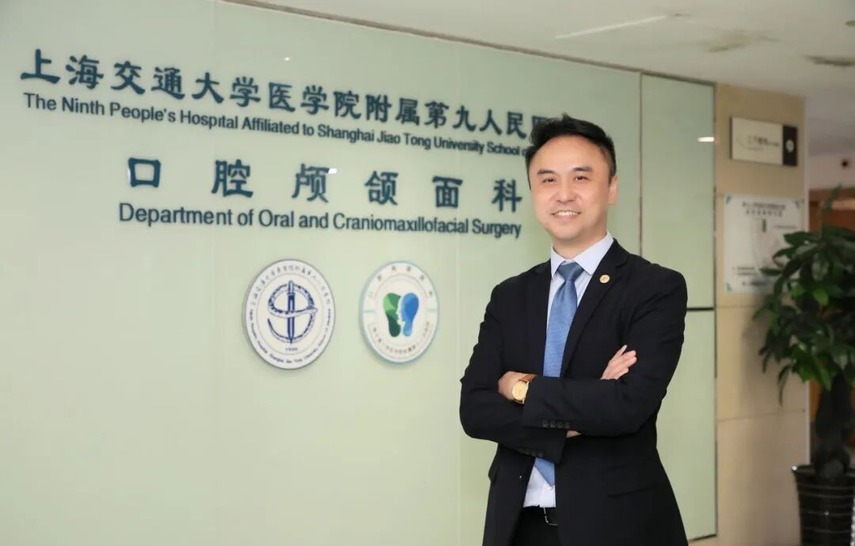
Dr. Wang Xudong | Craniomaxillofacial Surgery, and Years Written into Chapters
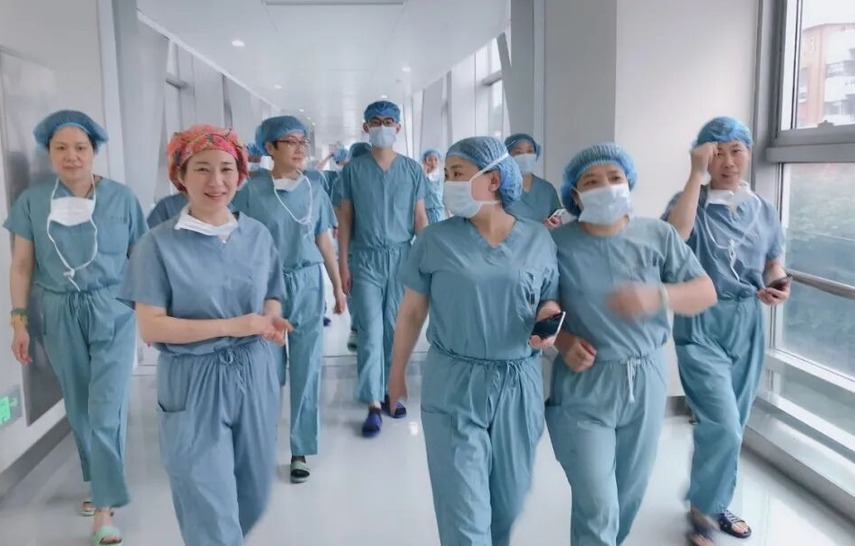
Wang Xiaoning | Operating Room Nursing, and a Grace Like the Orchid
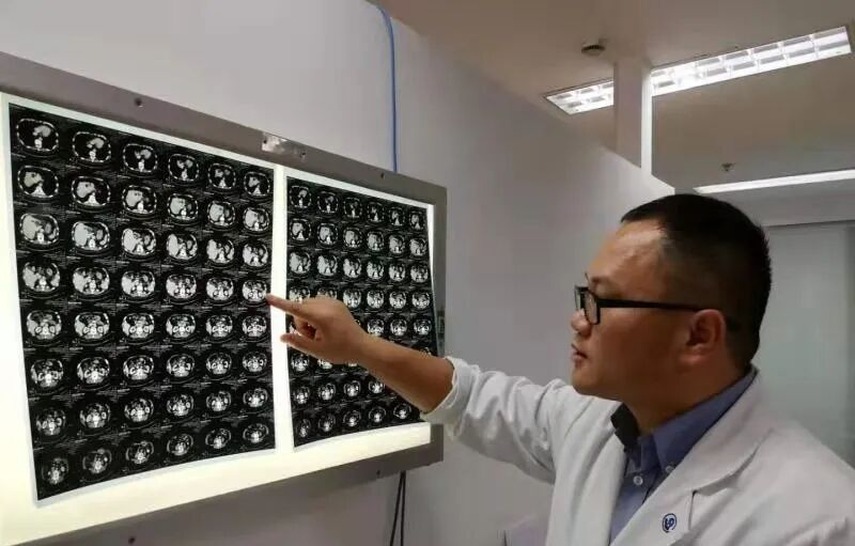
Dr. Li Guichao | Radiation Oncology, and a Peach Blossom Spring in the Heart
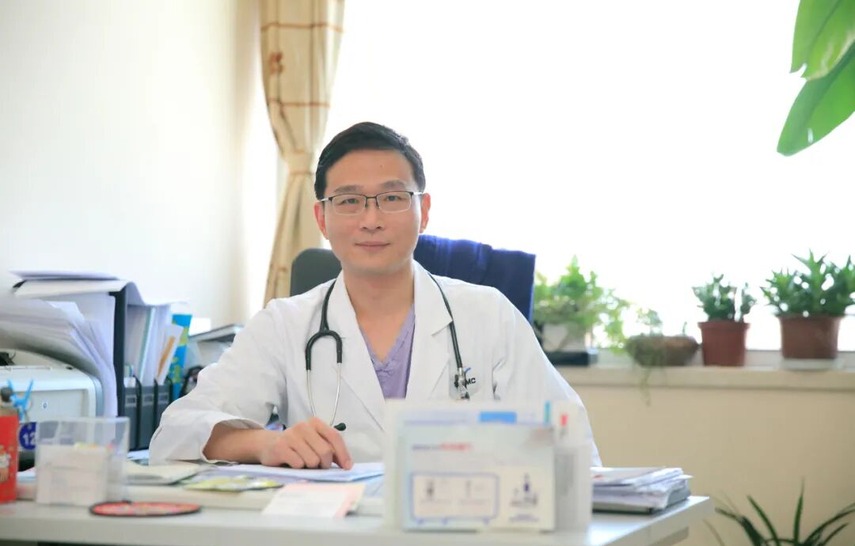
Dr. Lu Yanan | Pediatric Heart Surgery, and Feeling Another’s Pain as One’s Own
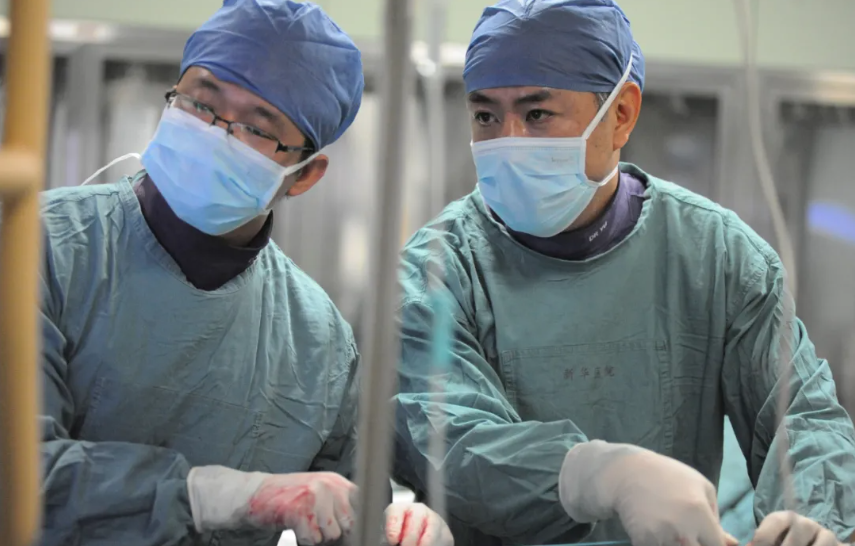
Dr. Chen Sun | Newborn Heart Intervention, and Staying Young Enough to Be Moved
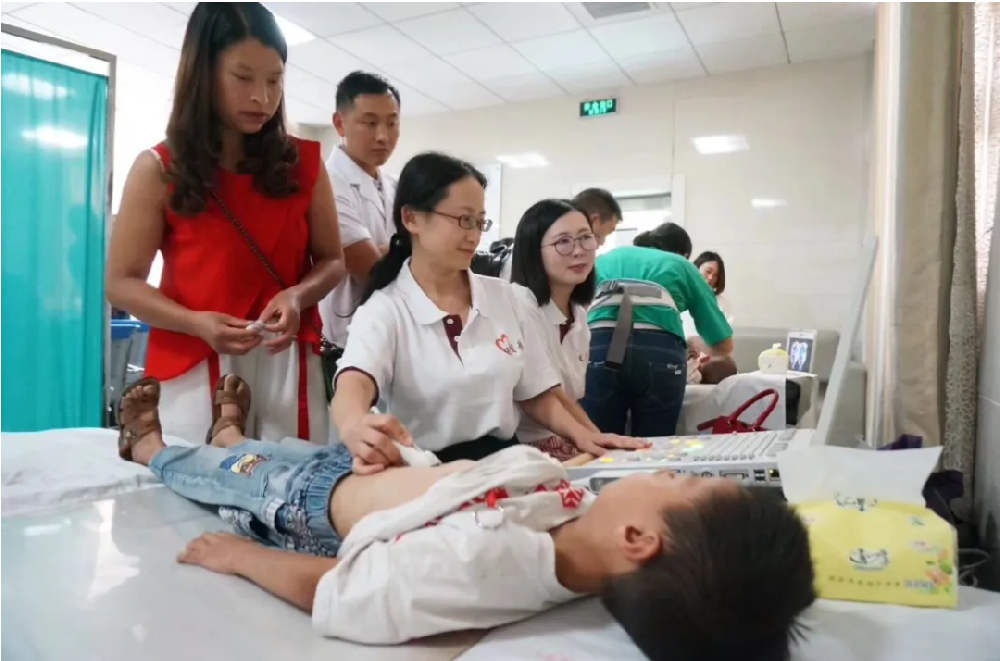
Dr. Wu Yurong | Fetal Echocardiography, and Kindness as Part of the Job
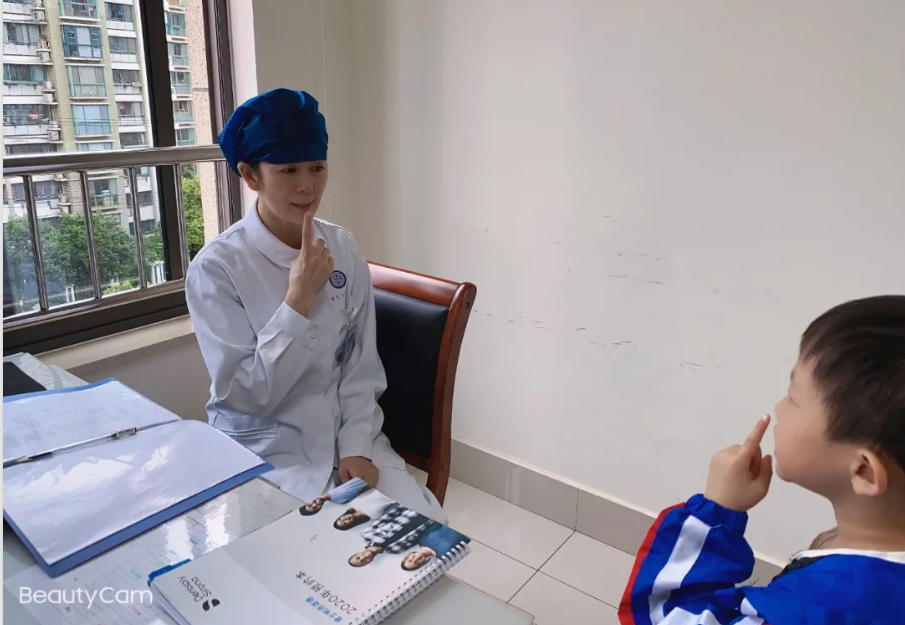
Jiang Liping | Speech Therapy, and the Lamp She Carries
Dr. Li Dawei | Sphincter-Saving Surgery, and the Operation That Fits the Patient
Dr. Zhang Jian | Laparoscopy, and the Hearth Fires of Ordinary Life
Dr.Sun Jing | Fertility-Sparing Surgery, and a Future Already Here
Copyright © 2023 Yewen Renyi & ShanghaiDoctor.cn (This website is a non - profit medical humanities platform. The information contained herein is solely for biographical and historical purposes and does not constitute any medical advice.) 沪ICP备2023005392号-2 XML 沪公网安备31010902100835号
 中文
中文 English
 Español
 沪公网安备31010902100835号