ShanghaiDoctor - Where China's Healing Wisdom Shapes Modern Medicine

Update time:2026-09-13Visits:31
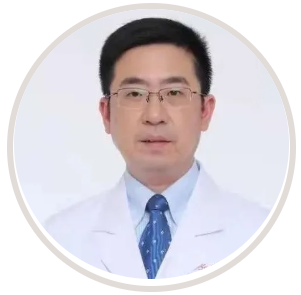
“There are no great people in the world—only ordinary people meeting enormous challenges.”
— Chen Tongyu
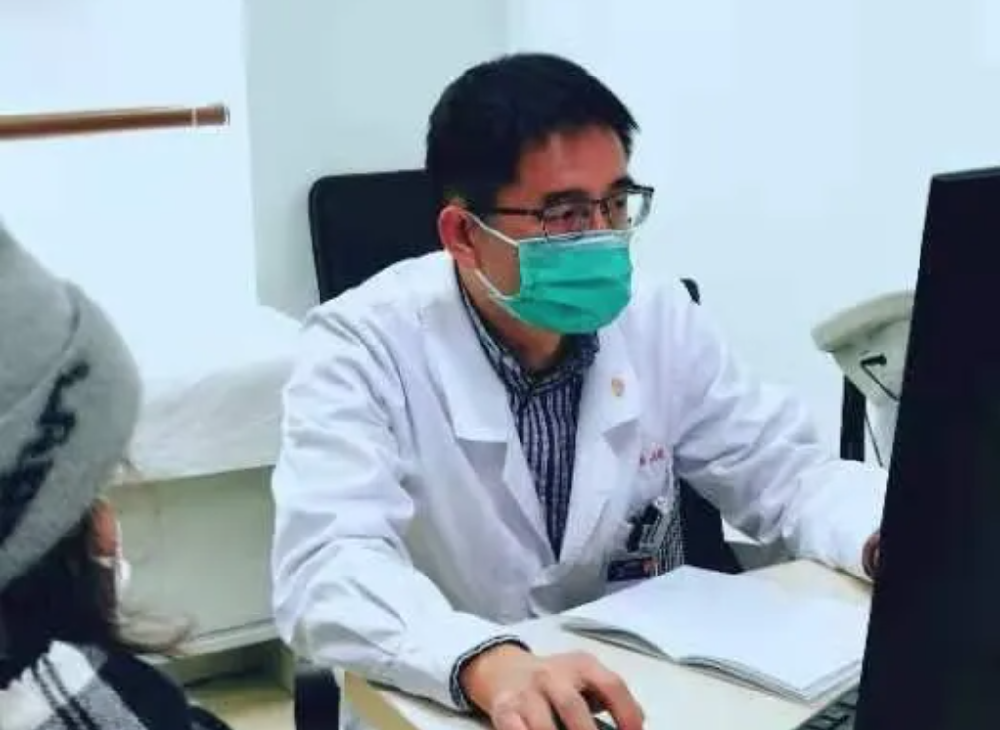
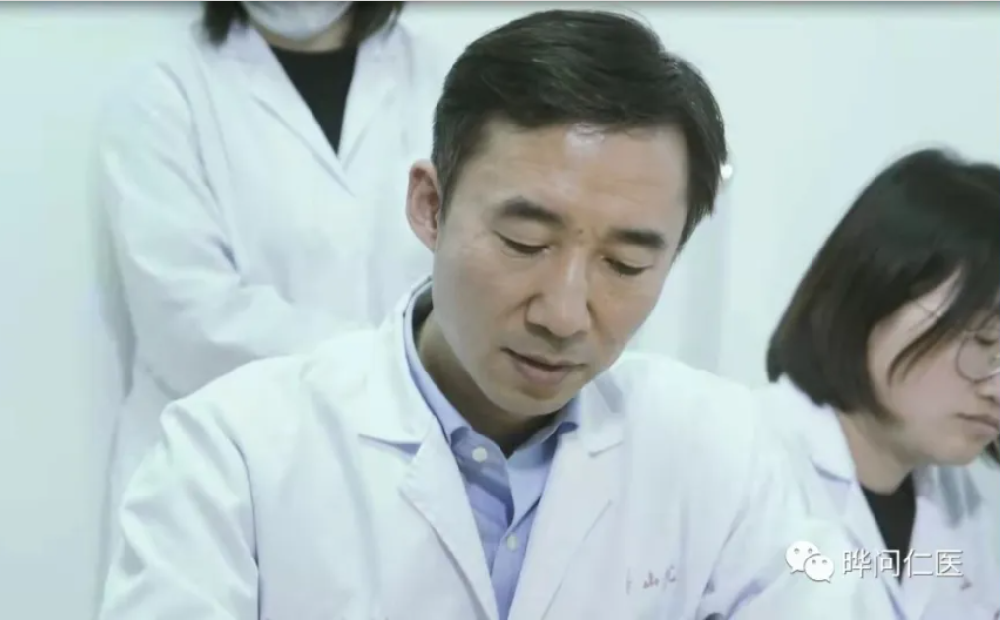
Chen Tongyu is Chief Physician, Associate Professor, and Doctoral Supervisor, and Director of Cardiothoracic Surgery at Yueyang Hospital of Integrated Traditional Chinese and Western Medicine, affiliated with Shanghai University of Traditional Chinese Medicine. Born in Shanghai in 1969, he is one of a relatively small group of surgeons in the city who regularly perform both general thoracic and adult cardiac operations, as well as selected vascular interventions.
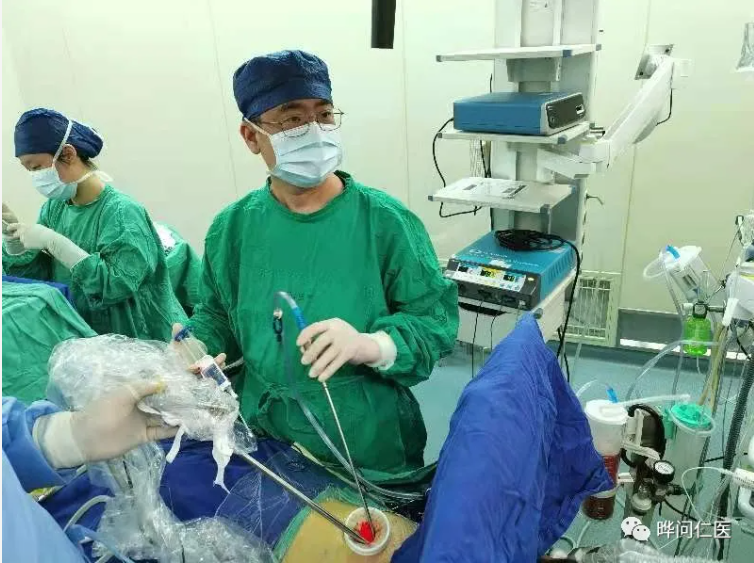
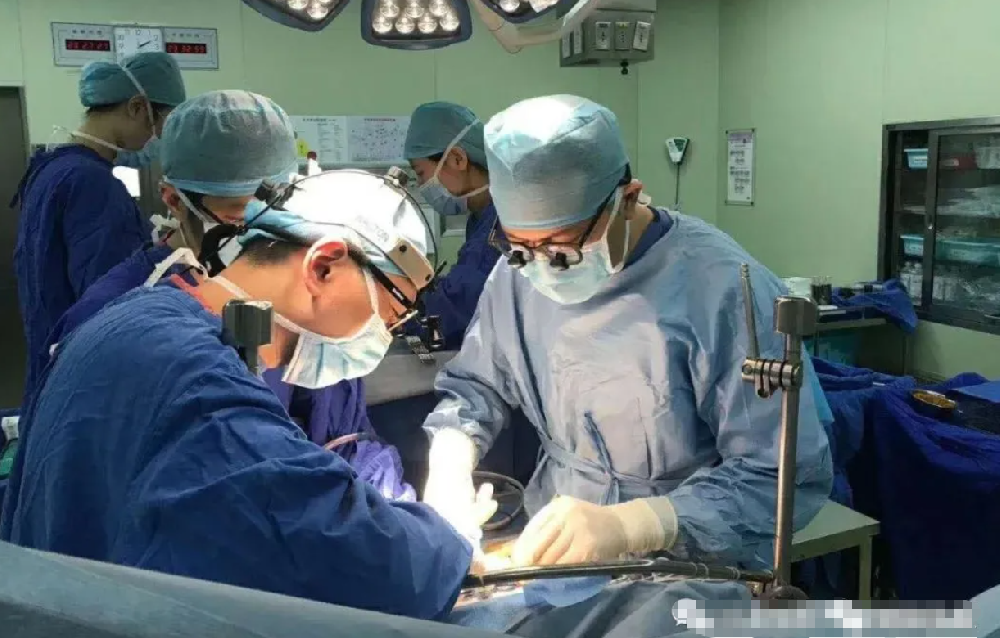
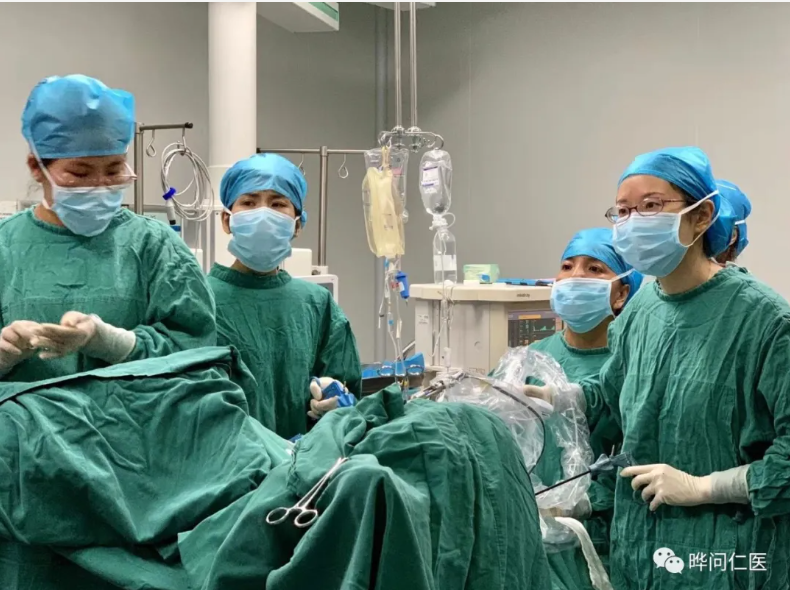
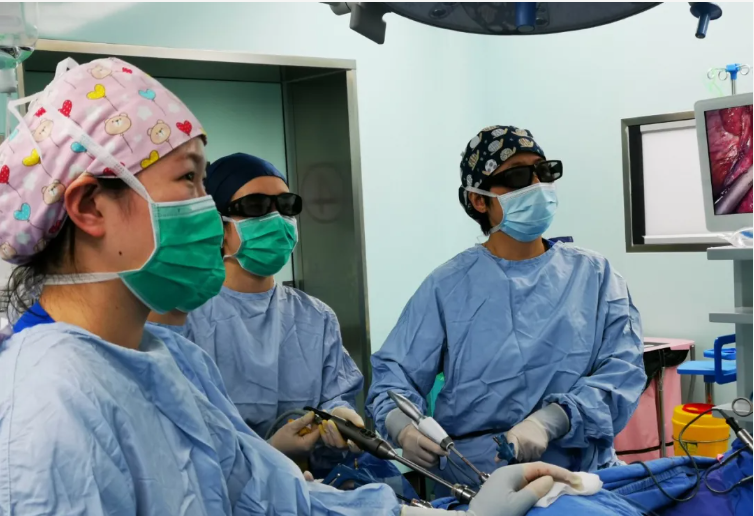
His operative range includes single-port thoracoscopic lobectomy and segmentectomy, endoscopic esophageal surgery, subxiphoid thymectomy, repair of hiatal hernia and pectus excavatum, coronary bypass, valve surgery, carotid endarterectomy, and endovascular aortic procedures. He is known in Shanghai for two techniques that sit slightly off the standard pathway: non-intubated thoracoscopic lung surgery, in which the patient breathes spontaneously under light sedation and regional anesthesia; and thoracic hyperthermic perfusion chemotherapy for malignant pleural effusion. He chairs the thoracic-surgery committee of the Shanghai Association of Integrated Chinese and Western Medicine and serves as secretary-general of the corresponding national physicians’ committee.
He leads a general program of the National Natural Science Foundation of China and has taken part in more than twenty national and municipal projects. In 2018 he was recruited to found Yueyang’s cardiothoracic department and its dedicated intensive-care unit. Brief study visits to the United States, Japan, and Korea are the only overseas chapters in a career otherwise spent in Shanghai hospitals.
His mother was an obstetrician-gynecologist. After high school he entered Shanghai Second Medical University in its final six-year undergraduate cohort and was placed in a small high-scoring class that also included international students. The teachers who left the deepest mark were figures already famous in Shanghai medicine—Wang Zhenyi among them. If Wang was to lead teaching rounds the next morning, he read every chart the night before, however late. On the ward he questioned students until they were ashamed of what they did not know. Chen still speaks of that rigor as a debt.
Through internship he carried a single book everywhere: the Manual of Internal Medicine issued by Shanghai Scientific and Technical Publishers, a compilation of clinical notes by the city’s senior physicians. He treated it as a conversation with people he could not always stand beside.
After graduation he was assigned to thoracic surgery at Shanghai Ninth People’s Hospital. The director, Fang Lide, had come from Ruijin Hospital, where he had assisted Zhang Shize on Asia’s first heart transplant in 1978. Chen was sent early to Ruijin for a general-surgery rotation—the old training model, still in force, insisted that a chest surgeon first learn the abdomen. Cardiothoracic work felt like the peak of surgery. It also felt familiar: the line from Ruijin to the Ninth was short.
In the late 1970s acupuncture anesthesia had a wide, and later much-debated, trial in Chinese operating rooms. Used alone it often failed to cover pain, muscle tone, and visceral traction. Combined acupuncture-drug anesthesia—needles with local, epidural, or light general anesthesia—became the more durable form. Chen learned the method at Renji Hospital under Professor Zhou Jia, who had stayed with the technique from its early years and was unwilling to abandon it. In 2005 they completed open-heart operations on bypass using the combined method, including mitral repair and closure of a ventricular septal defect. A BBC program later featured the mitral case. In 2007 Zhou took Chen with him to Shuguang Hospital, also affiliated with Shanghai University of Traditional Chinese Medicine, to keep the work alive outside a purely Western-medicine department.
Western readers should hear this as Chen himself now frames it: not a replacement for modern anesthesia, but a multimodal attempt to use fewer drugs, keep spontaneous breathing when it is safe, and ease recovery. He is frank that the mechanism is still the bottleneck. Until that is clearer, wider adoption will remain an argument rather than a settled standard. At Yueyang he spends a good deal of thought on practical details—stimulation frequency and intensity, and whether surface electrodes at acupoints might be easier for patients who fear needles to accept.
In 2010, under Zhou’s guidance, he received a municipal traditional-medicine grant to move the method into the postoperative period: less opioid, fewer anesthetic-related gut symptoms, a sequence closer to enhanced recovery. That grant, he says, was a leap—not because the idea was new, but because it asked the technique to prove itself after the incision was closed.
At Renji he also developed thoracic hyperthermic perfusion chemotherapy: warmed drug circulated through the pleural space under thoracoscopic control, using the fact that tumor cells tolerate heat less well than normal tissue. He lists four intended effects—direct heat injury to cancer cells, better penetration of certain drugs, mechanical washing of free cells, and fluid that can reach corners a drain may miss. He reports high rates of control for malignant pleural effusion in first-time treatment. Survival still depends on the underlying cancer; the honest claim is better comfort and a chance at the next line of therapy, not a cure.
The second departure from routine came in 2012. A high-school student with pneumothorax that would not resolve on drainage needed an operation weeks before the college-entrance examination. His parents feared that general anesthesia would blunt memory. After talking with them and with senior anesthesiologists, Chen performed a thoracoscopic bullectomy without an endotracheal tube: epidural anesthesia, a small amount of sedation, spontaneous breathing. He was among the first in Shanghai to publish the approach. Acupuncture was later added to the same pathway. A municipal science project by his team suggested that stimulation, via vagal pathways, might improve the ventilation-perfusion relationship of the operated lung and slow the drop in oxygen saturation—findings he treats as a research lead, not a finished law.
In 2018 Yueyang asked him to build a cardiothoracic service from almost nothing. The first two years felt, he says, like being a chief resident again, except that he slept at home. More than sixty “firsts” for the new department, weekend rounds that never quite stopped, literature in the leftover hours. The pressure was real. The sentence he reached for is the one that now sits in the title: there are no great people—only ordinary people facing enormous work.
ShanghaiDoctor.cn: From your perspective, what is integrated Chinese and Western medicine?
Chen Tongyu: It means each side should use its strengths and limit its weaknesses. Combined acupuncture and anesthetic drugs is a fairly typical example. Acupuncture can reduce the amount of anesthetic; anesthetics have side effects. When the two cover each other, you get more of the benefit and less of the harm.
ShanghaiDoctor.cn: If patients do not believe in acupuncture-assisted anesthesia, how do you gain their trust?
Chen Tongyu: In an integrated hospital, acceptance is a real problem. For now we can only do more operations, and do them well. Trust follows reputation. What we need most is to let patients try the method before the day of surgery—an anti-anxiety session, a chance to feel that it is not frightening and that it does something. During the operation the modern form is a step beyond the old combined method: light sleep, spontaneous breathing, no endotracheal tube, so the patient is comfortable and the surgeon can work. Afterward they can drink water at once and eat that evening. If they have lived through it, approval comes from the experience, not from a speech.
ShanghaiDoctor.cn: What is your focus now?
Chen Tongyu: The mechanism of acupuncture is still the bottleneck. Until that breaks, both clinical use and wider promotion will stay difficult. We have more than a dozen graduate students. Through the current grants I want to push that question even one step forward. That is the year’s main task.
ShanghaiDoctor.cn: As a department director, what is your management style?
Chen Tongyu: Follow President Zhou’s thinking: make the best use of each person. Give doctors more room in the fields they are good at. A stage needs many roles. Everyone can become the best version of themselves.
ShanghaiDoctor.cn: As a surgeon, what qualities does one need?
Chen Tongyu: First, responsibility. You must have the courage to take it. Especially as a surgeon, you cannot freeze or run when a patient is bleeding heavily. This is a human life. You stop the bleeding. You cannot be afraid; there is no way back. In cardiothoracic work the condition changes too fast for hesitation. Miss the window and the patient is gone. Second, carefulness. Before any operation you analyze the case and do the homework. Many preparations may not be needed, but they must be ready. Being responsible for the patient is also being responsible for yourself.
ShanghaiDoctor.cn: How do you view your own operations?
Chen Tongyu: I regard every operation as a piece of work I should try to make as close to right as I can. Success or failure, that is the duty. Seeing the patient leave the hospital in good order is the reward.
ShanghaiDoctor.cn: Do you ever feel anxious?
Chen Tongyu: These two years I have been rather anxious. I entered a completely new environment and have to lead a team forward. The first-in-department cardiothoracic operations I have done here number more than sixty. The pressure is great, but the work still has to be faced. There are no great people in the world—only the enormous challenges that ordinary people meet.
ShanghaiDoctor.cn: Do you still have time of your own?
Chen Tongyu: These two years have been like being a chief resident for the second time, except that I do not sleep in the hospital. One day each weekend I come for rounds. Spare time is mostly spent reading the literature.
ShanghaiDoctor.cn: If you were asked to give a class to medical students, what would you like to talk about?
Chen Tongyu: Hold fast to yourself and think independently. If you cannot change the environment, you can at least refuse to be dissolved by it. Every era has people who are not bought by fame, not bent by power, not swept along by fashion. For the young, what they finally have to face is themselves. You will have your own way of speaking with the world. You need not let outside weather wreck the inner one. That is what independence means.
From a six-year class that still remembered Wang Zhenyi’s night-before reading, through Ruijin rotations, Renji heart rooms, and a new department built in midlife, Chen Tongyu has kept two ideas in the same hand: a chest operation should be as light as it can safely be, and the person holding the instruments should not call himself great. Non-intubated thoracoscopy and warmed drug in the pleural space are techniques. The sentence he offers students is older than either of them. Face the difficulty. Keep your own mind. Let the patient walk out—if the work was done well enough, sometimes even walk back to the ward.
Editor: Chen Qing
If you need any help, please be free to let us know at Chenqing@ShanghaiDoctor.cn.
Dr. Chen Tongyu | Chest Surgery Without a Tube, and No Claim to Greatness
Dr. Yang Ji | A Dermatologist Who Measures the Years by Who Gets Better
Dr. Chen Gong | Children's Bile Ducts, and a Future He Chose Himself
Dr. Luo Zhiguo | An Oncologist Still Hoping for One More Reunion
Dr. Shi Hongcheng | Growing Nuclear Medicine from One Old Scanner
Dr. Huang Anhua | Still Glad to Stand Under the Gallbladder Lamp
Dr. Ding Ding | Kindness in the Room Where Endometriosis Is Cut Away
Dr. Wang Xuefei | Gastrointestinal Surgeon Advancing Care for Early-Onset Gastric Cancer
Dr. Chen Tongyu | Chest Surgery Without a Tube, and No Claim to Greatness
Dr. Yang Ji | A Dermatologist Who Measures the Years by Who Gets Better
Dr. Chen Gong | Children's Bile Ducts, and a Future He Chose Himself
Dr. Luo Zhiguo | An Oncologist Still Hoping for One More Reunion
Dr. Shi Hongcheng | Growing Nuclear Medicine from One Old Scanner
Dr. Li Wei | Loneliness in the Lab, Hope for Itchy Skin
Dr. Huang Anhua | Still Glad to Stand Under the Gallbladder Lamp
Dr. Ding Ding | Kindness in the Room Where Endometriosis Is Cut Away
Dr. Wang Xuefei | Gastrointestinal Surgeon Advancing Care for Early-Onset Gastric Cancer
Dr. Yi Xiaofang | Director of General Gynecology — Expertise in Endometriosis and Minimally Invasive Surgery
Copyright © 2023 Yewen Renyi & ShanghaiDoctor.cn (This website is a non - profit medical humanities platform. The information contained herein is solely for biographical and historical purposes and does not constitute any medical advice.) 沪ICP备2023005392号-2 XML 沪公网安备31010902100835号
 中文
中文 English
 Español
 沪公网安备31010902100835号