ShanghaiDoctor - Where China's Healing Wisdom Shapes Modern Medicine

Update time:2026-09-13Visits:35
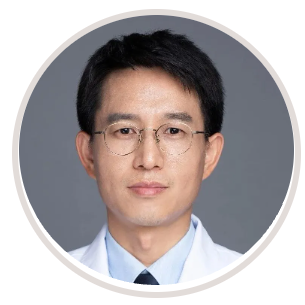
“The healing of patients is the best memorial to one’s years.”
— Yang Ji
Yang Ji is Chief Physician, Professor, Doctoral Supervisor, and Director of Dermatology at Zhongshan Hospital of Fudan University. He is also deputy director of Fudan’s Department of Dermatology and Venereology. Born in Dali, Yunnan, he treats autoimmune and inflammatory skin disease—vitiligo, psoriasis, eczema, lupus erythematosus, scleroderma, dermatomyositis—and the growing group of rashes caused by cancer targeted drugs and immune-checkpoint inhibitors.
He is a standing committee member of the Dermatologist Branch of the Chinese Medical Doctor Association and holds committee roles in skin rehabilitation and integrative dermatology in Shanghai. He reviews for BMJ and Cell Death & Disease. His group has published more than forty SCI papers, including work in BMJ and Arthritis & Rheumatism, and holds patents related to lupus treatment and a skin-hardness sensor. He has described uncommon dermatomyositis patterns, among them a seborrheic-dermatitis-like form and a pseudo-angioedema eruption whose clinical meaning the team has tried to clarify.
He has led three projects of the National Natural Science Foundation of China and several Shanghai grants. He was named to Shanghai’s outstanding young medical-talent program and to Fudan’s Zhuoxue track. There is no extended overseas fellowship in his training; the path runs from Chengdu University of Traditional Chinese Medicine to a Fudan doctorate under Professor Li Ming at Zhongshan.
The decision to study medicine was his parents’ as much as his: learn a skill, find respectable work. He left a small Yunnan county for Chengdu and spent five undergraduate years on the language of traditional medicine—yin and yang, qi and blood, cold and heat, deficiency and excess. Only in a master’s program in TCM surgery did dermatology become the subject. Research with his teachers gave him a theoretical base he still uses.
In 2006 he entered the doctoral program of Professor Li Ming in Zhongshan’s dermatology department. The department’s atmosphere mattered. Qin Wanzhang, a senior figure there, was already known in China for studying Tripterygium wilfordii in skin disease. Li Ming had trained in Western medicine yet kept a childhood grounding in herbs, formulas, and acupuncture. A student from a TCM school was not asked to forget that education; he was asked to meet the hospital’s standard. Yang felt he belonged.
The next three years were laboratory, library, dormitory. He knew journal layouts well enough to name a magazine from a glance at the page. Basketball with classmates was rare; nights in the stacks ran to eleven or twelve. On visits home his hair was long, his color poor, his frame thin. Family barely knew him. He had hardly seen the Bund. Shanghai, for him, was Zhongshan Hospital. He does not call those years a waste. They became papers, patents, and a habit of looking until a pattern appeared.
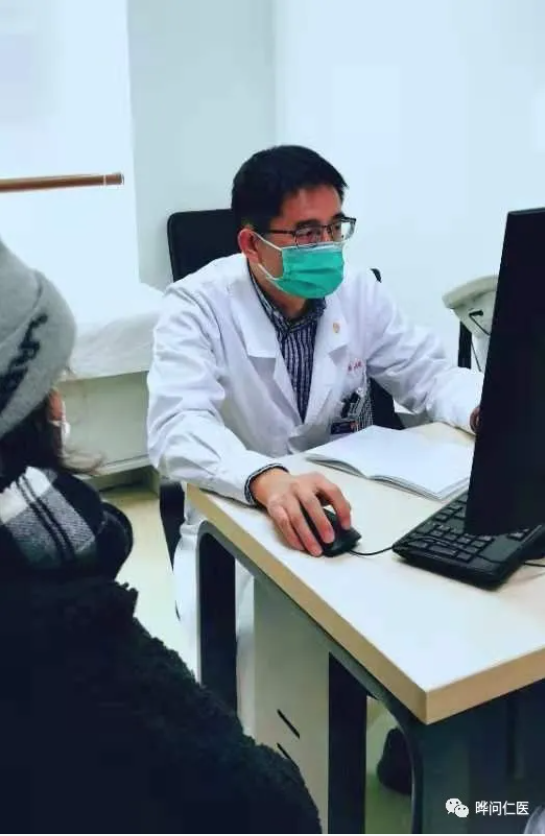
Dermatology, he says, is accumulation. There are more than two thousand named skin diseases. Most clinic days are common ones; some common ones still have no cure—psoriasis among them, still treated mainly as a chronic condition to be controlled. He has carried a camera for a decade. Difficult rashes are photographed, filed, and stared at later, when the waiting room is empty.
A mild rash that killed a patient within a month stayed with him. Years afterward the picture resolved as an uncommon form of dermatomyositis. The lesson was not mystical. It was: write it down. The thirteen cases of that pattern did not arrive together; they were noticed one by one because someone kept the first one in mind. He tells younger doctors that if you can name a rash at a glance you have probably seen it before; if you cannot name it in the first look, ten more minutes of staring may not help. Compassion, he adds, is not separate from that eye. You have to stand where the patient stands.
The expert clinic, after his deputy-senior title in 2013, brought harder cases and a clearer sense of accomplishment when a diagnosis held and the disease quieted. Cancer drugs complicated the picture. Targeted agents that control a tumor can open the skin into widespread ulcers. PD-1 inhibitors can produce dermatomyositis that looks, at first, like ordinary itch or ordinary swelling. One woman of sixty seemed to have urticaria that would not clear and still felt infiltrated under the finger; biopsy showed cutaneous lymphoma. A patient with rash and severe facial swelling was a lung-cancer patient on a checkpoint inhibitor. A woman in her forties came in with an itchy neck that looked like lichen simplex; one extra question—other sites, other illnesses—showed the same drug-induced myositis on the back and hands. He had almost written the ordinary prescription.
Zhongshan’s department keeps Western diagnostics—mycology, pathology, immunology, phototherapy, lasers—and a line of hospital-made herbal preparations that many centers have dropped. Yang’s own morning is a pot of Pu’er, a habit from Yunnan, and sometimes a run of eight or nine kilometers at five o’clock, when the air is sharp enough to clear the head. He thinks then of terraced fields he did not value enough as a boy. Then the door opens, and the day’s voices come in.
ShanghaiDoctor.cn: Besides accumulation, what else must one possess to be a good dermatologist?
Yang Ji: One must also be mindful. Sometimes the illness is severe, complex, and fast, and you do not recognize it. Then you record it and keep it. The uncommon dermatomyositis we found—those thirteen cases—arrived one by one because someone remembered the first. I often tell young doctors: if you can distinguish a rash at first glance, you have basically recognized it; if you cannot, another ten minutes may not save you. The sentence sounds intuitive, but there is a reason in it. And every doctor needs compassion—the habit of standing in the patient’s place.
ShanghaiDoctor.cn: Dermatologists need an eye for what sits behind the surface. Could you share a few cases?
Yang Ji: A sixty-year-old woman looked like urticaria, but medication had not cleared it and the skin still felt infiltrated. I did not think it was ordinary hive disease. Biopsy is invasive; you have to convince yourself before you convince the patient. She agreed. It was cutaneous lymphoma. The skin was reporting an internal disease.
Yang Ji: Another patient came with a rash and severe facial swelling. The distribution was familiar, the severity was not. It was dermatomyositis, but not the common kind. The history showed lung cancer treated with a PD-1 inhibitor. Steroids, immunoglobulin, and an immunosuppressant settled the eruption in two weeks.
Yang Ji: Not long ago a woman in her forties complained of an itchy neck. One glance said lichen simplex. I almost wrote the script. I asked whether other places itched and whether she had other illnesses. She was also a cancer patient on a PD-1 inhibitor; the back and hands itched too. It was the same drug-induced dermatomyositis. One more question kept me from the wrong prescription. The truth is often only a thought away.
ShanghaiDoctor.cn: Some patients with chronic skin disease become withdrawn. How do you speak to them?
Yang Ji: Psoriasis and vitiligo often bring anxiety, sometimes depression. I try to sit with that and not rush the prescription. The visible disease is also a social one. You treat the skin and you treat the person who has to walk out with it.
ShanghaiDoctor.cn: What does the department actually do?
Yang Ji: Zhongshan dermatology has outpatient and inpatient services and laboratories for mycology, pathology, and immunology, plus lasers, cryotherapy, phototherapy, and minor surgery. We keep a Western diagnostic base and an integrative line for stubborn disease. Hospital-made preparations—among them Huoxue Mixture and Wuling Syrup—are still used here, though many hospitals have stopped making them. Patients find them tolerable. The common work is eczema, urticaria, psoriasis, acne, vitiligo, and rashes from cancer drugs. The deeper work is connective-tissue disease: lupus, scleroderma, dermatomyositis. Vitiligo has come back into focus because it is immune-related and because combined approaches still have something to offer.
ShanghaiDoctor.cn: What strengths led to your appointment as director? Is management hard?
Yang Ji: I think I work steadily and can be trusted; that matters most. I also try not to drop any of the three legs—clinic, teaching, research—so I look reasonably rounded. We have seventeen physicians, many of them my teachers and senior colleagues. People do their own work; when something needs coordinating I step in. Fairness matters. You follow the rules you ask others to follow. The new clinic for skin disease caused by cancer drugs is simply a response to demand. Those patients need somewhere to go that understands both the rash and the cancer treatment.
ShanghaiDoctor.cn: What pressures do you face?
Yang Ji: First, that patients get good treatment and a decent experience. Second, the pipeline of younger colleagues and the long work of building a discipline. That is accumulation too. I hope more young people will come, and that we stay a group rather than a collection of separate rooms.
A pot of Pu’er, a camera full of rashes no one else wants to look at, a run before dawn, and a department that still keeps both a biopsy knife and a hospital decoction: Yang Ji’s memorial to the years is not a monument. It is a patient who leaves with a name for the eruption and a plan that does not make the rest of life impossible. The skin, in his clinic, is never only the skin. Sometimes it is lymphoma. Sometimes it is a cancer drug doing what it was designed to do to the immune system. Sometimes it is only itch, and the work is to say so without missing the case that is not.
Editor: Chen Qing
If you need any help from Dr. Yang, please email us at Chenqing@ShanghaiDoctor.cn.
Dr. Chen Tongyu | Chest Surgery Without a Tube, and No Claim to Greatness
Dr. Yang Ji | A Dermatologist Who Measures the Years by Who Gets Better
Dr. Chen Gong | Children's Bile Ducts, and a Future He Chose Himself
Dr. Luo Zhiguo | An Oncologist Still Hoping for One More Reunion
Dr. Shi Hongcheng | Growing Nuclear Medicine from One Old Scanner
Dr. Huang Anhua | Still Glad to Stand Under the Gallbladder Lamp
Dr. Ding Ding | Kindness in the Room Where Endometriosis Is Cut Away
Dr. Wang Xuefei | Gastrointestinal Surgeon Advancing Care for Early-Onset Gastric Cancer
Dr. Chen Tongyu | Chest Surgery Without a Tube, and No Claim to Greatness
Dr. Yang Ji | A Dermatologist Who Measures the Years by Who Gets Better
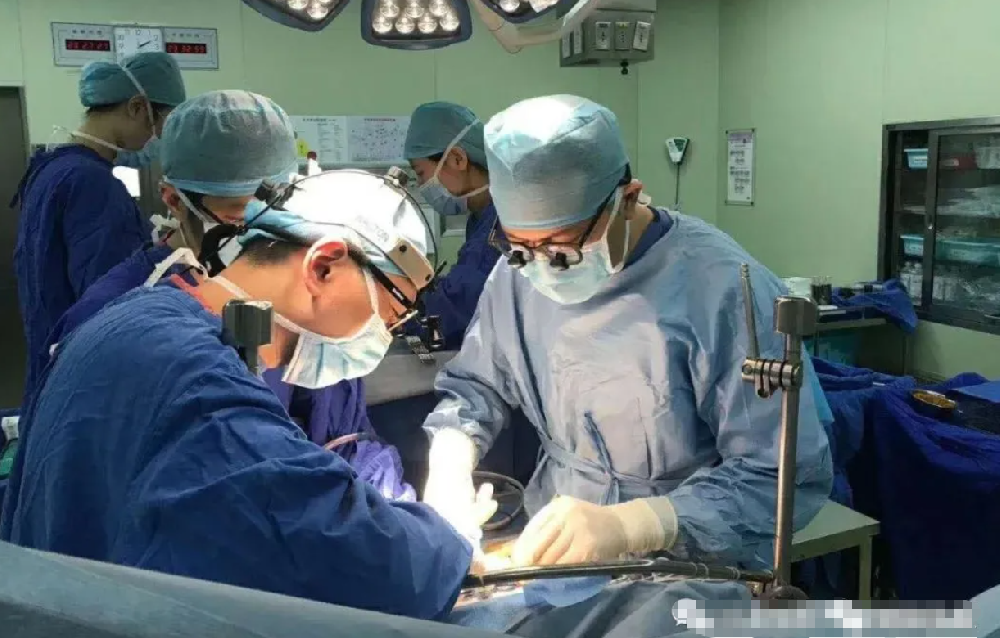
Dr. Chen Gong | Children's Bile Ducts, and a Future He Chose Himself
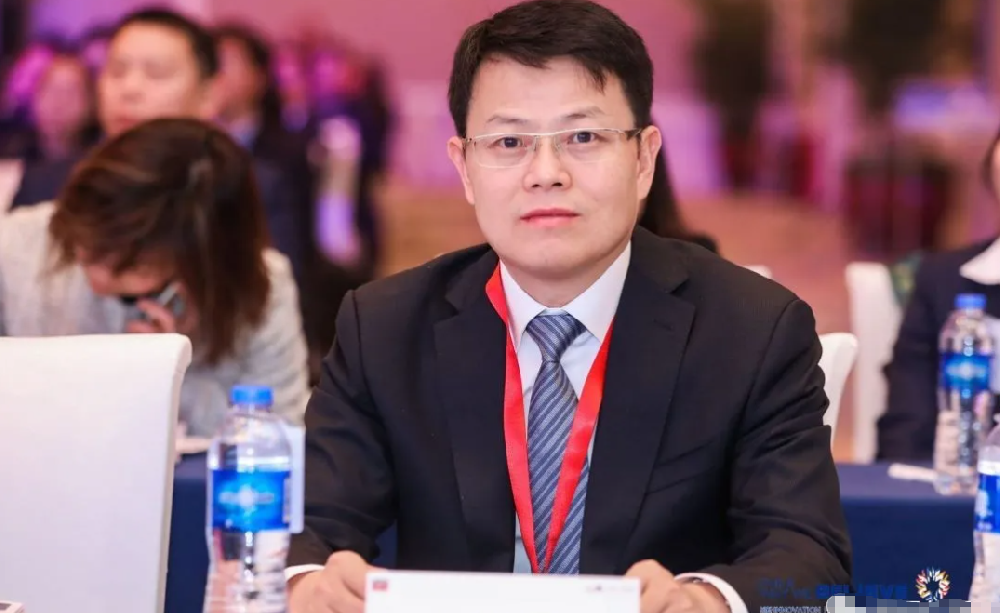
Dr. Luo Zhiguo | An Oncologist Still Hoping for One More Reunion

Dr. Shi Hongcheng | Growing Nuclear Medicine from One Old Scanner
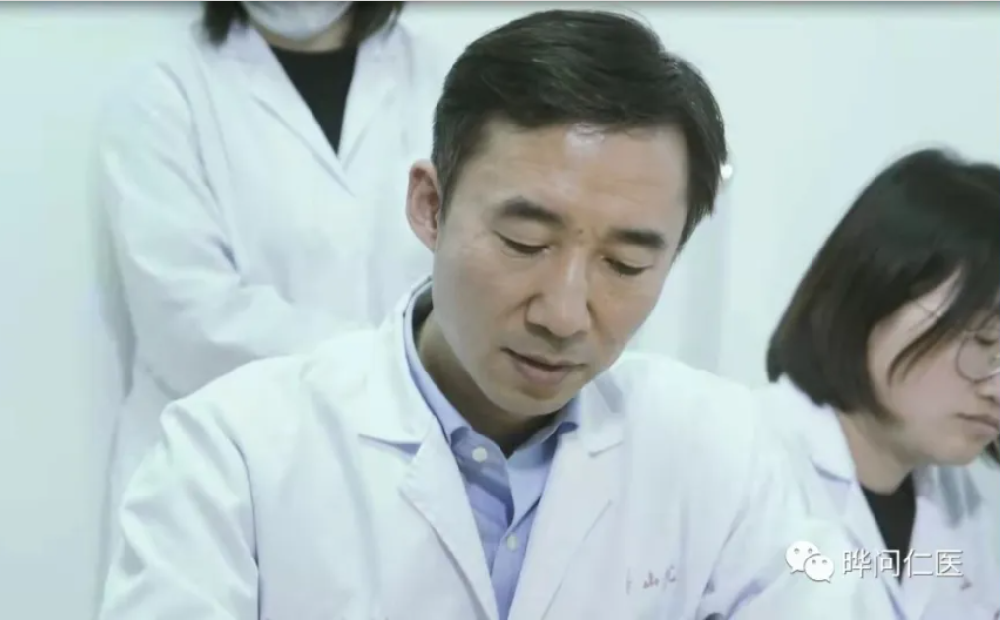
Dr. Li Wei | Loneliness in the Lab, Hope for Itchy Skin
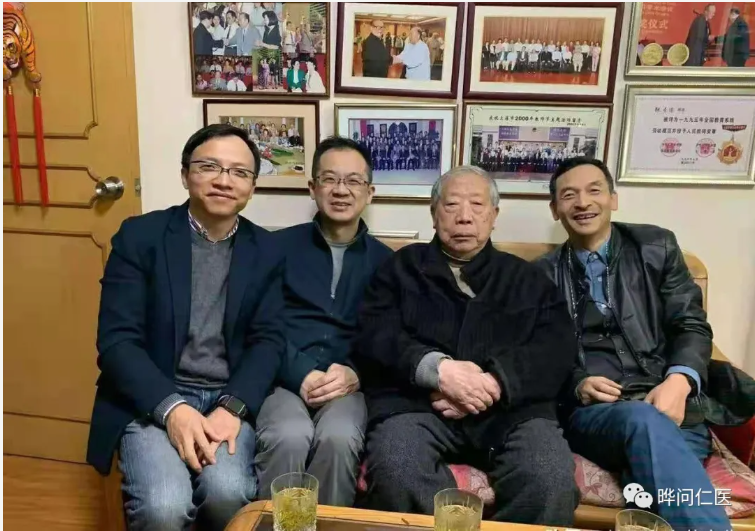
Dr. Huang Anhua | Still Glad to Stand Under the Gallbladder Lamp
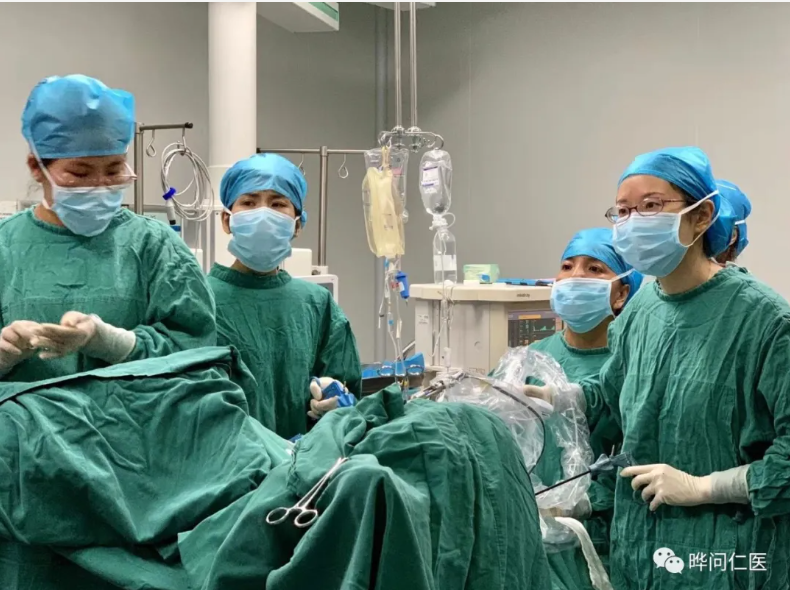
Dr. Ding Ding | Kindness in the Room Where Endometriosis Is Cut Away
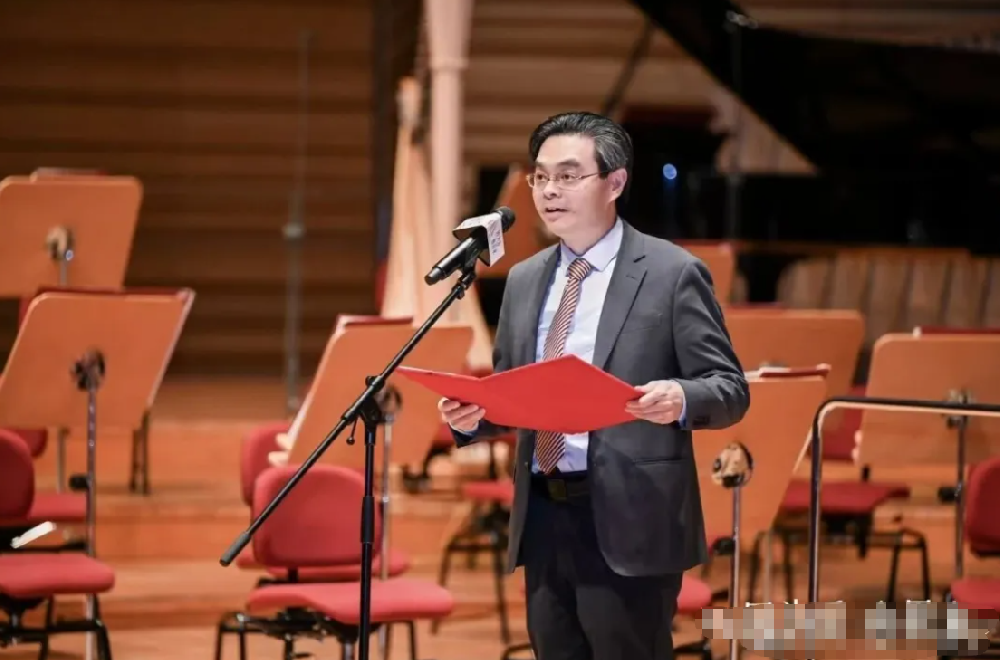
Dr. Wang Xuefei | Gastrointestinal Surgeon Advancing Care for Early-Onset Gastric Cancer
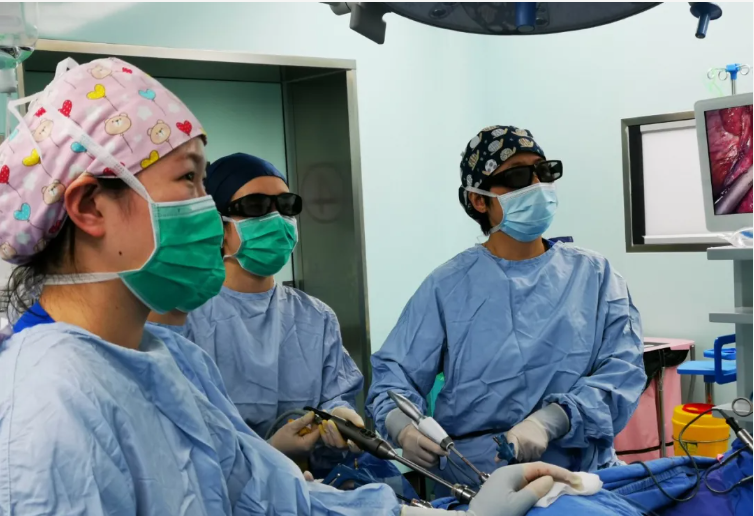
Dr. Yi Xiaofang | Director of General Gynecology — Expertise in Endometriosis and Minimally Invasive Surgery
Copyright © 2023 Yewen Renyi & ShanghaiDoctor.cn (This website is a non - profit medical humanities platform. The information contained herein is solely for biographical and historical purposes and does not constitute any medical advice.) 沪ICP备2023005392号-2 XML 沪公网安备31010902100835号
 中文
中文 English
 Español
 沪公网安备31010902100835号