ShanghaiDoctor - Where China's Healing Wisdom Shapes Modern Medicine

Update time:2026-09-14Visits:30
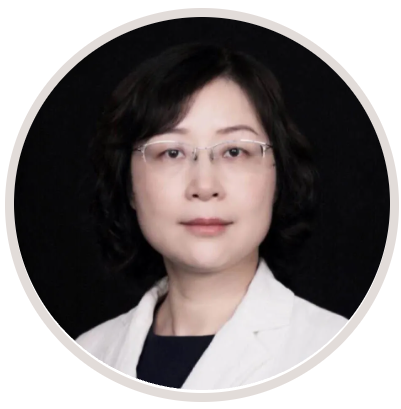
“The oath is silent. I do not regret the choice.”
— Shen Chun
Shen Chun is Chief Physician, Doctoral Supervisor, and Director of Neonatal Surgery at the Children’s Hospital of Fudan University. Born in Shanghai in 1974, she treats the structural emergencies of the first days of life: necrotizing enterocolitis, intestinal atresia, meconium peritonitis, malrotation, annular pancreas, Hirschsprung disease, anorectal malformation, esophageal and pyloric disease, omphalocele and gastroschisis, congenital diaphragmatic hernia, biliary anomalies, lymphangioma, and sacrococcygeal teratoma. She also spends a large part of her week in prenatal counseling—helping families decide, before birth, what can be repaired after it.
She sits on the Pediatric Surgery Branch of the Chinese Medical Association and is vice-chair of the surgical committee of the Neonatology Branch of the Chinese Medical Doctor Association. She has led two National Natural Science Foundation projects and several Shanghai grants, published more than forty papers as first or corresponding author, and co-edited Neonatal Clinical Decision-Making. In 2018 she was named a National Famous Doctor—Young Rising Star. A half-year at B.C. Children’s Hospital in Vancouver in 2005, and a short stay at the fetal center of Children’s Hospital of Philadelphia in 2010, are the only overseas chapters; after Vancouver she was more certain that neonatal surgery was the work.
Her parents used to say it would be good if someone in the family practiced medicine, if only to help the household. She liked the idea of a popular profession and, more than that, the crisp decisions of an operating room. She applied to Shanghai Medical University. That year basic medicine, closed for a decade, reopened. Curiosity won. She entered the laboratory track and, almost at once, regretted the table she would not stand at.
The first four years were the same as for clinical students. Then her father died of liver disease. The blow settled into a sentence: if she was going to be a doctor, she would be the kind who might have saved a man like him. In 1997 she sat the graduate exam and left the bench. She had interned at Huashan and thought of adult hepatobiliary surgery. An internship supervisor—whose own mother had been a pediatric surgeon—told her that children’s surgery asked less raw strength and more of the steadiness a woman might bring. She took the advice. It became the career.
The master’s place was under Zheng Shan at Fudan’s Children’s Hospital, a leading surgeon in pediatric digestive and neonatal malformations. Zheng once let slip that she would have preferred a male student. Shen clenched her teeth and stayed. When the doctorate opened, Zheng asked whether she wanted to switch to anesthesia or ultrasound. She refused. Zheng’s reply was not soft: surgery is a hard contest; if you choose it, you carry what comes. After the doctorate, Zheng stood in the room for a few of Shen’s first cases as lead, then stopped coming. Neonatal work, Shen says, is thin ice. Infants cannot describe what is wrong. As a resident and chief resident she lived in the neonatal room when she was not operating—orders, notes, sometimes a bottle or a monitor reading—because that is how a change announces itself before it becomes a crisis. Zheng later told her the temperament fit the field. She took that as the real passing of the knife.
She is not a fast surgeon. She is a paced one. Preoperative judgment and postoperative care, she insists, decide as much as the incision. The list has grown heavier: premature and extremely low-birth-weight guts, reoperations after many prior operations, combined malformations, giant sacrococcygeal teratomas, the separation of conjoined twins.
A couple working in Guangxi had no prenatal visits. They delivered two boys joined at pelvis, bladder, bowel, and anus. The mother fainted. At nearly a month of age the infants reached Shanghai. Surgery, urology, neurology, and orthopedics planned together; 3-D models were printed; simulated cuts were walked through. Shen carried much of the preoperative map and the recovery. Connected organs do not divide fairly. The team tried to leave each child with a life that could be lived. The operation ran from 8:30 in the morning to 6:00 in the evening, services taking turns. It worked. Reality then presented the bill: the first separation cost about 100,000 yuan, with urethral repair and training still to come, four or five admissions in all. Shen called foundations and raised more than 400,000 yuan. The boys are five or six now, lively. Scars remain as a private history.
Another pair, found prenatally in Shandong, had joined livers; one twin had cyanotic complex heart disease. The first plan was to wait two or three months. The cardiac twin’s circulation was starving the other’s kidneys. Separation had to come early. Cardiologists said: separate first; if the heart held, repair it later; if it did not, go on bypass in the same room. After anesthesia, while the infants were being positioned, the cardiac twin’s oxygen saturation fell to 40 percent. Volume, pressors, a new discussion under the lights. Hope of saving both dropped, in the room’s own arithmetic, from something like eighty percent to fifty. The family understood and still trusted them. Speed, no wasted blood, anesthesia that could not run long. After separation the saturation held at 75 percent or better. A week later the heart was repaired. A month later both children went home. The hospital has done more than ten conjoined separations of various extents; Shen has been in almost all of them.
Not every story is twins. A couple lost a first child to respiratory failure at twenty-four hours, a second at one week, both after polyhydramnios. The third pregnancy looked the same. Prenatal genetics and fetal MRI showed micrognathia—the jaw too small to swallow amniotic fluid or, later, air. The third infant was intubated at birth, the jaw reconstructed at two weeks, and sent home after a month. The child now keeps pace with peers. Shen is glad that better diagnosis and a changed climate around termination have left more of these families with a living child instead of a closed file.
ShanghaiDoctor.cn: After so many years, what has changed about you?
Shen Chun: Temper and manner. I was more of a tomboy when I was young. Basic skill is the foundation. Neonatal surgery also needs patience and compassion. Newborns cannot speak. You have to be responsible enough to notice what they cannot say, and confident enough when you talk to parents that they can hand the child over. Hesitation makes them hesitate. Boasting is no better. When confidence is warranted, give it; when the risk is real, say so.
ShanghaiDoctor.cn: Do you remember the first operation you led?
Shen Chun: It was a doctoral practical assessment—an open pyloromyotomy, thirty-odd minutes, five or six seniors watching. I was nervous at the sink. Once the knife was down I was only with the infant. The teacher’s note was good. The child recovered well.
ShanghaiDoctor.cn: What do you do when parents want to give up?
Shen Chun: If the outlook is good, we try to keep them from stopping, and if money is the reason we help them find funds. If the disease is complex, they hesitate for reasons I understand. I will not use moral pressure. Moral language is cheap beside a real bill and a real risk. If they choose treatment and trust us, we use everything we have.
ShanghaiDoctor.cn: As a neonatal surgeon, do you feel you are walking on ice?
Shen Chun: As a resident it was easier—the attending was there. When I first led a team it was sharpest. Off duty I would call the ward at night. It is better now: more experience, a stronger group. I can travel and leave cases with them. If the infant is under a kilogram or a kilogram and a half, I still scrub. Those operations need a light hand and a short clock.
ShanghaiDoctor.cn: What marks your surgery?
Shen Chun: Care and precision. Most of my patients are newborns with congenital structure gone wrong. A rebuilt structure does not guarantee function, but without structure there is no function to discuss. You reconstruct, you protect what still works, and you fight for function afterward. An infant born without an anus needs an opening that looks right and also holds and passes stool. A tumor at the anus must come out clean without destroying the muscle that remains. That is when we put the loupes on.
ShanghaiDoctor.cn: Do you ever think you chose the wrong field?
Shen Chun: I know it is hard. I have not regretted it. I am still grateful to the teacher who pointed me here.
ShanghaiDoctor.cn: Did you study abroad?
Shen Chun: Half a year of pediatric surgery at B.C. Children’s Hospital in Vancouver in 2005, and a short period at the fetal center of Children’s Hospital of Philadelphia in 2010. After Canada I was more certain that neonatal surgery was the work I wanted.
ShanghaiDoctor.cn: Do families come back?
Shen Chun: Yes. The happiness is not the thanks. It is the child growing in someone’s arms. Banners, letters, flowers; some parents want a hug or a photograph. They say they will tell the child, this is the doctor who operated. Holding the child I often cannot keep the tears back.
ShanghaiDoctor.cn: When you care for other people’s children, is there time for your own?
Shen Chun: My husband is a radiologist. When we were dating I told him I wanted to be a good doctor, which might mean I would not be a textbook wife and mother. He said being a good doctor was already enough. He has carried more of the house. We have two boys. After they were three or four he taught them football and chess. At home I have less to run.
ShanghaiDoctor.cn: Do you have time of your own now?
Shen Chun: More than before. Clinic, teaching, and students still run long; I often get home after seven. The team is stronger, so some hours have come back.
ShanghaiDoctor.cn: A gift for yourself?
Shen Chun: Nothing large that I lack. I bought a new car, mostly so the drive to work and to other hospitals is safer. The old one had been on the road more than ten years and kept breaking down.
ShanghaiDoctor.cn: Are you satisfied with this year?
Shen Chun: Fairly. The pandemic thinned the operating list, which left time to read and to sort research. I was named a doctoral supervisor. That was the year’s gain.
ShanghaiDoctor.cn: If you went back to medical school to teach one class, what would you say?
Shen Chun: How I came to the work: from a family suggestion, to accepting it, to liking it, and how to be a doctor who does the duty. The oath is silent. I do not regret the choice. If you like the work you can stay with it, but only step by step. A year or two may show nothing. A few years more will.
Neonatal surgery is a specialty that works on patients who will never testify to the morning’s operation. Shen Chun’s vow, as she names it, makes no speech. It is a night call to the ward, a pair of loupes over an anus that must both look right and hold, a foundation called so two boys can walk to school, a refusal to shame a family that cannot pay. The table is still the place she wanted when she was a student who had signed up for the wrong department. The difference is that she now knows how thin the ice is, and she stays on it anyway.
Dr. Chen Tongyu | Chest Surgery Without a Tube, and No Claim to Greatness
Dr. Hua Xiaolin | High-Risk Obstetrics, and a Child Worth Keeping
Dr. Shen Chun | Neonatal Surgery, and a Vow That Makes No Speech
Dr. Yang Ji | A Dermatologist Who Measures the Years by Who Gets Better
Dr. Chen Gong | Children's Bile Ducts, and a Future He Chose Himself
Dr. Luo Zhiguo | An Oncologist Still Hoping for One More Reunion
Dr. Shi Hongcheng | Growing Nuclear Medicine from One Old Scanner
Dr. Huang Anhua | Still Glad to Stand Under the Gallbladder Lamp
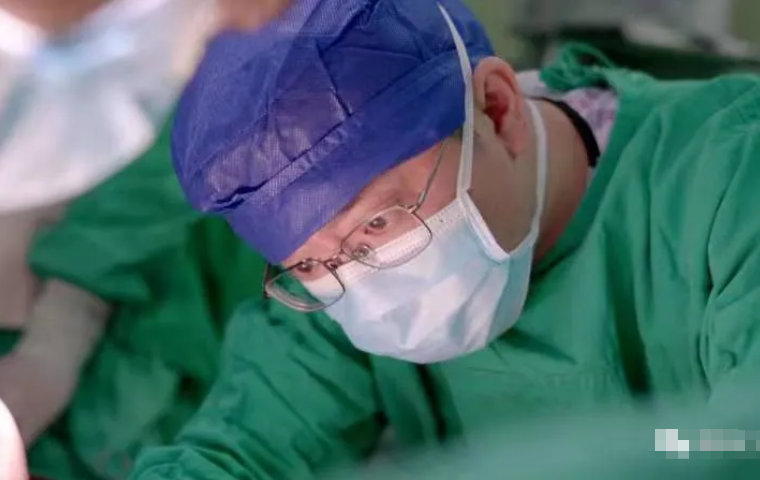
Dr. Chen Tongyu | Chest Surgery Without a Tube, and No Claim to Greatness
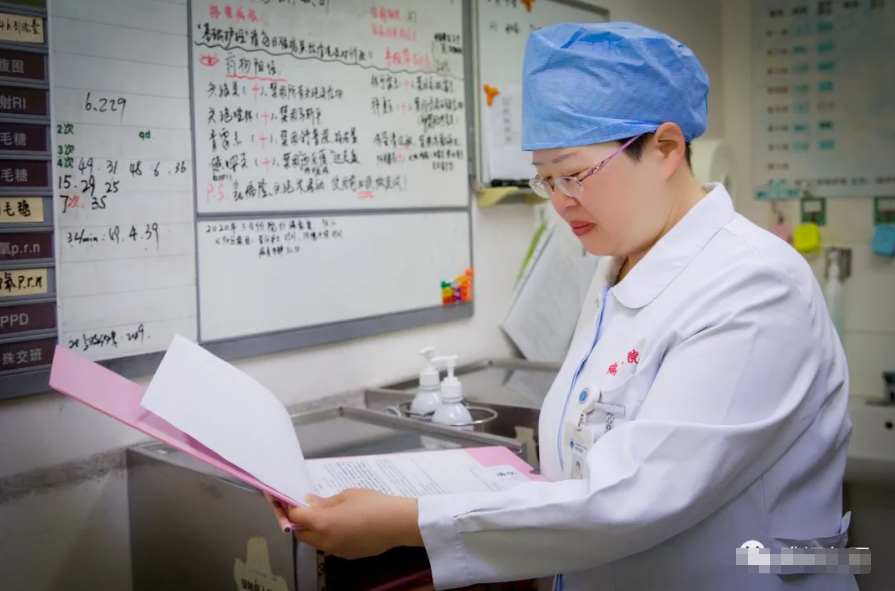
Cui Jie | An Infectious-Disease Nurse Who Kept Walking In
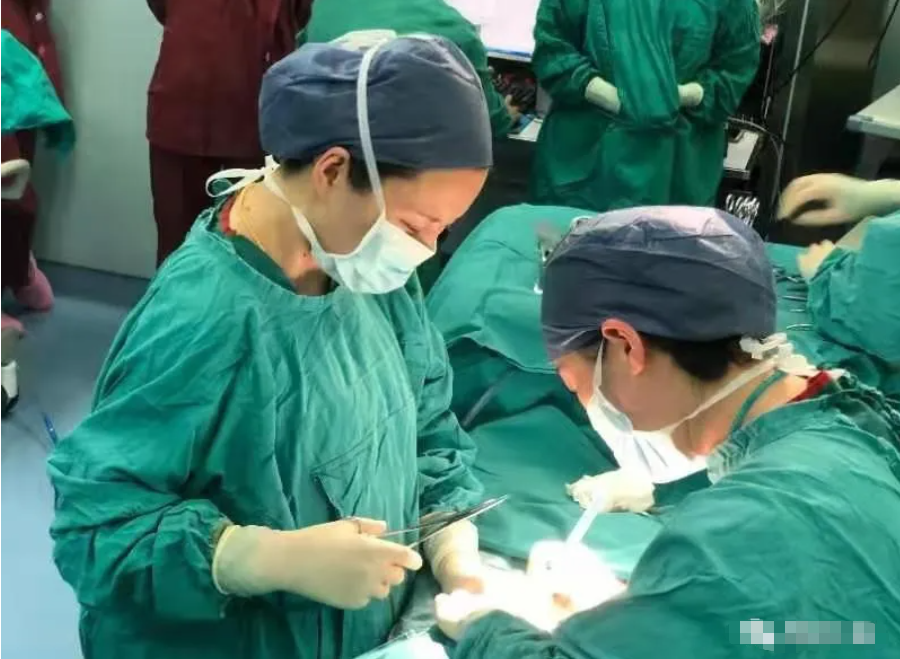
Dr. Hua Xiaolin | High-Risk Obstetrics, and a Child Worth Keeping
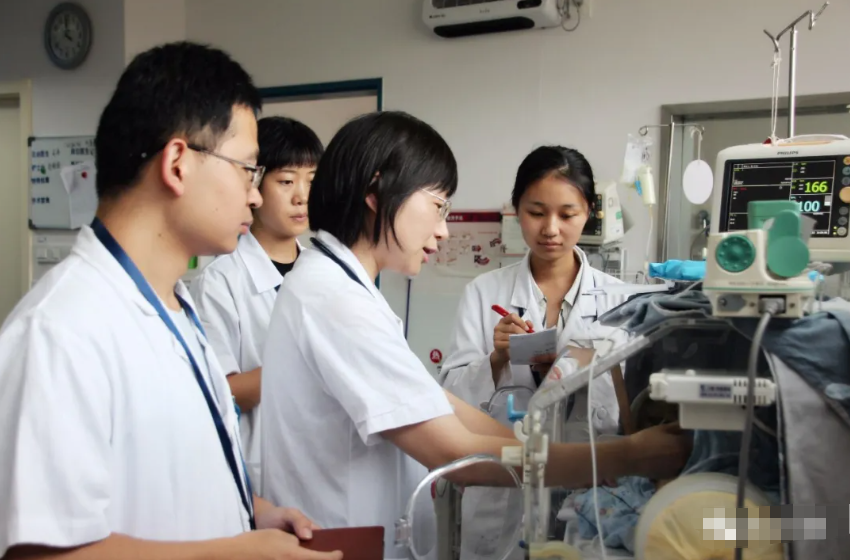
Dr. Shen Chun | Neonatal Surgery, and a Vow That Makes No Speech
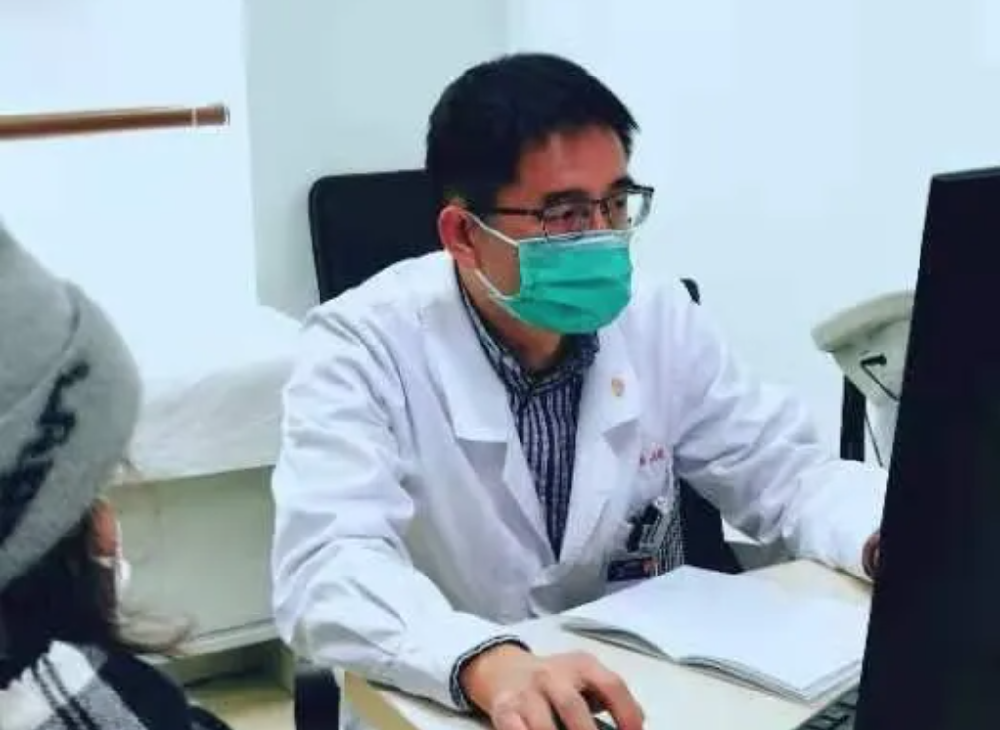
Dr. Yang Ji | A Dermatologist Who Measures the Years by Who Gets Better
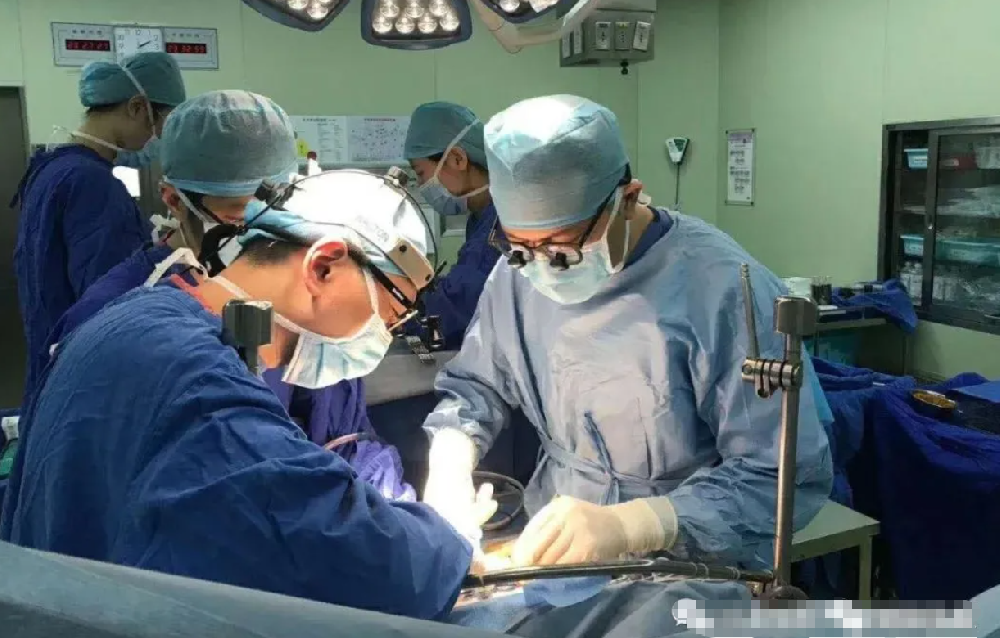
Dr. Chen Gong | Children's Bile Ducts, and a Future He Chose Himself
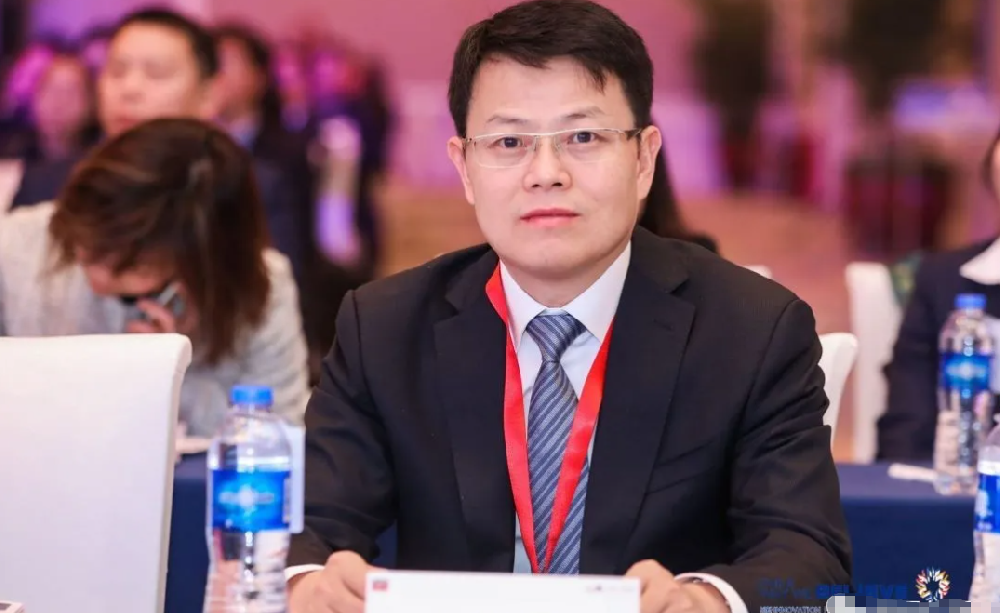
Dr. Luo Zhiguo | An Oncologist Still Hoping for One More Reunion
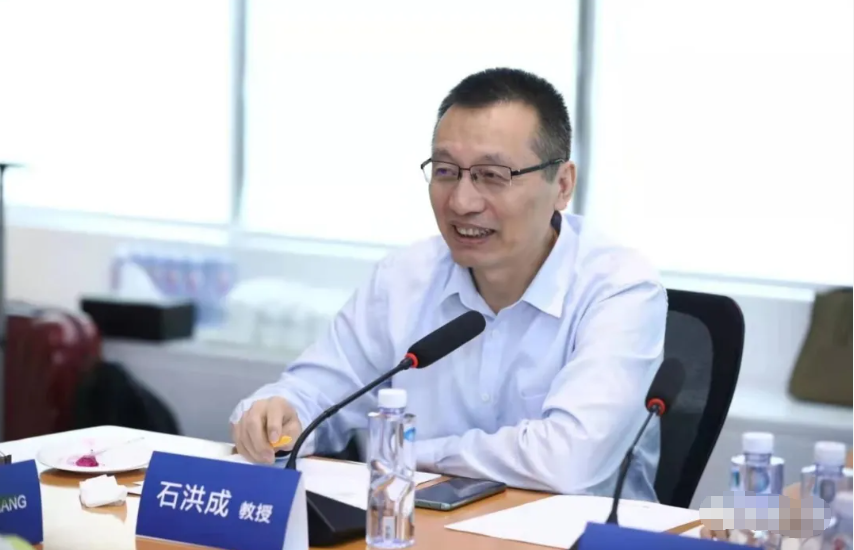
Dr. Shi Hongcheng | Growing Nuclear Medicine from One Old Scanner
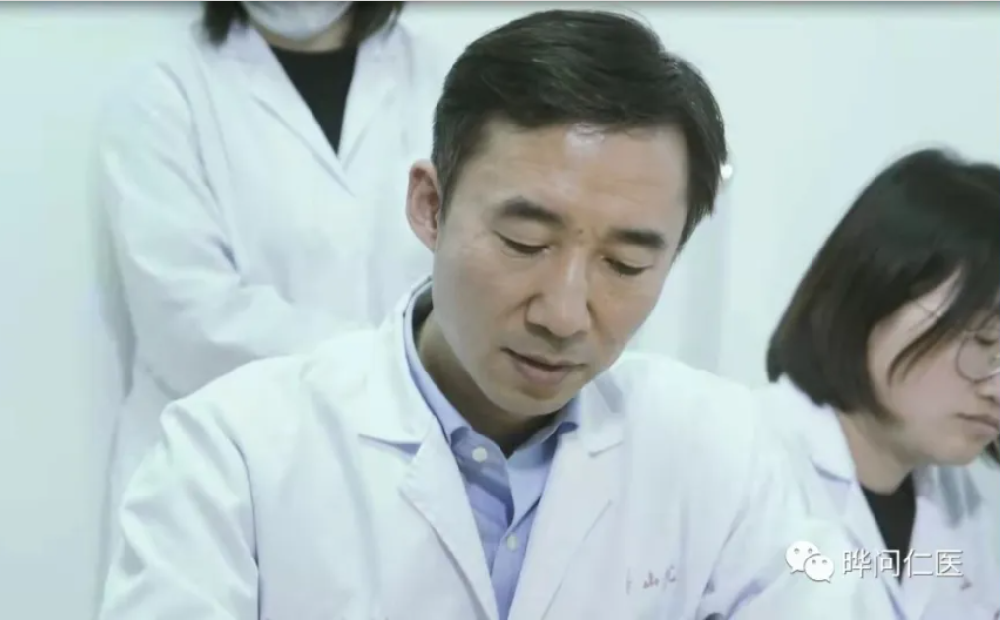
Dr. Li Wei | Loneliness in the Lab, Hope for Itchy Skin
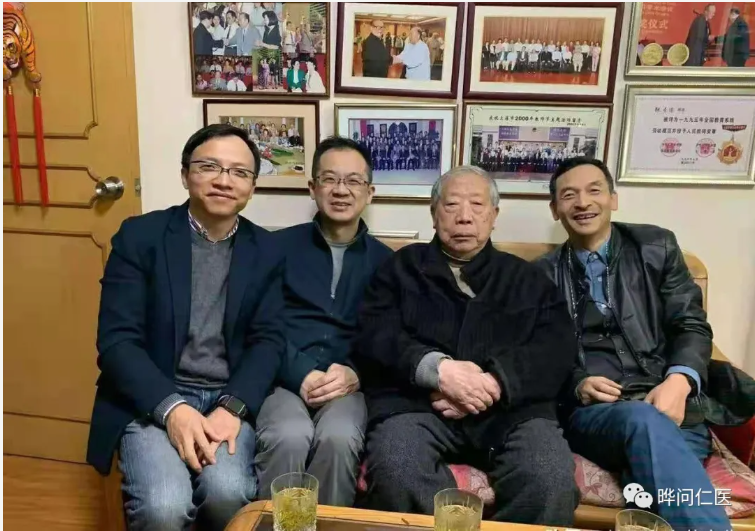
Dr. Huang Anhua | Still Glad to Stand Under the Gallbladder Lamp
Copyright © 2023 Yewen Renyi & ShanghaiDoctor.cn (This website is a non - profit medical humanities platform. The information contained herein is solely for biographical and historical purposes and does not constitute any medical advice.) 沪ICP备2023005392号-2 XML 沪公网安备31010902100835号
 中文
中文 English
 Español
 沪公网安备31010902100835号