ShanghaiDoctor - Where China's Healing Wisdom Shapes Modern Medicine

Update time:2026-10-31Visits:7
“We hold on not because we are truly strong enough, but because we have no other choice.”
— Gu Chaoying
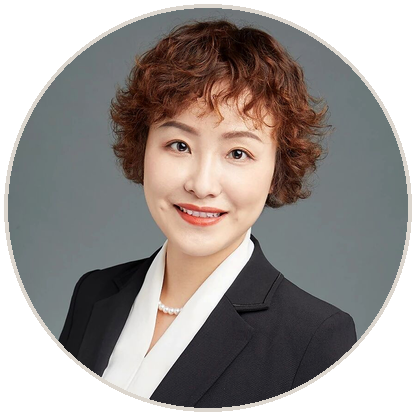
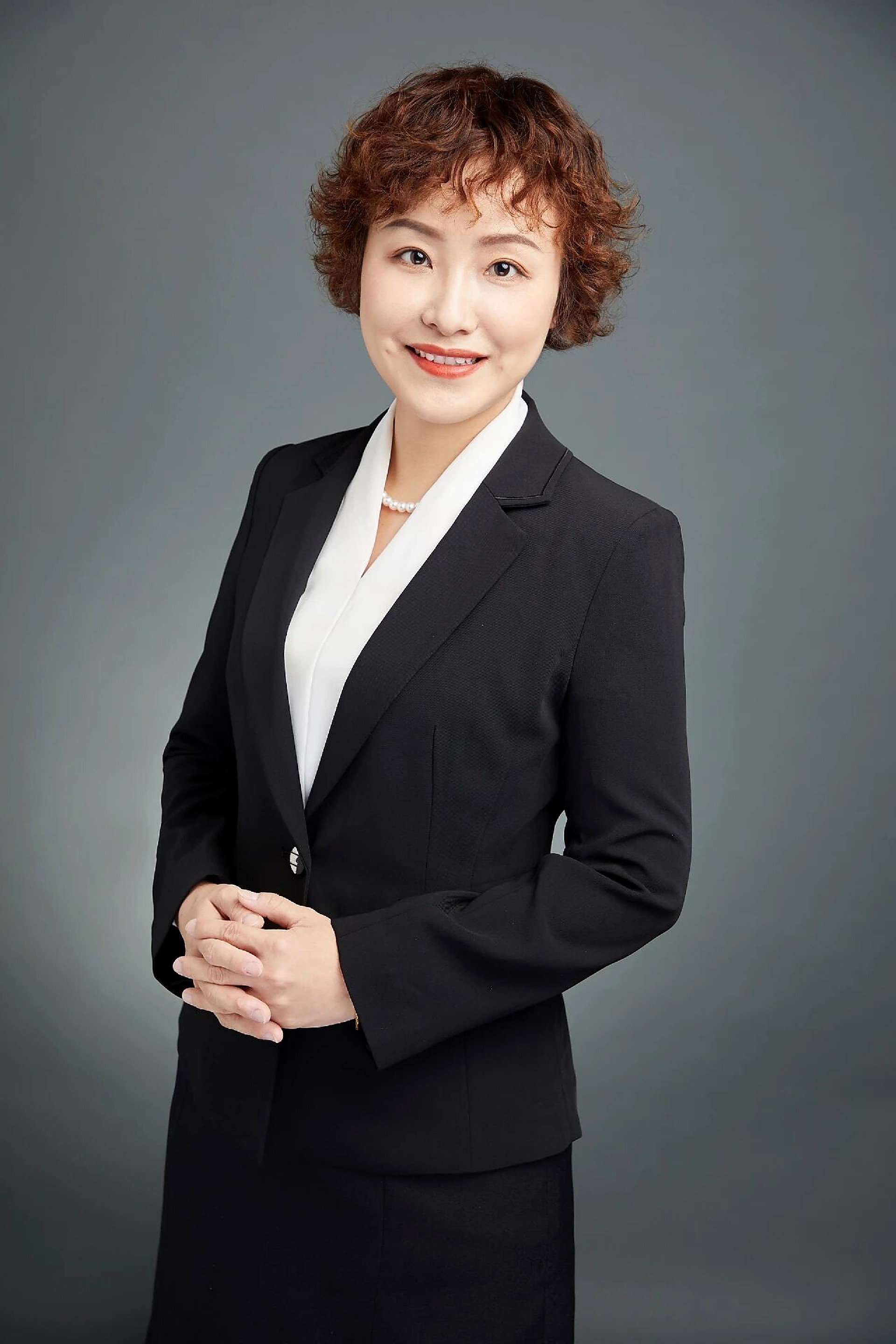
Gu Chaoying, MD, PhD, is a dermatologist in the Department of Dermatology at Huashan Hospital, Fudan University, where she earned her doctorate in dermatology and venereology. She specializes in allergic skin diseases such as eczema, atopic dermatitis, and urticaria, as well as common conditions including acne, herpes zoster, psoriasis, and vitiligo, and she has extensive clinical experience in cosmetic laser treatment of the skin.
For a moment, the word she chose surprised me. In Shanghainese, lightly and almost casually, she said she had “wrenched back” the life of a young migrant worker from Anhui. There was a quiet confidence in the way she said it. Compared with “snatched,” her word had more life in it, and more certainty.
She did it. I have seen the photographs of the patient at his worst, his skin broken and peeling over almost his entire body. He spent 24 days in the ICU and on the ward, days counted minute by minute, and she used everything she knew to help him through one crisis after another until he recovered.
“It was a typical case of toxic epidermal necrolysis,” she says. “If we didn’t treat him, there was no saving him. A dermatologist’s real sense of honor should come from this kind of help, given when it is needed most.”
Middle age is tiring. She sees an average of 140 patients a day. Her thermos holds no goji berries or chrysanthemum, only one swollen boat-fruit seed after another, a traditional remedy for a sore throat. When the last patient leaves, she drains the cup in one go; by the end of the day the tea has lost all its taste. “My voice really can’t take it, so now I use a little clip-on microphone,” she says. “Don’t I look like a tour guide? I am, and I lead a huge tour group around the human body.” She is clearly a little pleased with this solution.
She can no longer remember when she last took a holiday. She and her husband, also a doctor, had saved up a rare stretch of leave to mark their daughter’s graduation from primary school with a family trip, and it still has not happened. “A doctor’s family always owes something to the children,” she says.
Once the youngest and most doted-on child in her family, she has become the person everyone relies on. These years, she says, have made her strong, steady, and clear-sighted. But she has her moments of frustration too. Every evening after work she parks in her space, rolls up the window, turns off the engine, puts on some slow, flowing music, and leans back. That is her time alone. She answers a few WeChat messages, closes her eyes for five or six minutes, and then goes upstairs, capable of everything again.
“In middle age you are caught in a net with nowhere to escape,” she says, laughing. “Perhaps only the closed space of a car can hold our loneliness. Once you step out, go upstairs, and open the door, you are a mother, a wife, a daughter. Only in those few minutes in the car are you really yourself.”
I understand that loneliness. The greater the ability, the greater the responsibility, just as she must, from time to time, wrench a life back from the edge. No one can strike the final blow for her, and no one can hear the anxiety inside her. A dermatologist, she believes, must always be a doctor in the purest sense.
“We hold on not because we are truly strong enough,” she says, “but because we have no other choice.”
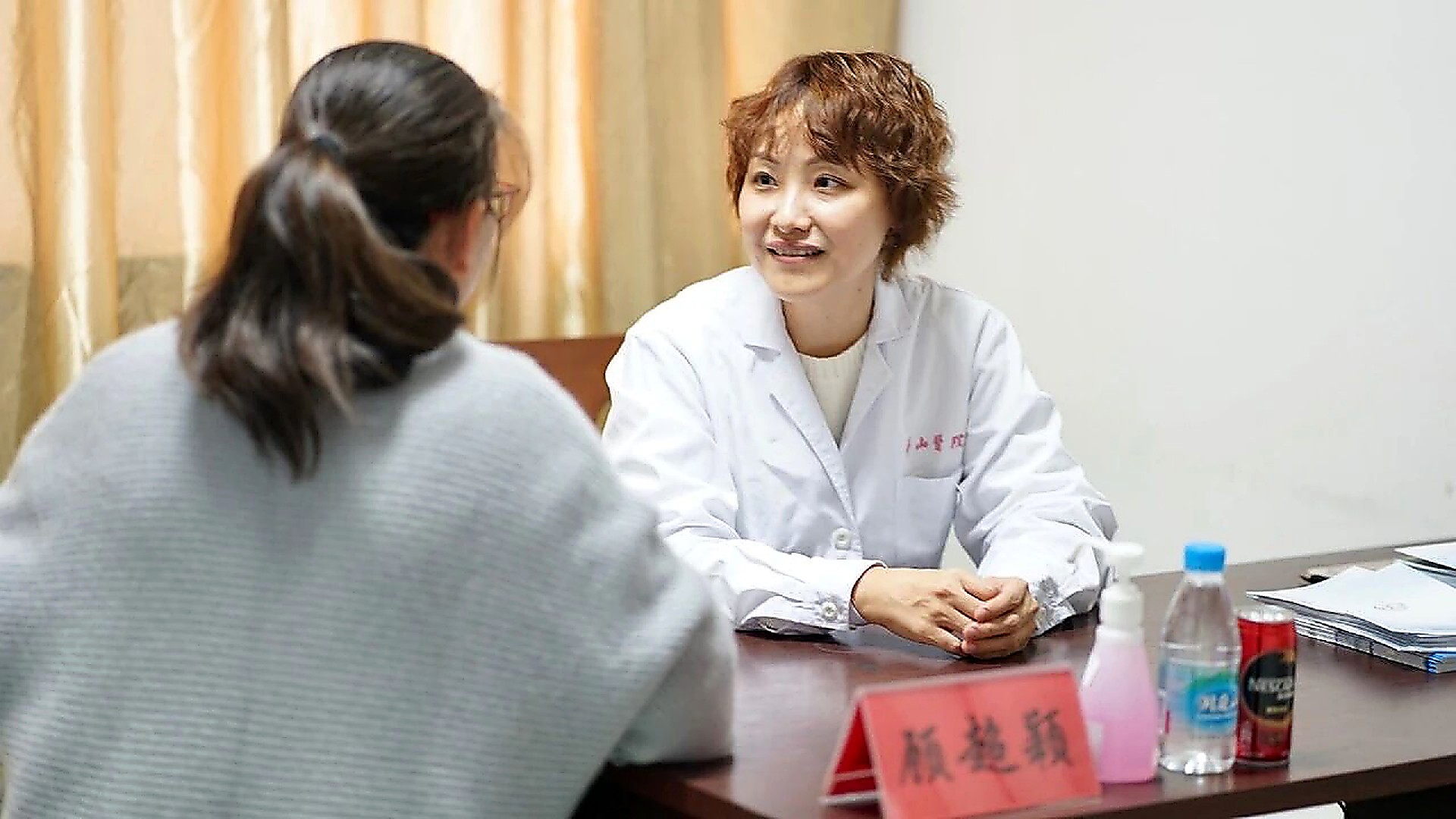
A year earlier, an interview with her in the Xinmin Evening News drew a lively response. Many patients sought her out afterward, and she admits to a small sense of joy, even the illusion of having become a little bit of an internet celebrity. “But after the noise comes calm,” she says, laughing. “I still try to do my own job well, as well as I possibly can.”
The patient from Anhui was a security guard in his early thirties. It began with a fever, then a rash spread over his whole body. He had been treated at another hospital, but treatment had been delayed and the disease moved fast. Within a week the skin all over his body had broken down. “If you rubbed it with your hand, the skin came off,” she says.
Her team moved him from the emergency department straight into the ward’s ICU. With him were his young wife and his mother, who had hurried in from their hometown, simple, honest country people who said little and could not stop crying. “I told them not to worry,” she recalls, “that we would spare no effort and do everything we could to bring him back.”
He had to get through several hurdles: the skin, infection, bleeding in the digestive tract, and then the long wait for new skin to grow. Because his skin was gone, nurses covered him piece by piece with oiled gauze soaked in neomycin ointment. Changing the dressings was agony, and at first the young man refused to let anyone touch him. She cannot remember how many times she encouraged and comforted him until he trusted the team. High-dose steroids combined with intravenous immunoglobulin finally brought the rash under control.
When there was a slight relapse, she talked the options through with him in full. “I told him he had two choices, which one I preferred as his doctor, and which one I would choose if I were his family,” she says. “When you treat a patient as family, he trusts you more.” He improved day by day, and in the end he was even helping her encourage the patient in the next bed, who had the same illness. After 24 days in hospital he went home fully recovered.
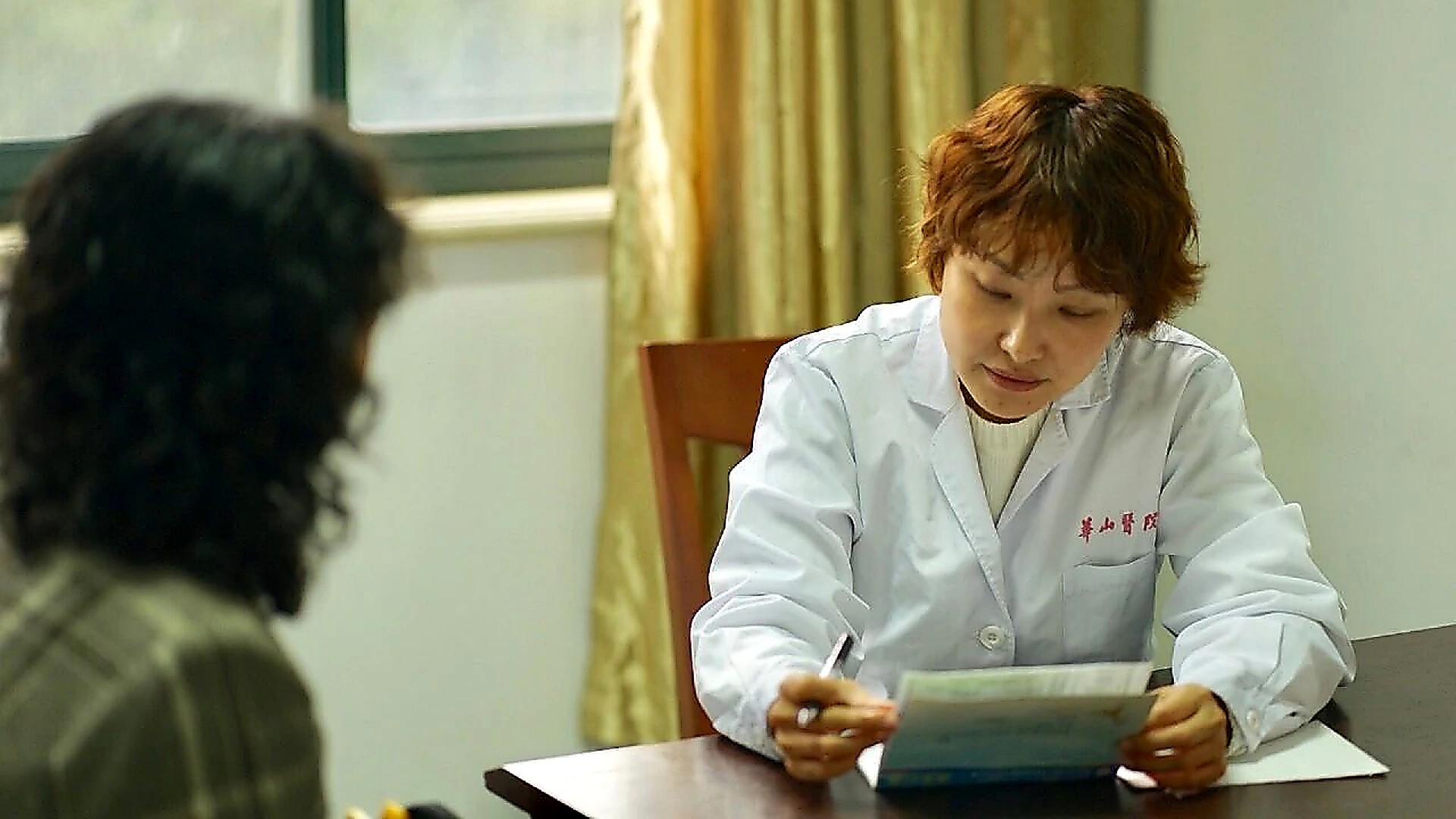
After more than a decade in practice, she is known for how well she communicates with patients. Her approach, she says with a laugh, is to mix the soft with the firm. “It is all to help patients follow the treatment and get a better result.”
Above all, she likes to explain the whole course of an illness at the start. With a serious skin disease she tells the patient what hurdles may lie ahead, which forks in the road may appear, and what might happen at each one. “The precondition is that you understand the disease very well and have thought of every step,” she says. “Then the patient has a sense of security. When they reach a fork, they don’t panic, because they feel the doctor saw it coming. In fact, a lot of patients’ distrust of doctors comes from fear of the unknown. If you only explain after something has happened, the patient’s experience is very poor.”
Her prescribing is cautious and conservative, and she follows the guidelines. But when a case cannot be controlled within them, she will propose a bolder plan, after weighing how far the patient trusts her and will stick with it.
The hardest part of dermatology, she says, is how people think about it. Patients with high blood pressure, heart disease, or diabetes accept that they must take medicine every day, and nobody expects a cure that makes the disease vanish for good. Skin diseases come back again and again, yet many patients take their medication lightly and still hope for a permanent cure. “So for skin patients, education matters even more than medicine,” she says. “How to prevent flare-ups, protect the skin, speed up relief, and avoid relapse all depends on the patient’s daily cooperation.”
In her specialist clinic she asks patients to come every two weeks for two or three months. “In those months I am not curing the disease,” she explains. “I am teaching them how to manage it: how to tell when it is getting worse, how to prevent that, what to do when it happens, and what to do when they can’t handle it. With eczema, a few late nights and some anxiety may be enough to bring it back. A permanent cure for a skin disease is really a false question. The key is how you observe, adjust, and manage your own skin, and that depends more on the patient than on the doctor.”
Her current focus is atopic dermatitis, a stubborn eczema linked to an inherited allergic tendency. It is very common, affecting 12.94 percent of children and 3 to 8 percent of adults, and often comes with rhinitis or asthma. It arises from a defective skin barrier combined with immune abnormalities. Treatment starts with protecting the skin barrier, managing stress, and avoiding allergens, then moves to topical creams and oral antihistamines, and for moderate to severe cases to systemic treatment. A new targeted drug, and biologics that can take the place of steroids, have both worked well, and her team has built up real experience with them.
A dermatologist, she believes, first needs solid professional knowledge. There are thousands of skin diseases, and in an ordinary clinic a visit lasts three or four minutes, so a doctor must judge at a glance. Most cases are mild, but some are rare and serious, and some are not really skin diseases at all. One patient had suffered from generalized granuloma annulare for more than ten years without a full work-up. Her team persuaded him to be admitted for a complete examination, including a bone marrow test, and found leukemia. His skin had been reacting to the immune disturbance caused by the blood disease. “You must never miss these serious patients with underlying conditions,” she says. The second skill is efficient explanation: in three to five minutes a dermatologist has to win a patient’s trust and explain the causes, consequences, and precautions.
When she was a student, some of the pictures in the textbooks made her hair stand on end, and early in clinic she met rashes that made her scalp tingle. “But once you put on the white coat,” she says, “compassion rises in you on its own. There is no fear in your heart, only the patient’s suffering in your eyes. You can’t bear to see the despair and shame on their faces, and you just want to do everything to treat them, whether they are rich or poor, good or bad.”
Soon after she joined Huashan Hospital, she watched her department director treat a homeless man who had begged for a long time at the hospital gate. Thick, spiny warty growths covered his palms and soles like a scrubbing brush, and he could not walk. A kind passer-by brought him inside, a biopsy was done, and after treatment the growths slowly faded. He was filthy, his hair matted, and he had not washed for a long time, yet the director treated him with complete focus and a gentle face. When the man recovered, his eyes were full of joy and gratitude, and he tried to kneel to thank her. “I was standing beside them, learning,” Gu Chaoying says. “That was the moment I began to feel like a doctor.”
Since then she has met even the most shocking skin disease with an even mind. She leans in close to look at a lesion and sometimes scrapes it by hand, and a rare, textbook rash only excites her. “I never look down on patients,” she says, laughing. “There is only one kind of patient I have complaints about: the ones who won’t listen.”
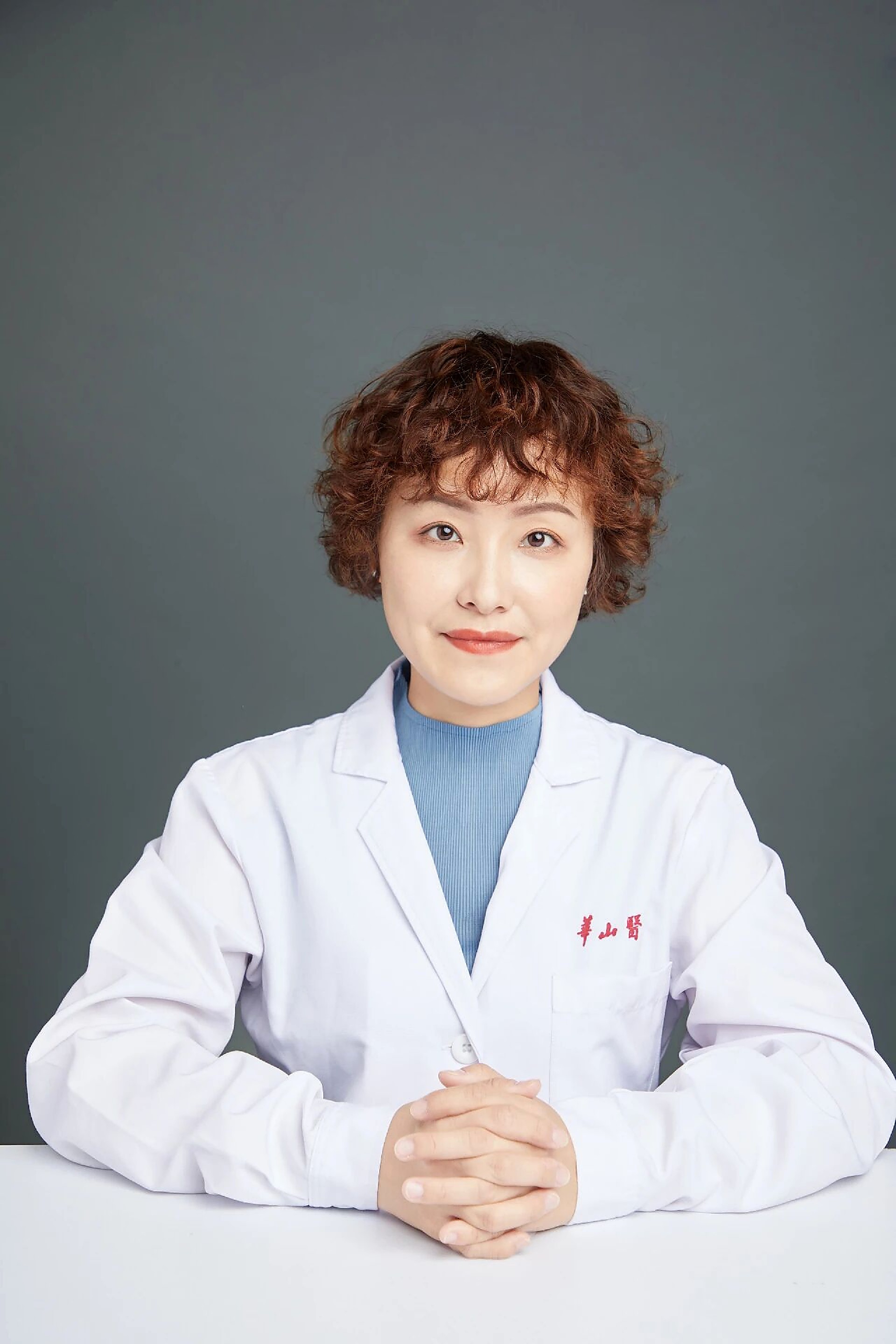
ShanghaiDoctor.cn: People call you a “super woman.” Do you accept the title?
Gu Chaoying: “I think it’s fine, and it pushes me on. I’m quite confident clinically and I keep learning. My research isn’t as strong, but I keep working at it. In the department, besides professional skill, there is how you talk to patients and get along with colleagues, and a “super woman” wants to do all of it as well as possible. Since I took up atopic dermatitis we’ve had some breakthroughs, and papers, grant applications, and projects are all going strongly.”
ShanghaiDoctor.cn: What has been the biggest change in you over these years?
Gu Chaoying: “My character. I’m steadier. I used to have a hot temper. After all these years I can put myself in other people’s shoes. Everyone has their own difficulties, their own position, their own story. Listening patiently to what is on someone’s mind, and helping both them and myself, is a pleasure too.”
ShanghaiDoctor.cn: If you taught medical students a class unrelated to your specialty, what would it be?
Gu Chaoying: “Communication between doctor and patient. Medical students generally lack it, yet they badly need it, and it is something you understand more than you can teach. Communication has an order. First you learn the patient’s job, family, social background, and history. Mild neurodermatitis or sudden alopecia areata may be linked to stress and anxiety, so you pay special attention to easing those. Many skin diseases are tied to emotions. Some say a dermatologist should be a psychologist, because a skin disease is very often a disease of the heart.”
ShanghaiDoctor.cn: Is there anything you especially want to do?
Gu Chaoying: “My greatest wish is still to travel with my family. We have no long holidays. We are on duty almost 24 hours a day, seven days a week. That is the reality for doctors at top hospitals.”
ShanghaiDoctor.cn: What do you regret in your clinical life?
Gu Chaoying: “Research is my biggest regret. I slackened a little after my doctorate. If I had worked harder then, I might be better now. The other regret is that I have too little time for patients. I wish I had some free, quieter time at work to look after follow-up patients properly.”
ShanghaiDoctor.cn: Do you have any time for yourself?
Gu Chaoying: “No. Even my time with my child keeps shrinking. During the day it is clinic every day, then a lot of online study, lectures, and meetings. In the evening I sort through photos of follow-up patients and read books and papers, and there is no time left for me. Life is like a spinning top that keeps being whipped. Sometimes I want to stop and rest, but I can’t. I used to say I’d finish this wave and then start the next. Now one wave hasn’t settled before the next one rises. When does it end?”
ShanghaiDoctor.cn: When do you feel calmest, with room to think?
Gu Chaoying: “When I drive home and park. I turn off the engine, listen to some music in the car, answer WeChat, look through my Moments. That is the quietest time, and then I go upstairs. It is short, but at last it is mine, and I find a little comfort there.”
ShanghaiDoctor.cn: Do you still read?
Gu Chaoying: “Less and less, but I still read for ten minutes before bed every night. I just finished Yang Jiang’s We Three. Before that it was a book about family education, Speak Well.”
ShanghaiDoctor.cn: You are forty this year. How would you define the beauty of a woman in middle age?
Gu Chaoying: “It is a mature beauty. I used to be the youngest in my whole family, and someone always had my back. Not anymore. My father died early, my mother is in poor health, and my mother-in-law helps with my child but is getting older. More of the family’s responsibility falls on me. Now I make the decisions and the arrangements. In middle age you carry everyone’s responsibilities and become the one everyone relies on. Looking after the old and the young while balancing work and life, I suddenly feel it is something to be proud of. I used to be willful and blunt. Now I’m more mature and more thoughtful about people. That is the quality a woman gains in middle age, after living through things, a mature and open-hearted grace.”
ShanghaiDoctor.cn: If you were back at the university entrance exam, would you choose medicine again?
Gu Chaoying: “Yes. Being a doctor is deeply rewarding, however hard and tiring. Most patients respect you and think of you. One old patient I have known since I was a graduate student lives near the hospital. When he comes to pick up medicine and I’m in clinic, he stands at my door for a moment and says, “It’s nothing, I just came to see you. As long as you’re well, that’s fine.” When his son got married he came to bring me wedding sweets. I was on the ward that day and he didn’t have my number, so he asked around until the sweets reached my hands. The longer you are a doctor, the more patients like that you have, and the little surprises they give you feel very warm.”
ShanghaiDoctor.cn: Dermatologists have many chances to earn more money, yet you stay.
Gu Chaoying: “Yes. I feel more grounded as a clinical doctor. Private hospitals have approached me with very high salaries. But I would rather be a doctor in the purest sense. Huashan Hospital sees difficult and severe skin cases. If everyone went into cosmetic medicine and nobody saw these patients, where would they go? There is nothing wrong with making the fortunate look better, but I want to help the patients with truly difficult, serious skin disease when they need it most.”
ShanghaiDoctor.cn: People say you still work flat out.
Gu Chaoying: “Always (laughs). In our department you can’t not. I usually arrive at 7:30 in the morning and see 120 to 150 patients a day, 160 to 180 on Saturdays. For a while my thermos was full of boat-fruit seeds. Now I’ve bought the little microphone, because I really can’t talk anymore.”
ShanghaiDoctor.cn: How do your husband and daughter see you?
Gu Chaoying: “My husband thinks I keep getting busier, but he says that’s a good thing. It means people need me, and any busyness or hardship is worth it. My daughter thinks I’m an all-powerful mum who can handle anything. When something comes up she is willing to listen to me, about getting along with friends, problems at school, how to behave in class. At first she didn’t want to, but later she found that things worked out better when she took my advice, and now she comes to me for help on her own.”
ShanghaiDoctor.cn: What is the most important quality in a child?
Gu Chaoying: “Integrity. For children and adults alike.”
Gu Chaoying spends her days among thousands of skin diseases, most of them mild, a few of them life or death. She explains the road ahead before her patients set out on it, teaches them to look after their own skin, and leans in close to lesions others would turn away from. In the evening, for five or six minutes, she sits alone in her parked car. Then she goes upstairs and becomes, once again, the person everyone relies on.
Editor: Chen Qing
If you need any help from Dr. Gu, be free to let us know at Chenqing@ShanghaiDoctor.cn.
Adapted from the Yewen Renyi (晔问仁医) interview “顾超颖 | 坚持下去,因为我们别无选择.”
Dr. Zhao Kuaile | Radiation Oncology, and the Great Way Is Simple
Dr. Zhao Yiming | Liver Surgery, and No Overnight Success, Only Perseverance
Dr. Gu Chaoying | Dermatology, and Holding On Because There Is No Other Choice
Dr. Wang Qunshan | Cardiac Electrophysiology, and Meeting the Rising Wind
Dr. Ren Yunyun | Obstetric Ultrasound, and the Work No One Sees
Dr. Qian Yiming | Emergency Medicine, and Neither Joy nor Fear on the Great Tide
Dr. Wang Xudong | Craniomaxillofacial Surgery, and Years Written into Chapters
Wang Xiaoning | Operating Room Nursing, and a Grace Like the Orchid
Dr. Li Guichao | Radiation Oncology, and a Peach Blossom Spring in the Heart
Dr. Lu Yanan | Pediatric Heart Surgery, and Feeling Another’s Pain as One’s Own
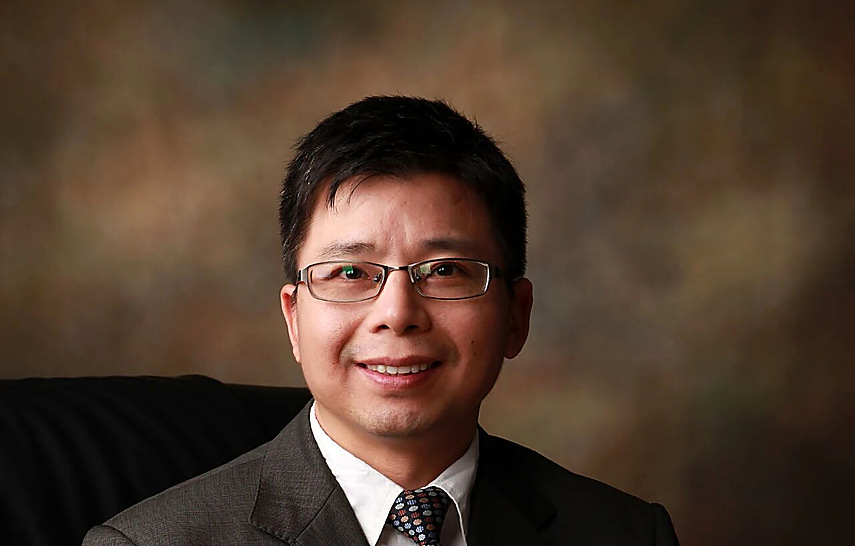
Dr. Zhao Kuaile | Radiation Oncology, and the Great Way Is Simple
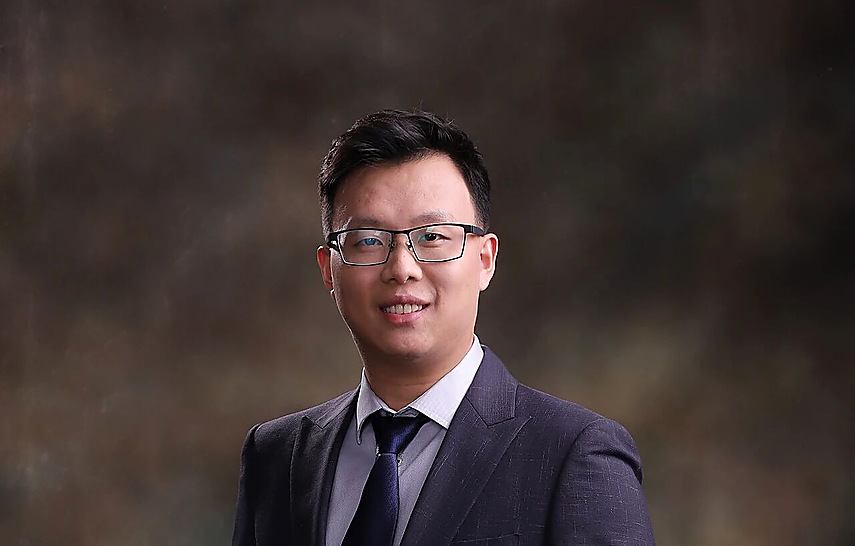
Dr. Zhao Yiming | Liver Surgery, and No Overnight Success, Only Perseverance
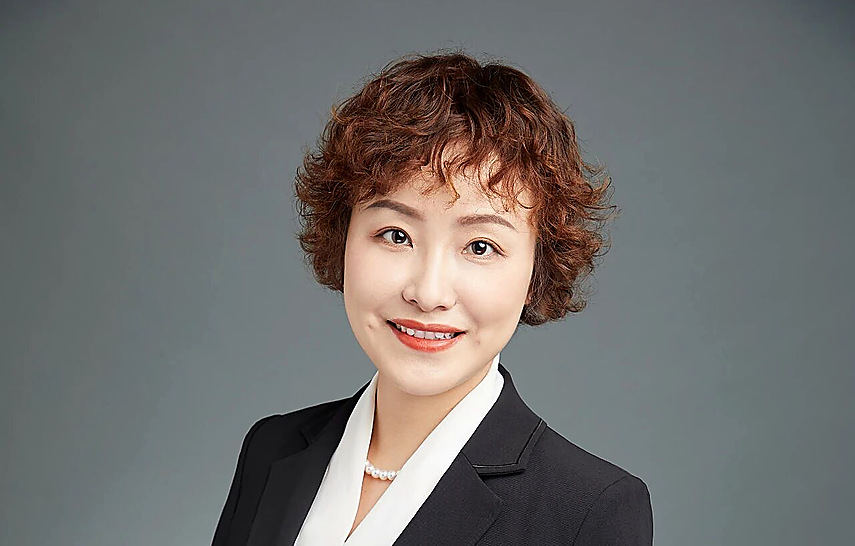
Dr. Gu Chaoying | Dermatology, and Holding On Because There Is No Other Choice
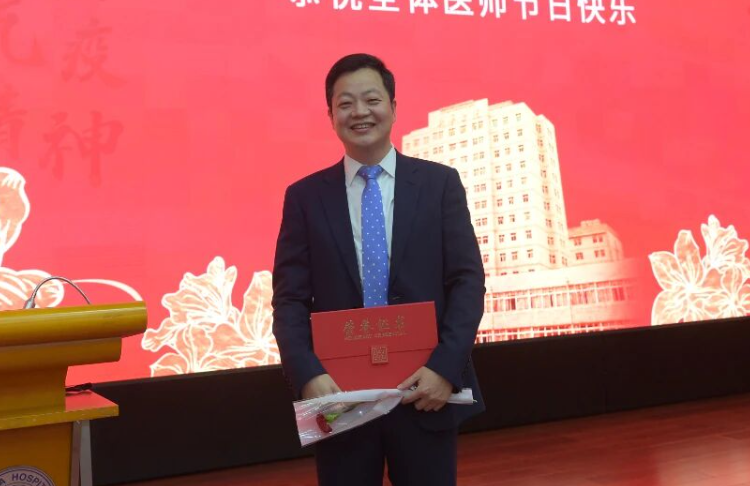
Dr. Wang Qunshan | Cardiac Electrophysiology, and Meeting the Rising Wind
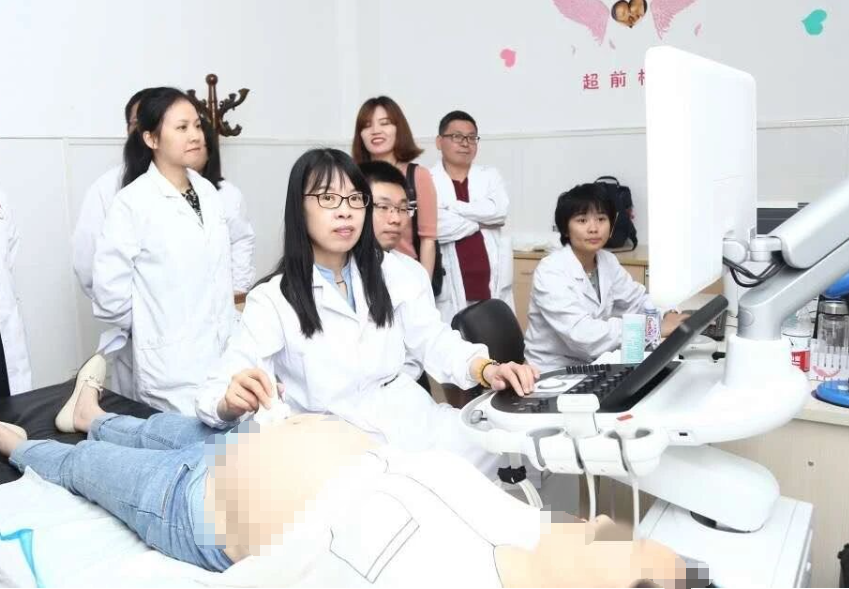
Dr. Ren Yunyun | Obstetric Ultrasound, and the Work No One Sees
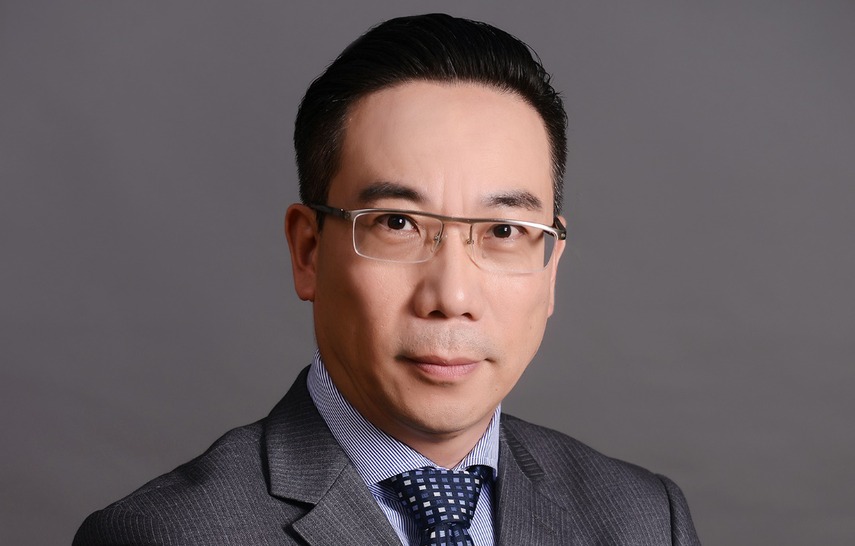
Dr. Qian Yiming | Emergency Medicine, and Neither Joy nor Fear on the Great Tide
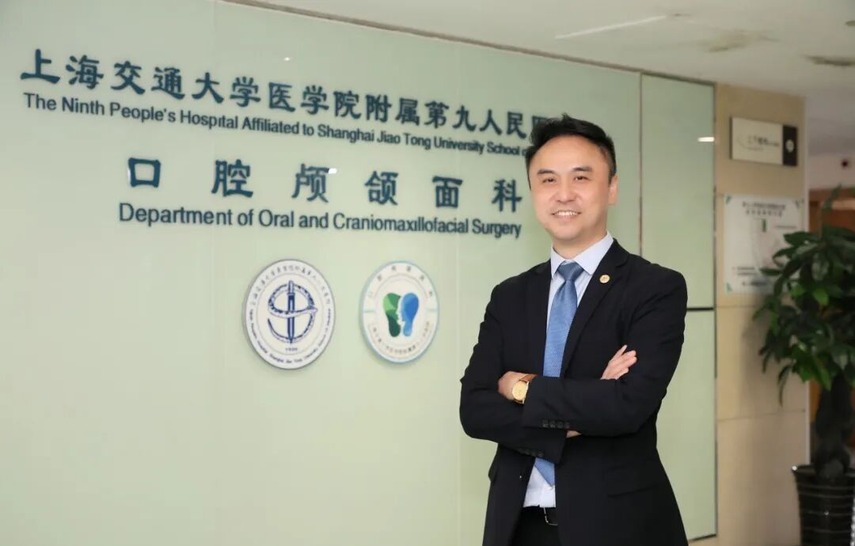
Dr. Wang Xudong | Craniomaxillofacial Surgery, and Years Written into Chapters
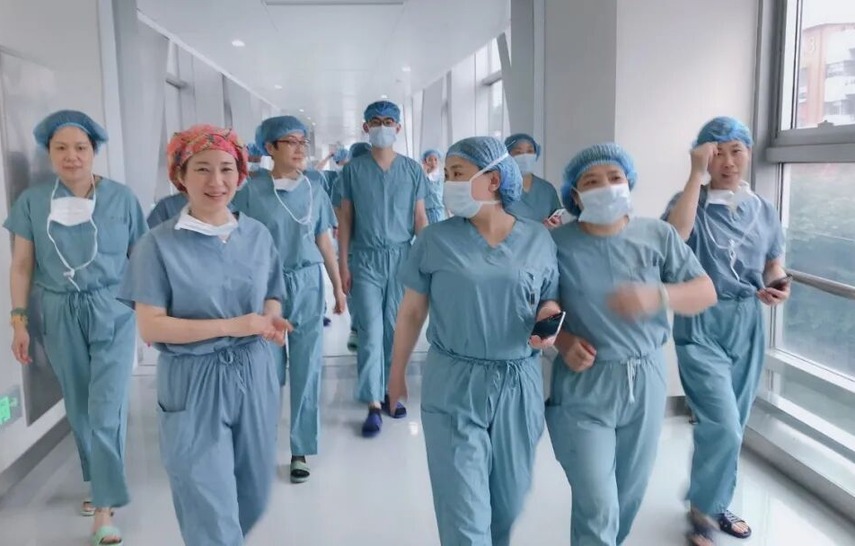
Wang Xiaoning | Operating Room Nursing, and a Grace Like the Orchid
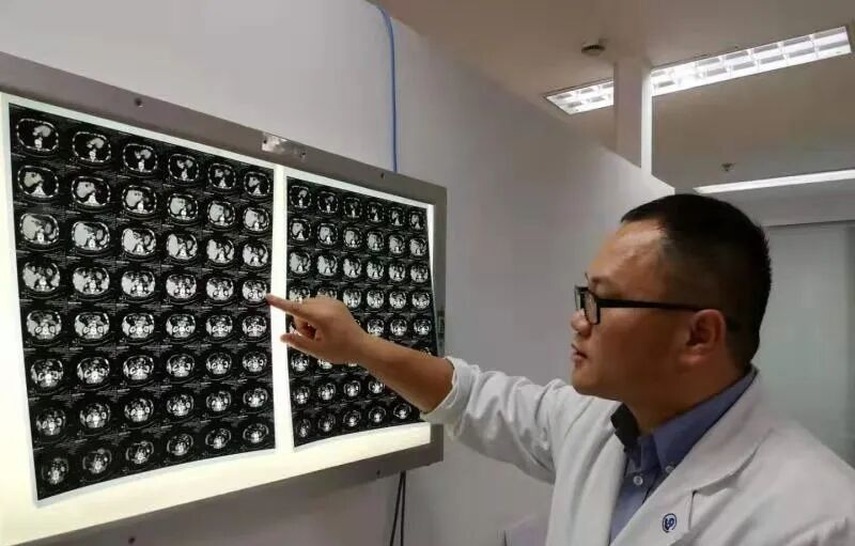
Dr. Li Guichao | Radiation Oncology, and a Peach Blossom Spring in the Heart
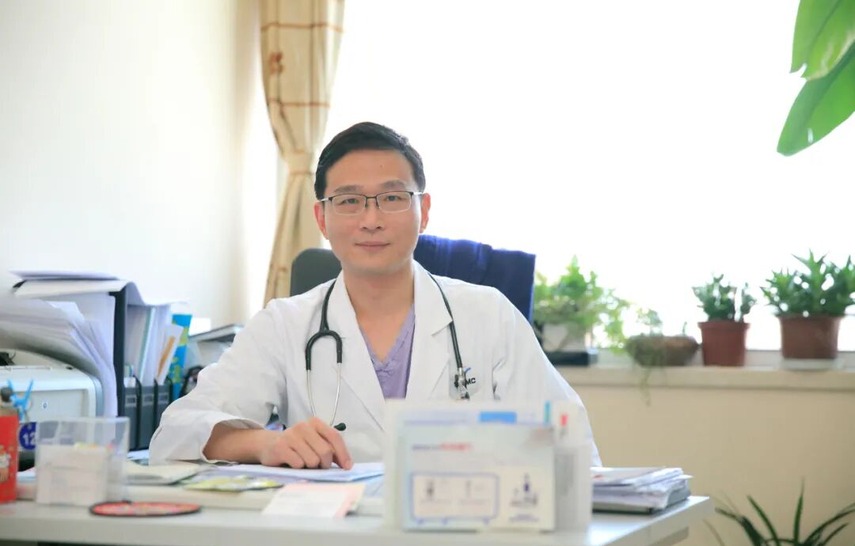
Dr. Lu Yanan | Pediatric Heart Surgery, and Feeling Another’s Pain as One’s Own
Copyright © 2023 Yewen Renyi & ShanghaiDoctor.cn (This website is a non - profit medical humanities platform. The information contained herein is solely for biographical and historical purposes and does not constitute any medical advice.) 沪ICP备2023005392号-2 XML 沪公网安备31010902100835号
 中文
 English
 Español
 沪公网安备31010902100835号
