ShanghaiDoctor - Where China's Healing Wisdom Shapes Modern Medicine

Update time:2026-10-31Visits:7
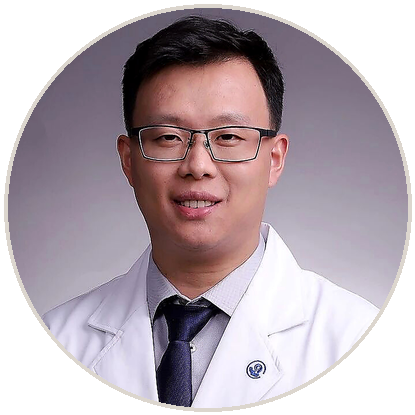
“A patient entrusts his life to me, so I must give my heart in return.”
— Zhao Yiming
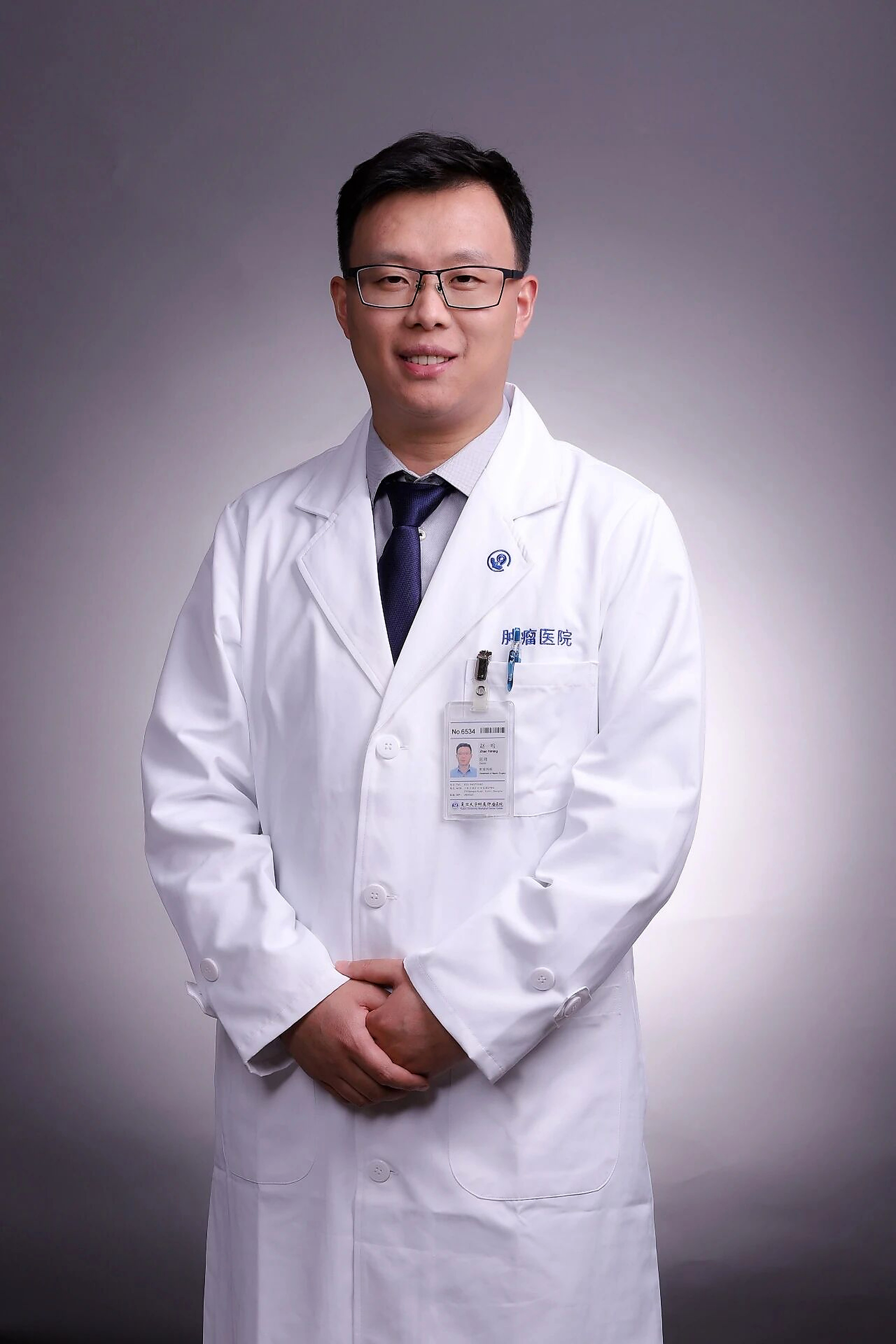
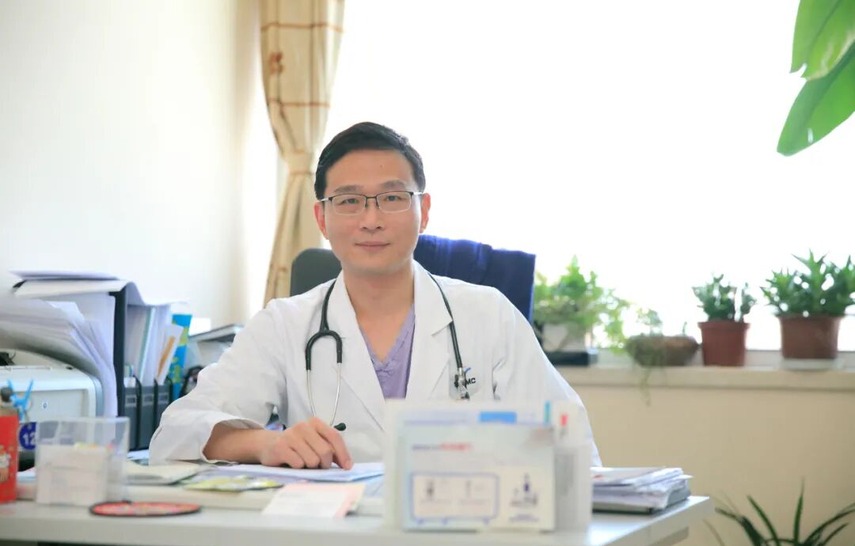
Zhao Yiming is Associate Chief Physician and Associate Professor in the Department of Hepatic Surgery at Fudan University Shanghai Cancer Center. He earned his doctorate at the Department of Liver Surgery and Liver Cancer Institute of Zhongshan Hospital, Fudan University, and worked in liver surgery at Zhongshan Hospital before moving to Fudan University Shanghai Cancer Center. He is a member of the International Liver Cancer Association (ILCA), of the metastatic liver cancer committee of the China chapter of the International Hepato-Pancreato-Biliary Association, of the digital medicine clinical surgery committee of the Chinese Research Hospital Association, and of the Shanghai Anti-Cancer Association’s committee on comprehensive treatment of hepatobiliary tumors.
He has led projects funded by the National Natural Science Foundation of China, the Ministry of Education’s doctoral program fund, and the Shanghai Natural Science Foundation, and has taken part in a major national science and technology project and a Shanghai platform for integrated Chinese and Western medicine. His honors include the ILCA Junior Investigator Award (the only Asian recipient that year), two Tang Zhaoyou Liver Cancer Research Awards, the “Shining Elite Award” of the China Laparoscopic Liver Surgery Academy, and prizes in national surgical skills competitions in laparoscopic liver surgery. In the past five years he has published more than 20 SCI papers, and he contributed to the academy’s training textbook Laparoscopic Liver Surgery and to Practical Surgical Oncology.
He has performed more than 2,000 hepatobiliary operations, over 1,000 of them laparoscopic. He specializes in minimally invasive surgery for liver and biliary tumors, including laparoscopic left and right hemihepatectomy, right posterior sectionectomy, central hepatectomy, caudate lobectomy, laparoscopic ALPPS, and laparoscopic radiofrequency ablation of liver tumors. He has performed more than 70 laparoscopic ALPPS procedures for initially unresectable colorectal liver metastases, with a two-year survival rate above 90 percent, a world-leading result that gives a chance of cure to patients once considered inoperable.
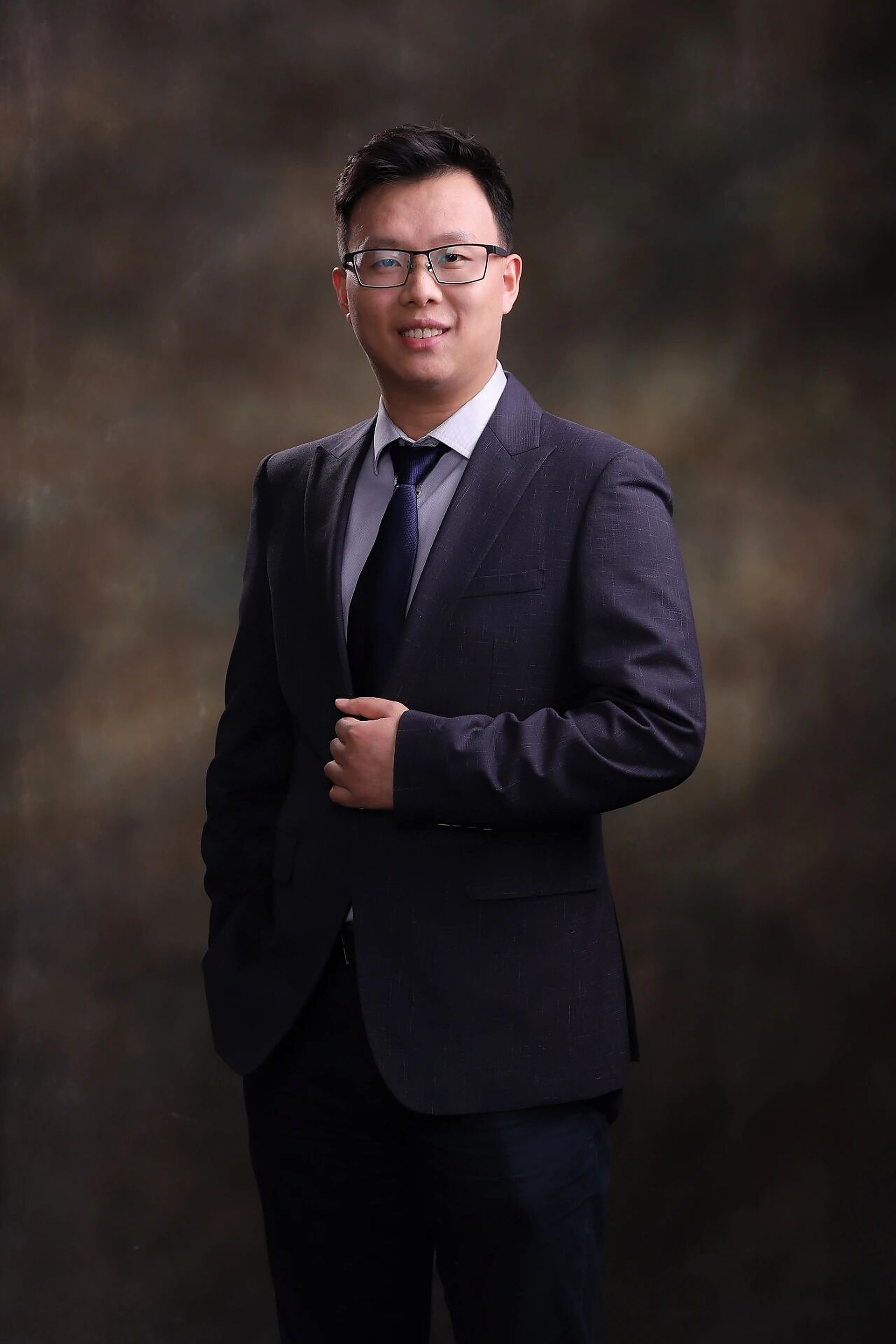
“A cancer surgeon can no longer roam the world on surgical skill alone,” Zhao Yiming says. “Only by using modern tools and systematic, comprehensive treatment to lengthen patients’ lives and improve their quality of life as much as possible can we really deal with the disease.”
After more than a thousand operations, he says, his heart has grown softer. He has seen too many despairing eyes, and he wants all the more to find light for them. “A doctor doesn’t just treat disease. He saves people.”
He cares about outcomes, and he is good at talking with patients. “When patients seek a doctor, part of it is relief from bodily pain. Part of it is that a heart worn down by illness wants an answer,” he says. “So I won’t be a cold wall. I would rather be a sponge that soaks up pain. A patient entrusts his life to me, so I must give my heart in return.”
He is not content with doing only his own part well. He is already planning how tens of thousands of patients’ disease might be managed in the future. “I hope we can manage the whole course of care, and eventually work with grassroots hospitals in each area to build regional networks that solve patients’ problems at different levels, so that treatment becomes easier for them.”
He is no longer a newcomer, but he is as fired up as ever. His ideals look beautiful and far away, yet they are all on the road already. As Elon Musk put it, if something is important enough, you do it even if the odds are not in your favor. “This may turn into a relay,” he says. “Even if I am not the one who reaches the finish line, I want to take the first step.”
His given name, Yiming, recalls a Chinese idiom about a bird that is silent for years and then astonishes everyone with a single cry. He does not believe in overnight success. “So-called sudden success only means your effort wasn’t seen, or you were deliberately keeping a low profile,” he says. “I believe there is only one kind of success, and that is unremitting effort. This isn’t a world for speculation. You must give first before anything is achieved.”
A century ago people wrote letters and could only imagine each other’s faces from the words. Today, even across oceans, they can see each other on video in an instant. No one knows what the future holds, but with more pioneers like him, there is reason to look forward to it.
Zhao Yiming thinks his path to medicine began with a photograph. His mother belonged to the generation that finished secondary school in the late 1960s, when many young people dreamed of becoming doctors. She never did, but she kept a souvenir photo of herself in a white coat with a stethoscope, and as a boy he believed his mother was a doctor.
When he took the university entrance exam, he followed her wishes and went to Xuzhou Medical College in Jiangsu. Five years there gave him an understanding of medicine and a longing for it, and a popular saying of the time, “a real man studies surgery,” planted the seed of surgery in his mind. When he graduated, his family wanted him to settle into a secure job at a local hospital. Restless with that prospect, he went against their wishes and staked everything on graduate school, spending a year shut away studying until he was admitted to the Department of Liver Surgery at Zhongshan Hospital, Fudan University.
During his master’s studies he met a mentor who would shape his life, Professor Wang Lu. Straightforward and from China’s northeast, Wang operated boldly and briskly but with meticulous care and great command of the operating room, a tiger in the heart that still pauses to smell the roses. Zhao Yiming’s skills in hepatobiliary tumor surgery, open and laparoscopic alike, all come from him. Wang was both teacher and friend, and inspired him in scholarship and in how to live.
“In 2009, when he was away as a visiting scholar, he often called me to talk about what he had seen and about medicine in its purest sense,” Zhao recalls. “He recommended that I read Tolstoy’s Anna Karenina, and told me I should make more time to think.”
For his doctorate he studied under Professor Fan Jia, then president of Zhongshan Hospital, who seemed to handle the most complex operations with ease. Facing a tumor twenty or thirty centimeters across, he was always calm, and a difficult operation might end with only about ten milliliters of blood lost. To Zhao Yiming, Fan Jia was an awe-inspiring leader who taught by example and showed him how vast medicine could be.
Learning from these two leading figures opened his eyes and gave him the determination and confidence to draw on the strengths of many, to take on difficult operations, and to keep climbing.

In 2015 he followed Professor Wang Lu to Fudan University Shanghai Cancer Center, and his growth as a surgeon entered a new stage.
He will never forget his first liver cancer operation as lead surgeon, which came about almost by chance. The lead surgeon was held up, and the operation could not wait. He ran through the procedure he had watched countless times in his head, gritted his teeth, and said, “I’ll do it.” The patient needed a right hemihepatectomy. It was the first time he had led such a major operation, and when he picked up the scalpel he put every worry aside. A few deep breaths, his confidence returned, and an hour and a half later the enemy was beaten.
Afterward he was excited but uneasy. Wang Lu said nothing until dinner that evening, when he raised his glass and announced, “Let’s celebrate. Zhao Yiming did a right hemihepatectomy on his own today!”
That operation proved what he could do. Then came the second, the third, the hundredth. He has since led more liver tumor operations than he can count, and he has made his name in laparoscopic surgery as well as open surgery.
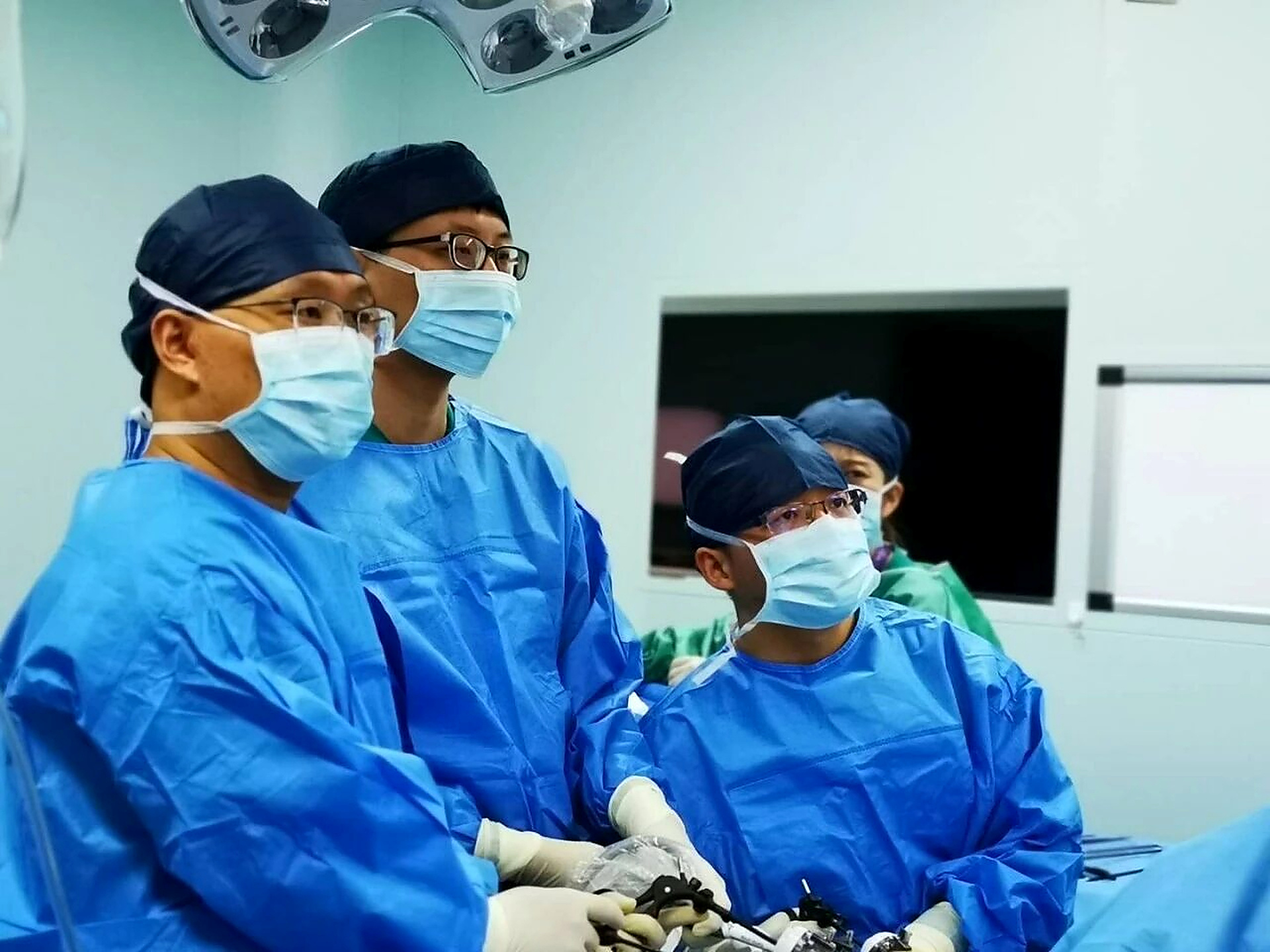
Laparoscopic liver surgery started late in China. The hepatic surgery department at Fudan University Shanghai Cancer Center was one of the earlier teams to take it up and has now performed some 2,000 minimally invasive laparoscopic liver operations, among the most in the country.
For suitable patients, he says, the benefits are clear: shorter operations, less bleeding, smaller wounds, and faster recovery, with long-term survival similar to open surgery. But such precise surgery is unforgiving for the surgeon. Stopping bleeding through a laparoscope is very hard, and every cut can cause bleeding that is difficult to control, so the surgeon must stay intensely focused throughout. “The liver’s blood vessels are all hidden inside,” he explains. “You depend entirely on experience to judge in advance how to avoid bleeding. In a laparoscopic right hemihepatectomy, the surgeon is keyed up every second, and by the end you are exhausted in body and mind.”
A strong platform also means pressure. Over five years of operations, the thrill of success and the anxiety of difficulty washed over him again and again, toughening him and giving him an unprecedented sense of responsibility. Many patients who had been all but given up on elsewhere came to his department, clutching their reports in trembling hands, looking for a last straw to hold. “We take everyone we can and give life a chance,” he says. “If we don’t do it, no one will.”
When he sees a recovered patient at a follow-up visit, alive and no longer groaning in pain, his heart stirs again for the reason he chose medicine, and all the sleepless nights and dusty days feel worth it.
Why do most of his patients stay on good terms with him even when complications arise after surgery? The secret goes back to Wang Lu’s teaching: master the scalpel, but also master the art of talking. Cancer patients are especially sensitive. Talking with them often helps the doctor understand the illness and lets patients feel they are not fighting cancer alone. When doctor and patient deal with each other sincerely, conflicts tend to resolve themselves.
Putting himself in patients’ shoes has also shown him where to go next. He has seen how lost patients feel, and how many obstacles they meet, between registering at the hospital and going home after surgery, and he has set himself the goal of managing the whole course of care for patients with hepatobiliary tumors.
“If being a doctor were like running a company, patients would be the customers, and one key to attracting customers is the user experience,” he says. “That is what patients in China lack, but it can change. I have already started working with like-minded people and resources to manage patients across the whole course of care.”
One doctor’s energy is limited in the face of thousands of patients. But with support from grassroots hospitals, a dedicated team, and eventually a regional network linking senior doctors, local doctors, and patients, he believes patients could get more efficient treatment and a better experience. “If that can be achieved one day, it may matter more than performing one operation well or curing one patient.”
Early screening and public education for liver cancer weigh on him too. Years on the front line have shown him how rarely liver cancer is caught early in China, and how many chances for treatment are lost as a result. China carries a heavy liver cancer burden, accounting for more than half of new cases and deaths worldwide each year, and most patients are diagnosed at a late stage. “Why is five-year survival for liver cancer in Japan and South Korea so much higher?” he asks. “The difference is early screening. Find it early, treat it early, and the chances of getting better are much greater.”
Misunderstandings about cancer are another obstacle. “Some rural patients are found early through screening, and the government even provides funding for treatment,” he says, “but they believe it can’t be cured anyway and they couldn’t afford it later, so they refuse treatment. I find that a great pity.” Others are cheated by illegal operators posing as “cancer experts” and will not go to a proper hospital for curative surgery. Stronger public education, he believes, could save many of these wasted chances and the lives they cost.
His goals may still seem far off, but he keeps them in his heart and works toward them bit by bit. As long as the fire inside does not go out, he believes, one day it will light the whole road ahead.
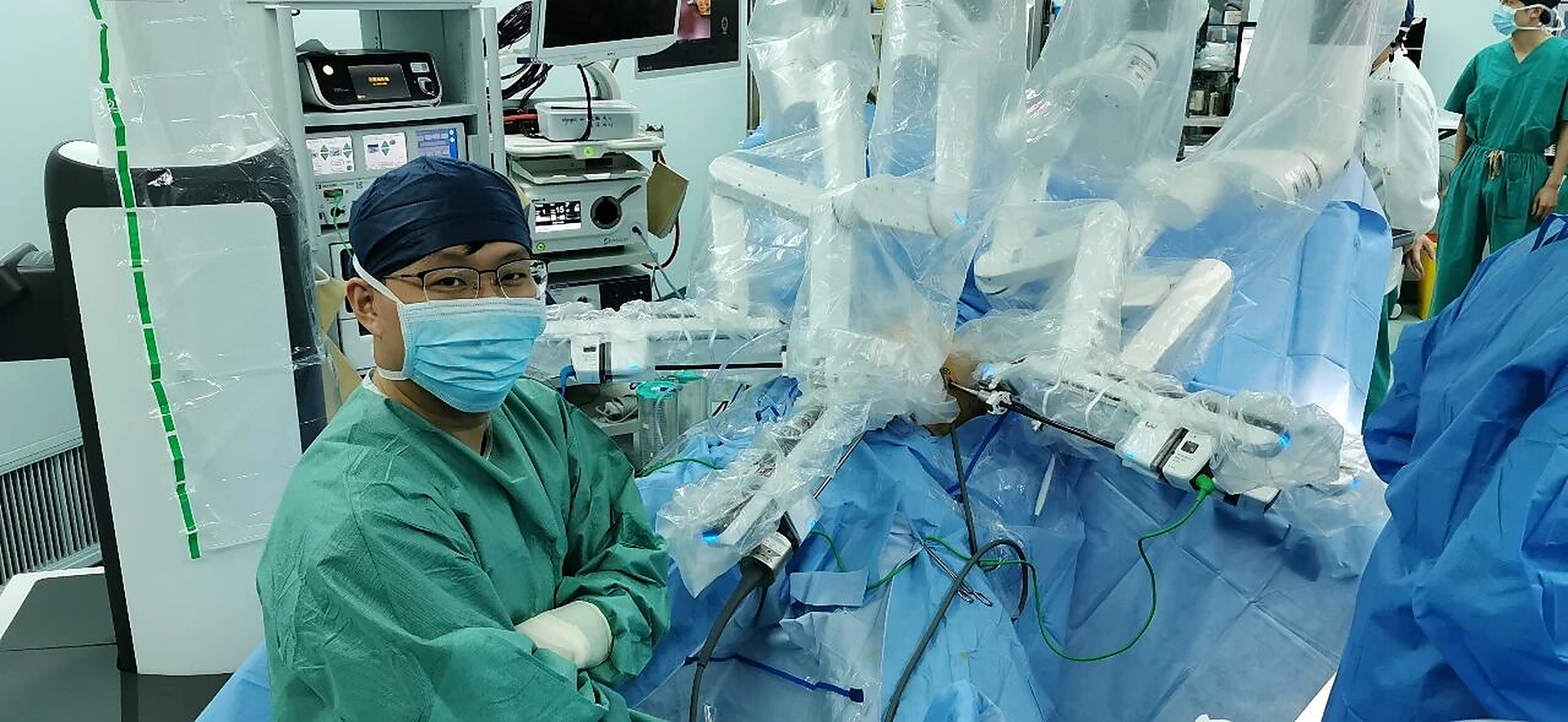
ShanghaiDoctor.cn: When did you first take up laparoscopic liver surgery?
Zhao Yiming: “In 2005. Professor Wang Lu was among the first in China to do laparoscopic liver surgery. Because it is difficult and started late, it was hard going at first, and we gritted our teeth and kept at it. Now the Cancer Center has a huge number of patients, especially complex cases from all over the country. I have always felt lucky. So much good fortune has come together for me: my teacher gave me opportunities and a strong foundation in laparoscopy, and now I have such a good platform and so many complex cases. It has all come naturally.”
ShanghaiDoctor.cn: How has your understanding of laparoscopic surgery deepened over the past ten years?
Zhao Yiming: “Laparoscopic liver surgery came relatively late. The first international expert consensus on it was in 2008, so it is only a little over ten years old. Under the laparoscope you can’t stop bleeding at leisure as you can in open surgery. That makes another very high demand: you must anticipate bleeding before it happens. Take colorectal liver metastases. Our center removes about 500 a year, a significant number worldwide. The difficulty lies less in the operation than in the decision. Many people regard colorectal cancer with liver metastases as stage four and not worth aggressive treatment, but that isn’t so. In our experience, if these patients can have the metastases removed, their lives are greatly extended. The operation is still a challenge, because many of these patients have had chemotherapy and targeted drugs beforehand, which damage the liver, and such a liver bleeds more easily.”
ShanghaiDoctor.cn: In these five years, was there an operation so difficult you almost couldn’t finish it?
Zhao Yiming: “Yes, more than one. That isn’t a bad thing. It means you are growing, and that you have enough patients to take on difficult operations. One patient was a 65-year-old woman with multiple liver metastases after colorectal cancer surgery. After chemotherapy the tumors shrank, and she was to have a right hemihepatectomy, but her window for surgery was very short. If we missed it, the tumors would progress. I hesitated when we admitted her, but she was desperate for it. When I opened her up I was still hesitant, because as the knife went in I saw blood spreading, and I panicked. I gritted my teeth, controlled it, and finished as fast as I could. She needed 800 milliliters of red cells and 400 of plasma. After closing I couldn’t sleep all night, worrying about her. Fortunately she recovered well and went home. Operations like that test a doctor’s judgment about the disease and the treatment. I have asked myself what I would do with a similar patient. I would still operate, because I know surgery is her only chance.”
ShanghaiDoctor.cn: What makes a good operation?
Zhao Yiming: “Of course technique and a clean result matter, but they aren’t the most important thing. What matters is the judgment before surgery. Even if I can do the operation, does this patient need it? That is the hardest question. Some operations are simply unnecessary. Others are necessary, but the trauma delays treatment afterward and ends up doing more harm than good. With cancer patients you must think not only about whether the operation can be done and whether they will recover, but about how long they will live and how well. In cancer surgery, the operation may be only about a third of the whole treatment. Two thirds of the work remains.”
ShanghaiDoctor.cn: Could you explain?
Zhao Yiming: “In hepatobiliary surgery we see many patients with liver cancer and biliary tumors. China has about 55 percent of the world’s liver cancer patients. Of ten patients, only one or two can have curative surgery. The other eight or nine cannot, because the tumor is too advanced or because of cirrhosis and other reasons. For a long time there was little to offer them. Since the end of 2018 there have been many new drugs for hepatobiliary tumors, including targeted and immune therapies, and our department is working in this area. We have found that well-chosen combinations of these drugs can shrink tumors markedly and clearly extend survival. That is epoch-making. It changes surgery too. A tumor that is borderline resectable can be shrunk with drugs until curative surgery is possible, and for patients prone to recurrence after surgery, systemic drugs can lower the risk and extend survival. Cancer surgery today is not just about operating. It involves comprehensive treatment, and I think every surgeon, not only those at cancer hospitals, needs an oncologist’s eye.”
ShanghaiDoctor.cn: So a cancer surgeon should have more of a medical oncologist’s skills?
Zhao Yiming: “Yes. I used to focus on whether an operation could be done and how difficult it was. At the Cancer Center things are very different. Everything is built around MDT, multidisciplinary team care. When our department was new we had no experience, so we learned from the colorectal surgeons, who were expert in clinical trials and drug therapy. We were amazed, and then realized it was essential. Our MDT now rests on evidence-based medicine, and the department runs many clinical trials, including national and international multicenter studies. In oncology the line between surgery and internal medicine has become very blurred. For me it was a new understanding of medicine and a physical challenge as well, but we have a duty to do it well, or we will be left behind.”
ShanghaiDoctor.cn: Tell us about a case that made you happy.
Zhao Yiming: “When I first began seeing patients in the expert clinic, a man of nearly 70 from Yunnan came with a liver tumor twenty centimeters long in the right lobe. He needed a right hemihepatectomy, but his left liver was too small to support him. There is a newer procedure called ALPPS, associating liver partition and portal vein ligation for staged hepatectomy. When the liver left behind would be too small, the operation is done in two stages. The liver has two blood supplies. In the first stage we tie off and cut the vessels on the tumor side and divide the liver, so the blood flows to the remaining side, which grows quickly and makes curative surgery possible. The procedure was first described in 2007, and surgeons around the world are actively using it. About 2,000 cases are recorded in the international ALPPS registry, and we have done more than 70. For this man, ALPPS was the only option left. It is a very major operation, with higher risk around the time of surgery than usual. I talked with his son, who was firmly decided, and that gave me the confidence to go ahead. The doctor-patient relationship is mutual. You trust me and I trust you, and only then can things be done and my ability used to the full. After two operations over two months, the tumor was removed and he went home. That case moved me deeply and gave me great confidence for difficult operations afterward. He is from one of Yunnan’s ethnic minorities, a very simple, honest man who entrusted his life to us. Now he comes for a check-up every year and brings local specialties. For me that is a comfort to the soul.”
ShanghaiDoctor.cn: Are you most relaxed during surgery?
Zhao Yiming: “Yes. You just immerse yourself in the operation and don’t have to think about anything else. The world outside the operating room is the real world, and while you are operating you don’t have to face it.”
ShanghaiDoctor.cn: How do you relieve anxiety and fatigue?
Zhao Yiming: “I like video games, for example Honor of Kings. Honestly, I’m still quite young at heart and open to new things. I also like biographies. On a work trip I was browsing a bookshop at a high-speed rail station and bought a biography of Elon Musk. A line on the cover is worth thinking about: you must realize your own dream, even on your knees. I admire him. He is very creative and everything he does is pioneering, and he says he has achieved almost all his childhood dreams.”
ShanghaiDoctor.cn: If you took the entrance exam again, would you choose medicine?
Zhao Yiming: “I would still study medicine, because after all these years I am more sure that I am suited to it. First, I like creative work. I once thought medicine was dull, but in fact great creations in medicine can change the whole of human society, and someone has to go first. Second, a doctor needs a sense of responsibility, and I believe I have one. I think about problems from the patient’s side. Third, a doctor needs a big goal and a broad inner world. I have always wanted to change the situation of liver cancer, and I think early screening is what can change it in China as a whole. One should be grateful. I’m not clever, but I’m lucky, and I thank the people and things I have met: my teachers, my platform at the Cancer Center, and most of all the patients who trust us. So if I chose again, I would still be a doctor. I think I have what it takes.”
Zhao Yiming does not believe in sudden success. He believes in a first operation taken on with gritted teeth, a sleepless night after a hard case, and a plan for patients he has not yet met, people who will need screening, a network of hospitals, and a doctor who talks with them. He knows he may not be the one who reaches the finish line. He has already taken the first step.
Editor: Chen Qing
If you need any help from Dr. Zhao, be free to let us know at Chenqing@ShanghaiDoctor.cn.
Adapted from the Yewen Renyi (晔问仁医) interview “赵一鸣 | 哪有什么一鸣惊人,只有坚持方得始终.”
Dr. Zhao Kuaile | Radiation Oncology, and the Great Way Is Simple
Dr. Zhao Yiming | Liver Surgery, and No Overnight Success, Only Perseverance
Dr. Gu Chaoying | Dermatology, and Holding On Because There Is No Other Choice
Dr. Wang Qunshan | Cardiac Electrophysiology, and Meeting the Rising Wind
Dr. Ren Yunyun | Obstetric Ultrasound, and the Work No One Sees
Dr. Qian Yiming | Emergency Medicine, and Neither Joy nor Fear on the Great Tide
Dr. Wang Xudong | Craniomaxillofacial Surgery, and Years Written into Chapters
Wang Xiaoning | Operating Room Nursing, and a Grace Like the Orchid
Dr. Li Guichao | Radiation Oncology, and a Peach Blossom Spring in the Heart
Dr. Lu Yanan | Pediatric Heart Surgery, and Feeling Another’s Pain as One’s Own
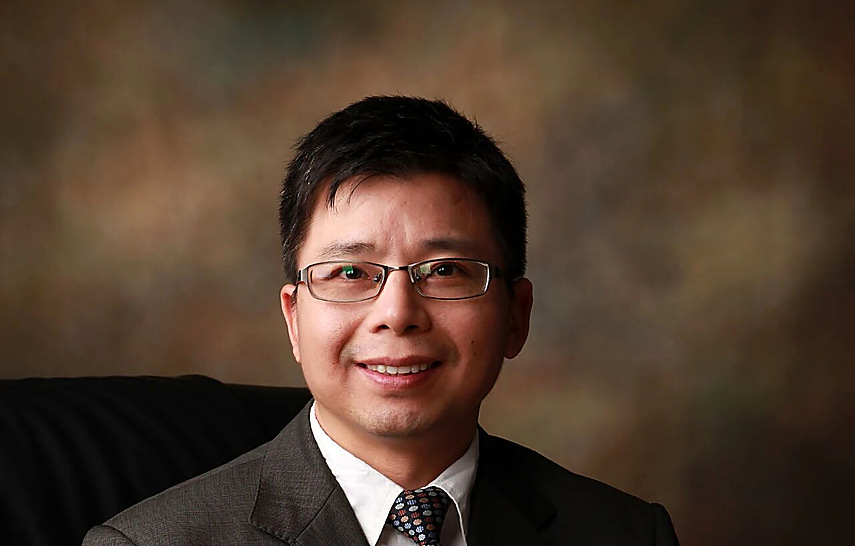
Dr. Zhao Kuaile | Radiation Oncology, and the Great Way Is Simple
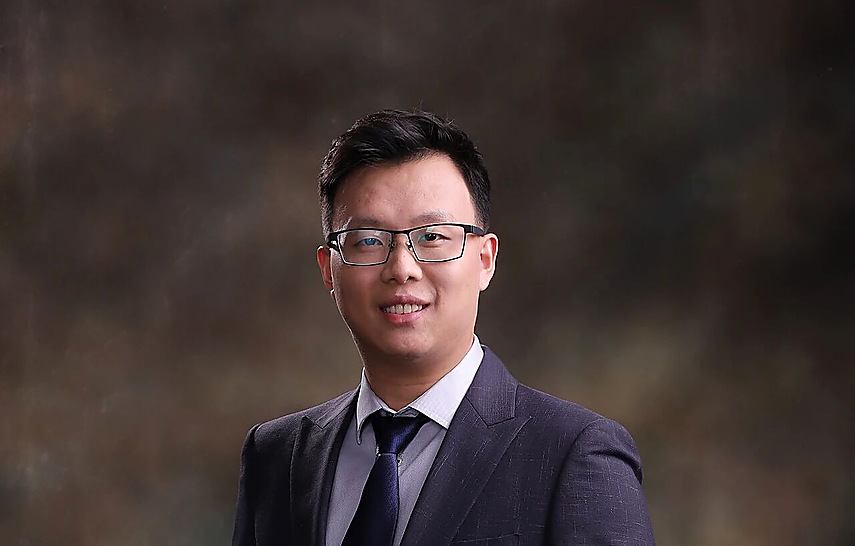
Dr. Zhao Yiming | Liver Surgery, and No Overnight Success, Only Perseverance
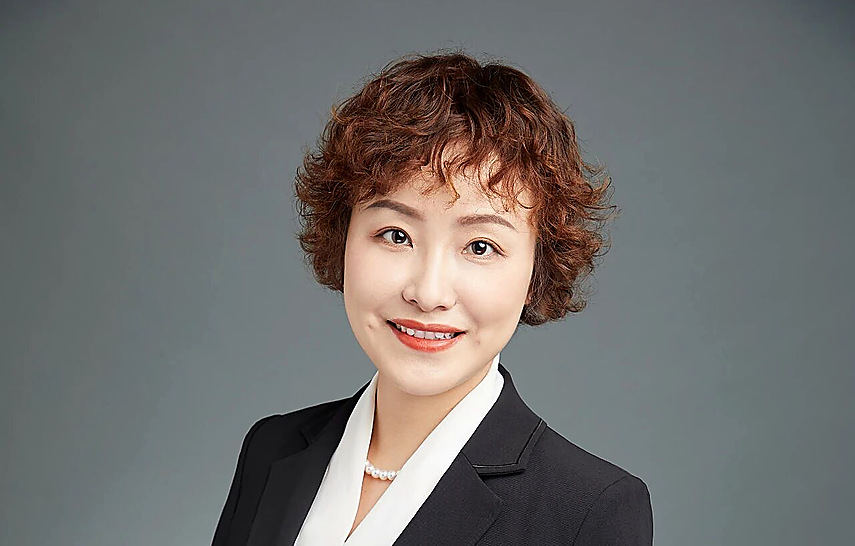
Dr. Gu Chaoying | Dermatology, and Holding On Because There Is No Other Choice
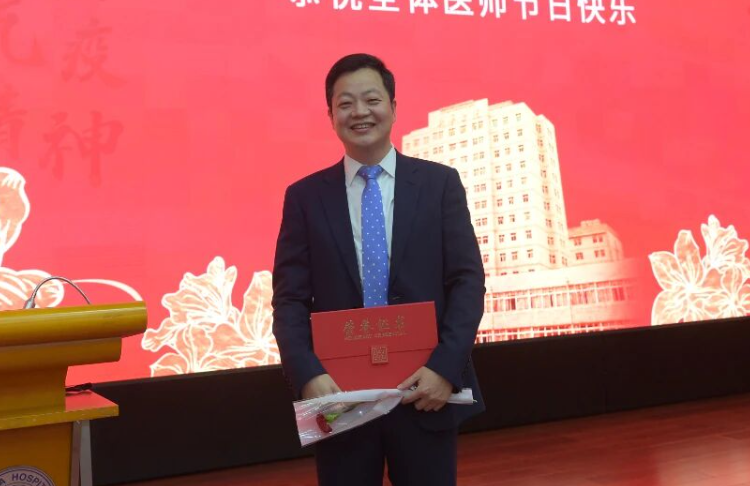
Dr. Wang Qunshan | Cardiac Electrophysiology, and Meeting the Rising Wind
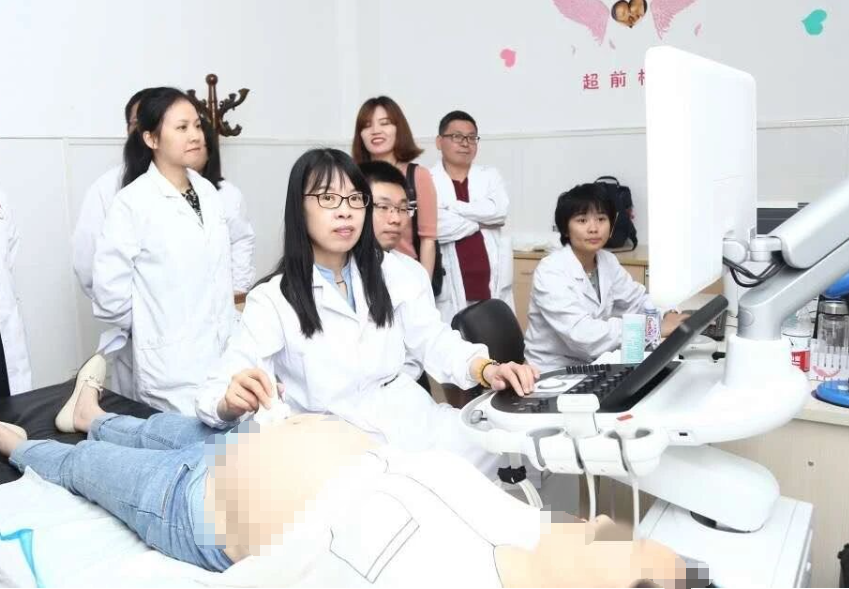
Dr. Ren Yunyun | Obstetric Ultrasound, and the Work No One Sees
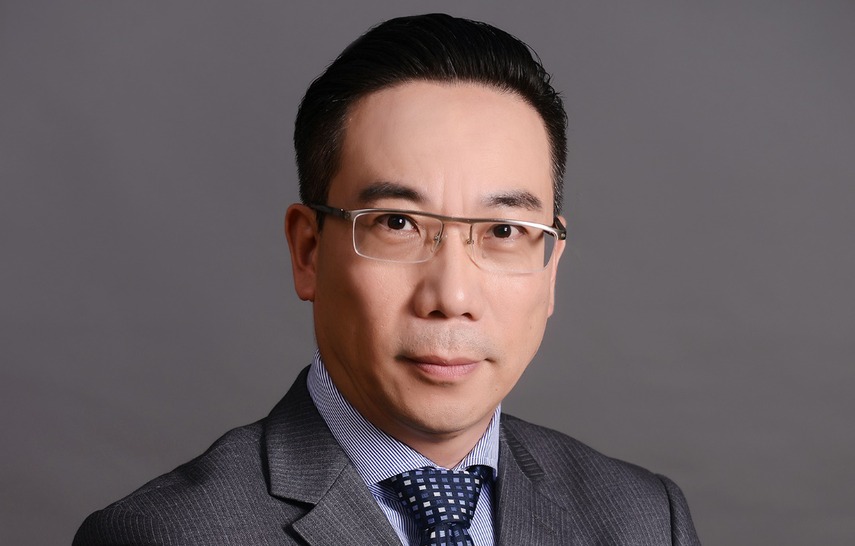
Dr. Qian Yiming | Emergency Medicine, and Neither Joy nor Fear on the Great Tide
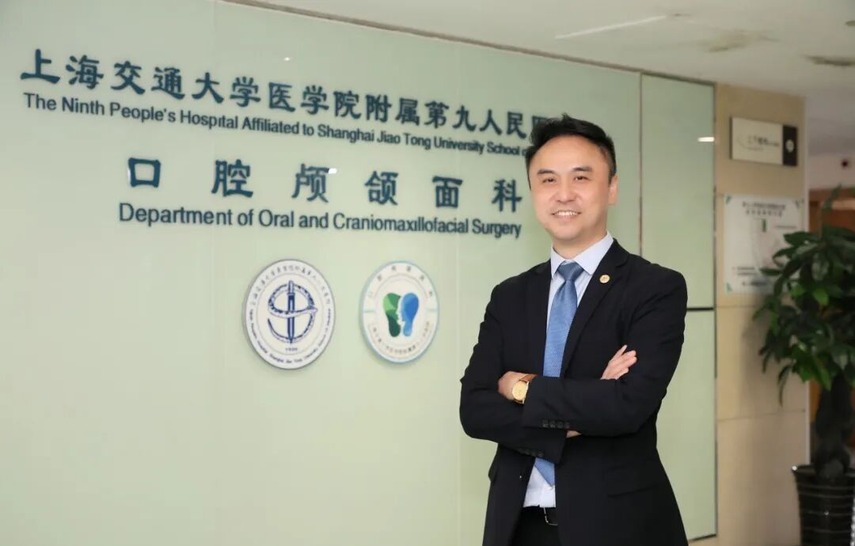
Dr. Wang Xudong | Craniomaxillofacial Surgery, and Years Written into Chapters
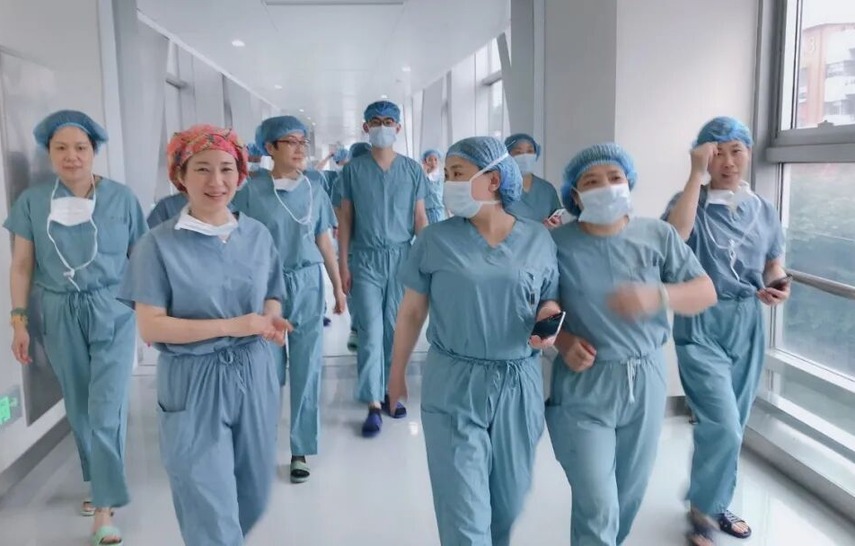
Wang Xiaoning | Operating Room Nursing, and a Grace Like the Orchid
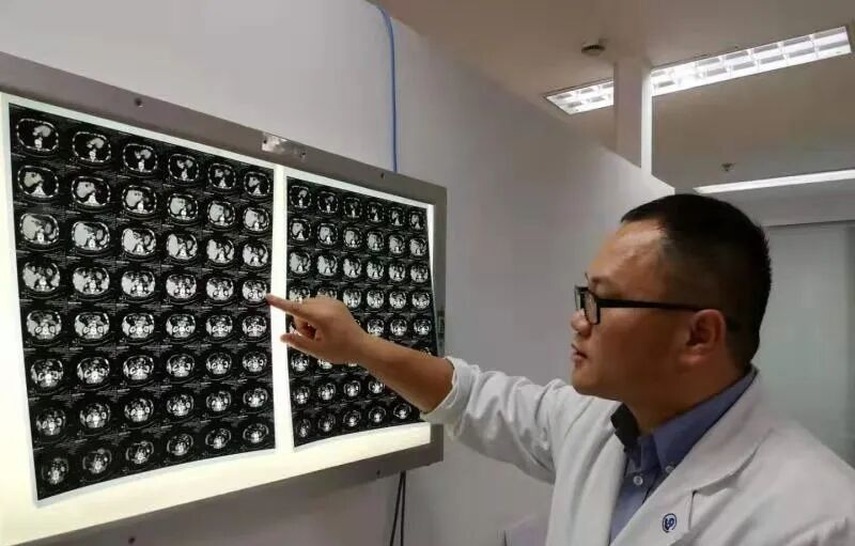
Dr. Li Guichao | Radiation Oncology, and a Peach Blossom Spring in the Heart
Dr. Lu Yanan | Pediatric Heart Surgery, and Feeling Another’s Pain as One’s Own
Copyright © 2023 Yewen Renyi & ShanghaiDoctor.cn (This website is a non - profit medical humanities platform. The information contained herein is solely for biographical and historical purposes and does not constitute any medical advice.) 沪ICP备2023005392号-2 XML 沪公网安备31010902100835号
 中文
 English
 Español
 沪公网安备31010902100835号
