ShanghaiDoctor - Where China's Healing Wisdom Shapes Modern Medicine

Update time:2026-08-28Visits:63
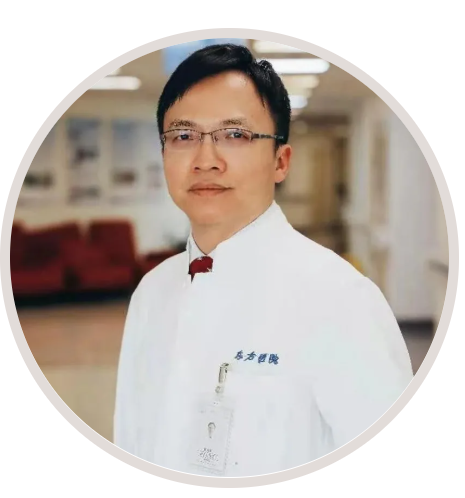
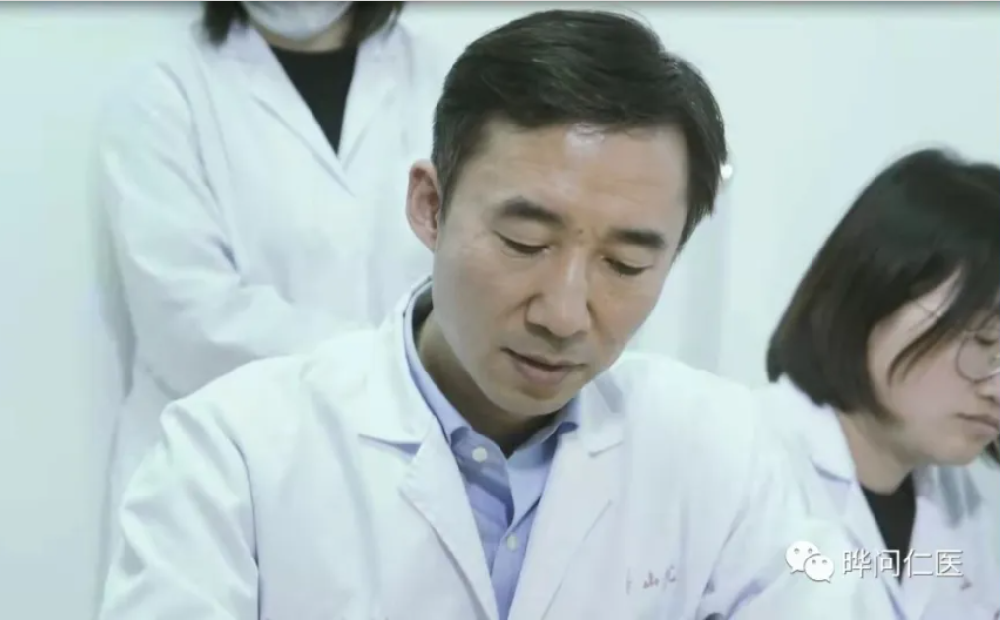
Chief Physician and Chief Expert Gallstone Center, Shanghai East Hospital, Tongji University Attending Group Leader and Co-Founder of the Center National General Surgery Specialist Training Mentor
“When we are fully immersed in an operation, we don’t feel tired. Performing surgery, for us, is a highly focused and even enjoyable process.”
— Huang Anhua
Huang Anhua is Chief Physician and Chief Expert at the Gallstone Center of Shanghai East Hospital (Affiliated to Tongji University). He is an attending-group leader, one of the center’s founding members, and a national training mentor in general surgery. Born in Dongtai, Jiangsu, he graduated from the Second Military Medical University in Shanghai in 2001 and has spent more than two decades in biliary and general surgery.
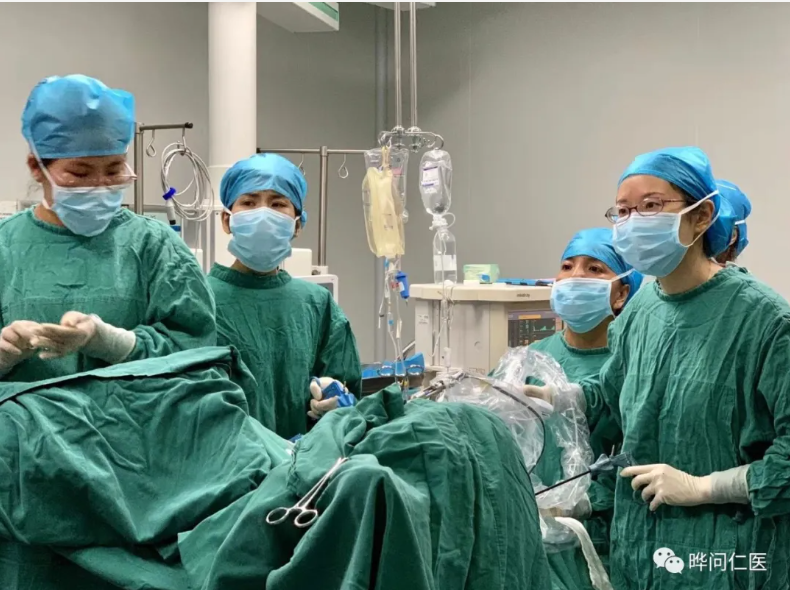
His practice focuses on gallstones, gallbladder polyps, adenomyomatosis of the gallbladder, common-bile-duct stones, and complex benign biliary disease. He is known for ultra-minimally invasive techniques—single-port laparoscopic cholecystectomy, needle-hole gallbladder-preserving surgery, gasless laparoscopy, and combined endoscopic–laparoscopic procedures (including ERCP plus laparoscopy). Over the years he has completed tens of thousands of biliary operations, with a particularly high volume of single-port and gallbladder-preserving cases.
The Gallstone Center at Shanghai East Hospital is unusual among major tertiary hospitals in China in concentrating almost exclusively on the prevention and treatment of gallstone disease. Under the leadership of Professor Hu Hai, Huang’s mentor, the department has ranked first in Shanghai for laparoscopic cholecystectomy volume for more than a decade. The team has also developed and clinically applied a patented internal gasless device designed to create a working field without carbon-dioxide insufflation—useful for selected patients who tolerate pneumoperitoneum poorly.
Huang holds committee roles related to endoscopic and gallbladder-preserving surgery and teaches graduate students and visiting surgeons through Tongji University’s Institute of Gallstone Disease. He has been recognized on national physician-rating platforms for hepatobiliary work and public-health communication. He also operates regularly at partner hospitals, extending the center’s techniques beyond Shanghai.
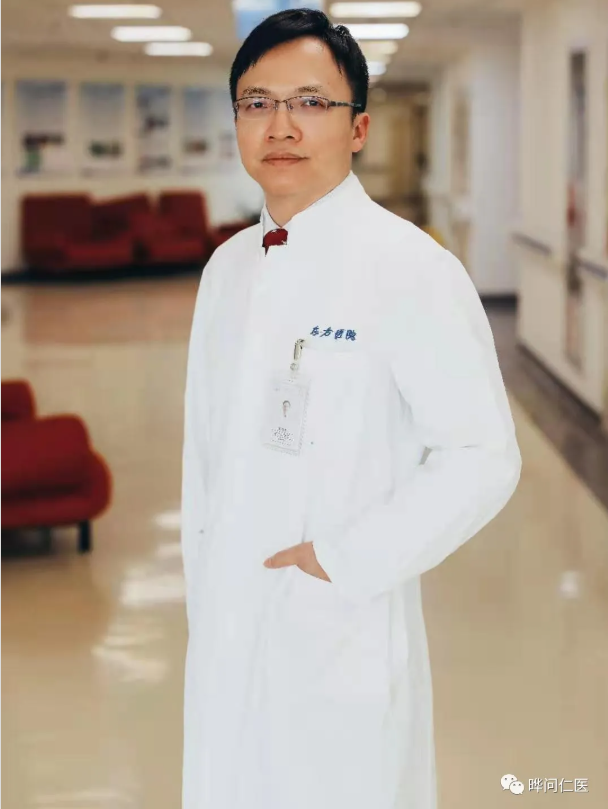
Family influence drew Huang toward medicine. In 1996 he entered the Second Military Medical University in Shanghai; after graduation in 2001 and three years of rotations he settled on general surgery. A decisive encounter came in 2004, when he became Professor Hu Hai’s first student—and later his first graduate student—at East Hospital, then still a second-tier institution that was nevertheless performing some of Shanghai’s more advanced minimally invasive procedures.
Their early scope was unusually broad: hepatobiliary disease, gastrointestinal conditions, thyroid and breast surgery, hernia, and venous disease. By 2006, however, they chose to concentrate on the most common problem of all—cholelithiasis. Gallstones affect roughly 10 to 15 percent of adults, and in some populations the figure has approached 20 percent. That focus allowed large-volume practice, technical refinement, and later innovation.
Huang spent four years as first assistant, holding the camera and learning the feel of laparoscopic work. In 2010 his mentor judged that he already had the steadiness of a lead surgeon and let him complete his first independent laparoscopic case. He finished it quickly and without the anxiety that had marked his first appendectomy years earlier. The lesson he still repeats to younger colleagues is unglamorous: fundamentals first. A sense of the scope, clinical judgment, and composure are built only through repeated cases.
In much of the world, laparoscopic cholecystectomy remains the standard operation for symptomatic gallstones. Huang’s center offers both removal and, in carefully selected patients, gallbladder-preserving stone extraction. The team’s argument is practical rather than ideological: if the gallbladder still functions, if stones can be cleared completely, and if the risk of recurrence and of later malignancy can be kept low, preservation may spare the patient the long-term consequences of living without a gallbladder. Strict indication screening is essential. Once attacks are frequent or the organ has already lost useful function, forcing preservation offers little benefit.
Very small cholesterol crystals (generally under three millimeters) may still respond to diet and medication, though the success rate is modest—often cited as under 30 percent. Stones larger than that usually require a procedure. Compared with open cholecystectomy, laparoscopic approaches shorten hospital stay from a week or more to about three days, reduce abdominal-wall trauma, and allow earlier mobilization. Many of the center’s cases are completed in roughly twenty minutes, limiting anesthesia time.
An 86-year-old man with more than thirty years of gallstones illustrated both the value and the risk of delayed treatment. Stones had migrated into the common bile duct; he had jaundice, severe inflammation, and significant heart and lung disease. Huang combined endoscopic ERCP to clear the duct with laparoscopic cholecystectomy. The operations succeeded and recovery was rapid, yet the case still troubles him: had the stones been treated years earlier, while the patient’s reserve was greater, the risk would have been far lower. His advice to elderly patients is consistent—address gallstones while overall health still permits a safer operation.
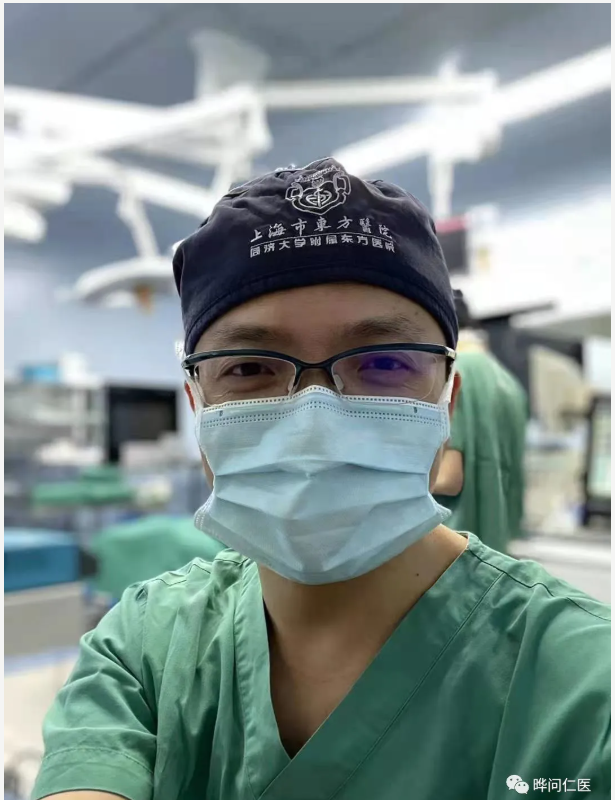
Huang’s outpatient sessions typically include about twenty reserved expert appointments plus more than twenty additional slots—often forty to fifty patients in a day. His personal record is twenty-three laparoscopic operations in a single day. He and Professor Hu share a temperament that treats the operating room as a place of concentration rather than strain. “When we are fully immersed, we don’t feel tired.”
The center’s research group has worked on the mechanisms of stone formation and on devices that reduce the physiologic burden of laparoscopy. Standard carbon-dioxide pneumoperitoneum can affect cardiopulmonary stability, increase the risk of gas embolism in vulnerable patients, and cause referred shoulder pain after surgery. The team’s internally placed gasless device—sometimes called the Zhongtong-type gasless system—creates a working field without insufflation. It is intended for selected patients who cannot easily tolerate anesthesia or who have significant heart or lung disease. The technique demands a high level of operative skill; the group continues to refine the instrument and to explore use beyond biliary surgery, including gynecology and urology.
As part of Tongji University’s Institute of Gallstone Disease, the department also trains graduate students and visiting physicians. Huang describes the group as young, willing to work hard, and willing to innovate. Teaching, he says, sharpens the teacher as much as the student.
Early in his career Huang admits he weighed decisions partly from the surgeon’s side—how to keep his own risk low. Years of practice reversed that order. He now starts from the patient’s interest: shorter treatment, less pain, and the plan most likely to serve that person over time. He likes to address patients as “fellow patients,” treating the conversation as one between people rather than between a technician and a case. Many younger doctors, he notes, hear questions as nitpicking; in fact patients are afraid of an uncertain outcome. Professional knowledge should guide them, not silence them.
Recognition, when it comes, is often informal. He frequently meets former patients who greet him in public. That sense of being useful, he says, is the strongest motivation a doctor can have.
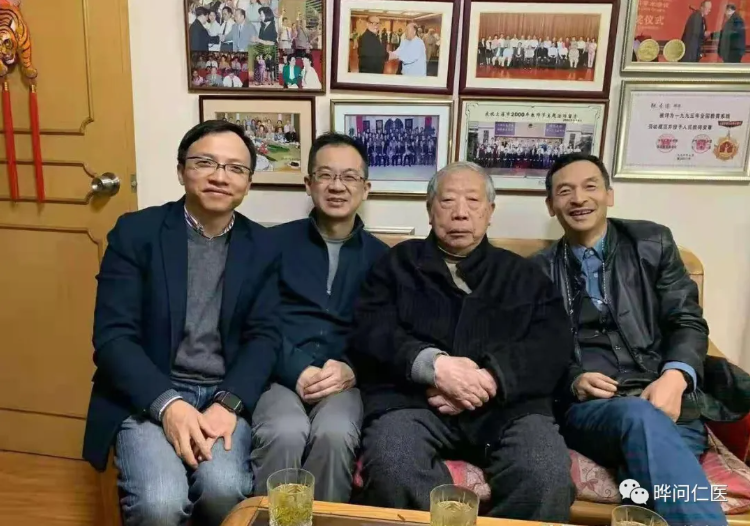

ShanghaiDoctor.cn: Director Huang, how did you embark on the path of medicine? And why did you choose biliary disease?
Huang Anhua: In 1996 I studied at the Second Military Medical University in Shanghai—largely because of family influence. My family felt that medicine was a stable and respectable profession. I graduated in 2001 and, after three years of rotation, settled on general surgery. In 2004, during graduate study, I met my mentor, Professor Hu Hai. At that time he was performing minimally invasive surgery at East Hospital across nearly all of general surgery: hepatobiliary, gastrointestinal, thyroid and breast, hernia, and more. East Hospital was still a second-tier hospital, yet several of the projects we carried out placed us among the earliest departments in Shanghai doing this work. Large-scale development of minimally invasive treatment for gallstones began in 2006.
ShanghaiDoctor.cn: Do you still remember your first independently performed laparoscopic surgery?
Huang Anhua: Yes. In 2006 I began assisting my mentor in high-volume minimally invasive biliary surgery. After about four years as an assistant, in 2010 I finally took the laparoscope into my own hands. My mentor said, “Xiao Huang, you are consistently skilled with the scope and already possess the composure of a principal surgeon.” That year he let me perform my first operation. I completed it very quickly, without the heavy sweating and anxiety that had marked my first appendectomy. For young surgeons, foundational skills are paramount. A feel for the scope, clinical reasoning, and mental resilience are all honed through countless cases. Young doctors must not rush. Once the foundation is secure and the time is right, a young surgeon will mature quickly.
ShanghaiDoctor.cn: What are the common biliary diseases in daily practice?
Huang Anhua: The most common condition in minimally invasive biliary surgery is gallstones; the second is gallbladder polyps; the third is adenomyomatosis of the gallbladder. We also treat choledocholithiasis and, less often, problems at the distal end of the common bile duct such as papillary stricture. These are the benign diseases of the specialty. There are malignant conditions as well—gallbladder cancer, bile-duct cancer, pancreatic-head cancer, and others.
ShanghaiDoctor.cn: Your workload is enormous. How do you persist under such high-intensity work?
Huang Anhua: I treat work as an enjoyment. When I truly enter the surgical state, my mind experiences a kind of release. After a well-executed operation I also feel a sense of accomplishment. That is why I remain relaxed in the operating room and generally do not feel physically drained.
ShanghaiDoctor.cn: When surgeons evaluate surgical plans with patients, they often need to choose the most suitable option. How do you make those considerations?
Huang Anhua: Early in my career I tended to weigh decisions from the surgeon’s perspective, focusing on minimizing my own risk. After more than ten years that approach changed: the patient’s perspective now comes first. I often say, “Think of Dr. Huang as a friend, and I will treat you as a friend or family member.” Surgical risk is no longer my primary concern; the best treatment plan for the patient is the goal we both pursue.
ShanghaiDoctor.cn: At the current stage of medical development, do significant challenges remain in everyday surgical practice?
Huang Anhua: Although minimally invasive surgery has advanced rapidly, certain areas remain underexplored. For malignant biliary tumors our standard approach is still predominantly open surgery; laparoscopic techniques are comparatively uncommon. Our clinical practice is largely focused on benign stone disease. Looking ahead, I hope to expand into malignant tumors after rigorous training and the refinement of mature techniques. Professor Hu once said, “The surgeon’s ultimate enemy is himself.” To challenge oneself is necessary. The highest state of a surgeon’s development is to reach a point where “no scalpel is needed.” Prevention comes first: every disease should be prevented early, detected early, diagnosed early, and treated early.
ShanghaiDoctor.cn: Regarding recurrent stone formation, what is your view? Is there a better prevention plan?
Huang Anhua: Stone recurrence is an ever-present topic. Gallstones always have underlying causes, and poor dietary habits are a primary trigger—diet is also where we can intervene. After gallbladder-preserving surgery, the most fundamental preventive measure is for patients to change their own eating patterns. With good lifestyle practices, nearly 90 percent of patients who undergo gallbladder-preserving surgery will not experience recurrence.
ShanghaiDoctor.cn: Could you share more cases related to laparoscopic minimally invasive gallbladder-preserving surgery?
Huang Anhua: Stones smaller than roughly three millimeters are often cholesterol crystals and may be managed with lifestyle change or medication. Stones larger than that usually need a procedure. Historically, cholecystectomy was the only surgical option. Many patients waited until the gallbladder had lost function and then had both the organ and the stones removed. After decades of development, laparoscopic gallbladder-preserving surgery has become highly refined, and we now have a range of options. If preservation is feasible, we advise patients not to wait until attacks are frequent or complications appear; by then the gallbladder has already lost meaningful function. Preservation serves three purposes: keep the organ working, reduce the chance of recurrence, and lower the risk of later malignancy. That is why we keep strict criteria.
Huang Anhua: One patient was 86 years old, with more than thirty years of gallstones, recurrent indigestion, and several acute episodes. Because of age and heart and lung disease he was afraid of surgery. He came to us with jaundice after stones had migrated into the bile duct. He underwent two procedures: endoscopic ERCP for the duct stones and laparoscopic cholecystectomy. Both succeeded and he recovered smoothly. Looking back I still feel a lingering sense of risk—the baseline was poor, inflammation was severe, and the gallbladder had compressed the common bile duct. For elderly patients my advice is to treat stones as early as possible while the body is still in good condition. Waiting until several other diseases appear at once carries great risk. This is a cautionary example.
ShanghaiDoctor.cn: In the current field of technology, what other challenges still need to be overcome?
Huang Anhua: First, materials—whether the materials and stents used in biliary surgery can be designed to degrade or integrate with the body. Second, whether ultra-miniature robots could one day solve problems without incisions, like capsule devices that enter the gallbladder and clear diseased tissue. That is the ideal we pursue, and it still requires technological advance.
ShanghaiDoctor.cn: If given the opportunity, would you be interested in becoming an inventor in this field?
Huang Anhua: I do have that intention. That is why I have always been learning from my mentor, Professor Hu Hai. He is very innovative, with extremely sharp thinking. He is adept at questioning himself, constantly challenging his own assumptions and challenging received authority. The same applies in clinical practice—many treatment methods are not necessarily perfect, and one must keep questioning and keep pace with the times. Innovation matters. In surgical technique and instruments we continually hope to introduce new ideas. This is the path we must persist in taking.
ShanghaiDoctor.cn: Have you ever counted how many “firsts” your department has achieved?
Huang Anhua: In terms of surgical volume, in the annual rankings released by the Shanghai Municipal Health Commission our department’s laparoscopic cholecystectomy has ranked first for eleven consecutive years. On new-media platforms the number of gallstone patients in our outpatient clinic and our overall ranking are both number one. That is quite a statement about the demand and the team’s consistency.
ShanghaiDoctor.cn: What expectations do you have for young doctors?
Huang Anhua: After practicing as a surgeon for a certain number of years I often feel that we confine our thinking within a fixed framework. Young doctors must plant the seed of questioning received authority, and they must also keep challenging themselves. Second, they should work steadfastly and pragmatically. Conduct oneself well, handle affairs well, and produce solid scholarly work—these are the three crucial steps in the growth of a surgeon.
From a family decision to study medicine, through four years of holding the camera for a demanding mentor, to a high-volume practice built around gallstones and the choice between preserving and removing the gallbladder, Huang Anhua has arrived at a simple professional ethic: put the patient’s interest first, keep the technical foundation solid, and treat the operating room as a place of concentration rather than strain. The shadowless lamp, in his telling, is not a symbol of hardship. It is the place where a well-prepared surgeon can still find a kind of quiet pleasure in work done well.
If you need any help from Dr. Huang, please be free to let us know at Chenqing@ShanghaiDoctor.cn.
Dr. Li Wei | A Dermatologist Specializing in Atopic Dermatitis and Allergic Skin Disease
Dr. Ding Ding | A Gynecologist Specializing in Endometriosis and Minimally Invasive Surgery
Dr. Wang Xuefei | Gastrointestinal Surgeon Advancing Care for Early-Onset Gastric Cancer
Dr. Gu Jun | A Dermatologist Whose Medical Values Were Forged Over Decades
Dr. Huang Wenyan | Specialist in Children’s Kidney and Autoimmune Diseases
Dr. Long Qiqi | Expert in Endometriosis and Minimally Invasive Gynecologic Surgery
Dr. Li Wei | A Dermatologist Specializing in Atopic Dermatitis and Allergic Skin Disease
Dr. Huang Anhua | A Biliary Surgeon Specializing in Minimally Invasive and Gallbladder-Preserving Surgery
Dr. Ding Ding | A Gynecologist Specializing in Endometriosis and Minimally Invasive Surgery
Dr. Wang Xuefei | Gastrointestinal Surgeon Advancing Care for Early-Onset Gastric Cancer
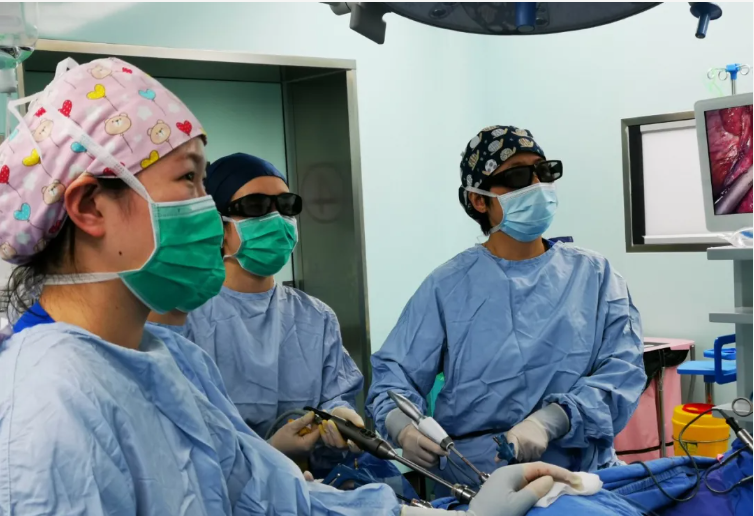
Dr. Yi Xiaofang | Director of General Gynecology — Expertise in Endometriosis and Minimally Invasive Surgery
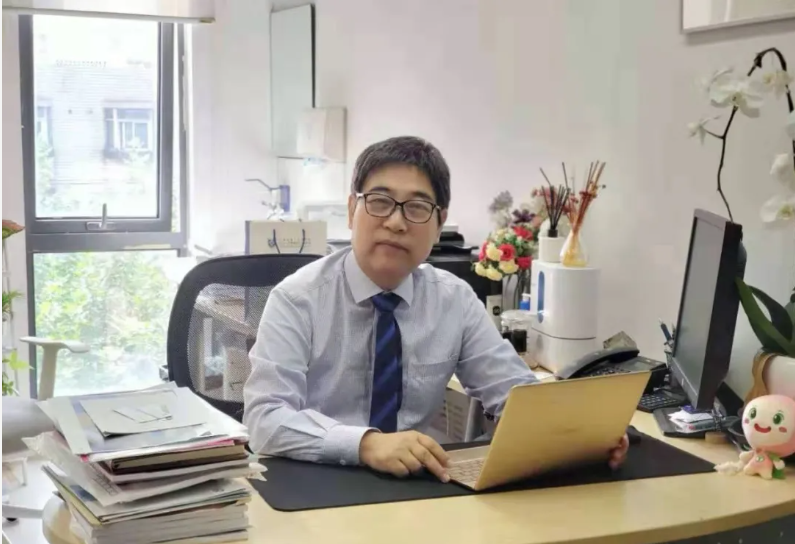
Dr. Gu Jun | A Dermatologist Whose Medical Values Were Forged Over Decades
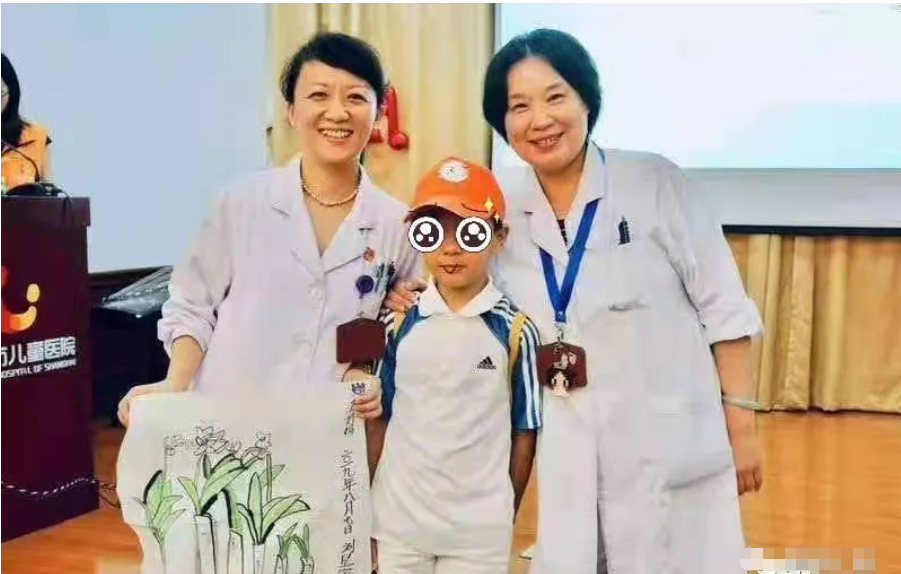
Dr. Shao Jingbo | Pediatric Hematologist Specializing in Leukemia, Rare Diseases, and Stem Cell Transplantation
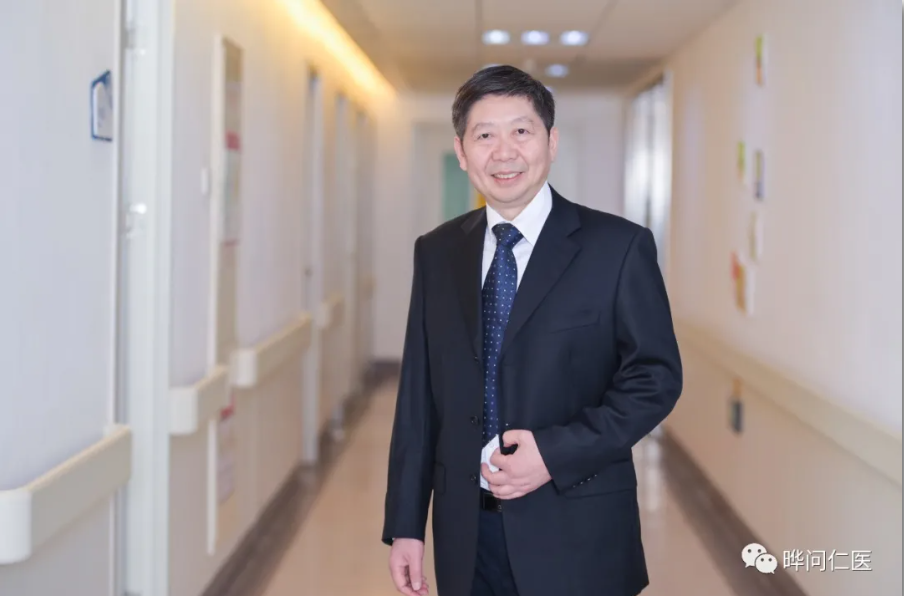
Dr. Huang Wenyan | Specialist in Children’s Kidney and Autoimmune Diseases
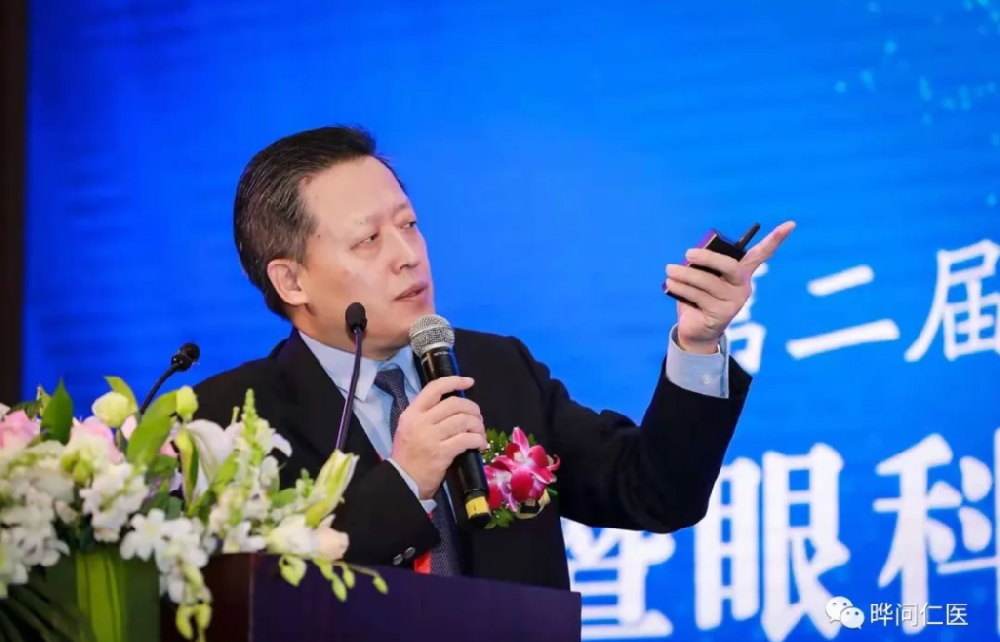
Dr. Lian Jingcai | The Magic Hands of Ophthalmology
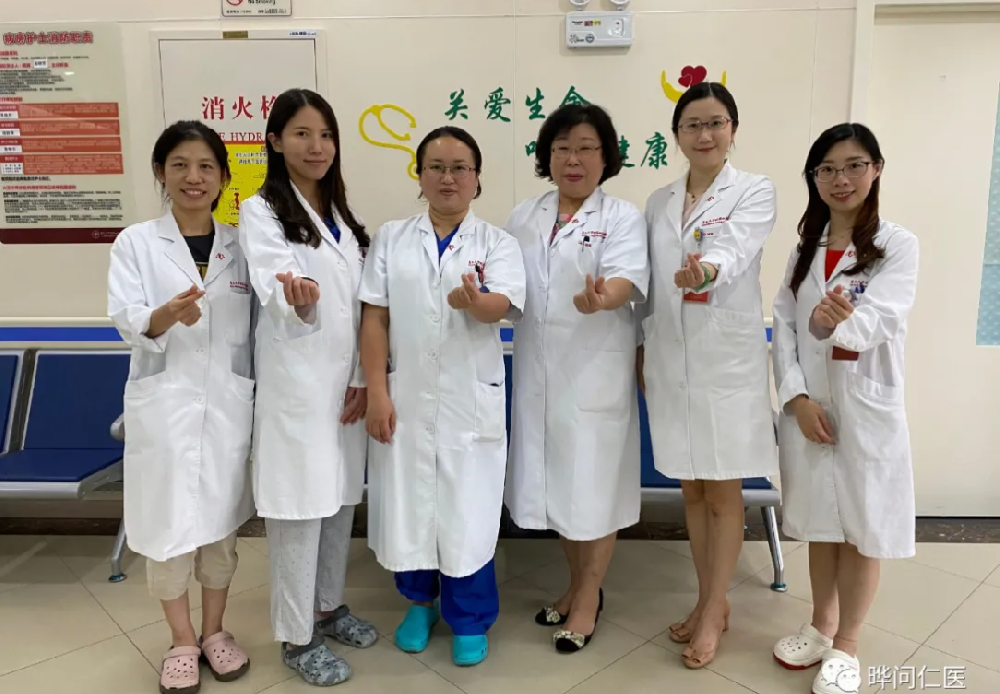
Dr. Long Qiqi | Expert in Endometriosis and Minimally Invasive Gynecologic Surgery
Copyright © 2023 Yewen Renyi & ShanghaiDoctor.cn (This website is a non - profit medical humanities platform. The information contained herein is solely for biographical and historical purposes and does not constitute any medical advice.) 沪ICP备2023005392号-2 XML 沪公网安备31010902100835号
 中文
中文 English
 Español
 沪公网安备31010902100835号