ShanghaiDoctor - Where China's Healing Wisdom Shapes Modern Medicine

Update time:2026-08-15Visits:3691
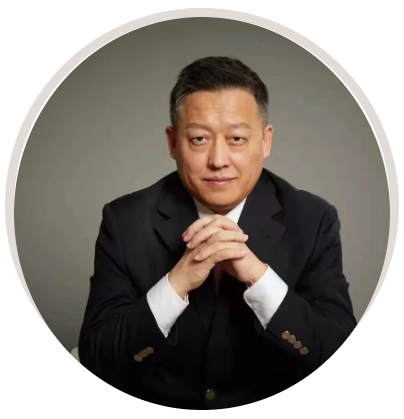
Director and Chief Physician Shanghai Xinshijie Zhongxing Eye Hospital Adjunct Professor and Doctoral Supervisor, Tongji University School of Medicine Former Director of Ophthalmology, Shanghai Ruijin Hospital
“Do what should be done, and refrain from what should not be done. Do not seek quick success or chase immediate economic benefits. Focus on long-term goals, put patient care at the core, and carry out the original mission of healing the sick and restoring sight.”
— Lian Jingcai
Lian Jingcai is Director and Chief Physician of Shanghai Xinshijie Zhongxing Eye Hospital (New Vision Zhongxing), Adjunct Professor and Doctoral Supervisor at Tongji University School of Medicine, and former Director of the Department of Ophthalmology at Shanghai Ruijin Hospital. He holds standing and leadership roles in the Laser Medicine Branch of the Chinese Optical Society, the Chinese Non-Public Ophthalmology Committee, and several Shanghai medical associations.
For more than three decades he has specialized in refractive surgery and modern cataract surgery. Using excimer and femtosecond lasers he has treated over 100,000 cases of myopia, hyperopia, and astigmatism. He has performed nearly 20,000 cataract procedures with phacoemulsification and femtosecond-laser assistance, more than 1,000 implantable collamer lens (ICL) implantations, and extensive work in presbyopia correction. Colleagues across China have long referred to him as possessing “magic hands” for the breadth and precision of his surgical repertoire.
He has led or participated in 15 research projects (including National Natural Science Foundation grants), published more than 80 papers, edited or co-edited 15 books, and spoken at over 50 national and international conferences. He is a recipient of a Provincial Science and Technology Progress Second Prize and a Shanghai Science and Technology Progress Third Prize.
Born in 1963 into a farming family in Heilongjiang, Lian Jingcai still speaks of his northern childhood with a smile—wild strawberries on the hillsides, catfish and carp from the stream below the reservoir, carefree days after school. As the youngest of six children he also learned early the realities of rural life: helping with household chores, digging wild vegetables to feed the family’s ducks and geese.
After the college-entrance examination he had planned to enter a military academy, but his parents, wishing to keep their children nearby and constrained by family circumstances, asked him to remain in the Northeast. He enrolled at Harbin Medical University. Once there he threw himself into medical study. In his final undergraduate year he chose the ophthalmology track, influenced both by the moving portrayal of an eye doctor in the film At Middle Age and by the visible suffering of patients whose lives had been altered by loss of sight. The prospect of restoring vision, and the relatively immediate results of ophthalmic surgery, drew him strongly.
During internship at the Second Affiliated Hospital of Harbin Medical University he discovered a natural facility under the microscope. After graduation in 1986 he pursued a master’s degree under Professor Jing Chongde, a leading expert in glaucoma and cataract; after Professor Jing’s death he continued under Professor Lü Shiyong. Those three years combined clinical training in intraocular surgery with laboratory work related to glaucoma and a period of study in ophthalmic electrophysiology at Zhongshan Ophthalmic Center in Guangzhou. He stayed on at the hospital after the master’s degree, focusing on myopia and cataract, learning radial keratotomy at a time when instruments were scarce and imported equipment prohibitively expensive.
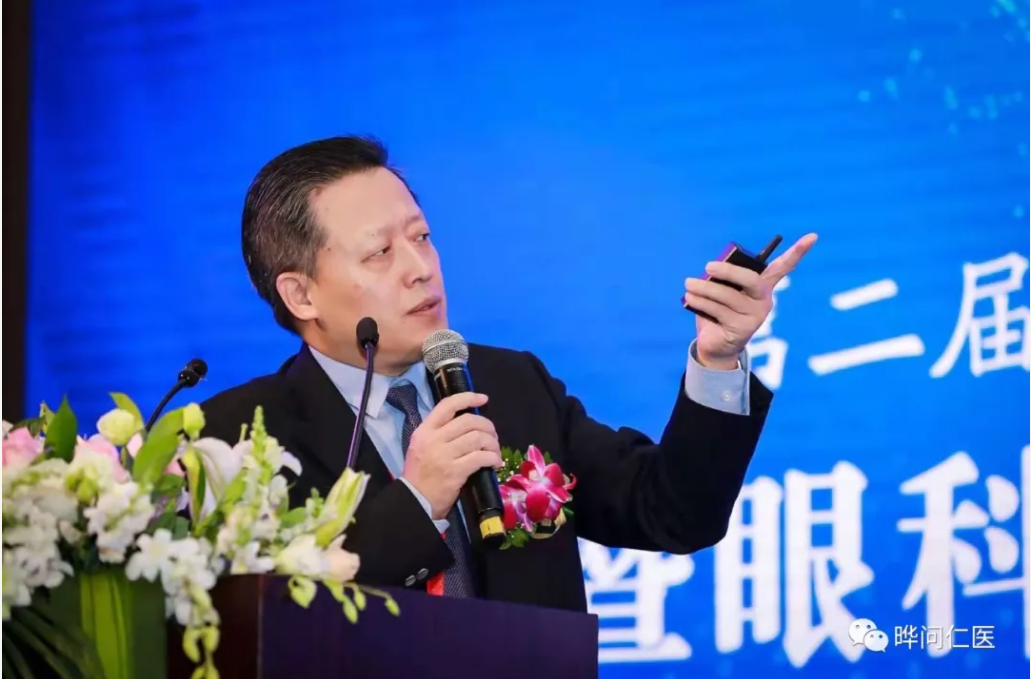
In 1992 he moved south to pursue a doctorate at Shanghai Second Medical University under Professor Wang Kangsun at Ruijin Hospital, a pioneer in ophthalmic laser research. His dissertation combined basic studies of Er:YAG laser corneal ablation with clinical work on excimer-laser refractive surgery. In 1994 Ruijin Hospital acquired one of the early excimer lasers in Shanghai; many doubted the investment would pay off while radial keratotomy remained the dominant myopia procedure. Lian was among the first surgeons in the city—and in China—to use the technology.
He still remembers the name of his first PRK patient: a 35-year-old computer engineer with more than 1,000 degrees of myopia for whom radial keratotomy was unsuitable. The hospital later introduced the microkeratome and began performing LASIK; results were excellent and the capital cost was recovered within a year. One early high-profile case involved a local official with severe anisometropia (200 degrees in one eye, 1,200 in the other). The disparity made stereopsis impossible and falls frequent. Assigned the surgery, Lian felt a brief echo of the film scene in which an ophthalmologist operates on a leader; the patient simply said, “I trust you. Go ahead with confidence.” The outcome was successful.
Over the following decades he mastered successive generations of technology—PRK, LASIK, LASEK, femtosecond SMILE, phakic intraocular lenses (including ICL), and refractive lens exchange—while also maintaining competence across cataract, glaucoma, retinal, strabismus, and amblyopia surgery. Few surgeons in China command so wide a refractive repertoire. When intraocular-lens implantation for high myopia later produced secondary cataracts in some patients, he traveled to Guangdong to learn modern phacoemulsification, further expanding his range.
In 2012 the refractive center at Ruijin Hospital was reorganized as Ruishi Eye Clinic. Lian remained as chief operating surgeon to continue supporting his mentor and the advanced technology base. In 2015 he became president of Shanghai Xinshijie Zhongxing Eye Hospital, a private institution whose services span refractive surgery, cataract, glaucoma, fundus disease, and optometry. He is frank about the dual pressures of clinical quality and institutional performance in a listed-company setting.
“Medical quality must always come first. Performance is important, but an enterprise can only survive when medical safety and quality are guaranteed. We will never perform unnecessary or excessive procedures simply for the sake of numbers. When reputation grows from reliable outcomes, performance follows naturally.”
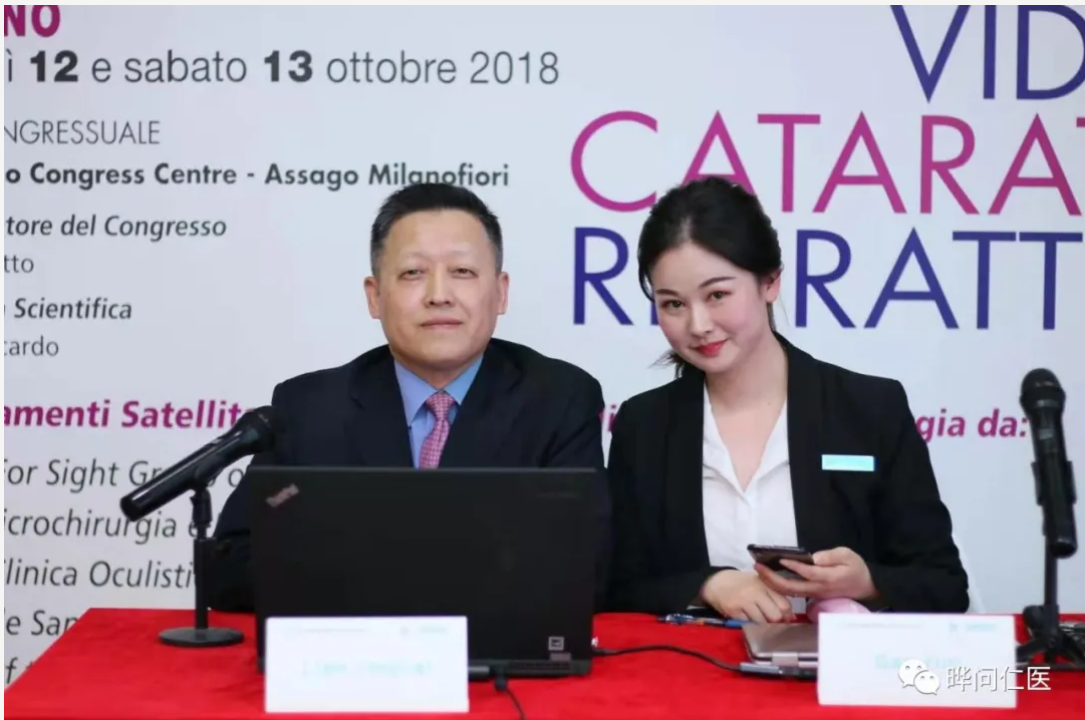
In 2016 the hospital began collaborating with Carl Zeiss on trifocal intraocular lenses—an advance that provides simultaneous distance, intermediate, and near vision and has reduced dependence on reading glasses for many patients with presbyopia or combined refractive problems. One patient, a successful entrepreneur in his sixties from Suzhou with 1,400 degrees of myopia plus presbyopia, arrived nearly despairing: “Even if I have money, what good are blind eyes?” After trifocal lens surgery his vision recovered to 1.2 without glasses. At follow-up he embraced Lian, tears of relief on his face, and later described buying a motorhome and traveling the country. “It was technology that changed his life,” Lian says. Earlier generations of lenses could not fully restore the continuum of vision; the trifocal design closed that gap.
Across more than thirty years at the operating table, what he values most in his own practice is sustained caution and exactitude. In over two decades of cataract surgery he has never dropped a lens nucleus into the vitreous—an uncommon record. From preoperative assessment through intraoperative observation to postoperative follow-up, meticulous habits keep complications rare.


ShanghaiDoctor.cn: Do you still remember your first myopia-surgery patient?
Lian Jingcai: I remember it very clearly. That was many years ago. He was a young man with 2,000 degrees of myopia, working as a security guard at a garment factory. Because of his poor eyesight he had failed the physical examination and lost the chance to take the college-entrance examination. After I performed laser surgery on him, the young man got into college and later became an architect. It can be said that the entire trajectory of his life was changed.
ShanghaiDoctor.cn: Could you share your views on Zeiss’s trifocal technology?
Lian Jingcai: The development of medicine and surgery cannot be separated from the research and development of medical devices and equipment. Take intraocular-lens technology: if it had remained in the era of monofocal lenses, patients would forever be limited to a single focal plane after surgery. Currently Zeiss’s trifocal lens is among the best available. In the future the technology will continue to develop and ultimately approach the natural lens—elastic, capable of autonomously adjusting refractive power. That would be the most perfect outcome.
ShanghaiDoctor.cn: In your view, what kind of relationship should exist between the development of technology and humanity?
Lian Jingcai: As an ophthalmologist I have personally experienced that every advancement in technology is making people’s lives better. Intelligent innovation is emerging across medicine and every other field; daily life is becoming more convenient and refined. Living in such an era is our good fortune. At the same time, everything has two sides. When material desires are satisfied too effortlessly, people can stop cherishing what they have and lose a sense of reverence. When society reaches a certain stage of development, it must rediscover its original aspiration.
ShanghaiDoctor.cn: What do you do in your spare time?
Lian Jingcai: I like listening to the Dedao app while driving to and from work; I benefit a great deal from it. The host has recommended many books, and sometimes I buy them. Yuval Noah Harari’s Sapiens and Homo Deus are both worth reading. The future Harari describes—only a tiny percentage of people still working while the rest live in a permanent state of artificial happiness—is bleak and thought-provoking. These books have given me much to reflect on.
ShanghaiDoctor.cn: What would you do if you felt restless before performing surgery?
Lian Jingcai: At such a time I would adjust the surgery schedule a little to improve my mood. Of course, pure ophthalmic surgery is an enjoyment for me—helping patients regain their sight through skill brings a great sense of accomplishment. On the operating table I forget both myself and the external world; the scalpel and I become one.
ShanghaiDoctor.cn: When are you most relaxed?
Lian Jingcai: When all of today’s surgeries have gone smoothly, I drive home listening to music and feel very relaxed. I have a few favorite songs that I play on a loop. People of my generation feel inspired when hearing those melodies.
Yewen Renyi: In your opinion, what counts as a good surgery?
ShanghaiDoctor.cn: From the patient’s perspective, it is one where both the doctor and the patient are satisfied. Sometimes the doctor thinks the surgery was perfect, yet the patient feels little change—for example after a long retinal-detachment repair in which anatomic success does not immediately translate into better vision. That can be frustrating. A surgery that satisfies both parties, even if it is not the theoretically ideal option, is a good one. From the doctor’s perspective, surgery must still aim for technical perfection. On the operating table we are sometimes confronted with difficult decisions; the guiding principle remains the patient’s long-term interest.
From a Heilongjiang childhood of wild strawberries and hard rural work, through training in Harbin and Shanghai, the early days of excimer laser refractive surgery in China, tens of thousands of procedures across every major refractive and cataract platform, and leadership in both public and private settings, Lian Jingcai has maintained a single standard: technical exactitude in the service of the patient’s restored vision. The “magic hands” nickname reflects not flash but accumulated precision. Technology advances; the responsibility to use it carefully remains constant.
Editor: Chen Qing
If you need any help from Dr. Lian, be free to let us know at Chenqing@ShanghaiDoctor.cn.
Dr. Yuan Gongjie | Children's Smiles, and the Orthodontist Who Still Tells Stories
Dr. Wang Chaoyang | Vitrectomy, and Flowers Once Hidden in the Eye
Dr. Zhao Jinhua | Nuclear Medicine, and the Flowers Along the Road
Dr. Shi Yuling | Psoriasis, and Spring Mountains Beyond the Plain
Dr.Ying Chunmei | Laboratory Medicine, Renewed a Little Every Day
Dr. Zhang Lei | Children's Airways, and a Preference for Being Plain
Dr. Chen Tongyu | Chest Surgery Without a Tube, and No Claim to Greatness
Dr. Hua Xiaolin | High-Risk Obstetrics, and a Child Worth Keeping
Dr. Yuan Gongjie | Children's Smiles, and the Orthodontist Who Still Tells Stories
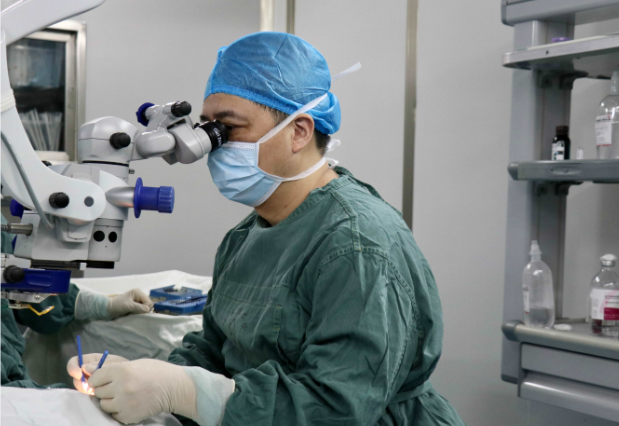
Dr. Wang Chaoyang | Vitrectomy, and Flowers Once Hidden in the Eye
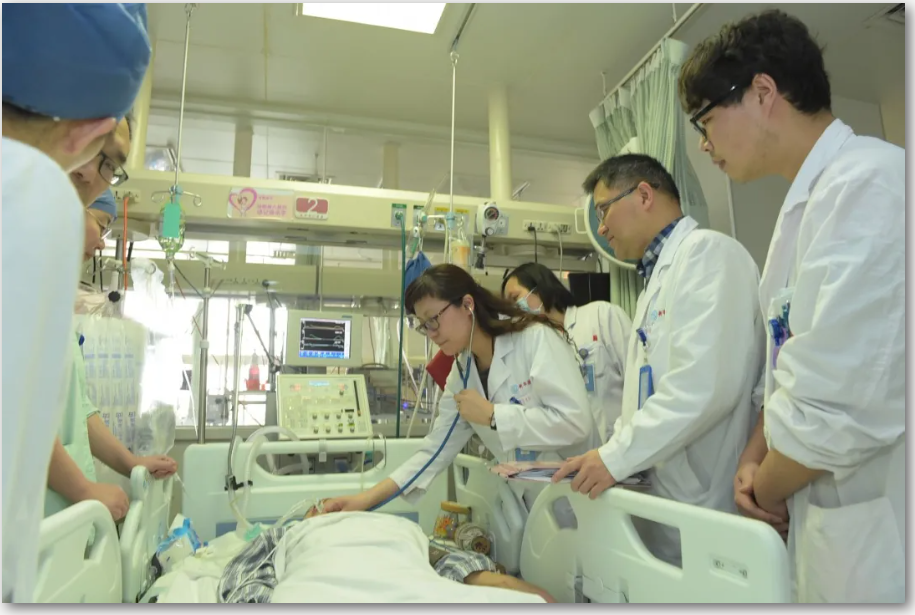
Dr. Fei Aihua | Emergency Medicine, and Striving to Win
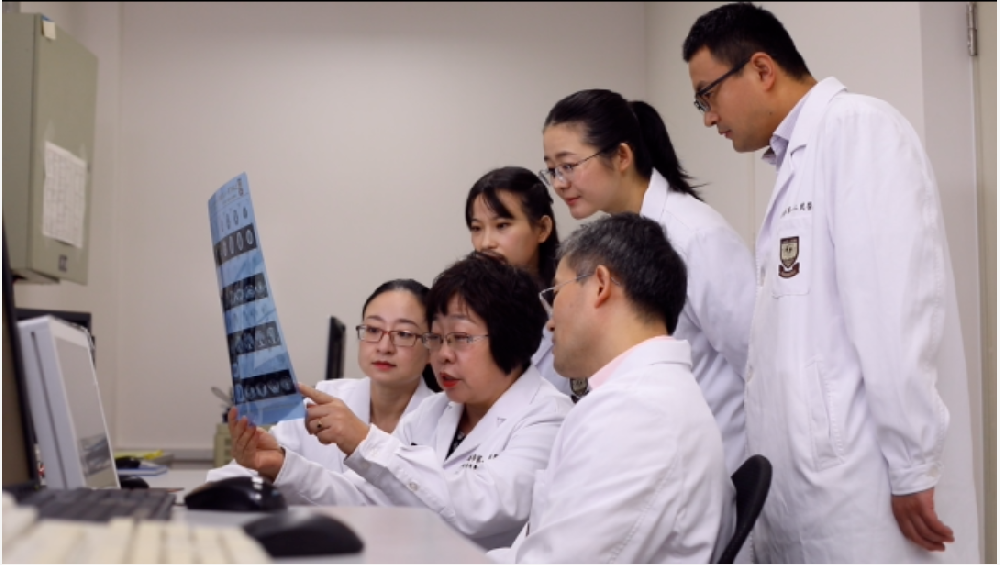
Dr. Zhao Jinhua | Nuclear Medicine, and the Flowers Along the Road
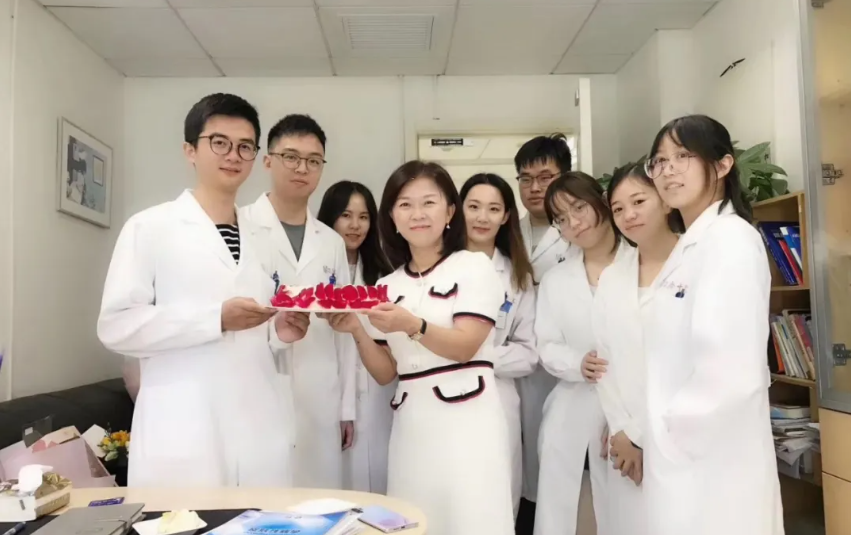
Dr. Shi Yuling | Psoriasis, and Spring Mountains Beyond the Plain
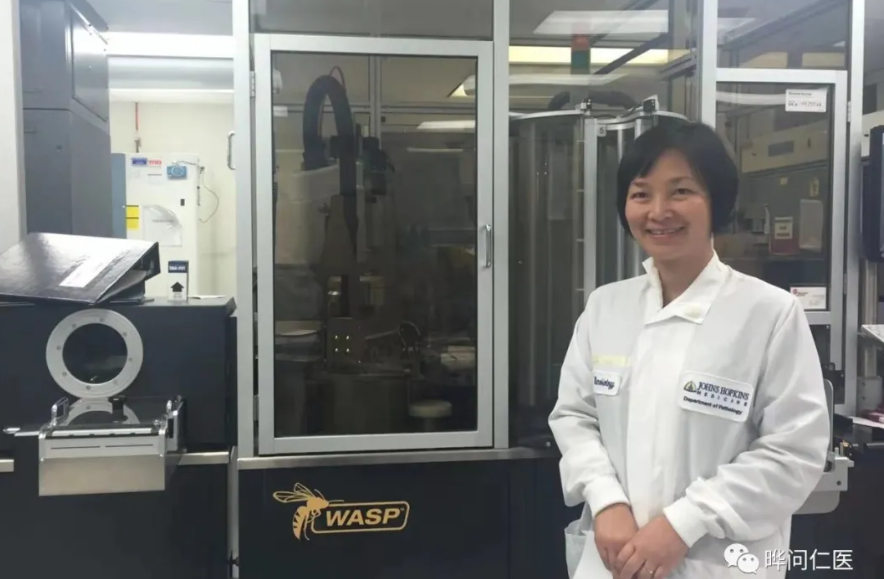
Dr.Ying Chunmei | Laboratory Medicine, Renewed a Little Every Day

Dr. Zhang Lei | Children's Airways, and a Preference for Being Plain
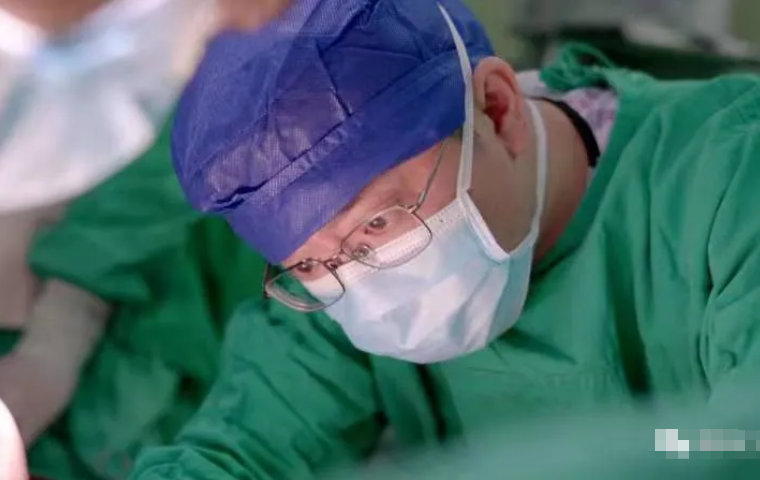
Dr. Chen Tongyu | Chest Surgery Without a Tube, and No Claim to Greatness
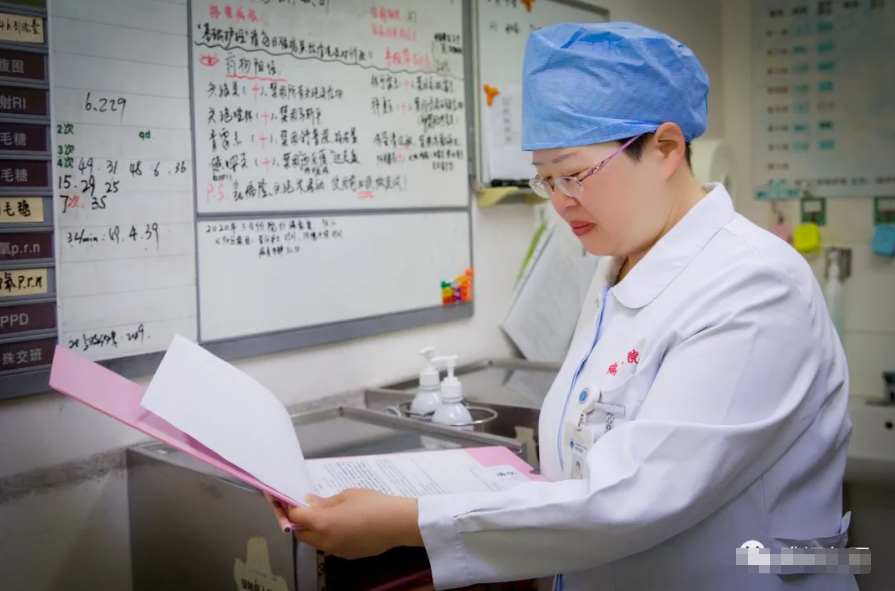
Cui Jie | An Infectious-Disease Nurse Who Kept Walking In
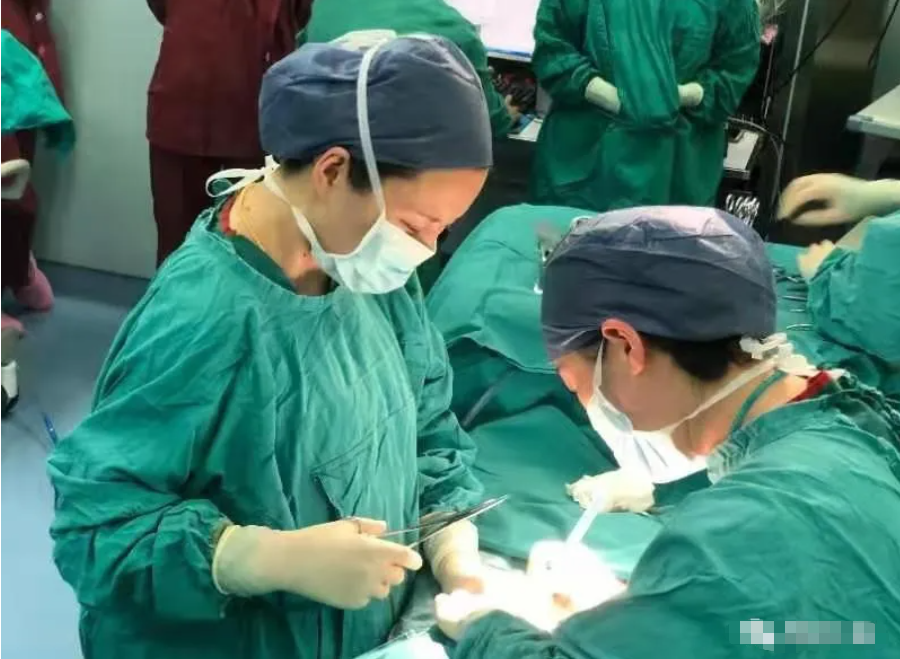
Dr. Hua Xiaolin | High-Risk Obstetrics, and a Child Worth Keeping
Copyright © 2023 Yewen Renyi & ShanghaiDoctor.cn (This website is a non - profit medical humanities platform. The information contained herein is solely for biographical and historical purposes and does not constitute any medical advice.) 沪ICP备2023005392号-2 XML 沪公网安备31010902100835号
 中文
中文 English
 Español
 沪公网安备31010902100835号