ShanghaiDoctor - Where China's Healing Wisdom Shapes Modern Medicine

Update time:2026-08-23Visits:2889
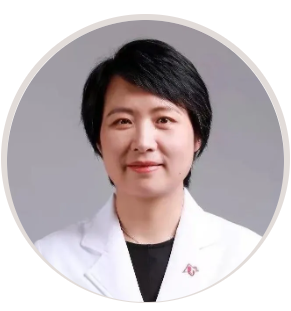
Chief Physician, Doctoral Supervisor, and Director of General Gynecology Obstetrics and Gynecology Hospital of Fudan University Deputy Head, Endometriosis Group, Obstetrics and Gynecology Specialty Branch of the Shanghai Medical Association Member, multiple national committees on pelvic floor, enhanced recovery, and oncological reproduction
“I always believe in the power of the team. Standing on the shoulders of mentors and working alongside dedicated colleagues, an individual can achieve far more than any solitary effort.”
— Yi Xiaofang
Yi Xiaofang is Chief Physician, Doctoral Supervisor, and Director of General Gynecology at the Obstetrics and Gynecology Hospital of Fudan University (commonly known as the Red House Hospital). She holds positions on several national and regional committees, including the Pelvic Floor and Pelvic Pain Group and the Enhanced Recovery After Surgery Committee of the Chinese Medical Doctor Association’s Minimally Invasive and Noninvasive Medicine branch, the Oncological Reproduction Branch of the China Eugenics Science Association, and leadership roles within the Shanghai Medical Association’s endometriosis and endoscopy groups. She also heads the Gynecological Clinical Quality Control Group for Huangpu District.
She advocates a minimally invasive philosophy and is skilled in the appropriate endoscopic diagnosis and treatment of a wide range of gynecologic conditions. Her particular clinical focus is deep infiltrating endometriosis—a complex disease that demands both advanced Level-4 laparoscopic skill and the judgment of a gynecologic oncologist. Her related research has been presented orally at international meetings, including the annual congress of the American Association of Gynecologic Laparoscopists (AAGL).
As first or corresponding author she has published more than forty papers in Chinese and SCI-indexed journals. She has co-edited monographs such as Practical Obstetrics and Gynecology and Endometriosis, and has co-translated classic texts including Te Linde’s Operative Gynecology and Bonney’s Gynaecological Surgery. After completing doctoral training she undertook postdoctoral research in gynecologic oncology at the University of Arizona Cancer Center before returning to Shanghai to continue clinical and academic work.
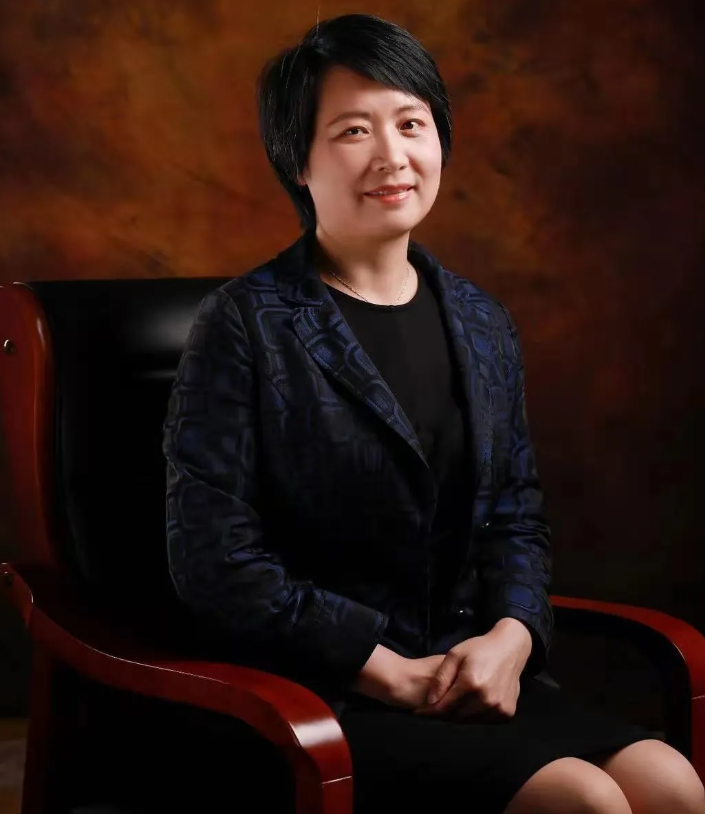
Yi Xiaofang was born in Yichun, Jiangxi. She had excelled academically and was recommended for admission to the computer-science program at Beijing University of Aeronautics and Astronautics—her preferred path. A sudden high fever during the college-entrance examination altered those plans; she was admitted instead to Jiangxi Medical College. Initially disappointed, she was guided by a thoughtful grade director who insisted that students must first learn to love medicine before they could shoulder responsibility for patients’ lives. That counsel took root. She graduated with strong grades and served as Youth League branch secretary, already demonstrating the sense of collective responsibility that would later define her leadership style.
She entered Jiangxi Provincial Maternal and Child Health Hospital as an obstetrician-gynecologist, motivated in part by her mother’s difficult obstetric history and later health struggles. At the hospital entrance stood a statue of Norman Bethune and the motto “Noble Virtue and Exquisite Medical Skill.” Yi came to understand the order of those words as essential: character first, then technical mastery.
Her first clinical mentor was Director Li Chengxin, a Kyoto University–trained gynecologic oncologist and student of one of China’s early pioneers of cervical-cancer surgery. As a restless young doctor eager to operate, she was kept holding retractors and writing histories. Director Li compared the process to cooking porridge: every stage of tempering is necessary before one can handle the operating table independently. His meticulous care of patients and quiet dedication during rural screening trips left a lasting impression. Through his recommendation she attended a national gynecologic-oncology conference, met Professor Zhang Xiyin of Fudan’s Obstetrics and Gynecology Hospital, and resolved to pursue postgraduate training in Shanghai.
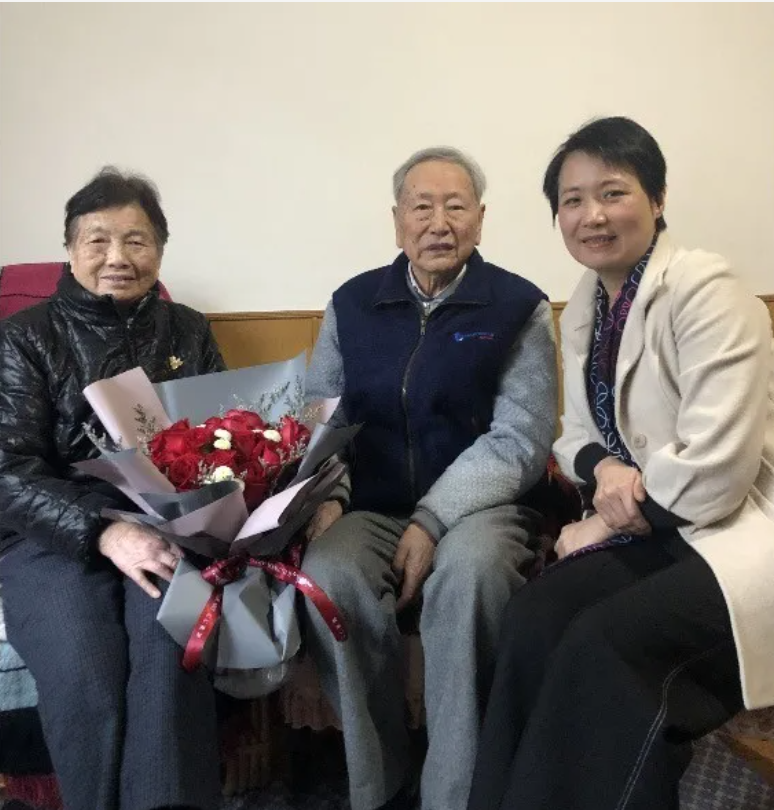
In 1999 Yi arrived in Shanghai as the first master’s student of Professor Liu Xishi, then director of gynecology at the Obstetrics and Gynecology Hospital of Fudan University and a leading figure in complex gynecologic surgery and endometriosis. Professor Liu’s standards were exacting: careless records were rejected on the spot, vague presentations interrupted. Yet she invested enormous time in revising papers, coaching conference talks, and guiding research design. She never criticized negative experimental results; instead she helped analyze them and encouraged new directions. Her insistence on disciplined use of time continues to influence how Yi mentors her own students.
Doctoral training followed under Professor Feng Youji, a noted gynecologic oncologist known for the maxim “There are things one should do, and things one should not do.” He urged her to purchase the most appropriate research reagents without fear of cost so that the data would meet international standards. Under his guidance she completed in-vivo studies and published her first SCI paper.
After the doctorate she spent two years as a postdoctoral fellow in gynecologic oncology at the University of Arizona Cancer Center. The experience broadened her exposure to multidisciplinary seminars, laparoscopic simulation training, and complex surgical cases. When the fellowship ended she returned to China on schedule, choosing to continue her career at the Red House Hospital.
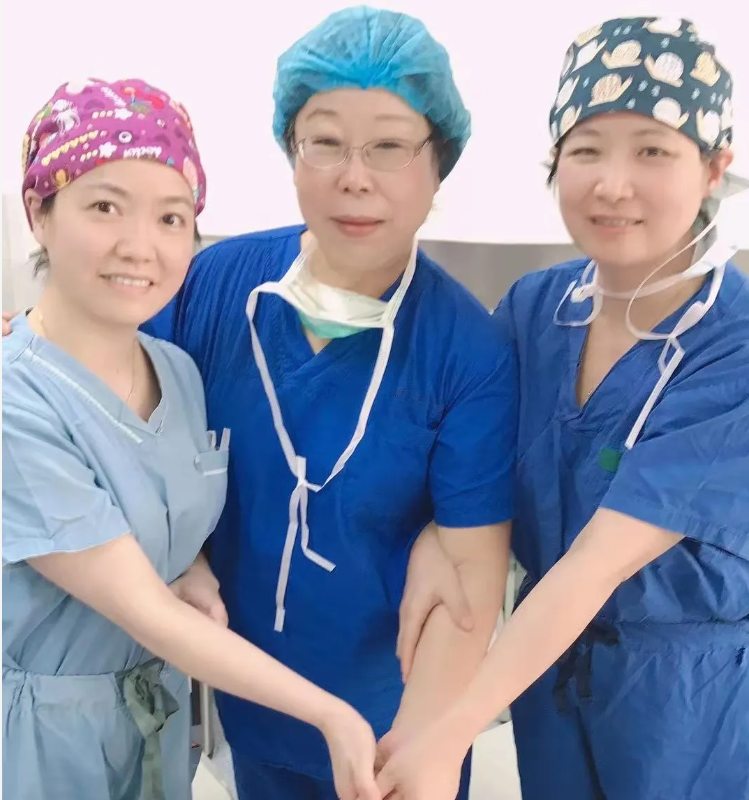
Upon returning in 2008 Yi continued clinical work and research while being guided by Professor Hua Keqin, a leading expert in minimally invasive gynecologic surgery. Under Professor Hua she first confronted deep infiltrating endometriosis—a condition that causes severe, often debilitating pain and requires the surgeon to navigate highly distorted anatomy while preserving reproductive and digestive function. Long operations frequently ended after midnight; colleagues nicknamed her “Night Fragrance” for the late returns home. The challenge of the disease and the example of her mentors solidified her commitment to this field.
In 2010 the hospital’s endometriosis team was formally established under Professors Liu Xishi and Guo Sunwei. Over more than a decade the group has built an internationally recognized clinical and research program in endometriosis and adenomyosis. Yi regards the team’s strength as fundamental: “I always believe in the power of the team. At the front are wise leaders; in the middle are hardworking colleagues. Once separated from the team, an individual is limited.” She now assists in leading general gynecology, applying the same collaborative approach to multidisciplinary care and to the development of younger surgeons.
In her view a mature subspecialty team ultimately benefits the patients it serves. When experts from different disciplines meet, mutual respect and shared goals—radical treatment of disease while preserving function—produce the best outcomes.
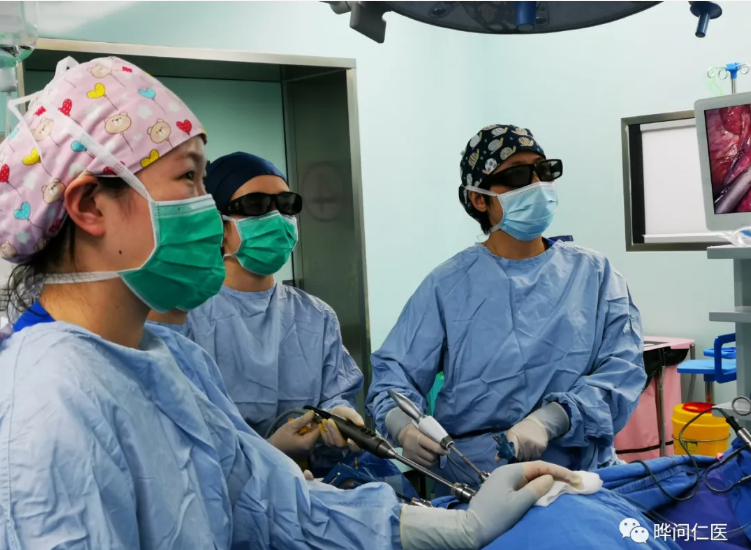

ShanghaiDoctor.cn: What does a good surgery look like in your eyes?
Yi Xiaofang: A good surgery must fully understand the patient’s needs. A woman with endometriosis may come seeking relief from pain and request radical surgery. Yet that same surgery could compromise ovarian function and eliminate the chance of future pregnancy. It is essential to clarify deeper goals beforehand—especially fertility wishes. Without that assessment, even a technically perfect operation can be a failure.
ShanghaiDoctor.cn: What characteristics do patients with deep infiltrating endometriosis have?
Yi Xiaofang: The most prominent symptom is pain—the kind of tormenting pain that can drive a person to despair, reaching the highest level on the pain scale. Pain affects emotions, so it is important to understand the patient. Sometimes a woman may appear irritable; in reality she is suffering intensely and is not deliberately looking for conflict. If professional skill can help her escape that suffering, the physician must do everything possible.
ShanghaiDoctor.cn: Do you have any patients who left a deep impression on you?
Yi Xiaofang: There was a 26-year-old unmarried woman whose menstrual pain had caused long-term depression and nearly ten years of antidepressant use. Multiple examinations had failed to identify the cause. After she came to me I performed an anorectal examination, found a nodule, and localized the problem to the rectovaginal septum. Minimally invasive surgery removed the nodule from the intestine. The pain disappeared; at follow-up she had stopped antidepressants entirely. Resolving a physical illness while also relieving a psychological burden—that is the greatest success.
ShanghaiDoctor.cn: What are you mainly focusing on at the moment?
Yi Xiaofang: I focus on the prevention of endometriosis. Girls should pay attention to menstrual hygiene and avoid strenuous exercise during periods. Adolescent dysmenorrhea deserves prompt evaluation—about 10 percent of such pain is related to endometriosis, and some cases hide chocolate cysts or congenital malformations. We also need to improve doctors’ diagnostic awareness. Recurrent hydronephrosis, for example, is not always a urologic problem; extrinsic compression by deep endometriosis can be the true cause. Raising both public awareness and professional recognition is essential. We are systematically collecting clinical difficulties and using research to seek solutions.
ShanghaiDoctor.cn: Do you still have any leisure time now?
Yi Xiaofang: Very little. Besides clinical work there is teaching and research. When I rest I read a book or watch a movie. Complete relaxation remains a luxury.
ShanghaiDoctor.cn: You are now the chief of general gynecology. Where does the pressure of managing the department lie?
Yi Xiaofang: I am moving forward standing on the shoulders of giants—this is both an honor and a challenge. Professor Liu Xishi built an excellent platform, and hospital leadership continues to support gynecology. Beyond completing my own work I must help every member of the team shine, focus on talent development, and give young doctors enough room to grow so the team can continue. It feels like a relay race: I have received the baton and the pressure begins the moment I take the field.
ShanghaiDoctor.cn: What are your management characteristics?
Yi Xiaofang: I manage with a light touch—non-interference in day-to-day details—yet I do a great deal of communication and coordination, acting as a kind of glue that keeps people working together. I hope each person does their duty and remains proactive and enterprising.
ShanghaiDoctor.cn: What are your thoughts on medicine?
Yi Xiaofang: Medicine is a discipline that helps people. Medical technology is a public tool; it should be shared so that patients benefit.
ShanghaiDoctor.cn: Your surname is Yi, which can mean “change.” After many years of practicing medicine, what have you changed?
Yi Xiaofang: After becoming a doctor the kindness deep in my heart has been further amplified. The evaluation others give me is “kindly.” I think that is the greatest encouragement. I like the role of a doctor.
ShanghaiDoctor.cn: Do you have any regrets?
Yi Xiaofang: One recent loss stays with me. During my advanced training in the United States I had the opportunity to observe Dr. Kenneth Hatch, a pioneer of laparoscopic surgery for gynecologic tumors. His team began performing such procedures as early as 1991—well before they became widespread in China. He had planned to visit us, but he passed away after contracting COVID-19. He was deeply committed to education and generous in sharing knowledge. The loss is significant.
ShanghaiDoctor.cn: Have you ever been misunderstood by patients?
Yi Xiaofang: Yes. I have encountered patients throwing tantrums, rolling on the floor, and family members creating serious disturbance. In those moments I felt profound anguish and even thought of walking away. Living through the experiences ultimately brought a kind of relief. When I was most distressed, leaders offered strong support and reminded me of the difficulties our predecessors faced. Medicine is, after all, a path that includes thorns.
ShanghaiDoctor.cn: After practicing medicine for so many years, do you have any insights?
Yi Xiaofang: Time flies. It has been more than twenty-five years since I obtained my medical license. To become a settled doctor one must endure a long period of tempering—ten or twenty years. Early on I was easily swayed by patients’ emotions. With experience comes greater steadiness and the ability to focus on what truly helps the person in front of you.
From a redirected path into medicine in Jiangxi, through formative years under exacting mentors in Shanghai, postdoctoral exposure abroad, and more than a decade of concentrated work on deep infiltrating endometriosis, Yi Xiaofang has consistently returned to one conviction: individual excellence is multiplied by the team that surrounds it. In the operating room, in multidisciplinary discussions, and in the quiet development of younger colleagues, that belief continues to guide her practice and her leadership.
Editor: Chen Qing
If you need to contact to Dr. Yi, please be free to email us at Chenqing@ShanghaiDoctor.cn.
Dr.Sun Jing | Fertility-Sparing Surgery, and a Future Already Here
Dr. Li Qingyun | Sleep Apnea, and Illness Removed Without a Sound
Dr. Zhu Zhiling | Gynecologic Surgery, and a Line She Would Not Cross
Dr. Yuan Gongjie | Children's Smiles, and the Orthodontist Who Still Tells Stories
Dr. Wang Chaoyang | Vitrectomy, and Flowers Once Hidden in the Eye
Dr. Zhao Jinhua | Nuclear Medicine, and the Flowers Along the Road
Dr. Shi Yuling | Psoriasis, and Spring Mountains Beyond the Plain
Dr.Ying Chunmei | Laboratory Medicine, Renewed a Little Every Day
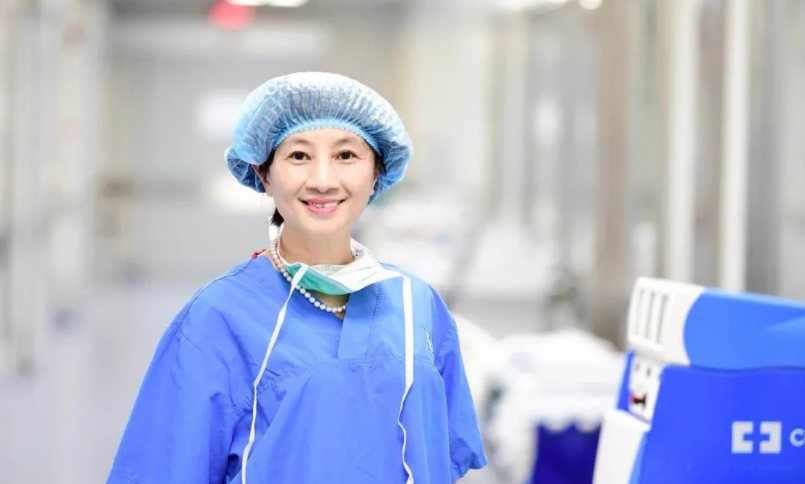
Dr.Sun Jing | Fertility-Sparing Surgery, and a Future Already Here
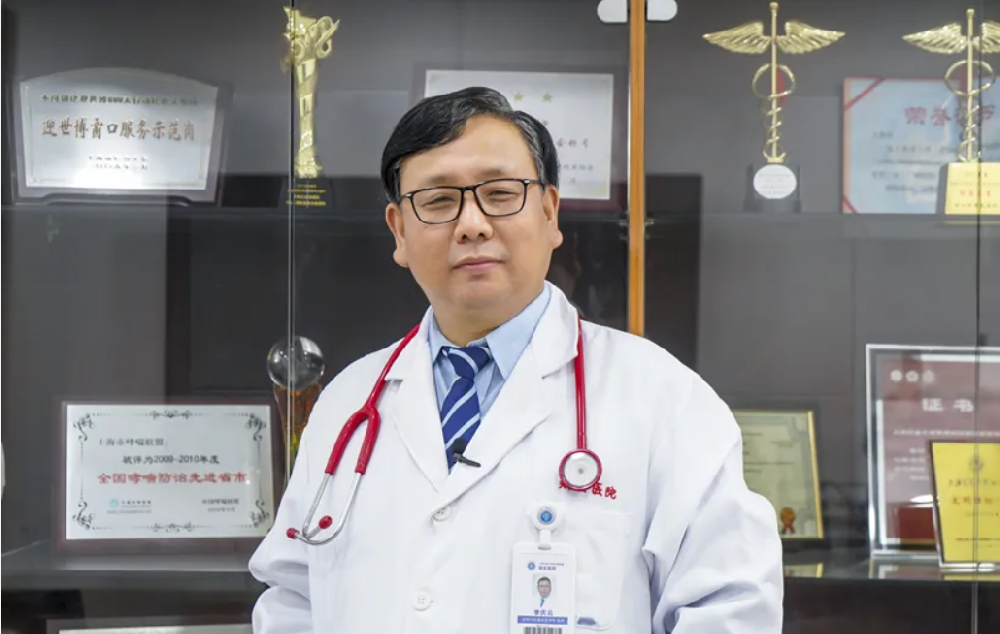
Dr. Li Qingyun | Sleep Apnea, and Illness Removed Without a Sound
Dr. Shen Qian | Children’s Kidneys, Lucid and Gentle
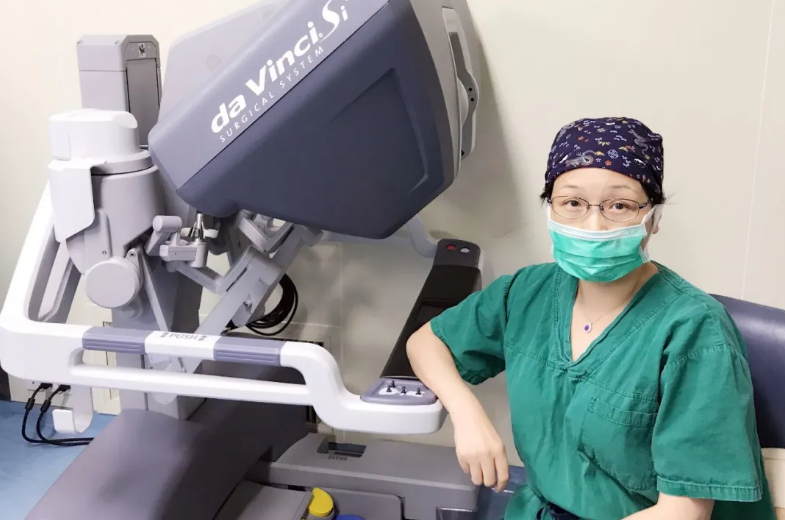
Dr. Zhu Zhiling | Gynecologic Surgery, and a Line She Would Not Cross
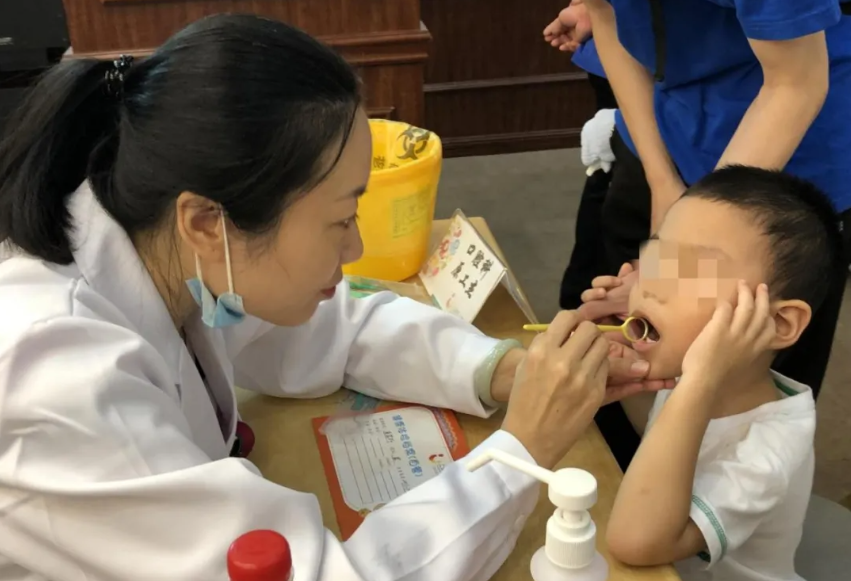
Dr. Yuan Gongjie | Children's Smiles, and the Orthodontist Who Still Tells Stories
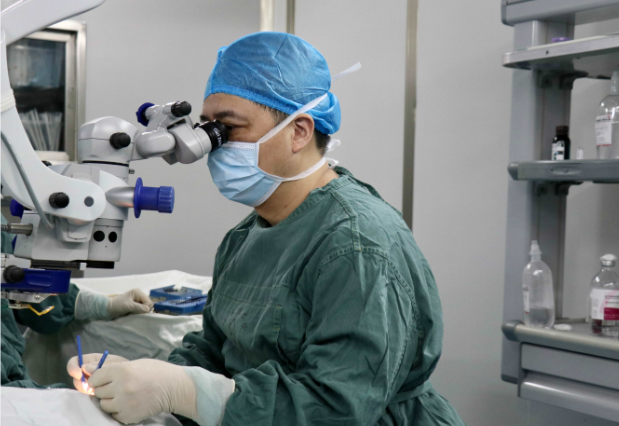
Dr. Wang Chaoyang | Vitrectomy, and Flowers Once Hidden in the Eye
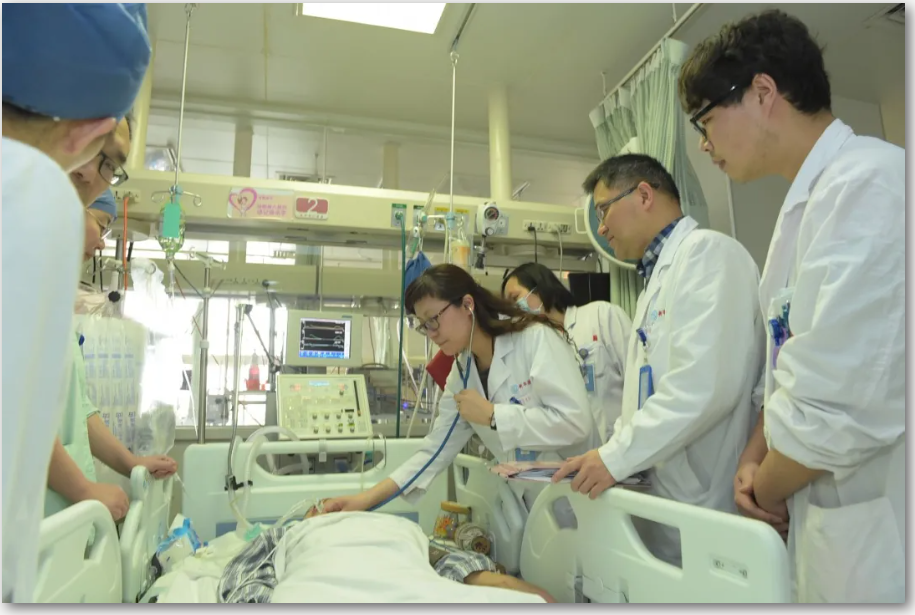
Dr. Fei Aihua | Emergency Medicine, and Striving to Win
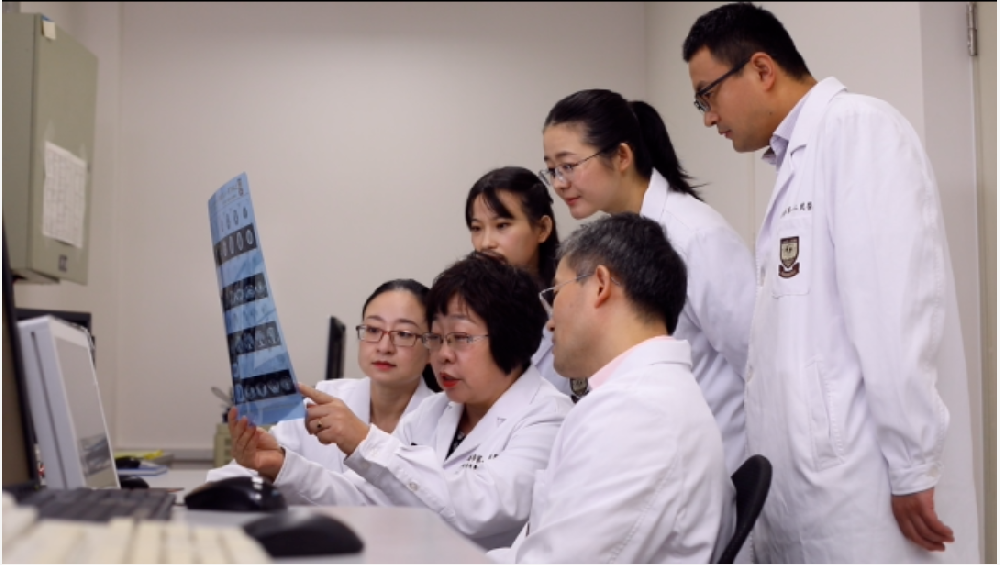
Dr. Zhao Jinhua | Nuclear Medicine, and the Flowers Along the Road
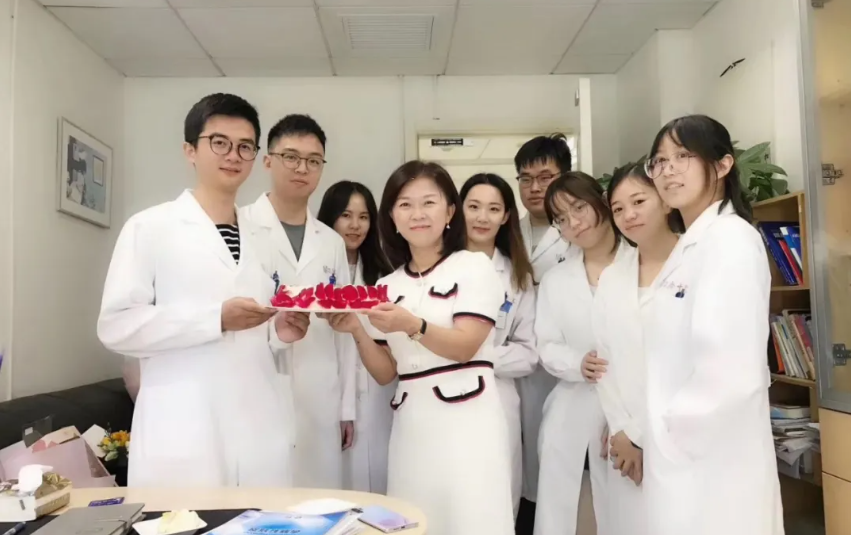
Dr. Shi Yuling | Psoriasis, and Spring Mountains Beyond the Plain
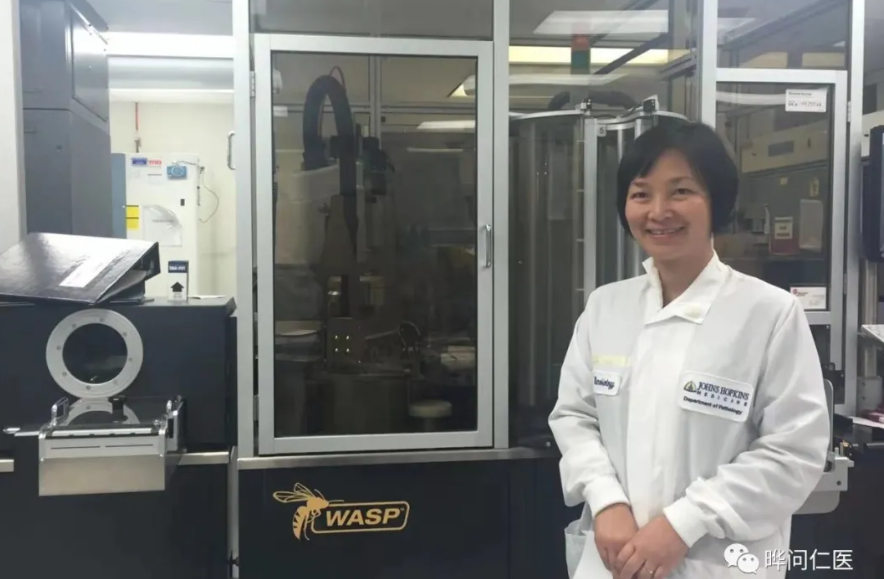
Dr.Ying Chunmei | Laboratory Medicine, Renewed a Little Every Day
Copyright © 2023 Yewen Renyi & ShanghaiDoctor.cn (This website is a non - profit medical humanities platform. The information contained herein is solely for biographical and historical purposes and does not constitute any medical advice.) 沪ICP备2023005392号-2 XML 沪公网安备31010902100835号
 中文
中文 English
 Español
 沪公网安备31010902100835号