ShanghaiDoctor - Where China's Healing Wisdom Shapes Modern Medicine

Update time:2026-08-15Visits:3738
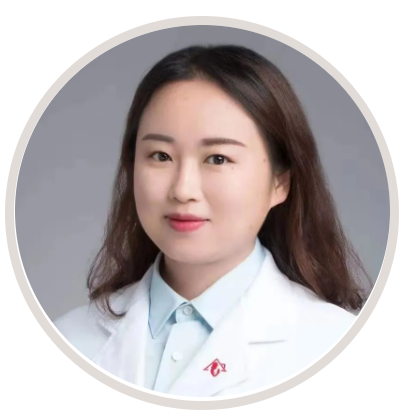
Associate Chief Physician, Doctor of Medicine Obstetrics and Gynecology Hospital of Fudan University Key member, Endometriosis Team Member, Endometriosis Group, Obstetrics and Gynecology Branch of the Shanghai Medical Association
“Slow in speech, quick in action; walking steadily, one goes far. That is my attitude toward life.”
— Long Qiqi
Long Qiqi is Associate Chief Physician and Doctor of Medicine at the Obstetrics and Gynecology Hospital of Fudan University (the Red House Hospital). She is a key member of the hospital’s endometriosis team and a member of the Endometriosis Group under the Obstetrics and Gynecology Branch of the Shanghai Medical Association.
Her clinical work covers the full range of common gynecological conditions—gynecological inflammation, uterine fibroids, ovarian cysts, endometriosis, adenomyosis, infertility, cervical disease, irregular menstruation, and dysmenorrhea—with particular depth in the diagnosis, surgical management, and long-term care of endometriosis. She combines careful operative technique with an ongoing research interest in the role of stress in the development and progression of the disease.
Trained under three influential mentors—Professor Zhang Shaofen, Professor Liu Xishi, and Professor Guo Sunwei—she has grown within one of China’s strongest endometriosis research and clinical groups, a team that has shaped the international agenda in the field and elevated the visibility of Chinese scholarship worldwide.
Long Qiqi is from Huaihua, Hunan. People often say that those from Hunan “can endure hardship, stay patient, and act with tenacity.” She recognizes a fair amount of that character in herself. As a child, if she could not solve a math problem, she would spend two or three hours on it and refuse to give up.
Her path into medicine was shaped by her parents. Both were medical students at Hengyang Medical College in 1977—the first year the national college-entrance examination was restored—yet neither ultimately became a physician. Their old textbooks, many compiled by Shanghai Medical University, filled the family bookshelf. In their eyes Shanghai Medical University was a temple of medicine. Having carried their own unfulfilled hopes, they placed those hopes on their daughter. Under their insistence she applied to Shanghai Medical College of Fudan University (the former Shanghai Medical University) and was admitted, fulfilling a long-standing family dream. On the day she reported, both parents accompanied her; they were, she recalls with a laugh, far more excited than she was.
She had originally imagined becoming a female engineer—one of those sharp, capable women working among male colleagues. Medicine felt unfamiliar at first. Only after anatomy, pathology, and the major clinical rotations did she begin to warm to it. One teacher’s remark stayed with her: the world of medicine is wonderful because every day brings different people, different challenges, and different changes. She found that she liked that feeling. After graduation she was assigned to the Obstetrics and Gynecology Hospital of Fudan University—another quiet fulfillment of her mother’s own early aspiration to become an OB/GYN doctor.
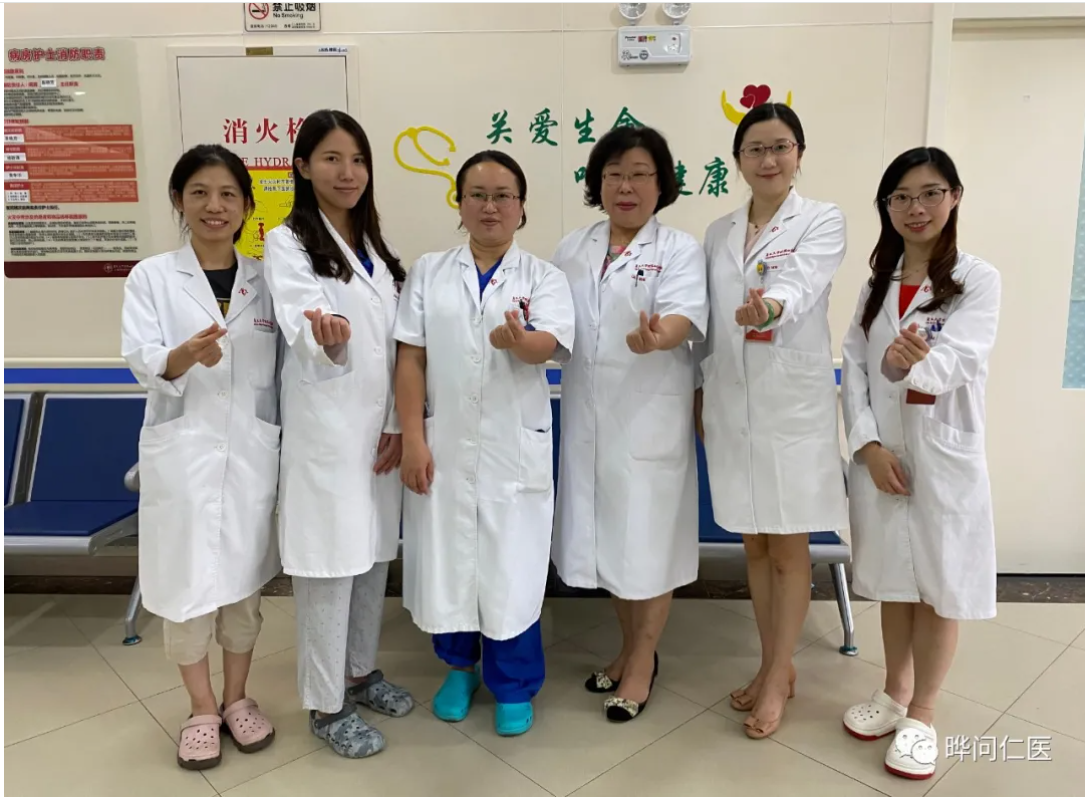
Residency was demanding and absorbing. She arrived by 7:30 for handover and rounds and was often the last to leave, sometimes not reaching home until after eleven. She told herself that every clinical decision, every word spoken to a patient, every line written in the chart had to rest on a clear reason. When the “whys” were resolved, true mastery followed. Though not by nature highly proactive, she would pursue answers relentlessly, swallowing pride when necessary and continuing to ask until she understood.
One early memory still moves her. After rotating from gynecology to obstetrics, a former patient spotted her in the outpatient clinic, rushed in, and exclaimed that she had missed her. Long nearly cried. Another unforgettable moment came at a delivery: the first time she saw a baby’s head emerge and held the newborn, listening to the loud cries, she felt profound awe before life and wondered what kind of person the child would become.
Three mentors shaped her professional growth. Professor Zhang Shaofen, a leading authority on gynecological endocrinology and perimenopausal disorders, supervised her master’s work and guided her first clinical research project; decades of unbroken dedication to the field continue to influence her. Professor Liu Xishi, long-time director of the gynecology department, embodied intelligence and resilience. Already middle-aged when she began laparoscopic surgery, she practiced daily at home with discarded instruments on sponges—suturing, knot-tying, angles, force—for an hour and a half without exception. Six months later she performed her first laparoscopic radical hysterectomy for cervical cancer, an eight-hour procedure. She has since trained countless surgeons. On a flight to Beijing to compete for a key national project, she spent the entire two hours reciting her eight-minute presentation. Her capacity to treasure every moment and push toward perfection left a lasting mark.
Professor Guo Sunwei, a world-renowned endometriosis researcher, became her research advisor. Strict and rigorous yet never harsh with her, he is also highly self-disciplined, exercising daily for decades. His office is filled with photocopied literature; his wide reading and constant questioning of scientific problems continue to generate new ideas. Together with Professor Liu Xishi he leads the endometriosis team that Long joined—partners in both career and life.
Her first major independent operation as lead surgeon was a total hysterectomy in a patient with two prior cesarean sections and extensive adhesions. The procedure took more than two hours; her legs shook throughout. She separated adhesions millimeter by millimeter, listening to her own heartbeat and feeling the sweat on her forehead. When she finished, her teacher entered, looked, nodded, and left without comment. She knew she had passed.
From resident to associate chief physician the dominant inner keyword, she says with a laugh, has been anxiety. After surgery she rarely sleeps through the night, checking the mobile doctor app or calling the nurses’ station about infection, drainage, bleeding, or bowel function. The more one operates, the stronger the sense of treading on thin ice becomes. The feeling has eased somewhat in recent years as she has learned to reason with herself, yet it never disappears entirely. Many accomplished surgeons, she notes, passed through the same struggle when first performing procedures they had never led.
A good operation, in her current understanding, requires a clear field with distinct anatomical layers, fully visible critical structures, an ordered sequence of steps, and no wasted movements. Before every case she runs the procedure through her mind countless times.
One patient remains unforgettable: a woman with ovarian cancer whose long abdominal wound developed fat liquefaction. Daily open dressing changes—excision of necrotic tissue, irrigation—had to continue for two weeks. Many patients in similar situations cry out; this woman made no sound from beginning to end. She simply told the doctors to do whatever was necessary. Long told her she was remarkable. Sometimes, she reflects, doctors and patients hope to be heroes to each other.
In daily practice she pays attention to small details: helping elderly patients sit up after examination, covering a patient on the operating table when the air conditioning blows directly on her. A patient is a living person; in a hospital everyone feels nervous and vulnerable. Putting herself in their place, offering a few caring words and a warm smile, comes naturally to her. The deepest gratification arrives when patients recover, return for follow-up, and greet her happily. Then every effort feels worthwhile.
Endometriosis remains, in important respects, a mystery. Although benign, it displays invasive and disseminating behavior similar to malignancy; lesions can appear almost anywhere—ovaries, pelvis, abdominal-wall scars, intestine, even lung and urinary tract. Existing treatments have significant limitations and high recurrence rates. The Canadian physician Sir William Osler once remarked that he who knows endometriosis knows gynecology. Despite extensive work, incidence remains high and effective solutions incomplete.
Within the team Long focuses on the role of stress in the development of the disease. Animal models subjected to various stressors have yielded compelling findings. Patients with endometriosis already live under chronic stress from pain, infertility, and social pressure. If stress accelerates disease progression, a vicious cycle forms. Alleviating psychological stress may therefore open a new therapeutic avenue—a direction the group continues to explore.
Under Professors Guo Sunwei and Liu Xishi the team, formally established in 2010, has built a reputation at the forefront of both clinical practice and basic research. Professor Guo has published more than 200 SCI papers with total citations exceeding 12,000 and has ranked among the world’s most highly cited researchers in endometriosis. Professor Liu pioneered a shaving technique for deep endometriosis that preserves organ integrity and has been instrumental in translating laboratory discoveries into clinical practice. Together they have helped shape the international research agenda and raised the academic standing of Chinese scholars in the field.

ShanghaiDoctor.cn:Tell us about your background and how you entered medicine.
Long Qiqi: I’m from Huaihua, Hunan. People say Hunanese people can endure hardship, stay patient, and act with tenacity. I suppose there’s a fair amount of that in my character. When I was young, if I couldn’t solve a math problem I’d spend two or three hours on it and refuse to give up. As for studying medicine, to be honest I was pushed into it. My parents were both medical students at Hengyang Medical College in 1977, the first year the college-entrance examination was restored. But neither of them ended up becoming a doctor. They had been utterly devoted to the idea. In our bookshelf at home there were many of their old textbooks, all compiled by Shanghai Medical University. In their eyes Shanghai Medical University was like a temple of medicine. Since their own careers left them with endless regrets, they placed all their hopes on me. Under their insistence I applied to Shanghai Medical College of Fudan University and was admitted, which fulfilled their original dream. I still remember my first day reporting—both my parents came with me. Before the train even reached Shanghai they were already excited, far more excited than I was.
ShanghaiDoctor.cn:What did you originally want to do, and how did you come to adapt to the medical environment?
Long Qiqi: To be honest, I did well in science and really wanted to be a female engineer—I fantasized about being one of those sharp, capable women engineers working among a crowd of male engineers. As for medicine, at first I was rather clueless. It wasn’t until I took anatomy, pathology, and then internal medicine, surgery, obstetrics and gynecology, and pediatrics that I gradually felt myself warming to it. One thing our teacher said really struck me: the world of medicine is wonderful—every day you face different people, different challenges, and different changes, so every day is a new day. I found that I liked that feeling. After graduation I was assigned to the Obstetrics and Gynecology Hospital affiliated with Fudan University. And that, in a sense, fulfilled another dream of my mother’s—she had always wanted to be an OB/GYN doctor.
ShanghaiDoctor.cn:What was life like during your residency years?
Long Qiqi: I was full of enthusiasm and never felt it was too hard or too tiring—because there was simply so much to learn. I told myself that whatever problem I encountered in clinical work, I had to find out why—every word I said to a patient, every line I wrote in the medical history, every decision I made, I had to know the reason behind it. When all the “whys” are resolved, you truly master the discipline. At the time I wasn’t by nature a very proactive person, but I would find ways to solve these problems, and if I couldn’t, I would swallow my pride and keep asking until I got the answers.
I still remember those difficult early days. Now, whenever I hit a bottleneck, I think back to that time. Residency was tough. We had to be at the hospital by 7:30 in the morning for shift handover and ward rounds, and I was always the last to leave at night. During the busiest stretches I never got off work before nine in the evening and didn’t get home until after eleven. It truly was painful yet joyful—because there were many colleagues striving alongside you, and most patients were very kind, offering words of encouragement, so it never felt too exhausting.
ShanghaiDoctor.cn:Every residency rotation leaves behind unforgettable memories. What’s yours?
Long Qiqi: Delivering babies in obstetrics. The first time I saw a baby’s head emerge from the mother’s body with my own eyes, my eyes brimmed with tears. I held the newborn in my arms, listening to his loud, uninhibited cries, and felt a profound awe before life. I wondered: as he grows, what kind of person will he become? Will he ever know whose hands brought him into this world?
ShanghaiDoctor.cn:You ultimately chose gynecology. Tell us about your mentors.
Long Qiqi: The three most important mentors in my professional growth were Professor Zhang Shaofen, who supervised my master’s degree; Professor Liu Xishi, my doctoral supervisor; and Professor Guo Sunwei, my research advisor. All three are illustrious experts in gynecology, distinguished not only by their academic accomplishments but also by a shared tenacity and perseverance.
Professor Zhang Shaofen is a leading authority on gynecological endocrinology in China, with a focus on perimenopause-related diseases. She introduced me to the field and patiently guided me through my first clinical research project. For decades she has remained committed to the academic work she loves; even when unwell, her mind never leaves it. Her dedication still influences me today.
Professor Liu Xishi, also a celebrated gynecologist in China, served as director of the gynecology department at the Obstetrics and Gynecology Hospital of Fudan University for fifteen years. She is the most intelligent and resilient person I have ever met. Once she decides to do something, she will spare no effort to achieve it. When she first began performing laparoscopic surgery she was already middle-aged. Laparoscopy and open surgery demand completely different visual fields and surgical techniques. She complained and even cried, but then she picked up discarded clamps and scissors from surgical waste, took them home, and practiced suturing on sponges—tying knots, stitching, angles, force—for a solid hour and a half every day, without exception. Six months later she performed her first laparoscopic cervical-cancer operation, which took eight hours. Today she has trained countless doctors in that procedure. I also remember a decade ago, when the hospital sent her and me to Beijing to compete for a key national gynecology project. She spent the entire two-hour flight reciting her eight-minute presentation, over and over. Her ability to treasure every moment and persevere relentlessly was beyond anything I could match.
Professor Guo Sunwei is a world-renowned expert in the field of endometriosis and a guiding figure in my research career. Professor Guo is very strict and rigorous, but he has never scolded me. At the same time he is also a highly disciplined person. For decades he has persisted in exercising every day, including yoga and swimming. When you walk into his office you’ll find photocopied research literature piled up on his desk and bookshelves. It is precisely because of his self-discipline, his wide-ranging reading, and his constant thinking about scientific questions, as well as his love for research work, that he continues to produce scientific inspiration. Professor Guo Sunwei and Professor Liu Xishi are not only partners in their careers, but also the best partners in life.
ShanghaiDoctor.cn:Do you still remember your first major surgery performed independently as the lead surgeon?
Long Qiqi: Yes, I remember it quite clearly—it was a total hysterectomy. The surgery took me over two hours, and my legs were shaking the entire time. The patient had a history of two cesarean sections, with adhesions in multiple places, and the anatomy was unclear. Standing at the operating table, I had to separate the adhesions bit by bit without injuring any blood vessels or tissue. I could hear my own heartbeat and feel the sweat on my forehead. In the end I managed to complete the surgery. Although it took a long time, having passed that test I gained an entirely different understanding of such major surgeries. After the surgery my teacher came in, took a look, nodded at me, and turned to leave. She never deliberately praises you, but I knew—I had passed.
ShanghaiDoctor.cn:From a resident physician to your current position as associate chief physician, what do you think is the keyword for this journey?
Long Qiqi: Anxiety. Although I’ve been growing all along, I’ve always been anxious. Every day brings new anxieties. Surgery may look impressive, but at night when you get home you might not be able to sleep—worrying about whether the patient has an infection, whether the drainage output is too much, whether there’s bleeding, whether bowel movements are smooth. After the night of a surgery I’ve never had a single complete night of rest. My heart just can’t settle down. I’d check the mobile doctor app or call the nurses’ station to ask. It’s truly like treading on thin ice—the more you do, the stronger this fear becomes. Yet you can only bury it in your heart. This feeling has eased a bit over the past year or two. I try to think it through on my own, constantly trying to convince myself. Fortunately, most of the time I can talk myself into it.
ShanghaiDoctor.cn:How do you understand what a good surgery is now?
Long Qiqi: First, a clear operative field with distinct anatomical layers, and all important structures must be fully visible. Second, the surgery follows a certain order of steps with no wasted movements—it is well-organized. Before surgery I think it through, running the procedure through my mind countless times.
ShanghaiDoctor.cn:You face a world of women. Have you encountered any unforgettable patients?
Long Qiqi: Indeed. There was an ovarian-cancer patient, a woman of extraordinary willpower. At the time her wound—about twenty centimeters long—developed fat liquefaction. We had to open it and perform open dressing changes: excising the necrotic tissue, then rinsing the wound with medicated solution. The procedure was agonizing, and it had to be repeated daily for two weeks. I have seen similar patients who not only cried out for their parents but whose screams of torment could be heard from the far end of the corridor. Yet this patient, through every single debridement, did not make a sound from start to finish. She simply said that the doctor should do whatever needed to be done. I don’t know what became of her later. She must have been in pain, but she wanted to give the doctor confidence. I said to her, “You are remarkable.” Sometimes doctors and patients genuinely hope to be heroes to each other.
ShanghaiDoctor.cn:How do you approach the doctor–patient relationship?
Long Qiqi: I have a good temperament, and I pay close attention to small details. For example, when elderly patients struggle to get up after a gynecological examination, I always help them up. If a patient is lying on the operating table and the air conditioning is blowing directly on her, I always cover her with a blanket. After all, a patient is a living person. In a hospital setting everyone inevitably feels nervous, worried, and afraid. No matter how strong someone is, they can appear vulnerable and helpless. Putting myself in their shoes, offering a few caring words and a warm smile—I am kind by nature.
ShanghaiDoctor.cn:Over the years, have you felt a sense of happiness and fulfillment?
Long Qiqi: Yes. When patients recover and are discharged, then return for follow-up visits and greet me happily, I feel deeply gratified. All my efforts are worthwhile.
ShanghaiDoctor.cn:You are currently part of the endometriosis disease team. Has the pathogenesis of this disease been fully unraveled?
Long Qiqi: No. Endometriosis is a benign disease, but its biological behaviors—such as invasion and dissemination—are similar to those of malignant tumors. Endometriotic lesions can appear anywhere in the body, most commonly in the ovaries, pelvic cavity, abdominal-wall incisions, intestines, and even the lungs and urinary system. Existing treatment methods all have significant limitations, and the recurrence rate after treatment remains high, making endometriosis a refractory disease. To date the pathogenesis and pathophysiology of endometriosis are still unclear, and it has been called a “mystery disease.” The Canadian physician Sir William Osler once said: “He who knows endometriosis knows gynecology.” In fact, despite all the work we have already done, the incidence rate remains strikingly high—far higher than we imagined—and we still lack an effective solution, nor do we fully understand where it originates. This is a question well worth pondering and investigating.
ShanghaiDoctor.cn:In this major scientific research project, what aspects do you focus on?
Long Qiqi: The role of stress in the development of endometriosis is a question that has driven our research from the very beginning. In animal studies we subjected mice to various stressors to build models and observe how stress influences the disease—and the findings are compelling. Patients with endometriosis are already living in a state of chronic stress, grappling with dysmenorrhea, infertility, and considerable social pressure. If stress accelerates the progression of endometriosis, it creates a vicious cycle. That raises an intriguing possibility: could alleviating psychological stress offer a new therapeutic avenue? It may well be a promising direction.
ShanghaiDoctor.cn:What has been the most rewarding part of your work so far?
Long Qiqi: I had the privilege of working with two leading figures in the field and grew immensely under their mentorship. Our team was officially established in 2010. Under the leadership of Professor Guo Sunwei and Professor Liu Xishi, we have spent more than a decade building a reputation that now stands at the forefront of clinical practice and scientific research globally. We are shaping the international agenda in endometriosis research and making significant contributions to elevating the academic standing of Chinese scholars worldwide.
Our chief scientist, Professor Guo Sunwei, has achieved extraordinary distinction in basic research. To date he has published over 200 papers in international SCI journals, with total citations exceeding 12,000. Since 2014 he has been named a Highly Cited Chinese Scholar in the medical field by Elsevier for consecutive years. According to Expertscape, an independent platform that evaluates expert research performance in endometriosis, Professor Guo ranks in the top 0.042 percent globally. In China’s list of the “Top 100 Obstetrics and Gynecology Experts by International Academic Paper Influence,” he was ranked second nationwide.
The head of our team, Professor Liu Xishi, pioneered a novel surgical technique for deep endometriosis—shaving surgery—which preserves organ integrity and reduces postoperative complications. She has also been instrumental in translating basic scientific discoveries in endometriosis and adenomyosis into clinical practice. In the same Expertscape evaluation, Professor Liu ranks in the top 0.17 percent globally.
ShanghaiDoctor.cn:2020 was an extraordinary year. Amid all the challenges in life and work, what brought you the greatest joy?
Long Qiqi: 2020 was difficult for everyone, but after the pandemic began, one small thing made me especially happy—my daughter finally wanted to sleep with me. She is five years old this year. In the past I often came home too late to put her to bed, and she grew distant, unwilling to sleep beside me. That hurt more than I can say; whenever I thought about it I would cry. I felt I had failed her as a mother. During the lockdown we spent long stretches of time together at home. That closeness between mother and daughter is something no amount of money could buy.
As for happiness at work, I have made significant progress in surgery. I performed many operations I would not have dared to attempt before, and it was as though a veil had been lifted. Earlier my understanding of some surgical techniques and anatomical structures was not thorough enough, and during operations there always seemed to be barriers I could not cross. But last year, at a certain point, things suddenly became smooth. Surgeries that had once been beyond my ability were now within my grasp. It was a sudden clarity—almost an epiphany. Once you have accumulated enough, understanding arrives one day: that is how you break through a bottleneck.
ShanghaiDoctor.cn:For young doctors, what should be the most critical factor in their growth?
Long Qiqi: They must lay a solid foundation in every aspect. Only by doing these things in a down-to-earth manner can one avoid being tossed about on the path of growth. “Conscientiousness” is essential. On this point I rather admire myself. Since childhood I have been the kind of person who sees things through to the end. Whatever is entrusted to me, big or small, I never treat it perfunctorily and always try my utmost to complete it. Teachers and patients have given me the same evaluation. “Slow in speech, quick in action; walking steadily, one goes far.” That is my attitude toward life.
ShanghaiDoctor.cn:In the new year, what expectations do you have for yourself?
Long Qiqi: Clinical work, research, and some administrative tasks—I want to do everything at hand well, stay true to my original aspiration, and not easily give up or change myself. I want to become the kind of person I once hoped to be: conscientious, kind, loving, responsible, and dutiful.
ShanghaiDoctor.cn:Over these years, which habit are you most satisfied with?
Long Qiqi: Every day I mentally go over all the patients under my care, without stopping for a single day. Does that count as a habit?
From a Hunan childhood marked by stubborn persistence, through a medical education chosen in part to fulfill her parents’ unfinished dream, rigorous residency, the exacting guidance of three mentors, the private anxiety that accompanies independent surgery, and the ongoing search for answers in endometriosis, Long Qiqi has held to a simple standard: be slow to speak, quick to act, and steady in every step. The path is long; the steps remain measured.
Editor: Chen Qing
If you need any help from Dr. Long, be free to let us know at Chenqing@ShanghaiDoctor.cn.
Dr. Yuan Gongjie | Children's Smiles, and the Orthodontist Who Still Tells Stories
Dr. Wang Chaoyang | Vitrectomy, and Flowers Once Hidden in the Eye
Dr. Zhao Jinhua | Nuclear Medicine, and the Flowers Along the Road
Dr. Shi Yuling | Psoriasis, and Spring Mountains Beyond the Plain
Dr.Ying Chunmei | Laboratory Medicine, Renewed a Little Every Day
Dr. Zhang Lei | Children's Airways, and a Preference for Being Plain
Dr. Chen Tongyu | Chest Surgery Without a Tube, and No Claim to Greatness
Dr. Hua Xiaolin | High-Risk Obstetrics, and a Child Worth Keeping
Dr. Yuan Gongjie | Children's Smiles, and the Orthodontist Who Still Tells Stories
Dr. Wang Chaoyang | Vitrectomy, and Flowers Once Hidden in the Eye
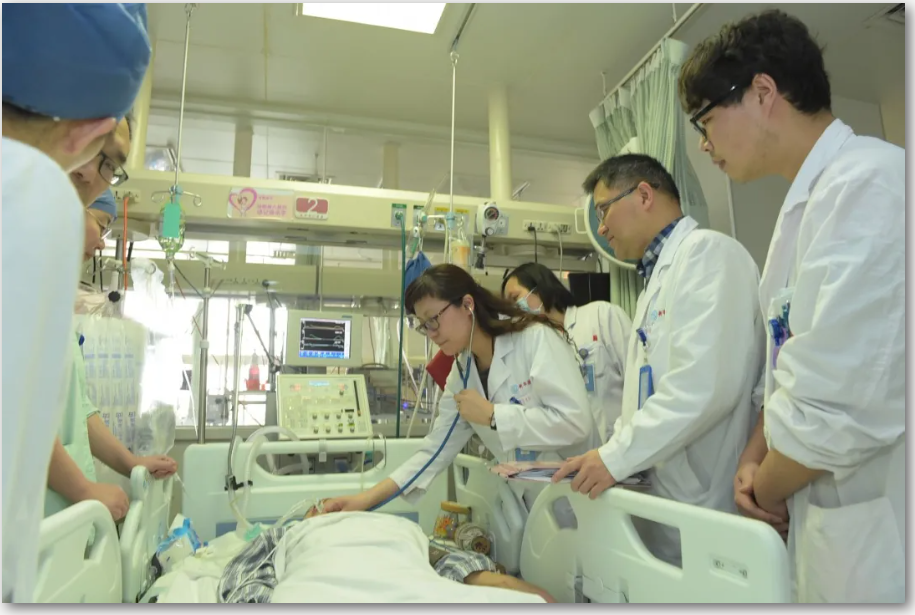
Dr. Fei Aihua | Emergency Medicine, and Striving to Win
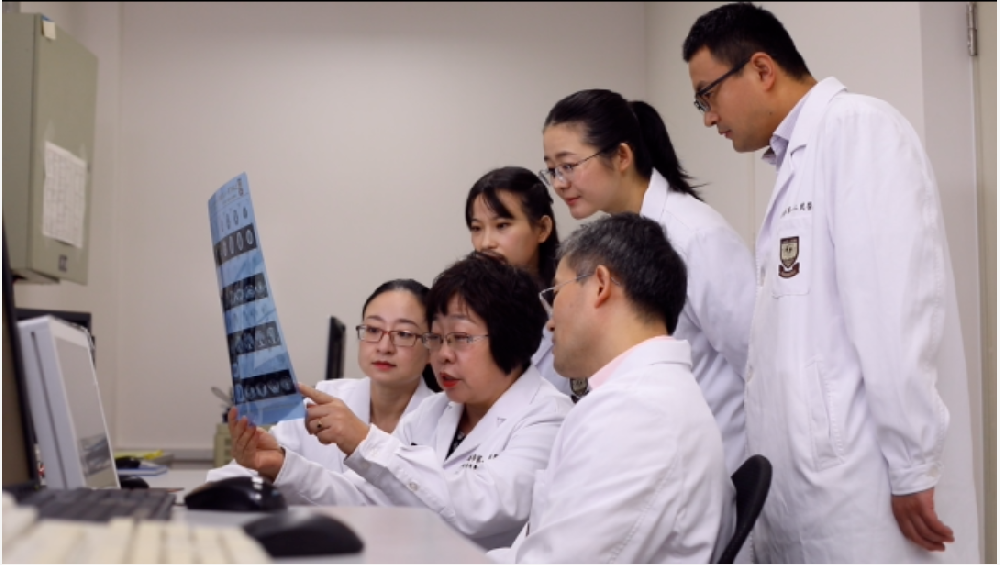
Dr. Zhao Jinhua | Nuclear Medicine, and the Flowers Along the Road
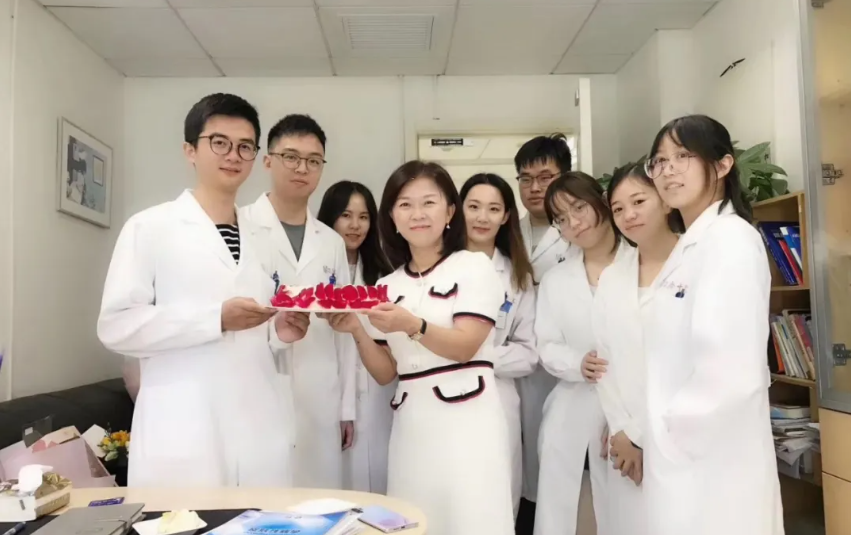
Dr. Shi Yuling | Psoriasis, and Spring Mountains Beyond the Plain
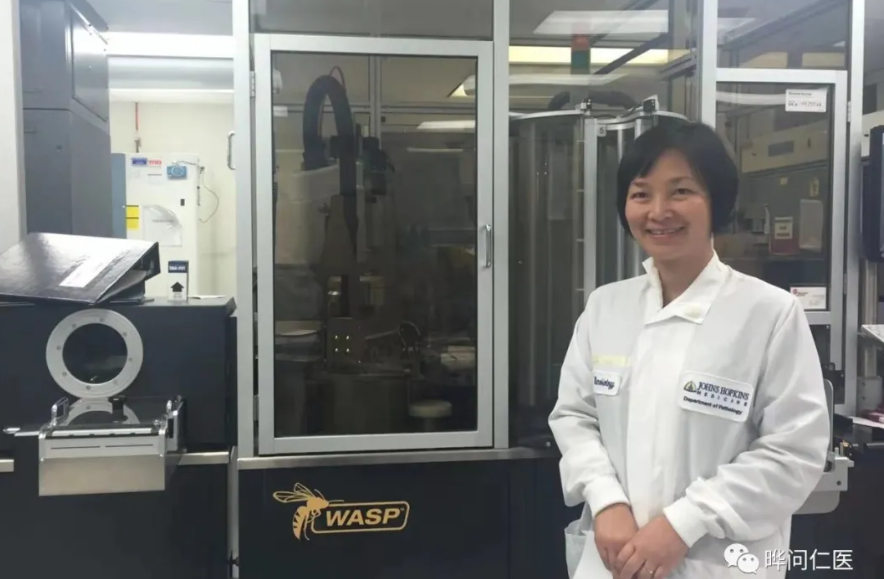
Dr.Ying Chunmei | Laboratory Medicine, Renewed a Little Every Day
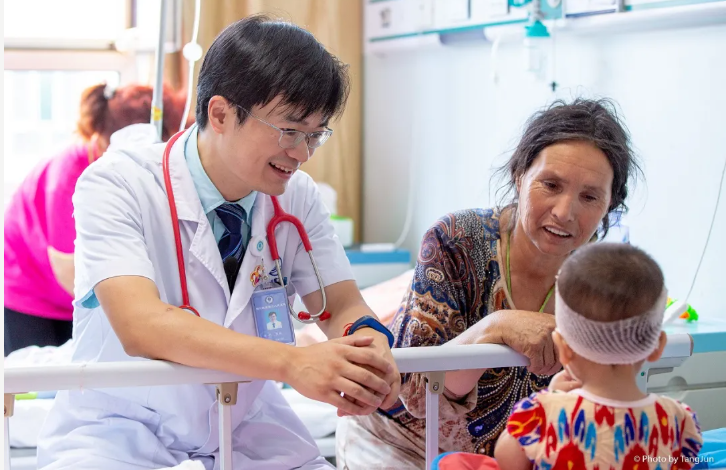
Dr. Zhang Lei | Children's Airways, and a Preference for Being Plain
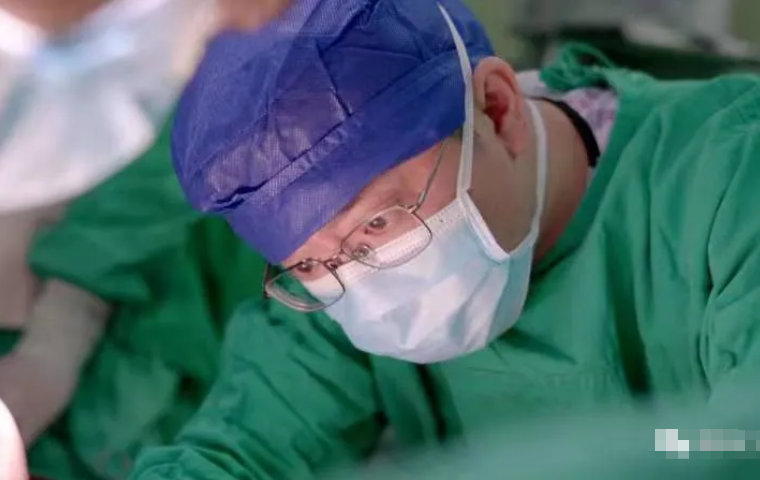
Dr. Chen Tongyu | Chest Surgery Without a Tube, and No Claim to Greatness
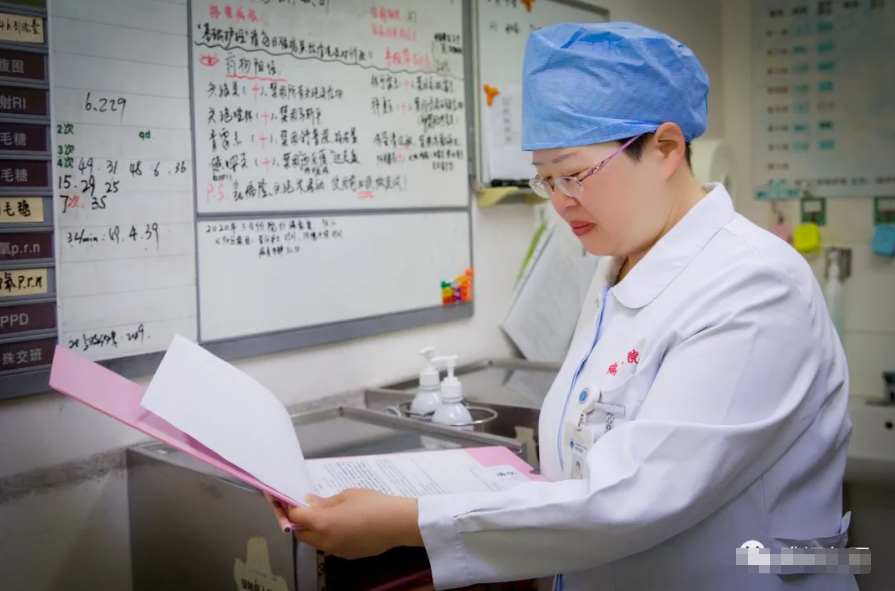
Cui Jie | An Infectious-Disease Nurse Who Kept Walking In
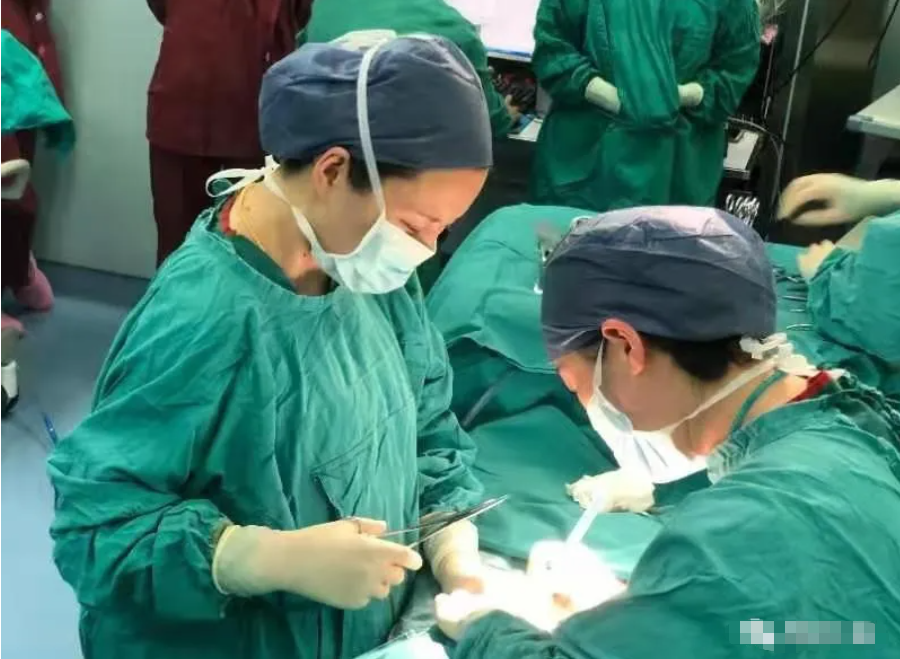
Dr. Hua Xiaolin | High-Risk Obstetrics, and a Child Worth Keeping
Copyright © 2023 Yewen Renyi & ShanghaiDoctor.cn (This website is a non - profit medical humanities platform. The information contained herein is solely for biographical and historical purposes and does not constitute any medical advice.) 沪ICP备2023005392号-2 XML 沪公网安备31010902100835号
 中文
中文 English
 Español
 沪公网安备31010902100835号