ShanghaiDoctor - Where China's Healing Wisdom Shapes Modern Medicine

Update time:2026-10-24Visits:7
Last checked: October 27, 2026, against official Shanghai government sources. Procedures and fees change, so confirm with the hospital before you go.
Short answer: Bring your passport. For routine problems, a public hospital is the cheapest option: ordinary registration at a city-level hospital is 25 yuan. If you want an English-speaking service, ask for a VIP or international department, where the fee is several hundred yuan. Private international hospitals usually charge several hundred to over 1,000 yuan to register. You can book online with a passport through the Suishenban app, even on your first visit. In an emergency, call 120. English is available.
Shanghai has more than 6,400 medical facilities, including about 450 hospitals. Foreigners can use all of them. In practice, you will choose between three kinds of service:
| Public hospital: regular outpatient clinic | Public hospital: VIP or international department | Private / international hospital or clinic | |
|---|---|---|---|
| Registration fee (official figures) | 25 yuan at city-level hospitals, 18 yuan at district hospitals, 10 yuan at community health centres | “Several hundred yuan”, depending on the type of service and the specialist's level | “Several hundred to over 1,000 yuan” |
| Language | Mostly Chinese. A patient service desk in the lobby can help | Bilingual staff | English-speaking service is standard |
| Typical hours | Weekdays 8 am to 5 pm. Some hospitals also open at weekends | Varies by hospital. Check before you go | Similar to public hospitals. Some offer weekend or 24-hour services |
| Emergency care | 24-hour emergency departments | Through the hospital's emergency department | Many do not run a standard emergency department. Some leading private hospitals have 24-hour urgent care |
| Insurance | Government insurance applies. Many leading hospitals also accept commercial insurance | Most leading hospitals with these departments accept commercial insurance | Commercial insurance accepted |
| Medicines | Mainly drugs on the government purchasing list. Some imported originals may not be stocked | Same hospital pharmacy | Wider choice of imported drugs approved in China |
Fee figures are from Shanghai's official English portal (International Services Shanghai). We don't quote consultation prices for individual departments because hospitals don't publish them in a consistent way. Ask the department for the current fee when you book.
Many top public hospitals also run an international or VIP department, with bilingual staff, shorter waits and the same senior specialists. Shanghai's official international medical services directory lists international departments at several of the hospitals we profile. These include Huashan Hospital, Shanghai Sixth People's Hospital, Xinhua Hospital, Shanghai General Hospital, the Obstetrics and Gynecology Hospital of Fudan University and the International Peace Maternity & Child Health Hospital. We compare the two routes in more depth in Why Savvy Expats are Ditching Private Clinics for Shanghai's Public International Departments.
For minor problems, don't overlook your neighbourhood. Community health centres accept foreign patients with a valid passport. Registration there costs 10 yuan, and some have bilingual signs. Read one student's experience in Foreign travelers can get service from Shanghai's community hospital.
Yes, and that includes your first visit. Some guides say you must create a hospital card in person before any app will work. Shanghai's official instructions say otherwise. Foreigners can add themselves as a patient with passport details in the city's Suishenban app and book directly.
Download the Suishenban app and register with your mobile phone number.
On the home page, tap Healthcare, then Make an appointment.
On your first visit, tap Patient, then Add a patient. Choose Foreigner and enter your passport details. Save.
Select the hospital, the department and the doctor, then tap Make an appointment.
Check the details and tap Confirm. Enter the SMS verification code sent to your phone. Your appointment is now confirmed.
Healthcare Cloud (健康云): Shanghai's unified online healthcare platform. Since 2020 it has let overseas personnel complete real-name verification with a passport, through its app or the “Healthcare Cloud Pro” WeChat mini program.
The hospital's own WeChat account or hotline. Most hospitals take bookings through their official WeChat account. International departments often take bookings by phone. Find the number on the hospital's official website.
In person. Walk-ins are accepted, but specialists' slots fill fast. If you can, book ahead.
App menus and translations change from time to time. If a step looks different, the hospital's patient service desk can help you register on the spot.
Register (挂号 guahao). If you booked online, check in at a kiosk or counter. Otherwise, register at the admission desk. Show your original passport. Write the department you need in Chinese on a piece of paper.
Get your hospital card. First-time patients receive a hospital card (就诊卡) and usually a medical record booklet. Keep both, because you will need them for follow-up visits.
Triage and wait. Go to the nurses' station of your department. Wait for your number to appear on screen or be called.
See the doctor. Describe your symptoms clearly. If you don't speak Chinese, bring a Chinese-speaking friend, or write your symptoms, allergies and current medicines in Chinese in advance.
Pay, then do tests or collect medicine. In public hospitals you usually pay before each test or prescription. Pay at the cashier, at a self-service machine or in the app. Then take your receipt to the lab, imaging or pharmacy.
Come back with results. If results are ready the same day, you can usually return to the same doctor without queuing again. If they come out on another day, you may need to register again.
Prescription medicines can be bought at outside pharmacies, but only with a doctor's prescription.
Link a foreign card to Alipay or Weixin Pay (WeChat Pay). Eligible cards issued outside the Chinese mainland (Visa, Mastercard, American Express, JCB, Diners Club, Discover) can be linked without a Chinese bank account. The official limits are up to US$5,000 per transaction and US$50,000 a year. Payments of 200 yuan or less are generally free of the platform's service fee. Above 200 yuan, a 3% fee on the full amount may apply.
Pay by card at the counter. This works only where the counter displays your card network's logo. International and VIP departments are generally a safer bet than ordinary cashier windows.
Carry some cash. ATMs that show your card's network logo let you withdraw renminbi. The limit is generally 3,000 yuan per withdrawal.
For larger bills, such as deposits, insurer settlements and refunds, cross-border payment is improving. In October 2026, Shanghai trained the international departments of 24 top hospitals on foreign-exchange services for international patients. See Shanghai Trains 24 Top Hospitals on Cross-Border Payments for International Patients.
Direct billing means the hospital bills your insurer directly. You show your insurance card and pay nothing for covered care. Otherwise, you pay first and claim back later.
Most leading public hospitals with international or VIP departments accept commercial insurance, according to Shanghai's official guidance. For example, Huashan Hospital's International Medical Center lists direct-billing agreements with a range of international and domestic insurers and assistance companies on its official website.
Private hospitals accept commercial insurance as standard.
Before you go, call your insurer. Confirm that the specific hospital and department are covered and whether you need pre-authorisation. Ask how they want the claim documented.
If you will claim back later, ask the hospital for the official invoice (发票 fapiao), an itemised bill and a copy of your medical record. Ask for English versions if available.
Call 120. It is Shanghai's medical emergency number, and English is available. When you call:
Give a detailed address, including the street, building and any landmark.
Describe the key symptoms (for example: unconscious, vomiting blood, a fall).
Give your phone number.
Send someone to the entrance or nearest intersection to guide the ambulance, and clear the way.
Pack clothes and any medicines the patient takes.
If the ambulance has not arrived within 20 minutes, call 120 again.
You will usually be asked which hospital you want to go to. The nearest one saves time. A hospital that specialises in the patient's condition is also an option. Expect to be asked for payment on arrival.
Public hospitals run 24-hour emergency departments. Many private clinics do not run a standard emergency department, so in a true emergency, choose by distance and capability rather than language. Other emergency numbers: 110 for police (English plus seven other languages) and 119 for fire and accidents (English available). For non-urgent questions, the city hotline 12345 offers English support.
We reported one real case in A Second Life in Shanghai: How a 79-Year-Old American Traveler Was Saved. A tour-group visitor collapsed at his hotel, was taken by a 120 ambulance and received emergency surgery.
Your original passport, for every visit
Your hospital card and medical record booklet (after the first visit)
Payment: Alipay or WeChat Pay with a linked card, plus some cash
Insurance card and policy number, and any pre-authorisation from your insurer
Your medical history: previous reports, scans, discharge letters
Your current medicines and allergies, written in Chinese
A charged phone that can receive SMS codes
Choosing the right hospital matters as much as getting an appointment. Shanghai's top public hospitals are each known for particular specialties. Our hospital guides explain each one's history, key departments and international services:
Brain, nerves, skin and general internal medicine: Huashan Hospital, Fudan University
Orthopedics, trauma and diabetes care: Shanghai Sixth People's Hospital
Large general hospitals: Changhai Hospital, Changzheng Hospital and Shanghai General Hospital
Children: Xinhua Hospital
Eyes, ears, nose and throat: Eye & ENT Hospital of Fudan University
Gynecology: Obstetrics & Gynecology Hospital of Fudan University (Red House Hospital)
Pregnancy, childbirth and women's and children's health: International Peace Maternity & Child Health Hospital
Mental health: Shanghai Mental Health Center
Interested in Traditional Chinese Medicine? Read A practical guide for international patients: Seeing a TCM Doctor in Shanghai. For our original overview of the system, see How to see a doctor in Shanghai?.
ShanghaiDoctor.cn and its WeChat account 晔问仁医 have spent more than ten years interviewing over 3,000 department heads and senior physicians at Shanghai's top hospitals (about us). We write from that knowledge of how departments actually work, not from hearsay. You can read real patients' experiences in our Patient Stories. We check this guide against official sources and record the date at the top. This guide is general information, not medical advice. Your doctor decides which department or treatment is right for you.
Yes. In the Suishenban app, add yourself as a patient under “Foreigner” with your passport details, then book a hospital, department and doctor. This works for first visits too. Healthcare Cloud and most hospitals' WeChat accounts also take bookings.
Not necessarily. International and VIP departments at major public hospitals have bilingual staff, and private hospitals work in English. In regular clinics, English varies. Bring a Chinese-speaking friend or write your symptoms, allergies and medicines in Chinese.
Official figures: ordinary registration is 25 yuan at city-level public hospitals, 18 yuan at district hospitals and 10 yuan at community health centres. VIP services at public hospitals cost several hundred yuan. Private international hospitals charge several hundred to over 1,000 yuan to register. Tests and medicines are extra.
Both are services inside public hospitals that offer more time, privacy and bilingual staff for a higher fee. Almost all city- and district-level public hospitals have VIP departments, and some also have dedicated international departments. Names and fees vary by hospital.
Often, yes. Most leading public hospitals with international or VIP departments accept commercial insurance, and some offer direct billing. Always confirm with your insurer and the specific department before your visit.
Yes, in most cases. Link your Visa, Mastercard or other eligible foreign card to Alipay or WeChat Pay (up to US$5,000 per transaction), or pay at counters that display your card's logo. A 3% fee may apply to app payments above 200 yuan. Carry some cash as backup.
Call 120. English is available. Give a detailed address and the patient's symptoms, and send someone to meet the ambulance. For police call 110, and for fire call 119.
Yes. Short-term visitors can use public hospitals, community health centres and private clinics with a valid passport. Keep the official invoice and your medical record in case your travel insurer asks for them.
International Services Shanghai, How to see a doctor at a local hospital: https://english.shanghai.gov.cn/en-Individuals-Healthcare-Medicalservices/20260805/d57788398d424f318a5d18610ee035db.html
International Services Shanghai, Public vs private hospitals, tips and differences: https://english.shanghai.gov.cn/en-ServiceGuide/20250819/582682e5d2c6473cb88ecad51a48dab4.html
International Services Shanghai, International Medical Services directory: https://english.shanghai.gov.cn/en-IntlMedicalServices/
International Services Shanghai, What to do in an emergency: https://english.shanghai.gov.cn/en-EmergencyNumbers/20241210/cbc5280b9f96440a93234bfc5e0c1023.html
International Services Shanghai, Pay with overseas bank cards: https://english.shanghai.gov.cn/en-Individuals-BankingandPayments-Payments/20260921/c2c94d06a0454c8fa05386b80d0ae865.html
Shanghai Municipal People's Government, Overseas personnel can log in the hospital appointment system with passport number: https://www.shanghai.gov.cn/nw49534/20201013/0001-49534_130146.html
International Services Shanghai, Essential handbook for international students seeking medical care: https://english.shanghai.gov.cn/en-FAQs-StudyinShanghai/20251117/3af488ff7a7c4d5a82f43ad166321431.html
Huashan Hospital, International Medical Center (Chinese): https://www.huashan.org.cn/jlm/nkxt/gjylzx.htm
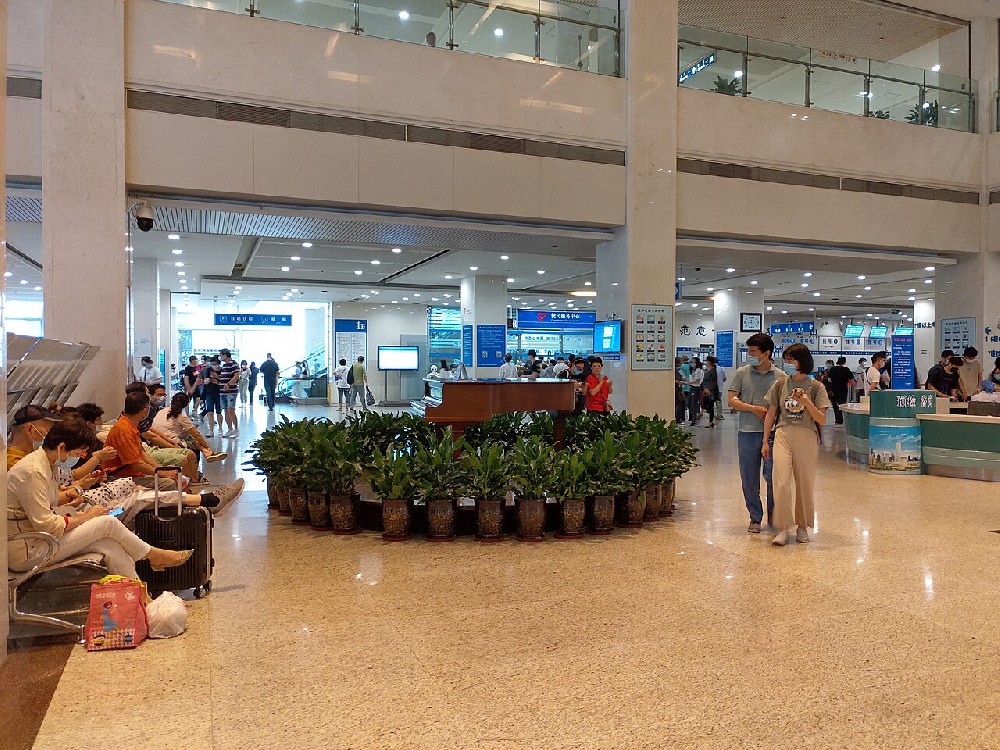
Cover photo: Outpatient lobby of Ruijin Hospital, Shanghai. Photo: Lcsun, CC BY-SA 4.0, via Wikimedia Commons.
How to See a Doctor in Shanghai as a Foreigner: A 2026 Step-by-Step Guide
A practical guide for international patients, Seeing a TCM Doctor in Shanghai
Why booming AI medical sites get wrong for patients coming to China
How to Arrange Dialysis in China: A Practical Guide for Travelers and Long-Stay Patients
How to See a Doctor in Shanghai as a Foreigner: A 2026 Step-by-Step Guide

A practical guide for international patients, Seeing a TCM Doctor in Shanghai
Why booming AI medical sites get wrong for patients coming to China
How to Arrange Dialysis in China: A Practical Guide for Travelers and Long-Stay Patients
How to treat Prostate Cancer in Shanghai?
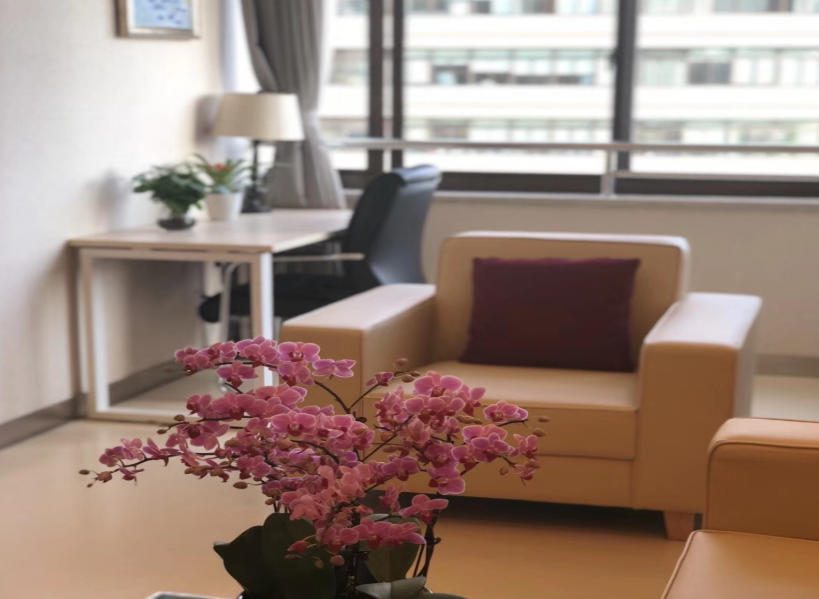
Why Savvy Expats are Ditching Private Clinics for Shanghai’s "Top Tier" Public International Departments
Copyright © 2023 Yewen Renyi & ShanghaiDoctor.cn (This website is a non - profit medical humanities platform. The information contained herein is solely for biographical and historical purposes and does not constitute any medical advice.) 沪ICP备2023005392号-2 XML 沪公网安备31010902100835号
 中文
 English
 Español
 沪公网安备31010902100835号
