ShanghaiDoctor - Where China's Healing Wisdom Shapes Modern Medicine

Update time:2026-08-04Visits:3228
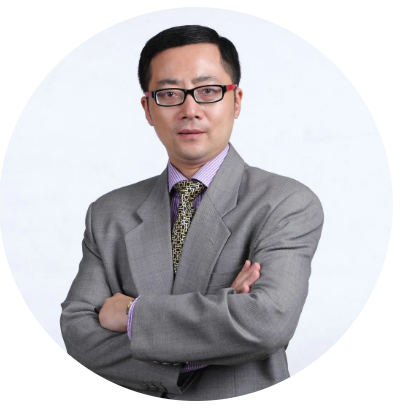
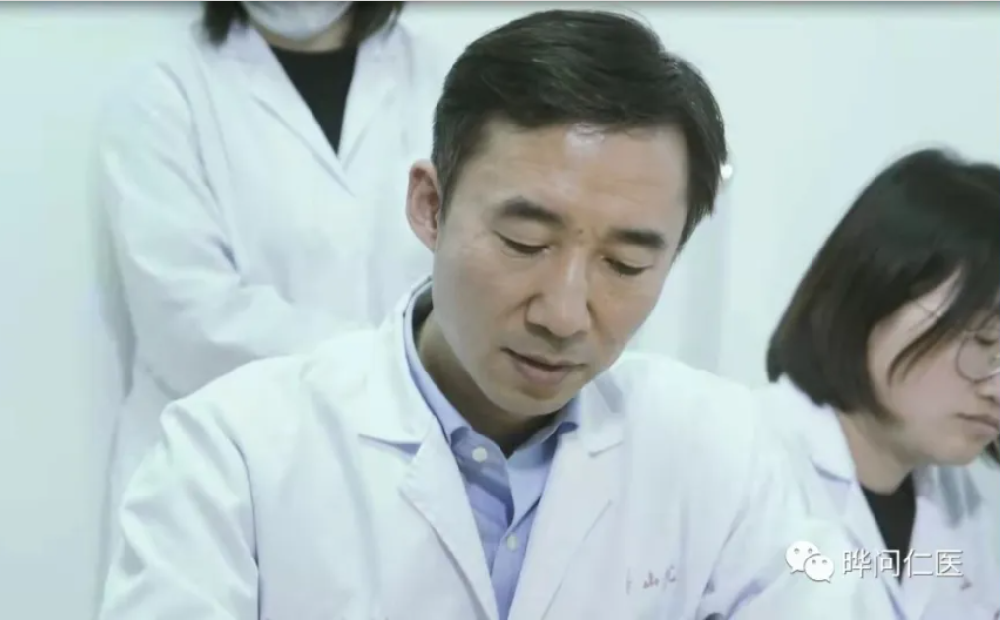
Professor, Chief Physician & Doctoral Supervisor Deputy Director, Department of Urology Director, Department of Andrology Renji Hospital, Shanghai Jiao Tong University School of Medicine Executive Deputy Director, Shanghai Andrology Research Institute
“Andrological disease is the third major threat to men’s health, after cardiovascular and cerebrovascular disease and cancer.”
— Professor Lu Mujun
Lu Mujun, M.D., Ph.D., is a professor at Shanghai Jiao Tong University, chief physician, and doctoral supervisor. He serves as Deputy Director of the Department of Urology and Director of the Department of Andrology at Renji Hospital, Shanghai Jiao Tong University School of Medicine, and as Executive Deputy Director (presiding over daily work) of the Shanghai Andrology Research Institute.
He is a visiting professor at the University of Southern Denmark, Vice Chairman of the Sexual Medicine Branch of the Chinese Sexology Association, Deputy Leader of the Sexual Dysfunction Group of the Chinese Society of Andrology, and Vice Chairman of the Energy Medicine and Equipment Branch of the Chinese Sexology Association.
His clinical focus includes difficult and complex andrological conditions, minimally invasive surgery for urological tumors, and prostate diseases.

Gynecology is a familiar and indispensable department in every general hospital. Andrology—the medical specialty dedicated to male reproductive and sexual health—is its natural counterpart, yet it remains far less widely recognized by the public. In reality, andrological conditions are extremely common: male infertility, sexual dysfunction, genital and urethral malformations or injuries, and prostate disease affect large numbers of men.
In the past, andrology was usually absorbed into urology, traditional Chinese medicine, or assisted-reproduction units and rarely existed as an independent specialty. Today, with rising work and life pressures on men, male health issues have become increasingly prominent. Establishing andrology as a relatively independent discipline is both a scientific necessity and a social one.
“Andrology involves more than a hundred diseases, and the knowledge runs deep,” Lu Mujun notes. “It is inherently multidisciplinary. Penile erection and cardiovascular disease may appear unrelated, yet they share a critical intrinsic connection. An andrologist therefore needs solid grounding not only in urology but also in cardiovascular medicine, endocrinology, traditional Chinese medicine, and psychology—together with a deep understanding of each patient’s overall health, lifestyle, mental state, and even family needs.”
Since joining Renji Hospital in 2016 from the Ninth People’s Hospital, Lu has led the Department of Andrology and the Shanghai Andrology Research Institute in standardizing diagnosis and treatment, introducing new technologies, and building multidisciplinary team (MDT) pathways for complex cases.
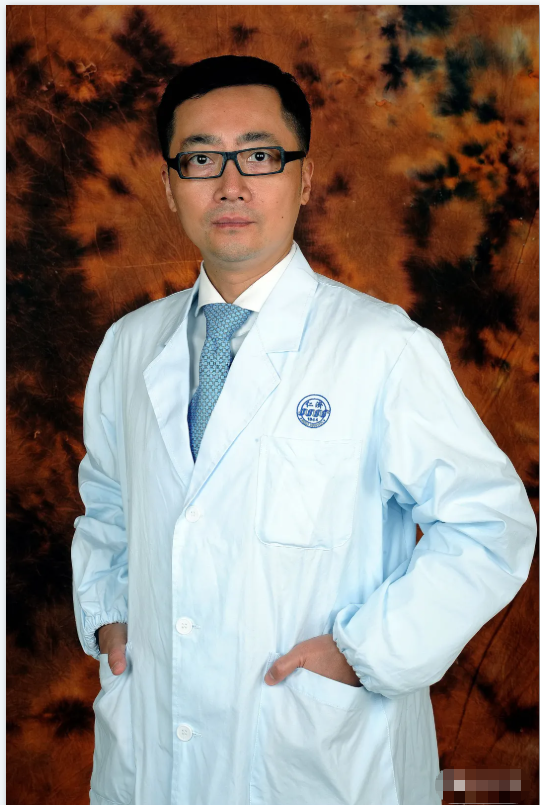
In July 2016 Lu Mujun formally joined Renji’s urology team. The task handed to him was both an honor and a challenge: to inherit and further develop Renji’s long-standing andrology program.
Renji Andrology has a distinguished history. In the 1960s the Urology Department assembled a clinical research team focused on male contraceptive surgery and related drug development. By the 1980s Renji had launched China’s first andrology journal, the Chinese Journal of Andrology. The following decade saw the establishment of Shanghai’s first human sperm bank. In 2001 the Shanghai Institute of Andrology was formally founded on the foundation of Renji Urology and Andrology. Guided by pioneers such as Professors Jiang Yu, Wang Yixin, and Huang Yiran, the program grew from modest beginnings into a national leader.
“Taking over such a first-class clinical base truly feels like ‘a mountain of pressure,’” Lu admits. “How to enable Renji Andrology to continue its development, to innovate and break new ground, is a challenge I constantly ponder.”
His first goal was specialized, focused development. Drawing on observations from academic exchanges at leading American hospitals—where a single physician may concentrate on one disease and perfect its management—he subdivided Renji’s andrology physicians into four directions: male infertility, sexual dysfunction, genitourinary and urethral reconstruction, and minimally invasive oncology. Each physician was encouraged to master one or two distinctive skills within a defined subspecialty. After several years the distinctive strengths of each area began to take clear shape.
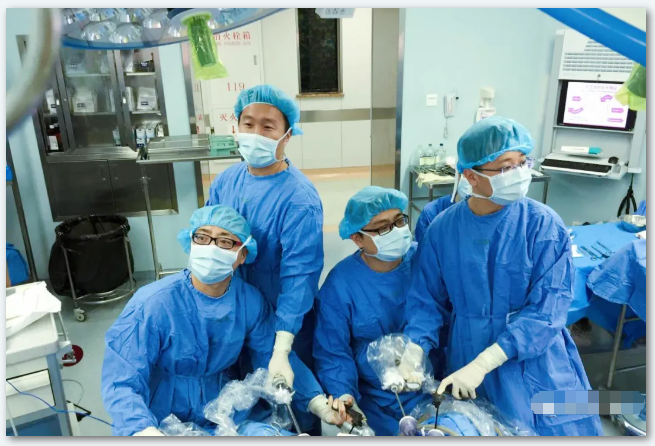
His second goal was integration. Previously, care for male reproductive-tumor patients was often fragmented by stage. After surgery, patients might be handed to other departments or discharged, with outcomes left largely to their own compliance. In 2020 Renji Andrology took the lead in establishing an MDT platform for male reproductive tumors. The team brings together experts from urology and andrology, oncology, radiation therapy, imaging, ultrasound, pathology, reproductive medicine, and traditional Chinese medicine to deliver coordinated, stage-appropriate plans for tumors of the testis, penis, and scrotum, as well as cases requiring fertility preservation.
When Lu was a child, his father served as a military doctor on an island. Every summer the boy visited and watched his father trek through rain to examine troops or answer emergency calls from nearby residents in the middle of the night. Patients sometimes brought eggs or local specialties to express thanks. That simple mutual trust between doctor and patient left a lasting impression.
Following in his father’s footsteps, relieving patients’ suffering has remained Lu’s highest priority. Rows of silk banners in the department tell the stories—some critical, some unexpected—behind the trust patients place in the team.
Erectile dysfunction (ED), long a subject many men prefer not to discuss openly, is increasingly recognized as a barometer of overall male health. The arteries supplying the penis are among the thinnest and most sensitive in the body; when ED appears it may signal underlying cardiovascular or metabolic risk. The first three to five years after onset constitute a “golden window” for intervening against vascular disease and preventing more serious complications such as coronary heart disease, hypertension, myocardial infarction, stroke, or diabetes.
“I have encountered patients in their twenties and thirties who had already suffered cerebral infarction and diabetes by the time they presented for ED treatment,” Lu says with visible regret. “If erectile dysfunction is detected early and we intervene simultaneously to control accompanying conditions, more serious complications can be avoided.”
Today Renji Andrology collaborates with the endocrinology department in a joint MDT outpatient clinic for male metabolic diseases held every Tuesday and Thursday afternoon.
One young patient from Wenzhou arrived with severe diabetes-related ED and a relationship on the verge of collapse. After penile prosthesis implantation and coordinated care, he recovered sexual function within three months, married his girlfriend, and six months later reported that his wife was pregnant. A family that had seemed destined for dissolution became whole again.
Male fertility disorders bring many others. A patient from another province with azoospermia had traveled widely without success. Thorough evaluation at Renji revealed obstructive azoospermia—blockages preventing sperm from being expelled. Microsurgical reconnection of the obstructed segments restored active sperm to the semen; after further preparation his wife conceived. Since adopting targeted therapies and multidisciplinary collaboration, the team has helped thousands of patients achieve fatherhood, including nearly one hundred men with azoospermia.
Prostate-tumor patients—often highly educated professionals—frequently arrive in despair. Through minimally invasive surgery and carefully planned postoperative therapy many achieve radical cure or remain recurrence-free for years. Chance encounters on the street, when former patients stop to offer thanks, remain among Lu’s most gratifying moments.
Lu has also devoted energy to training the next generation of andrologists and to public education, so that men are less likely to be misled by commercial advertising and more willing to seek timely, professional care.
Lifestyle remains central. After the introduction of policies encouraging larger families, many couples discovered unexpected difficulties. One patient hoping for a second child showed no laboratory abnormalities; careful history-taking revealed heavy social drinking, late nights, and little exercise. After lifestyle adjustment and appropriate treatment he and his wife welcomed a healthy son.
To raise standards nationally, Lu’s team was among the first in China’s top-tier hospitals to introduce low-energy shock-wave therapy for ED, using micro-energy to promote local angiogenesis. Renji Andrology now leads several national multicenter studies involving major centers across the country and has conducted an international collaborative study with the University of Southern Denmark on adipose regenerative-cell treatment for neurogenic ED.
The work is endless—introducing technologies, organizing trials, securing research funding, mentoring graduate students and visiting physicians—yet the purpose remains constant: more precise, more humanized care for every patient.
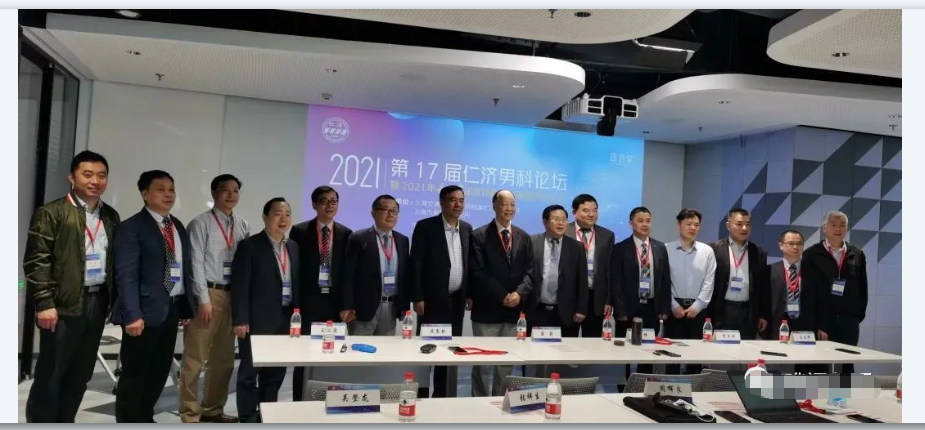

ShanghaiDoctor: When it comes to andrology, many men have private concerns they seldom discuss. What are the warning signs of andrological disease?
Lu Mujun: I would advise everyone to pay close attention to the distress signals the body sends. Andrological disease is a barometer of overall physical health. For example, a man with previously normal sexual function who suddenly develops erectile dysfunction may be dealing with a condition caused by multiple factors—vascular, neurological, or endocrine. In such cases we recommend a systematic, comprehensive workup. It is convenient, and the diagnosis is conclusive. This not only treats the andrological issue itself but also improves the patient’s broader male health.
Public demand is extraordinarily high, as internet search rankings make clear. Yet in most hospitals andrology remains subsumed under urology and is rarely established as an independent department, leaving patients with nowhere to turn. We are therefore calling on society and medical institutions to develop standardized norms. Andrological diseases require proper treatment—delivered at accredited institutions—in order to meet growing expectations for health and quality of life and to prevent more serious conditions from taking hold.
ShanghaiDoctor: What advice do you have for families preparing for a second child?
Lu Mujun: Middle-aged and older men often encounter problems such as low sperm viability. We have seen many patients from other regions who travelled from hospital to hospital seeking effective treatment without success. After coming to Renji Andrology they underwent a tailored diagnostic workup. In one case we found obstructive azoospermia—a blockage somewhere in the tract between the epididymal duct and the testicle—compromising fertility. Through delicate microsurgery we reconnected the obstructed segment, and the patient’s fertility was restored, bringing hope to his entire family.
ShanghaiDoctor: Minimally invasive surgical techniques are advancing rapidly. Patients often ask whether their condition can be treated with a “minor incision.” Just how minor are these so-called minor incisions?
Lu Mujun: What patients commonly call a “minor incision” usually refers to minimally invasive surgery. In andrology the approaches we use sometimes require the assistance of microscopy or laparoscopy. The surgical approach depends on the specific condition. For example, vasoepididymostomy, varicocele ligation, and microdissection testicular sperm extraction are all performed under a microscope. Prostate surgery can be completed with laparoscopy, cystoscopy, or robotic assistance. Procedures such as foreskin plastic surgery and penile corrective surgery, by contrast, do not require minimally invasive techniques.
ShanghaiDoctor: With mounting pressures at work and in daily life, advancing age, and changing dietary and lifestyle habits, the incidence of male erectile dysfunction is increasing. ED may serve as an early warning sign of male sub-health and of potential cardiovascular or cerebrovascular disease. How can the diagnosis of ED in China be further standardized? What clinical research have you conducted in this regard?
Lu Mujun: Renji is a flagship name in urology—a century-old legacy and a benchmark discipline. As department director, first we put patients at the center. The purpose of urology and andrology is to deliver more precise, more humanized care to every patient, making patient welfare our ultimate aim. To that end we will continue to push for innovation. Second, we will deepen subspecialization and integrate resources—while becoming more focused and rigorous, we must also broaden the scope of the discipline. Third, we must master core technologies and translational methods, and refine surgical protocols. Andrology is an emerging discipline with only a few decades of history, yet it evolves according to its own laws. Above all, andrology is not a single, isolated field; interdisciplinary integration and collaboration will be essential to its future growth.
ShanghaiDoctor: Over these six years, what has been your biggest change? And what is the greatest challenge you anticipate going forward?
Lu Mujun: My research focus has become far more specialized. I have moved from the broad domain of urology to the refined field of andrology, and I hope to dedicate my energy to advancing andrology during my professional prime, building on the legacy of Renji Urology-Andrology and the Shanghai Institute of Andrology to take both to new heights.
ShanghaiDoctor: If you could choose your career again, would you still become a doctor?
Lu Mujun: There was a time when I regretted it. But ever since I became a lead surgeon, I have never looked back. There have been moments of frustration and sorrow along the way, but the longer you practise, the deeper your understanding becomes. Relieving the suffering of others is a form of work whose toil cannot be measured by any tangible reward; the satisfaction of healing and saving lives is something only a physician can truly know. Those who have endured the most difficult times are rarely willing to give up.
For Lu Mujun, the measure of success is not the number of minutes spent in the operating room or clinic, but the lives restored—families made whole, health regained, hope returned. In an emerging specialty that still has far more unknown terrain than settled ground, he continues to press forward, one carefully considered case at a time.
Editor: Chen Qing
If you need any help from Dr. Lu, Please be free to email us at Chenqing@ShanghaiDoctor.cn.
Dr. Chen Tongyu | Chest Surgery Without a Tube, and No Claim to Greatness
Dr. Hua Xiaolin | High-Risk Obstetrics, and a Child Worth Keeping
Dr. Shen Chun | Neonatal Surgery, and a Vow That Makes No Speech
Dr. Yang Ji | A Dermatologist Who Measures the Years by Who Gets Better
Dr. Chen Gong | Children's Bile Ducts, and a Future He Chose Himself
Dr. Luo Zhiguo | An Oncologist Still Hoping for One More Reunion
Dr. Shi Hongcheng | Growing Nuclear Medicine from One Old Scanner
Dr. Huang Anhua | Still Glad to Stand Under the Gallbladder Lamp
Dr. Chen Tongyu | Chest Surgery Without a Tube, and No Claim to Greatness
Cui Jie | An Infectious-Disease Nurse Who Kept Walking In
Dr. Hua Xiaolin | High-Risk Obstetrics, and a Child Worth Keeping
Dr. Shen Chun | Neonatal Surgery, and a Vow That Makes No Speech
Dr. Yang Ji | A Dermatologist Who Measures the Years by Who Gets Better
Dr. Chen Gong | Children's Bile Ducts, and a Future He Chose Himself
Dr. Luo Zhiguo | An Oncologist Still Hoping for One More Reunion
Dr. Shi Hongcheng | Growing Nuclear Medicine from One Old Scanner
Dr. Li Wei | Loneliness in the Lab, Hope for Itchy Skin
Dr. Huang Anhua | Still Glad to Stand Under the Gallbladder Lamp
Copyright © 2023 Yewen Renyi & ShanghaiDoctor.cn (This website is a non - profit medical humanities platform. The information contained herein is solely for biographical and historical purposes and does not constitute any medical advice.) 沪ICP备2023005392号-2 XML 沪公网安备31010902100835号
 中文
中文 English
 Español
 沪公网安备31010902100835号