ShanghaiDoctor - Where China's Healing Wisdom Shapes Modern Medicine

Update time:2026-08-07Visits:3101
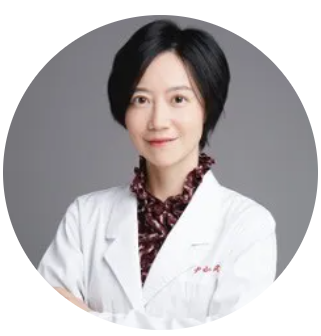
Associate Chief Physician & Master’s Supervisor Deputy Director, Department of Gynecologic Oncology Zhongshan Hospital, Fudan University
“Medicine is not merely a discipline that treats disease through physical, chemical, and biological means; it is also a comprehensive field that integrates science, psychology, and the humanities.”
— Shi Tingyan
Shi Tingyan, M.D., Ph.D., is Associate Chief Physician, Master’s Supervisor, and Deputy Director of the Department of Gynecologic Oncology at Zhongshan Hospital, Fudan University. She graduated from the Medical College of Southeast University in 2001 and received her doctorate in oncology from Fudan University in 2013. From 2019 to 2020 she conducted postdoctoral research on ovarian cancer at the University of Oxford.
She specializes in the surgical and minimally invasive treatment of benign and malignant gynecologic tumors, the prevention of cervical and endometrial cancers, and the diagnosis and management of precancerous lesions. She also has extensive experience in precision targeted therapy, familial genetic counseling, and cancer prevention in high-risk populations.
Dr. Shi has led and participated in numerous international and domestic multicenter clinical studies. In 2019 she was selected for the GCIG Global Young Clinical Investigators Development Program and Fudan University’s “Excellence 2025” Talent Development Program. In 2020 she received the Shanghai Pujiang Talent Award.
She serves as a member and working secretary of the Gynecologic Oncology Physicians Branch of the Shanghai Medical Doctor Association, a member of the Gynecologic Oncology Multidisciplinary Specialist Group under the Obstetrics and Gynecology Branch of CPAM, an executive member of the International Training Center for Endoscopy of the China Adult Education Association, a founding youth member of the Gynecologic Oncology Professional Committee of the Chinese Research Hospital Association, and a founding member of the Greater Bay Area Gynecologic Oncology Molecular Diagnosis Professional Committee.

Clad in a simple white coat, Shi Tingyan approaches with quiet poise—unhurried, unassuming, candid, and sincere.
“With the rapid advancement of biology, medicine, artificial intelligence, and cross-disciplinary collaboration, medical science is progressing at an unprecedented pace,” she observes. “Approaches to tumor treatment today are more inventive than in any previous era. Beyond conventional surgery, radiotherapy, and chemotherapy, we now have minimally invasive procedures, precision navigation, targeted therapy, immunotherapy, cell therapy, and more. Through the joint efforts of researchers worldwide, a multi-pronged campaign against tumors is gaining momentum. This is a great blessing for patients.”
At the same time she confronts the need to overturn traditional mindsets while remaining true to the fundamental essence and ethics of medicine. “We must serve patients with new technologies, methods, and theories—while never violating the core of medicine. In other words, we should hold fast to that core even as we establish new ways of thinking.”
During her internship Shi Tingyan loved watching surgeries. Standing at the operating table, fully absorbed, fatigue dissolved. Each difficult case felt like drawing a fresh blueprint; the sense of accomplishment was profound. As she had hoped, she eventually became a gynecologic oncologist.
Admitted in 1996 to Nanjing Railway Medical College (now the School of Medicine, Southeast University), she found medical school far more demanding than imagined—intensive courses from morning to night, daily self-study, and evening electives. Through steady accumulation she built a solid professional foundation.
Her path to oncology began with a serendipitous choice. In 2001 she began a master’s degree in medical genetics under Professor Shan Xiangnian, a meticulous and caring mentor. The unanswered questions of hereditary disease held endless appeal, yet the deeper she delved, the more she felt the need to refine her expertise.
After completing her master’s in 2004 she joined a clinical translational research team led by an oncology specialist who had returned from Memorial Sloan Kettering Cancer Center. Working on early diagnosis of tumors confirmed her decision to focus on oncology.
In 2010 she pursued her doctorate in oncology at Fudan University under Professor Wei Qingyi, whose rigorous attention to detail—even punctuation and paragraph alignment—left a lasting impression. From 2019 to 2020 she spent a year as a postdoctoral researcher in ovarian cancer at the University of Oxford, broadening both her medical expertise and her scholarly perspective.
“The broader environment propels you ahead; interest and passion serve as the shining lighthouses guiding the long road of medicine.”
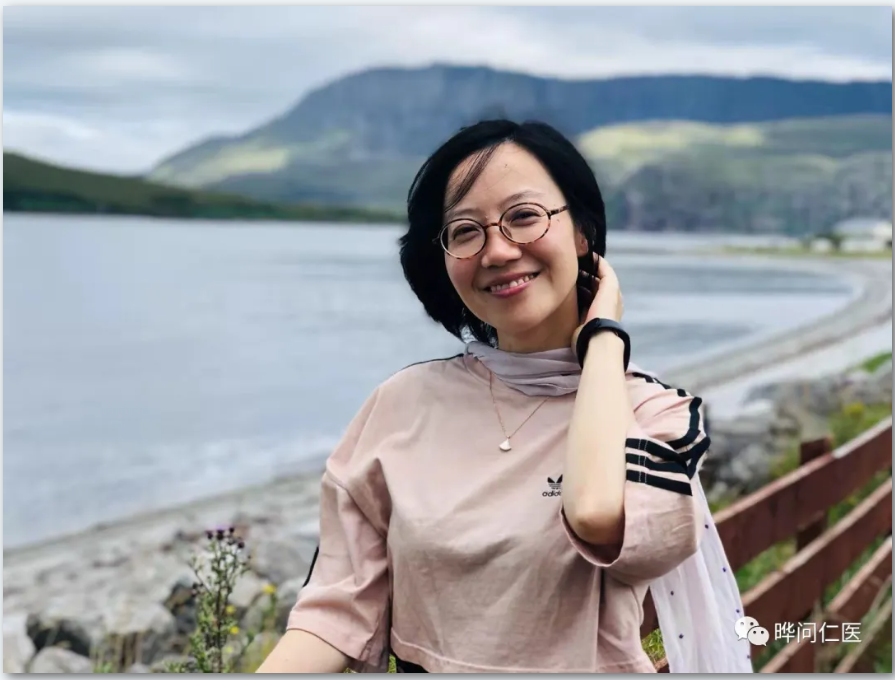
On the clinical side, Professor Zang Rongyu, Director of the Department of Gynecologic Oncology at Zhongshan Hospital, became another key mentor. Under his guidance, the department published major findings on treatment models for recurrent ovarian cancer in The Lancet Oncology. The study powerfully demonstrated the value of secondary cytoreductive surgery and offered insights for selecting patients most likely to benefit. Shi Tingyan was the first author.
The research process was arduous. Planning began in 2006; the first patient was not enrolled until 2012. The greatest challenge was gaining patients’ acceptance of randomization between surgery-plus-chemotherapy and chemotherapy alone. Shi Tingyan spent countless nights in the doctors’ office, speaking with patients and families for at least half an hour at a time, recruiting every Zhongshan participant personally.
“For patients, the survival benefit of participating in a clinical study is enormous,” she emphasizes. “Whether in the surgery or non-surgery group, enrolled patients receive the best systematic management and long-term follow-up. Any signs of early recurrence receive timely intervention.”
From July 2012 to June 2019, 357 patients participated. Using median progression-free survival as the endpoint, the findings were clear: surgery could prolong survival, and complete resection was decisive. When resection was complete, survival improved dramatically; when it was not, the outcome was inferior to chemotherapy alone.
“This is how we answered the questions: which patients are suitable for surgery, and what degree of surgical completeness yields the best results? Only with a clear direction can we maximize the efficacy of surgery and ensure that more patients benefit.” Shi firmly believes that the true path of a medical scientist begins with questions raised at the bedside and aims to solve real clinical problems.

Gynecologic oncology has two major tasks: treating existing tumors and preventing them. Ovarian malignancies are notoriously difficult to detect early; by the time most patients are diagnosed the disease is already advanced. Large international cohort studies have confirmed that population screening for ovarian cancer is ineffective. Yet one group offers a clear opportunity for prevention: women at high genetic risk.
In late 2014 Professor Zang’s team launched a research project on hereditary ovarian cancer with Shi Tingyan as lead. One of the earliest and largest studies of its kind in China, it found that 16.7 percent of ovarian cancer patients carried BRCA1/2 mutations—mutations that can affect first- and second-degree relatives. Healthy carriers constitute a high-risk population for whom standardized screening, genetic counseling, and preventive intervention are essential.
Since 2015 the department has operated a specialized clinic every Wednesday afternoon for gynecologic oncology genetic counseling and ovarian-tumor health consultations. Through this clinic, preventive intervention, early education, early diagnosis, and early treatment can be delivered in a standardized way. The hospital’s laboratory medicine department was among the first in Shanghai to launch tumor genetic testing services. Clinical guidelines now standardize screening, prevention, and intervention for healthy women who carry high-risk susceptibility genes.
“I believe tertiary hospitals across the country will move toward greater specialization,” Shi says. “Professional doctors focus on their respective fields so that prevention, education, diagnosis, and treatment form a tightly linked chain. Gynecologic oncology specialists have the responsibility to control the timing of treatment carefully.”
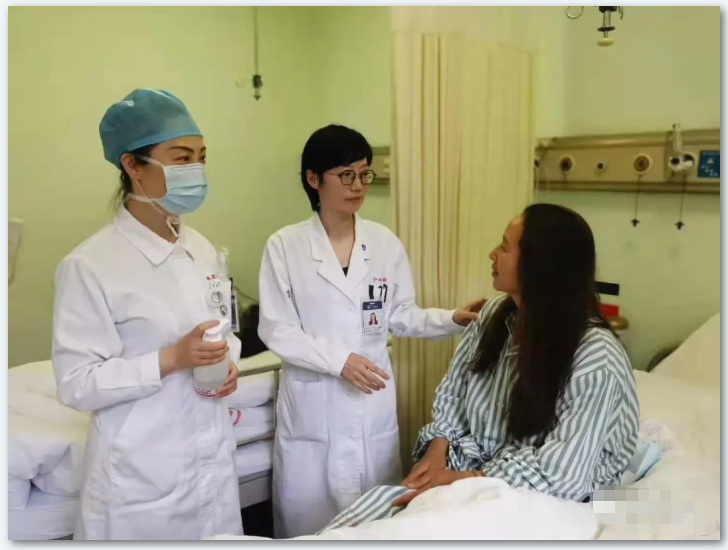
As one of the department’s leaders, Shi focuses on building the talent pipeline while insisting on reserving time to absorb new knowledge and to keep thinking. Past case records, clinical data, and cross-departmental resources never remain merely on paper; she continually seeks to transform clinical questions into research results that feed back into practice.
“We must truly devote time and energy to ensuring patients’ quality of life,” she says. “We must be doctors with a sense of mission, and we must do things with a sense of mission. Medicine is a profession that tests one’s conscience.”

ShanghaiDoctor.cn: Do you still remember your first operation as the lead surgeon? How did you feel at the time?
Shi Tingyan: I loved being in surgery even as an intern. What left the deepest impression was orthopedic surgery, which placed tremendous demands on physical strength. At the time I felt it was very hard for a woman to be a surgeon. During the operation I was so focused that I never felt tired; afterward, however, I would always have back and leg pain, so I pushed myself to exercise more.
ShanghaiDoctor.cn: You once published in Translational Research in Gynecologic Oncology. Could you explain what that area of research involves?
Shi Tingyan: Translational research is the responsibility of every clinical physician. All questions begin at the bedside. Through retrospective or prospective study designs we can find solid answers to every small clinical question. Historical case records, accumulated clinical data, and the many departments open to collaboration are the best resources we have. We identify the factors that influence treatment efficacy and prognosis, then consult basic scientists to investigate the underlying molecular mechanisms. The BRCA gene in ovarian cancer was one avenue we identified early on. We collected ovarian cancer samples from across the hospital, conducted genetic testing, correlated the results with patients’ survival and treatment outcomes, and integrated these into part of our translational research—which has already yielded impressive results.
ShanghaiDoctor.cn: A study by Professor Zang Rongyu’s team was published in The Lancet Oncology and attracted great attention in the field. As the first author, could you share it with us?
Shi Tingyan: The beginning was truly difficult. Every patient enrolled in the study had to pass strict screening. I personally recruited, one by one, every patient from Zhongshan Hospital who participated. I still clearly remember the repeated conversations with patients and their families in the doctor’s office, each lasting at least half an hour. Some patients firmly refused the non-surgical treatment plan, so I repeatedly expressed my understanding and continued to communicate with them. Whether in the surgical or non-surgical group, once enrolled, patients received the best systematic management and long-term follow-up, and any discomfort was addressed promptly. Differences in treatment methods are inevitable, but for patients, participating in clinical research brings the greatest survival benefit.
Using median progression-free survival as the outcome indicator, we observed a striking difference: surgery extended patients’ survival time. At the same time, whether secondary cytoreductive surgery achieved complete resection was crucial to prognosis. If the resection was complete, survival time was greatly extended; if not, the effect of surgery was worse than chemotherapy. Therefore, patient selection criteria need to be more stringent, and the scoring model further optimized, to ensure that, to the greatest extent possible, more patients benefit from this approach.
ShanghaiDoctor.cn: Does heredity account for a large proportion of gynecologic tumors? In what ways can we prevent them?
Shi Tingyan: Yes, a large proportion. Among all malignant tumors, ovarian cancer carries the highest hereditary risk. Nearly one-fifth of ovarian cancer patients have germline BRCA gene mutations. Ovarian cancer is usually already advanced when discovered. It is difficult to detect by routine physical examination, highly insidious, and very challenging to treat. How can we move the point of treatment earlier? By offering good genetic counseling and carrying out cancer prevention and treatment.
ShanghaiDoctor.cn: If you could choose again, do you think you would take a different path?
Shi Tingyan: All paths in life lead to the same destination. I believe design is a worthwhile pursuit—and medicine, too, is itself a form of design and innovation. Interest is cultivated through exploration. Curing patients, conducting scientific research, venturing into the unknown—push a little further, then push further still. This process brings a profound sense of fulfillment.
With simplicity of heart and a quiet determination to return to the fundamentals of medicine while embracing new ways of thinking, Shi Tingyan continues to move forward—one carefully considered patient, one rigorous study, one younger colleague at a time.
Editor: Chen Qing
If you need any help from Dr. Shi, please be free to conatact us at Chenqing@ShanghaiDoctor.cn.
Dr. Shi Yuling | Psoriasis, and Spring Mountains Beyond the Plain
Dr.Ying Chunmei | Laboratory Medicine, Renewed a Little Every Day
Dr. Zhang Lei | Children's Airways, and a Preference for Being Plain
Dr. Chen Tongyu | Chest Surgery Without a Tube, and No Claim to Greatness
Dr. Hua Xiaolin | High-Risk Obstetrics, and a Child Worth Keeping
Dr. Shen Chun | Neonatal Surgery, and a Vow That Makes No Speech
Dr. Yang Ji | A Dermatologist Who Measures the Years by Who Gets Better
Dr. Chen Gong | Children's Bile Ducts, and a Future He Chose Himself
Dr. Luo Zhiguo | An Oncologist Still Hoping for One More Reunion
Dr. Shi Yuling | Psoriasis, and Spring Mountains Beyond the Plain
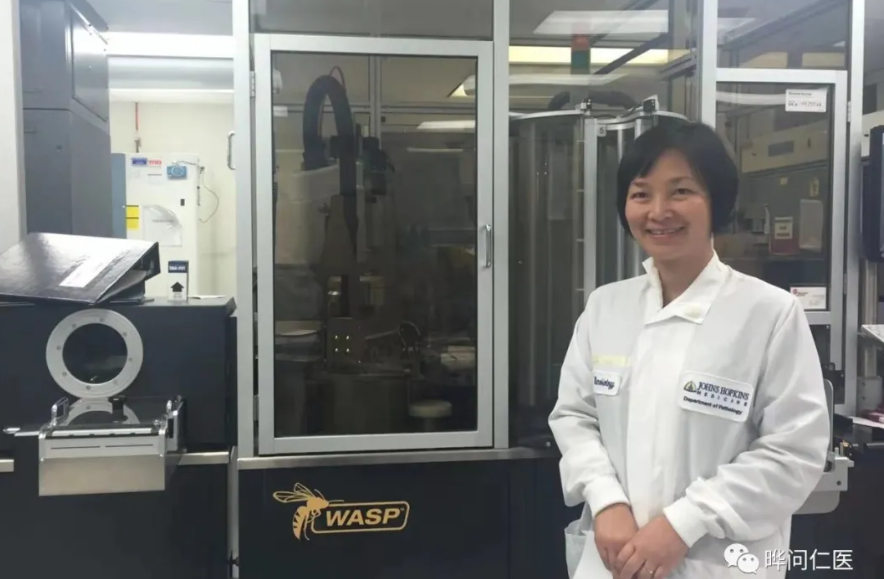
Dr.Ying Chunmei | Laboratory Medicine, Renewed a Little Every Day
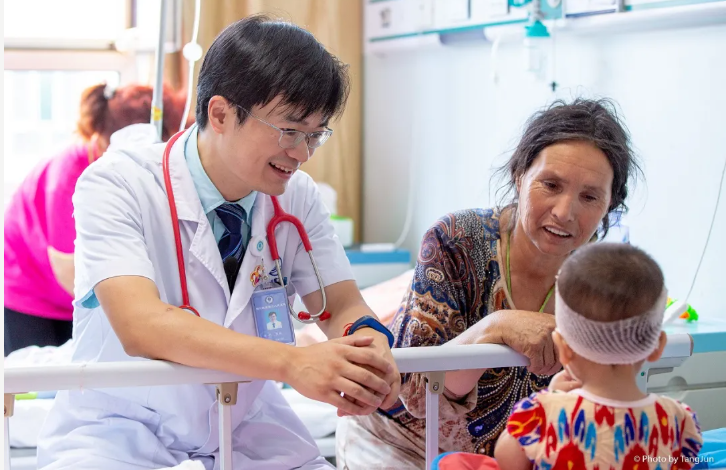
Dr. Zhang Lei | Children's Airways, and a Preference for Being Plain
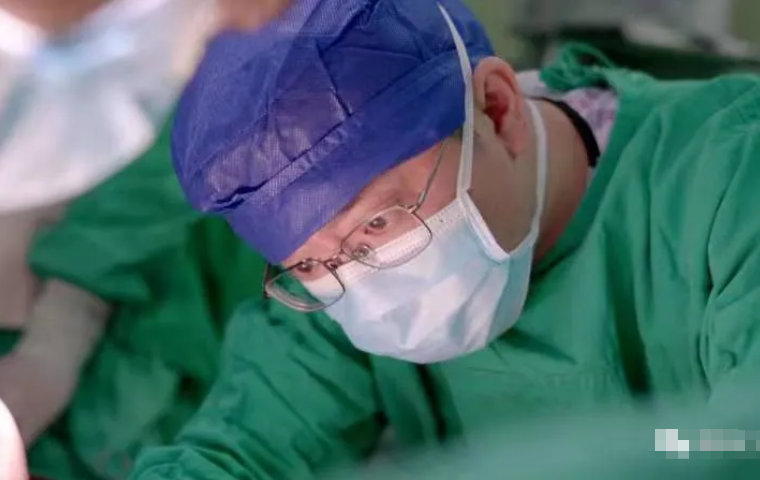
Dr. Chen Tongyu | Chest Surgery Without a Tube, and No Claim to Greatness
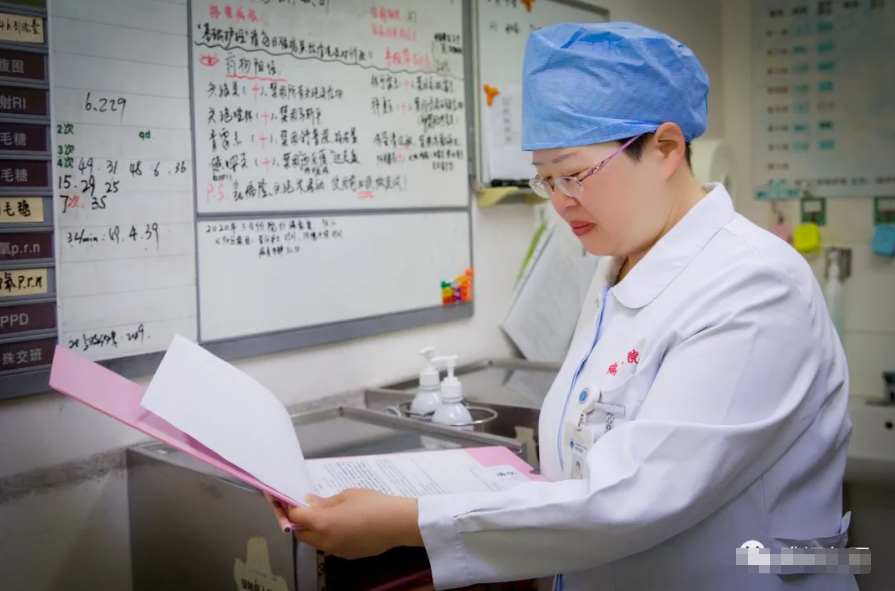
Cui Jie | An Infectious-Disease Nurse Who Kept Walking In
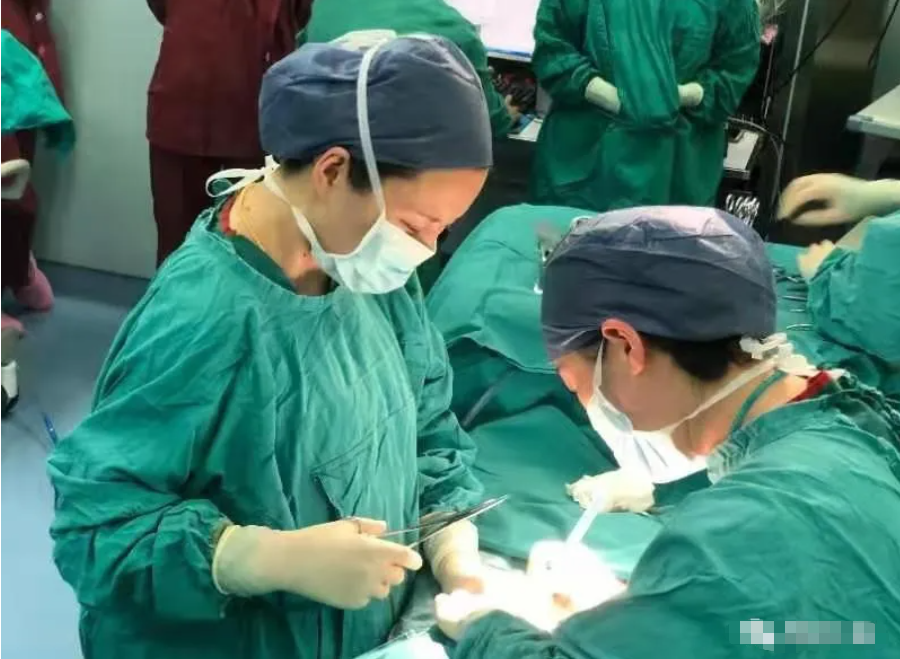
Dr. Hua Xiaolin | High-Risk Obstetrics, and a Child Worth Keeping
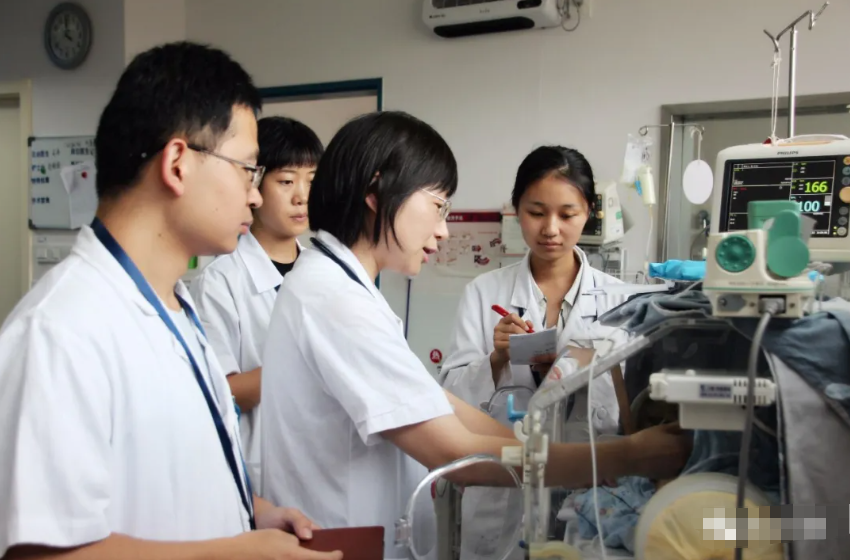
Dr. Shen Chun | Neonatal Surgery, and a Vow That Makes No Speech
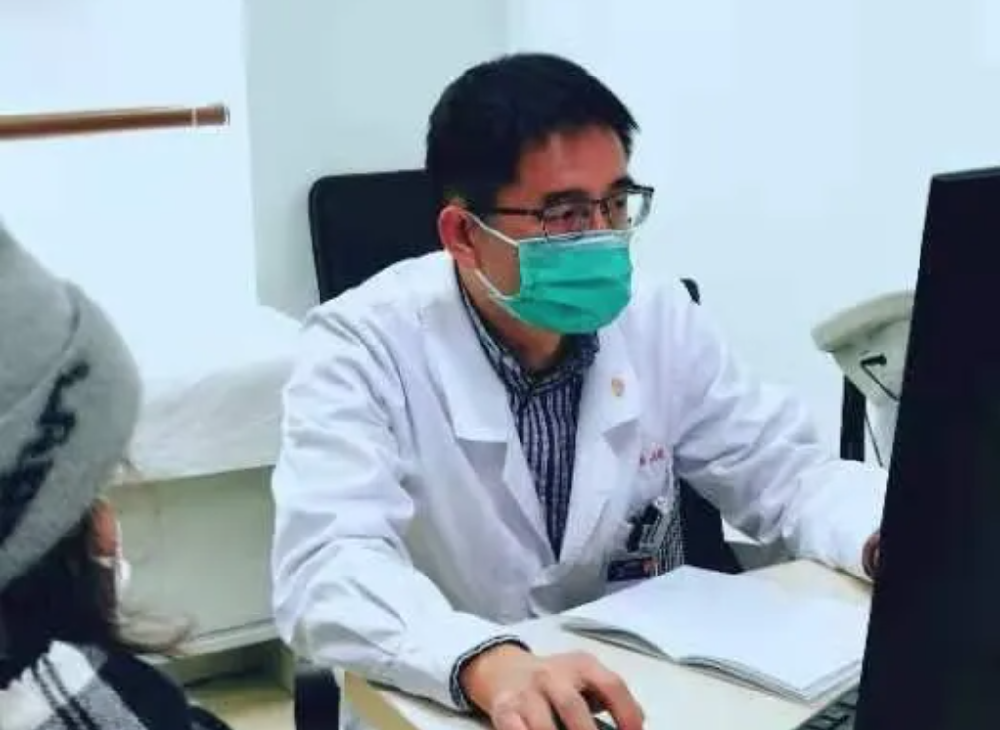
Dr. Yang Ji | A Dermatologist Who Measures the Years by Who Gets Better
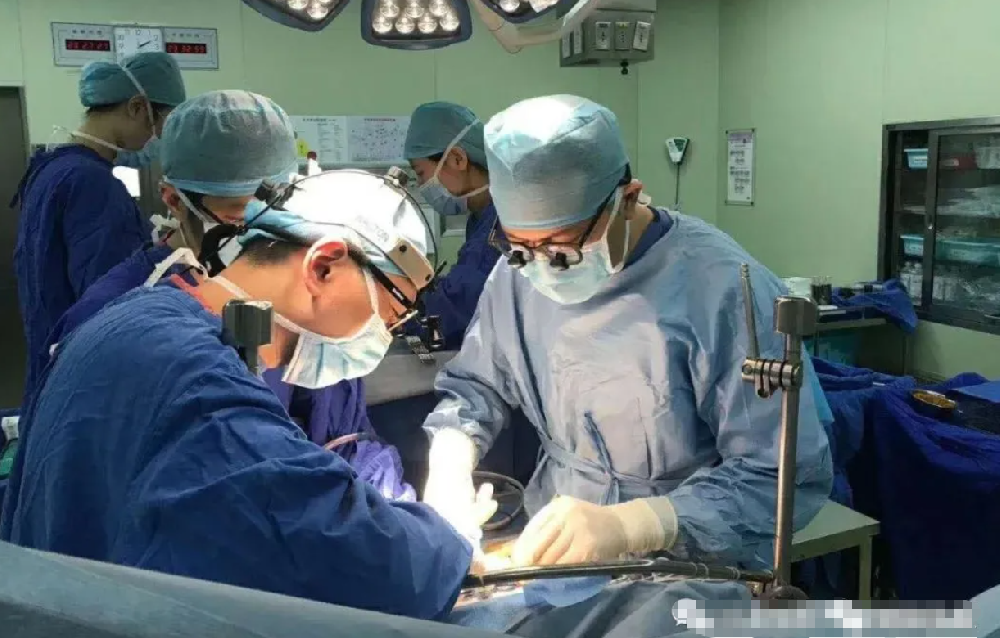
Dr. Chen Gong | Children's Bile Ducts, and a Future He Chose Himself
Dr. Luo Zhiguo | An Oncologist Still Hoping for One More Reunion
Copyright © 2023 Yewen Renyi & ShanghaiDoctor.cn (This website is a non - profit medical humanities platform. The information contained herein is solely for biographical and historical purposes and does not constitute any medical advice.) 沪ICP备2023005392号-2 XML 沪公网安备31010902100835号
 中文
中文 English
 Español
 沪公网安备31010902100835号