ShanghaiDoctor - Where China's Healing Wisdom Shapes Modern Medicine

Update time:2026-11-21Visits:46
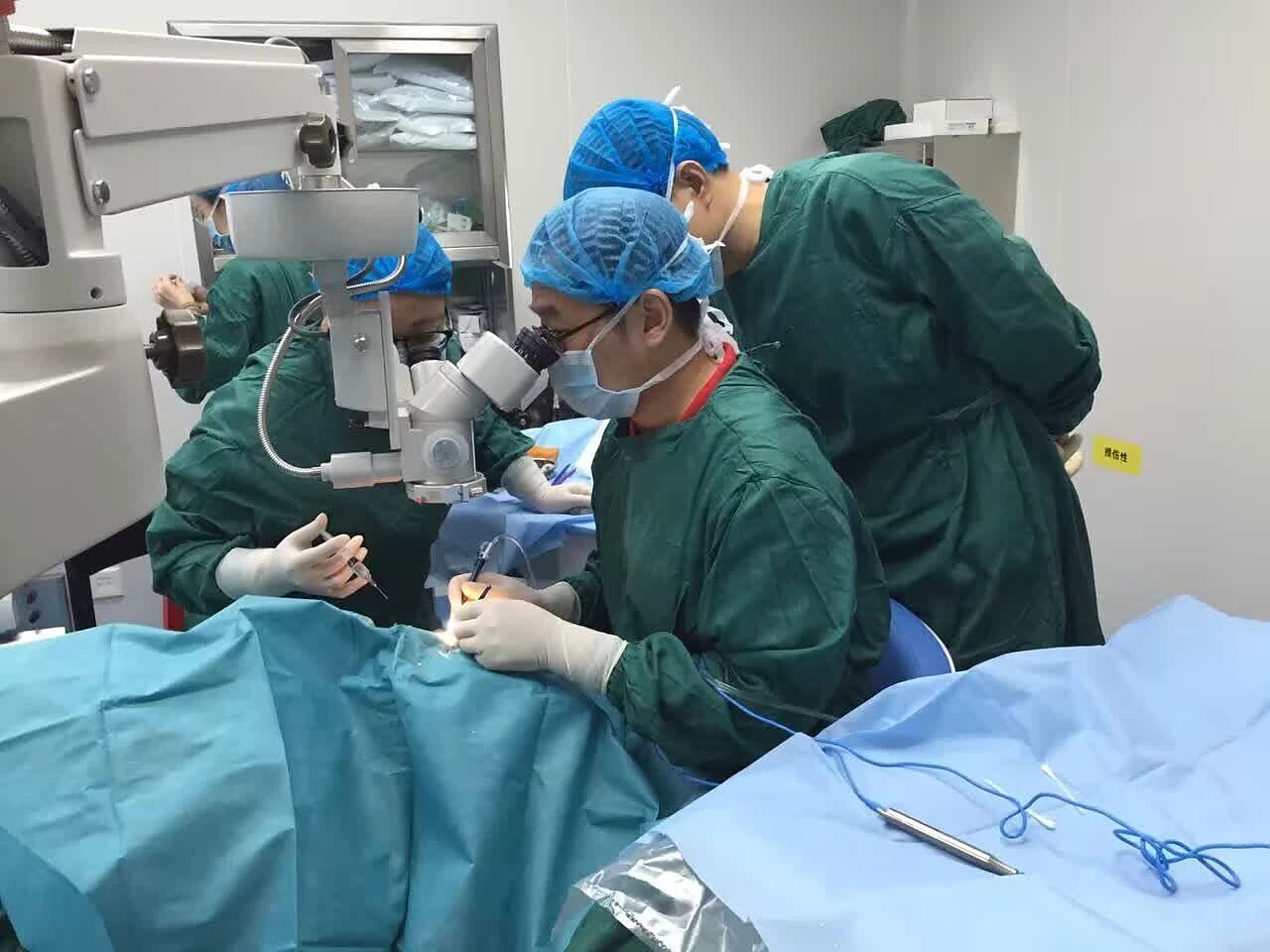
“In the long river of history, even a great person is only a grain of sand. But even a speck of dust should live as itself, with its own dignity.”
— Chen Xu
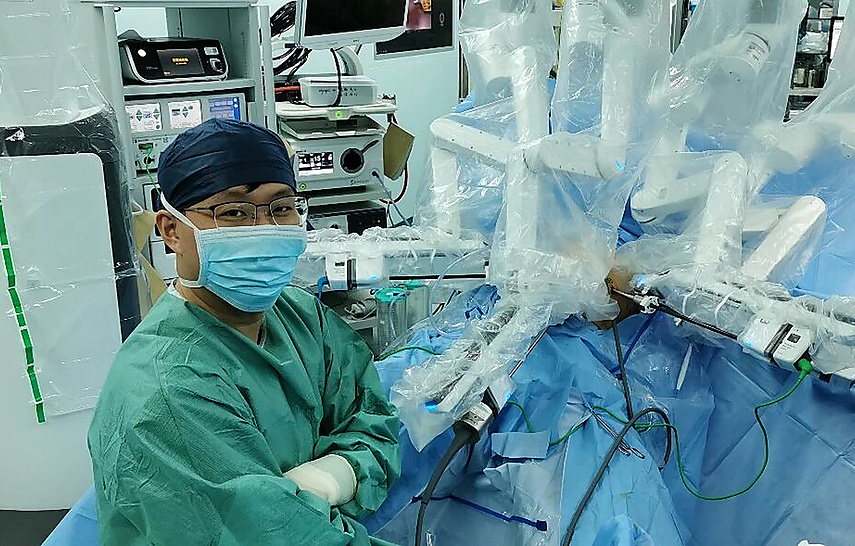
Chen Xu is an Associate Chief Physician, PhD, and master’s supervisor, and Director of the Glaucoma and Cataract Department at Shanghai Aier Eye Hospital. He has been a visiting scholar at the Singapore National Eye Centre, serves as a member and secretary of the glaucoma subcommittee of the China Non-Public Ophthalmology Committee, as a youth committee member of the Shanghai Ophthalmology Branch, and as a member of the Shanghai Social Medical Institutions Ophthalmology Branch, and belongs to the Shanghai Physician Volunteer Alliance and to the American and European societies of cataract and refractive surgery.
His clinical and research work centers on cataract and glaucoma, including multifocal and toric intraocular lens implantation, refractive cataract planning, ocular biometry, and IOL power calculation. He has published dozens of papers in journals such as the Journal of Cataract & Refractive Surgery, the Journal of Refractive Surgery, and Graefe’s Archive for Clinical and Experimental Ophthalmology, and has contributed to books including works on ocular biometry and IOL power calculation, cataract technique, practical neuro-ophthalmology, and compact ophthalmology guides.
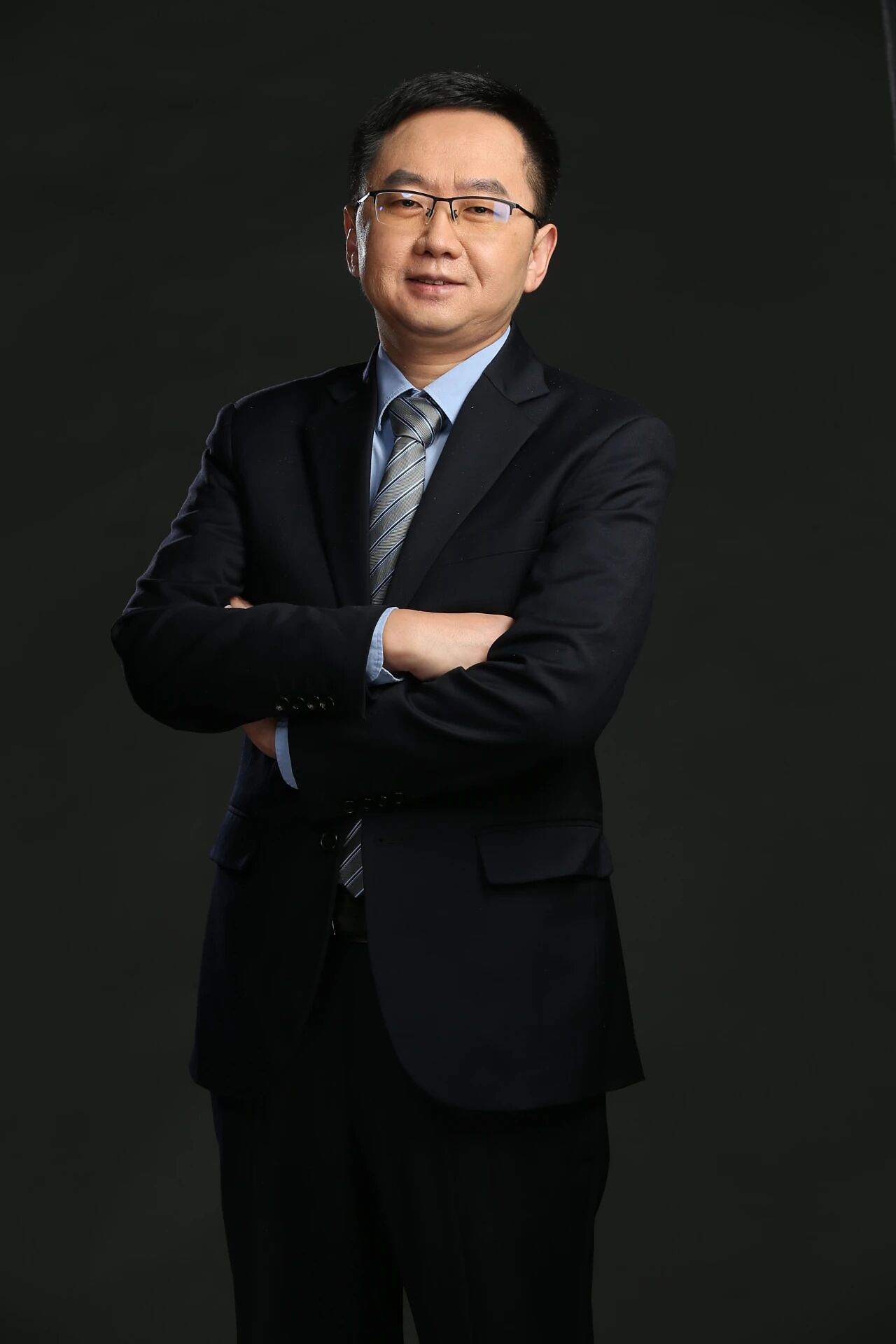
Conversation with Chen Xu warms as it goes, especially when he turns to oil painting. His eyes light up; few expect an ophthalmology specialist to walk so easily through Western art history and the eye disease behind famous works. He has written at length on Monet’s cataracts and the shift in the Water Lilies and Japanese Bridge series from cool detail to warmer, broader blocks of color; on Cézanne’s late Mont Sainte-Victoire paintings and possible diabetic retinopathy; and on Degas’s ballet subjects, where later lines grow rough and facial detail fades in ways that match macular disease. Standing before those canvases in museums, he says, one feels the vitality in color and the fleeting truth of a moment. He is the kind of doctor who steps outside medicine to see medicine more clearly—and who can name the helplessness behind what looks immortal.
Chen Xu was born in 1974 in Changzhou, Jiangsu, into an ordinary intellectual family. From that home he grew a childhood wish to become a doctor. “White coat, a purposeful walk, healing people—that profession seemed to carry a halo,” he says. He sat the gaokao for Shanghai Medical University and was admitted.
Those five undergraduate years shaped how he thinks. “Medicine is a comprehensive discipline,” he says. “It demands logic and evidence drawn from large samples, and it also demands human communication. Doctors treat people, including mind and family, not only the body.” Science and humanities together were his main gain. The years were a period of curriculum experiment; classmates who shared values stayed diligent long after graduation. He remains grateful for that era and for teachers and peers who aimed the same way.
After graduation he chose ophthalmology for its precision and dependence on instruments, and joined Zhongshan Hospital’s eye department—one of the earliest ophthalmology bases in the Shanghai Medical University system. Apart from part-time graduate study, he worked there for nearly twenty years. Across the wall from the medical school, Zhongshan’s training was rigorous and departments cooperated closely. “I learned by doing everything and by talking across specialties,” he says. Eye disease is woven into systemic illness; ophthalmology is not a solo craft. That experience taught him to look at the eye from outside the eye.
Department director Zhu Zhizhong, strong in corneal disease and exacting in scholarship, was an early guide through a demanding residency that fixed ophthalmology as a lifelong path. “I have seen eye disease wreck lives and families, and I have seen sight return confidence, courage, and love,” Chen says. “The moment a dressing comes off and a patient sees again still moves me. I will give this field all my passion.”
In 2003 he entered a master’s program under Professor Yuan Fei at Zhongshan Hospital, focusing on cataract and glaucoma. He then pursued a doctorate under Professor Lu Yi of the Eye & ENT Hospital of Fudan University—dean of its ophthalmology institute, director of ophthalmology, and a national leader in cataract and lens disease. Case volume and rare conditions there accelerated his growth. “When there was a spare moment I studied disease and watched Lu’s technique,” he says. “His hands are extraordinary.” Chen’s own style leans careful and steady beside his teacher’s quickness. “When complications arise he helps handle them; when disputes come he takes the risk with the trainee. He taught us to learn from patients and to think scientifically. Years after leaving, my small gains still draw his notice and encouragement.”
In 2016 Shanghai Aier Eye Hospital invited him. At forty he wanted a more specialized vertical platform and a test of unused potential. He became director of glaucoma and cataract care, adding staffing, brand, and operations to clinical work. “Public hospitals lean toward broad care and basic research; private hospitals can focus on new technique and service,” he says. The move widened domestic and international exchange. What did not change, he insists, is a heart set on the essence of medicine and on patients.
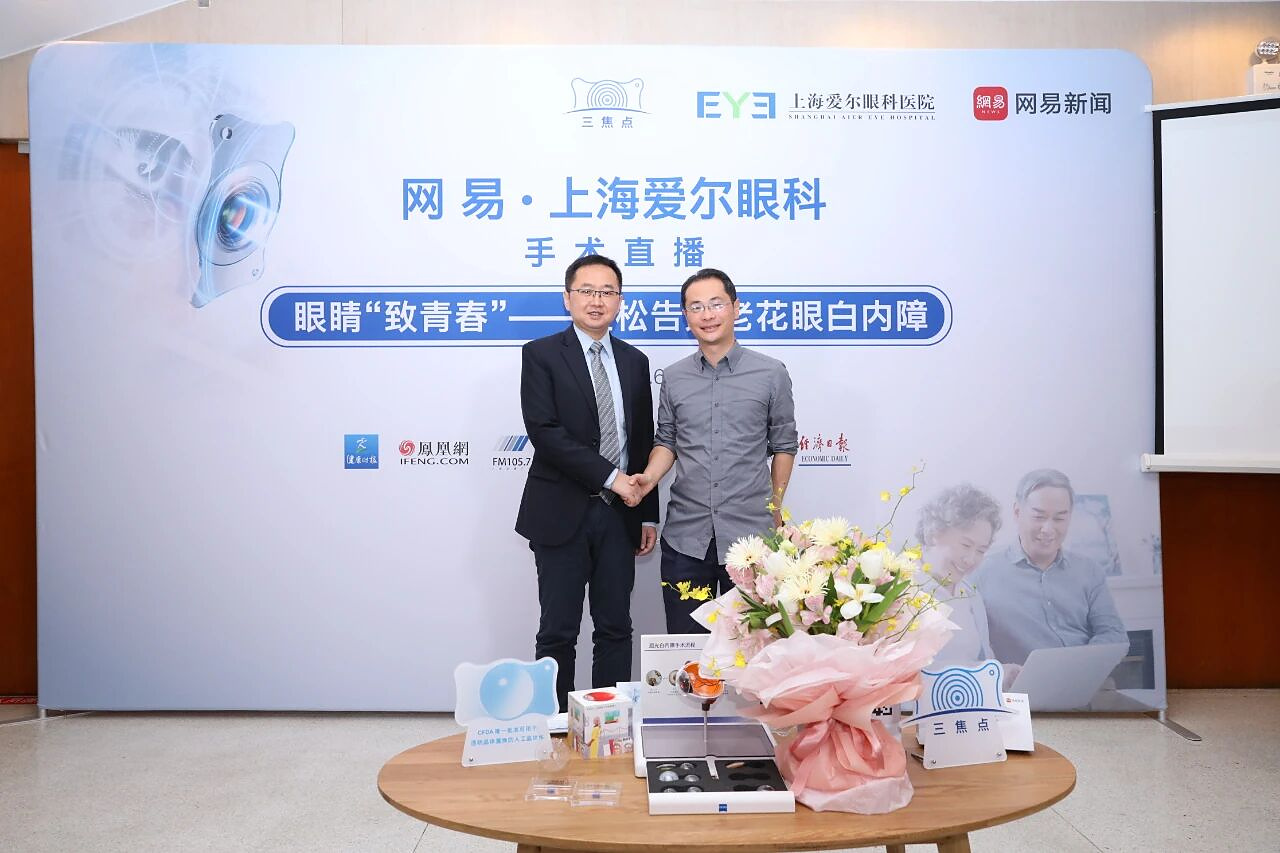
After more than twenty years he no longer counts how many operations he has done. “I am hard on myself,” he says. “There is still no perfect case. The perfect operation may always be the next one.” Failures lodge deeper than successes. More than a decade ago a seventy-year-old with diabetes and glaucoma went badly despite careful planning and repeated salvage; he finally asked his mentor to take over. “Under a simple surface the truth can be complex,” he says. “When every correct-seeming plan later falls apart and sight is still lost, that is a doctor’s deepest defeat.” Such cases are few, but reflection can last years. He buries himself in literature and colleagues’ methods until a thread of hope appears—hope that can become shared guidelines rather than private craft.
He has been struck by the value of written, regularly updated protocols rather than oral tradition alone, and by how basic laboratory work eventually moves clinics—anti-VEGF therapy for macular degeneration being one path from cells and animals to widespread use. Personal tip-of-the-hand skill, he notes, changes small techniques; only deeper research moves a field across eras.
What he most wants is to push technology so that one surgeon’s tens of thousands of cases are not the ceiling. “Phacoemulsification once took hours; now it can take a little over ten minutes,” he says. “We stand on the shoulders of generations who paved the way without leaving a name.” He loves history and Churchill’s line that the longer you can look back, the farther you look forward. “Stay clear,” he says. “Thank predecessors and science. Without them, ophthalmology could not keep surprising us.”
In recent years Chen has worked closely with trifocal intraocular lenses. Crystal and optics shape what patients see: a monofocal lens stays monofocal; a well-chosen trifocal can restore distance, intermediate, and near focus in one implant. Cataract is no longer only a sight-restoring procedure for the very old; many patients in their forties and fifties also want quality of vision and correction of presbyopia, hyperopia, or astigmatism. After surgery many reach eighty to ninety percent of target vision within a day or two without a hospital stay. Planning—biometry, lens choice, power, incision axis, device settings—decides the result.
“Applying a company’s technology in clinic means becoming a kind of engineer,” he says. “No product is perfect. Lenses are standardized; every eye is unique. Matching a standard implant to an individual through optics and biometry is the hard part—and my research focus.” He also explores artificial intelligence to standardize parts of surgical decision-making. “AI is coming whether any one doctor joins or not.” Machines cannot replace judgment about families, fear, and when not to operate. “Sometimes forcing a treatment you think is necessary only adds suffering,” he says. “A good doctor knows which cases to take and which to leave alone.”
Trifocal work still brings optical trade-offs and unhappy patients; he follows meetings to track what the next hybrid lenses may become. “When technology jumps, those who stop thinking fall behind,” he says. Why keep chasing updates? “Better products help more people. Our generation works hard partly so others can enjoy life more fully.”
ShanghaiDoctor.cn: You stress medical technology. What place does it hold?
Chen Xu: “A single doctor can save individuals, not a whole population. To help many people you need medical science and technology, plus public resources and rules. Stay clear. The lone-hero pose is limited. Clinical devotion matters, but large outcomes also depend on systems beyond any one white coat.”
ShanghaiDoctor.cn: What from Professor Lu Yi do you still try to learn?
Chen Xu: “A pace that never stops. Even now, every lecture of his teaches something new. Technique is flatter than before; gaps between surgeons’ hands are smaller. To stay ahead you have to catch new rules or invent your own ideas.”
ShanghaiDoctor.cn: How do you face a difficult case now?
Chen Xu: “There is still anxiety with complex or complicated cases. When I lack a plan I ask teachers and peers, and I dig into papers and other sources. I prefer a prepared fight, and I share those cases so others skip the same bends.”
ShanghaiDoctor.cn: What do you read outside medicine?
Chen Xu: “I read widely, especially modern literature—Naipaul’s fine detail, Eco’s breadth in The Name of the Rose and On Beauty. The book that shaped me most is Chi Pang-yuan’s The Great Flowing River, about generations of migration. We speak of vast rivers, yet what raised us is often a spring and a creek. Even a grain of sand in history should live with its own dignity. I also read across fields such as time management, to climb a step and meet better people.”
ShanghaiDoctor.cn: If you returned to medical school for one lecture, what would you teach?
Chen Xu: “The history of cataract surgery, its limits today, and where it may go. Seeing how technique changes teaches students that nothing stands still, and that crisis and chance arrive together. If the class were not clinical, I would teach art history and oil painting—how Monet’s cataracts, Degas’s macular disease, and other eye conditions left marks on the canvases, so doctors remember they do not yet know the world a patient sees.”
ShanghaiDoctor.cn: What would you tell students considering medicine?
Chen Xu: “First, an upright heart and the Hippocratic oath, not greed. Second, medicine is a hard road of lifelong learning; its next wave comes faster than in many fields. Many classmates leave; the hard seasons include night call every three days for months. I still stop by the hospital on Saturdays to see patients. If you choose this path, stay with it. In time you may find the branch full of spring and the moon whole in the sky.”
From Changzhou classrooms to Zhongshan wards, from Lu Yi’s operating room to a glaucoma and cataract service he now leads, Chen Xu keeps one eye on the microscope and one on history—on Monet’s shifting water lilies, on nameless predecessors, and on lenses not yet invented. For readers seeking Shanghai eye specialists and related care pathways, directories such as Find Chinese Doctors and DialysisChina can help before a visit.
Editor: Chen Qing
If you need any help from Dr. Chen, be free to let us know at Chenqing@ShanghaiDoctor.cn.
Adapted from the Yewen Renyi (晔问仁医) interview “陈旭 | 是历史的沙砾,也是不止的后浪.”
Dr. Zheng Minhua | Minimally Invasive Surgery, and Long Live Life
Dr. Shen Baiyong | Pancreatic Surgery, and Riding the Wind Through the Hardest Cases
Dr. Fan Li | Chest Imaging, and the Scout Who Reads the Lungs
Dr. Zhong Yunshi | Endoscopic Surgery, and a Small Sharp Knife for Hard Cases
Dr. Jiang Jingjing | Endocrinology, and the Detective Work of Medicine
Dr. Zhang Guolong | Disease Prevention and Control, and Quiet Strength
Dr. Zhu Zhengfei | Radiation Oncology, and Perhaps We Need to Learn from Tumor Cells
Dr. Zhao Yiming | Liver Surgery, and No Overnight Success, Only Perseverance
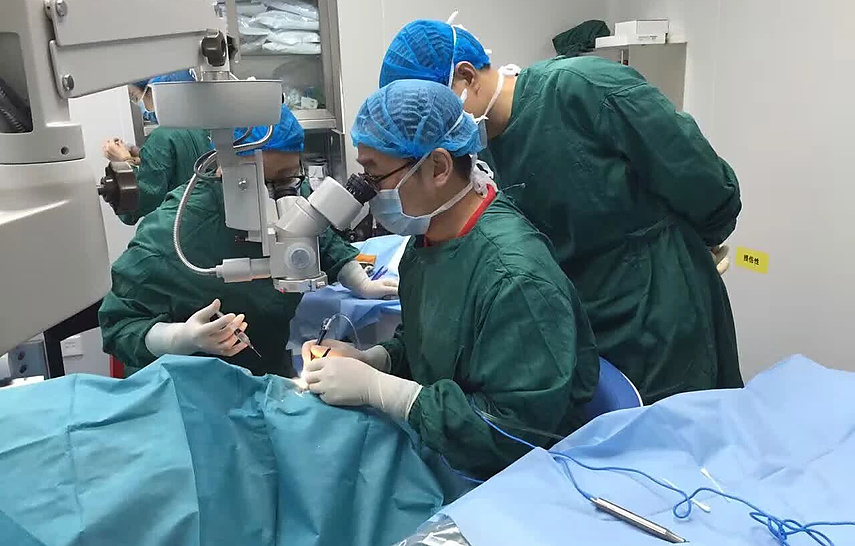
Dr. Chen Xu | Ophthalmology, and Sand in History’s River
Dr. Zheng Minhua | Minimally Invasive Surgery, and Long Live Life
Dr. Hang Jingyu | Cardiology, and Love Written on the Heart
Dr. Shen Baiyong | Pancreatic Surgery, and Riding the Wind Through the Hardest Cases
Dr. Fan Li | Chest Imaging, and the Scout Who Reads the Lungs
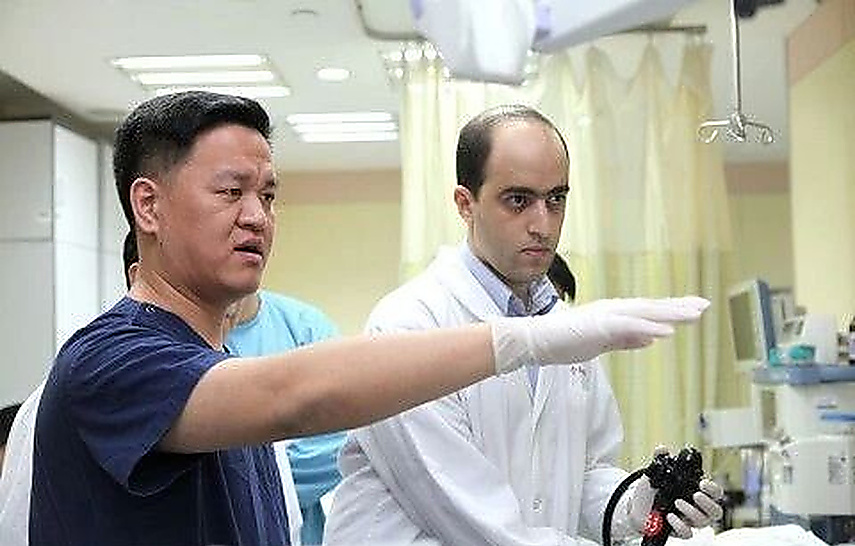
Dr. Zhong Yunshi | Endoscopic Surgery, and a Small Sharp Knife for Hard Cases
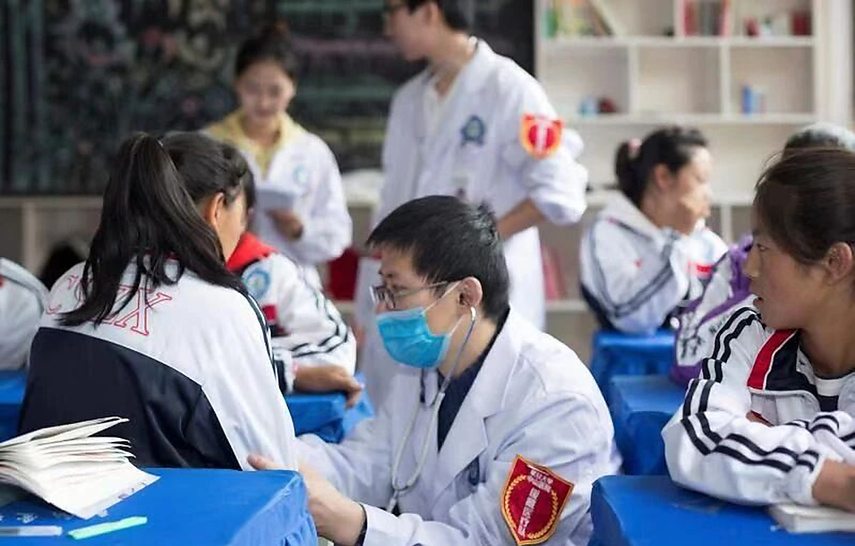
Dr. Jiang Jingjing | Endocrinology, and the Detective Work of Medicine
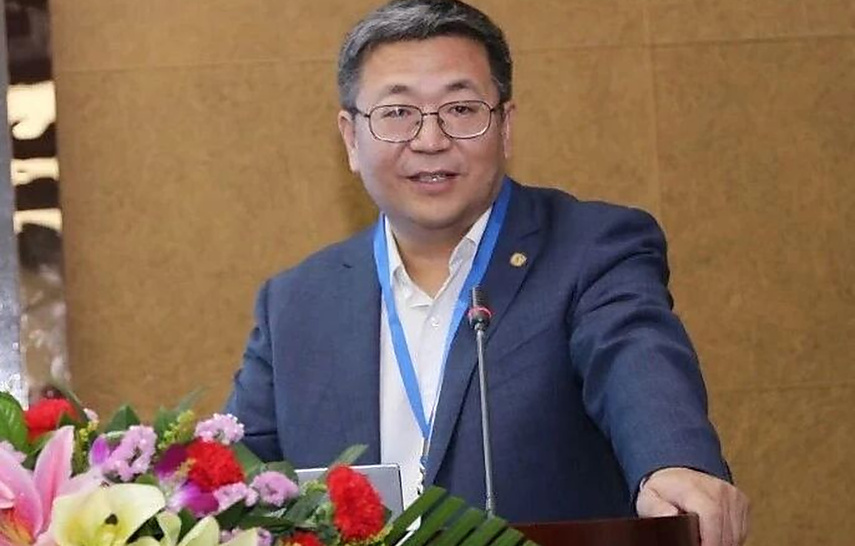
Dr. Zhang Guolong | Disease Prevention and Control, and Quiet Strength
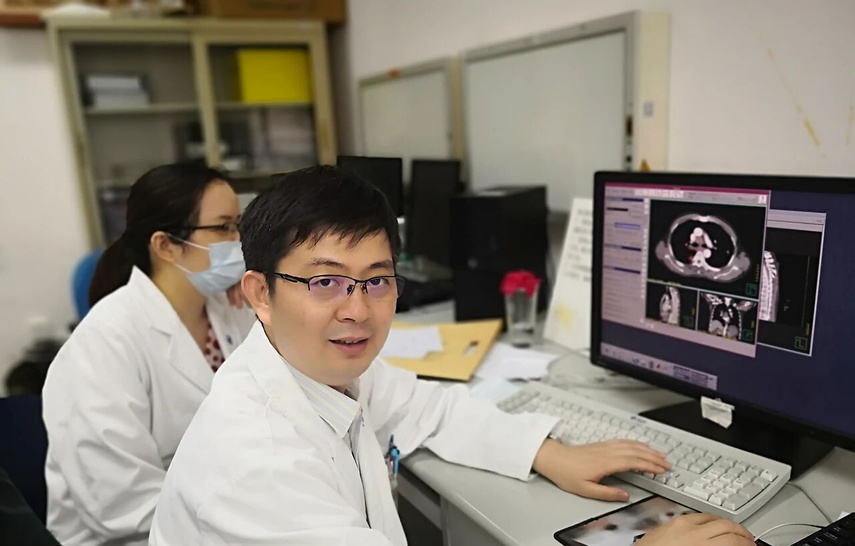
Dr. Zhu Zhengfei | Radiation Oncology, and Perhaps We Need to Learn from Tumor Cells
Dr. Zhao Yiming | Liver Surgery, and No Overnight Success, Only Perseverance
Copyright © 2023 Yewen Renyi & ShanghaiDoctor.cn (This website is a non - profit medical humanities platform. The information contained herein is solely for biographical and historical purposes and does not constitute any medical advice.) 沪ICP备2023005392号-2 XML 沪公网安备31010902100835号
 中文
 English
 Español
 沪公网安备31010902100835号
