ShanghaiDoctor - Where China's Healing Wisdom Shapes Modern Medicine

Update time:2026-11-14Visits:98
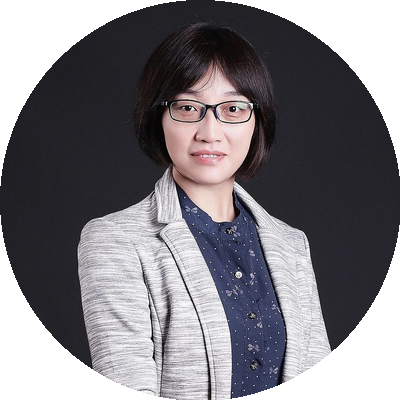
“Radiologists are often called ‘doctors’ doctors.’ They do not only take the pictures; they read them as a whole so the diagnosis can be more precise.”
— Fan Li
Fan Li is an Associate Chief Physician and Associate Professor in the Department of Radiology at the Second Affiliated Hospital of Naval Medical University (Shanghai Changzheng Hospital), and a master’s supervisor. Her work focuses on imaging of chest disease, especially early diagnosis of lung cancer, low-dose CT screening for lung cancer, and quantitative and functional imaging of chronic obstructive pulmonary disease. She has published more than twenty SCI papers as first or corresponding author, including a cover article, and has received Shanghai’s Silver Snake Award, the highest honor for young talent in the city’s health system. Under Professor Liu Shiyuan she is helping build one of China’s largest CT screening platforms for the three major chest diseases.
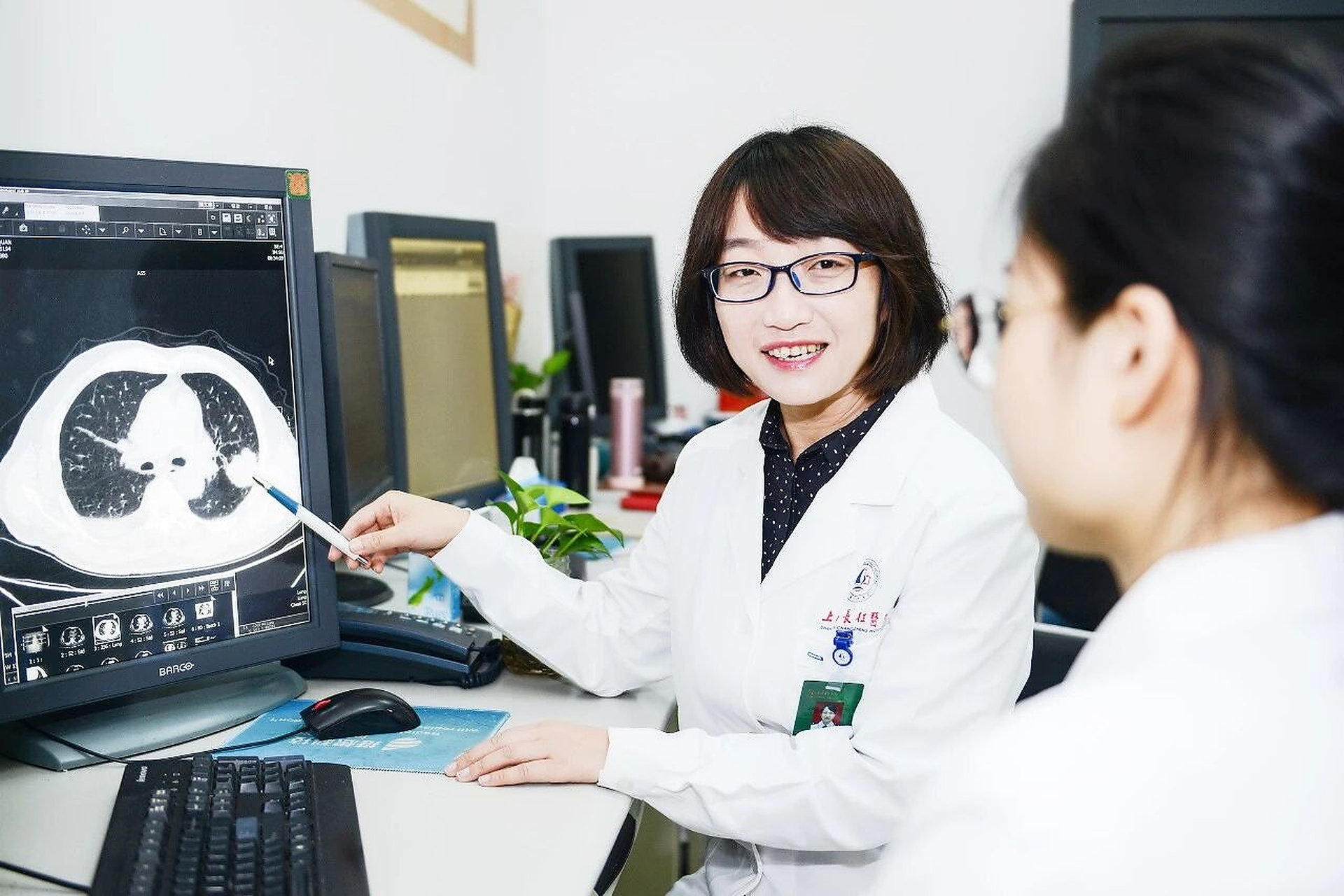
Radiology sits at a hub in the care chain. “Radiologists are often called ‘doctors’ doctors,’” the field says: they do not only take the pictures; they read them as a whole so the diagnosis can be more precise. Fan Li’s career is a long practice of that claim — new ways to find lung nodules, new ways to sort ground-glass lesions, and patient conversations that can last an hour when fear will not settle.
As a child she dreamed of putting on a uniform and becoming a soldier. In the 1998 university entrance exams she applied without hesitation to an information-engineering program at a military school. Interviewers, seeing how slight she was, worried she could not bear camp life and turned her down.
Shandong First Medical University opened instead, and medical imaging drew her in. The deeper she studied, the clearer the hub role of radiology became. The childhood wish did not die. After her bachelor’s degree, in 2003 she entered the Second Military Medical University for graduate study under Professors Liu Shiyuan and Xiao Xiangsheng. Liu set her a project on functional MRI of the lung parenchyma. For a time she saw no path and told him, in tears, that she feared she could not finish. He answered that not every study succeeds, and that the setbacks on the road may later become the help that makes success possible. In that training she learned rigor, care and strong follow-through. Her first SCI paper appeared in December 2007; a cover article followed; more than twenty SCI papers as first or corresponding author have come since.
Under Liu she helped create a new chest-film method for finding lung nodules and refined CT protocols so detection rose from 77.3 percent to 89.3 percent. She proposed an international classification for pulmonary ground-glass nodules (GGN) with quantitative and qualitative criteria, led radiomics studies on hard clinical questions in lung cancer, and built one of China’s early preoperative, noninvasive models to predict distant metastasis of non-small-cell lung cancer, flagging radiomic signatures, pleural indentation and non-adenocarcinoma histology as higher-risk groups after surgery.
When word spread that she had won the Silver Snake Award, a middle-aged man traveled from another city to congratulate her. He had been found to have a 3.2-centimeter lung mass. With a long smoking history and enlarged mediastinal nodes, his local hospital feared advanced lung cancer. He came to Changzheng. From the outside CT Fan saw signs that did not fit. She advised chest MRI with and without contrast. The mass showed capsule-like enhancement — a large tuberculoma, not a malignancy. Wrong treatment was avoided; he called her a lifesaver.
As nodule detection rose, anxiety rose with it. One woman had watched a nodule grow from 1.0 to 1.1 centimeters over two years and could neither eat nor sleep in peace. Fan explained that the volume rise was under ten percent, the density was high, and different readers often pick slightly different maximal slices. The woman kept asking. The visit lasted an hour. Fan pulled prior studies, measured volumes again at the workstation in front of her, and stayed with the evidence until the woman’s face eased.
Fan also insists that a radiologist must know how images are made. As a younger doctor she ran the scanner herself, refined protocols for clearer CT, and once saw her white-cell count fall because she was sensitive to radiation — yet she did not step away. From 2008, when she began independent chest reporting, she has reviewed about 12,500 reports a year. Scanners that once produced sixty or seventy images at 5-millimeter thickness now yield nearly a thousand thin slices. The work is long, dry and heavy on the eyes and neck. She keeps watching so that a thin clue does not slip past.
In 2018 she spent a year on a medical-aid team in Cambodia — one brief overseas chapter in a career otherwise rooted in Shanghai — and later returned to the same long days at the Changzheng radiology desk.
That same patience shows in how she thinks about technology. A clearer scan is not a luxury; it is the difference between a report that steers treatment and one that misleads it. When slice thickness fell from five millimeters to one, and a single chest study ballooned from dozens of images to nearly a thousand, the burden landed on the person at the screen. She accepted the burden because a missed thread can decide a family’s next year.
Her research line stays close to that bedside worry. Better nodule detection on chest films and CT, a clearer language for ground-glass nodules, radiomics that try to foresee who is at higher risk of metastasis after surgery — each project answers a question patients already ask in clinic: Is this dangerous? Do I need an operation? Can I wait? The large CT screening platform she is helping build under Professor Liu is meant to turn those answers from single brilliant reads into a system that can serve many more people.
Family support made the hardest stretches possible. Her husband, who works at Shanghai Sixth People’s Hospital with long days of his own, and her father from Shandong have kept the household steady for an eight-year-old girl and a four-year-old boy when work pulled her further from home. The quieter fact behind the awards is the same: the scout at the screen is also someone who was held up from home.
From a refused military interview to a radiology desk that sees thousands of chests a year, Fan Li’s work is to notice what others might miss and to speak long enough that fear can stand down. For readers comparing hospitals and specialists in Shanghai, directories such as Find Chinese Doctors and DialysisChina can help map options before a visit.
Editor: Chen Qing
If you need any help from Dr. Fan, be free to let us know at Chenqing@ShanghaiDoctor.cn.
Adapted from the Yewen Renyi (晔问仁医) interview “范丽 | 胸部疾病的侦察兵.”
Dr. Shen Baiyong | Pancreatic Surgery, and Riding the Wind Through the Hardest Cases
Dr. Fan Li | Chest Imaging, and the Scout Who Reads the Lungs
Dr. Zhong Yunshi | Endoscopic Surgery, and a Small Sharp Knife for Hard Cases
Dr. Jiang Jingjing | Endocrinology, and the Detective Work of Medicine
Dr. Zhang Guolong | Disease Prevention and Control, and Quiet Strength
Dr. Zhu Zhengfei | Radiation Oncology, and Perhaps We Need to Learn from Tumor Cells
Dr. Zhao Yiming | Liver Surgery, and No Overnight Success, Only Perseverance
Dr. Zhao Kuaile | Radiation Oncology, and the Great Way Is Simple
Dr. Gu Chaoying | Dermatology, and Holding On Because There Is No Other Choice
Dr. Wang Qunshan | Cardiac Electrophysiology, and Meeting the Rising Wind
Dr. Shen Baiyong | Pancreatic Surgery, and Riding the Wind Through the Hardest Cases
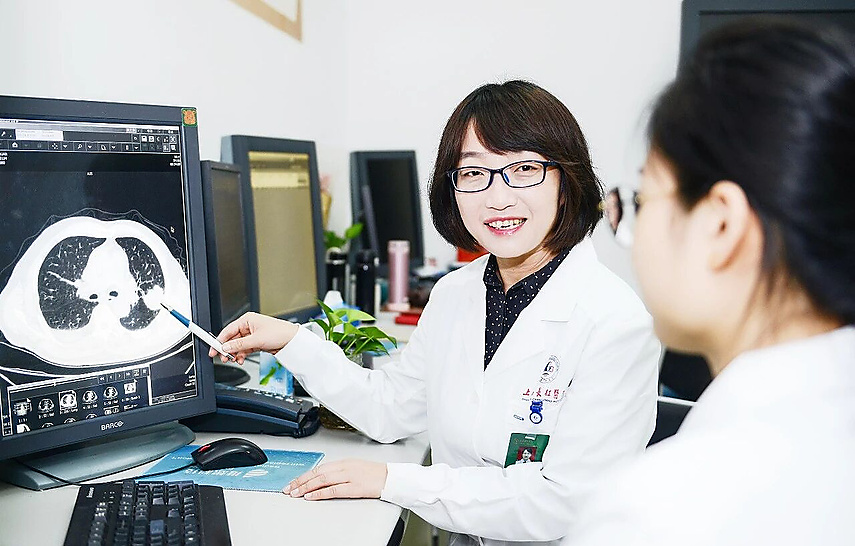
Dr. Fan Li | Chest Imaging, and the Scout Who Reads the Lungs
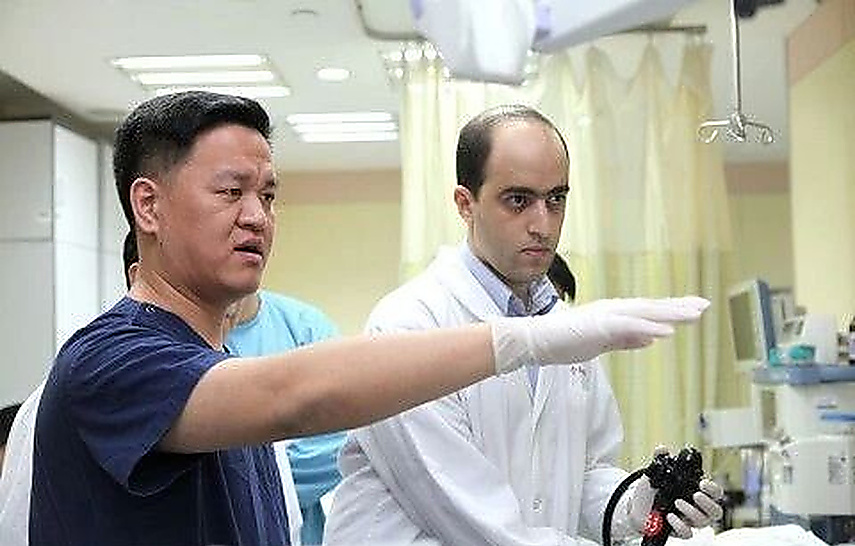
Dr. Zhong Yunshi | Endoscopic Surgery, and a Small Sharp Knife for Hard Cases
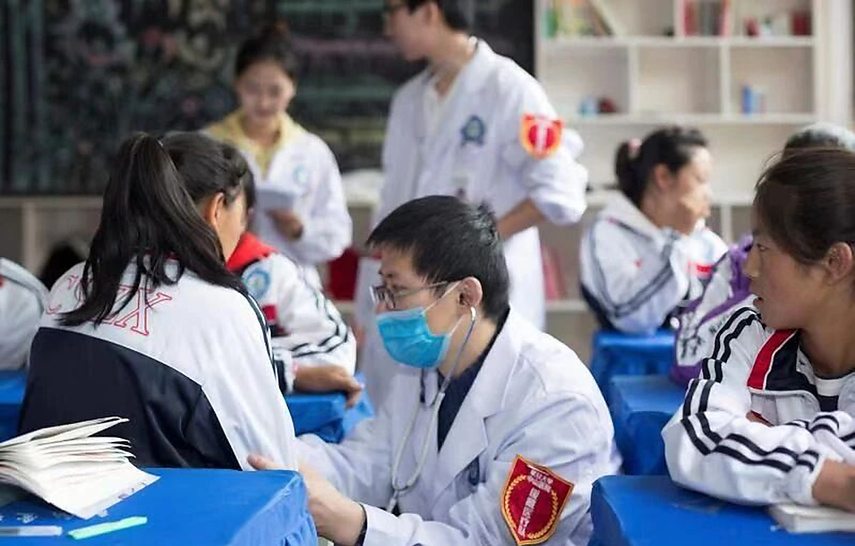
Dr. Jiang Jingjing | Endocrinology, and the Detective Work of Medicine
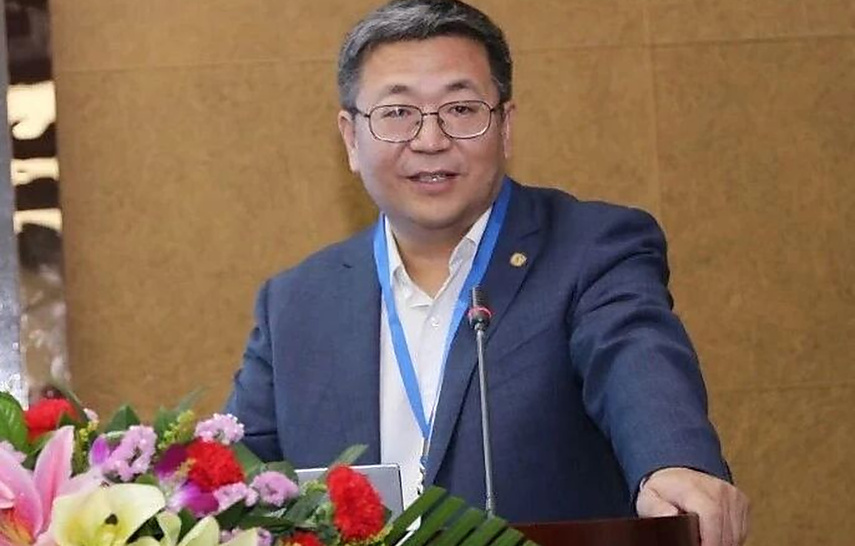
Dr. Zhang Guolong | Disease Prevention and Control, and Quiet Strength
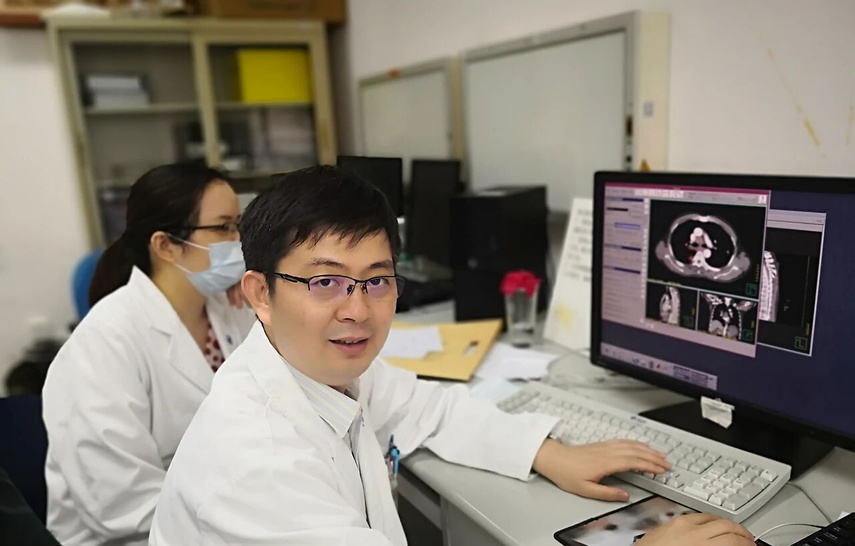
Dr. Zhu Zhengfei | Radiation Oncology, and Perhaps We Need to Learn from Tumor Cells
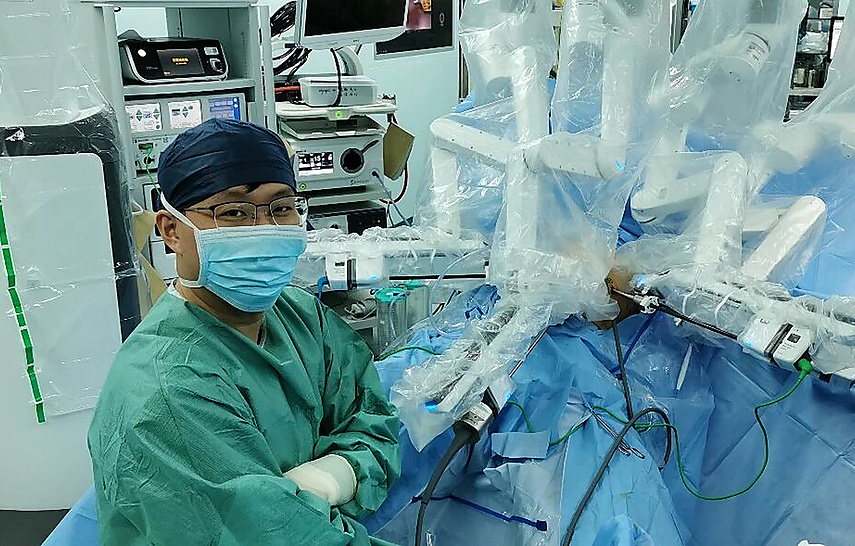
Dr. Zhao Yiming | Liver Surgery, and No Overnight Success, Only Perseverance
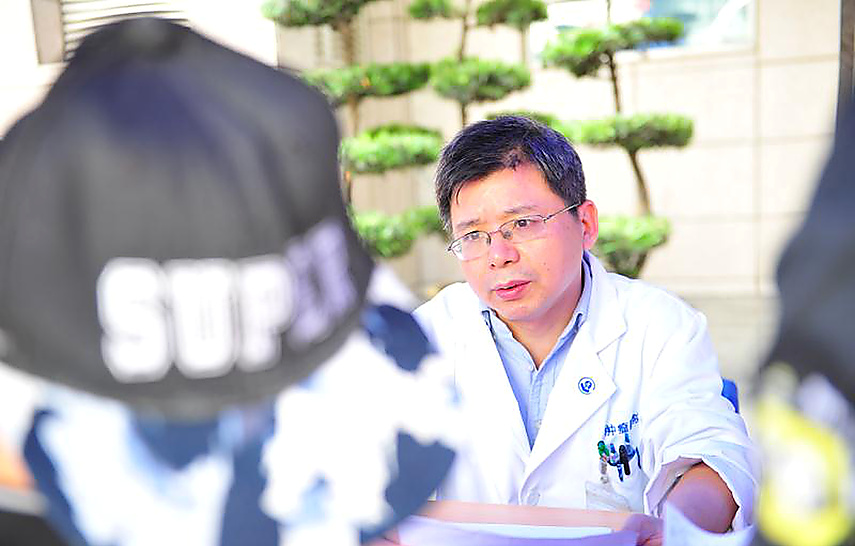
Dr. Zhao Kuaile | Radiation Oncology, and the Great Way Is Simple
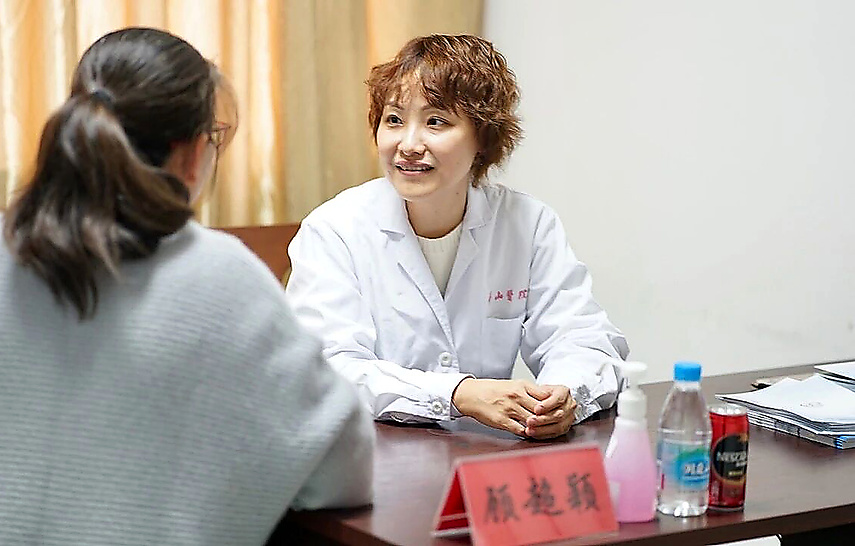
Dr. Gu Chaoying | Dermatology, and Holding On Because There Is No Other Choice
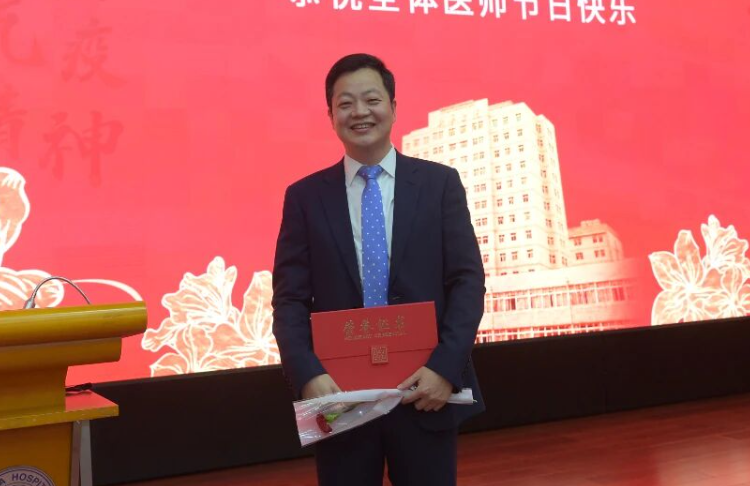
Dr. Wang Qunshan | Cardiac Electrophysiology, and Meeting the Rising Wind
Copyright © 2023 Yewen Renyi & ShanghaiDoctor.cn (This website is a non - profit medical humanities platform. The information contained herein is solely for biographical and historical purposes and does not constitute any medical advice.) 沪ICP备2023005392号-2 XML 沪公网安备31010902100835号
 中文
 English
 Español
 沪公网安备31010902100835号
