ShanghaiDoctor - Where China's Healing Wisdom Shapes Modern Medicine

Update time:2026-11-14Visits:104
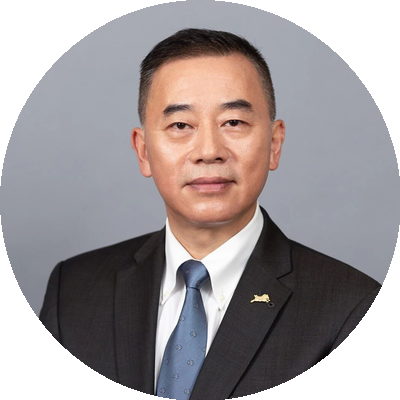
“If you have a chance to change the course of human history, why would you not take it?”
— Shen Baiyong
Shen Baiyong is a Chief Physician, Doctoral Supervisor, and Vice President of Ruijin Hospital, Shanghai Jiao Tong University School of Medicine. He is Deputy Director of the Shanghai Institute of Digestive Surgery, Director of the Pancreatic Disease Institute of Shanghai Jiao Tong University School of Medicine, and Executive Dean of both the Sino-French Joint Medical School and the Institute of Translational Medicine at the same university. Born into a family with roots in Wujin, Jiangsu, he graduated in 1991 from the French-language class of what is now Shanghai Jiao Tong University School of Medicine. His clinical work centers on hepatobiliary and pancreatic surgery, especially the surgical treatment of pancreatic tumors, and he was among the earliest specialists in China to apply minimally invasive techniques to these operations.
He has served as president of the Clinical Robotic Surgery Association (CRSA) and holds multiple national and Shanghai roles in surgical education, residency training, robotic and minimally invasive surgery, and pancreatic disease. His awards include first prizes from the Ministry of Education, the Huaxia Medical Science and Technology Award, and Shanghai’s medical and science-and-technology prizes, among others. He is executive deputy editor of Surgery Theory and Practice and sits on the boards of more than ten journals, including World Journal of Surgery.
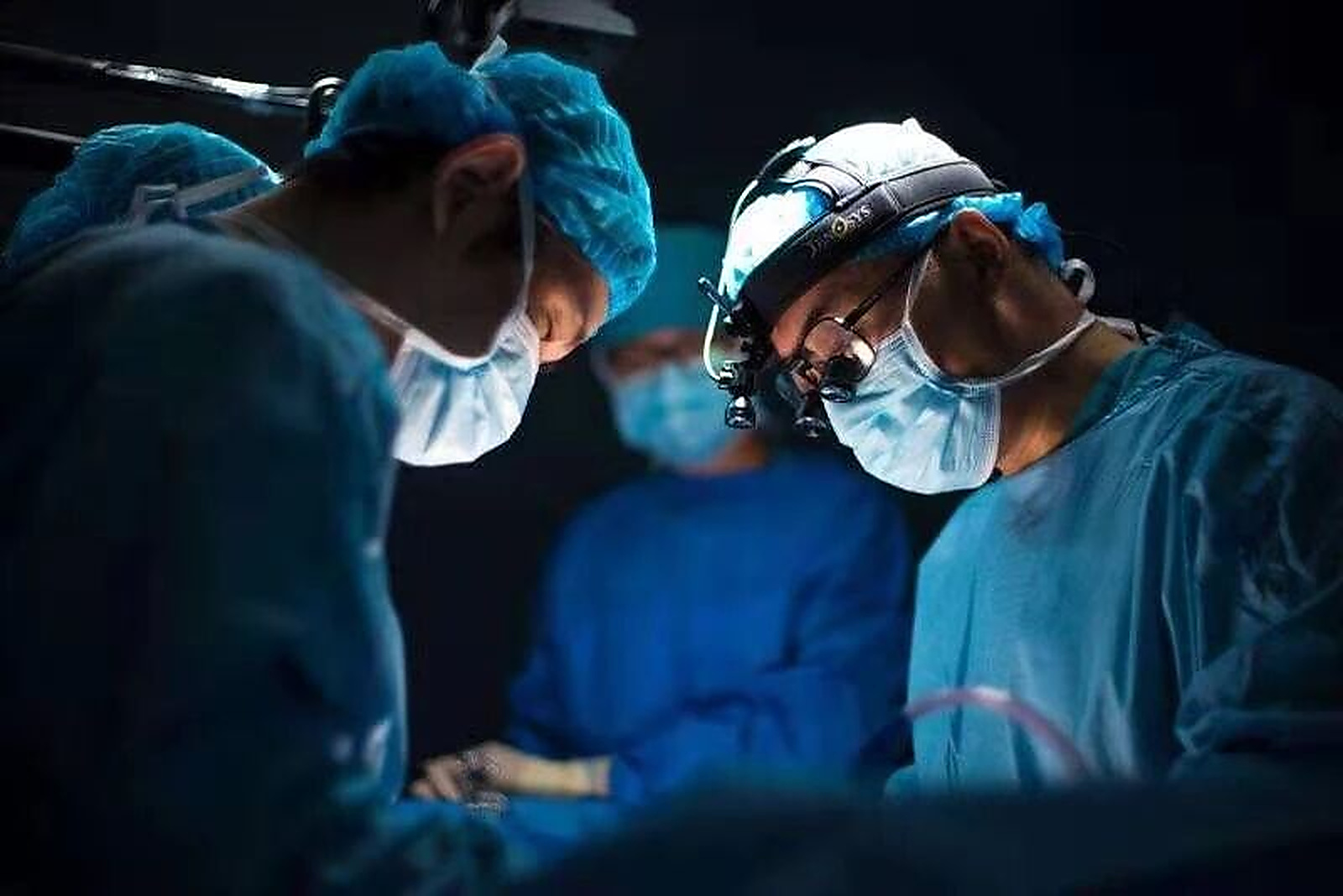
Our conversation took place in Shanghai in June. His voice was soft and even, yet every sentence seemed to leave a small echo. His grandparents’ generation built early industrial businesses in Shanghai; his parents’ generation taught. From both lines he took a mix of decisive speed and patient care. As a surgeon he adds a third trait: a stubborn will to swim upstream.
That will shows in the disease he chose. Pancreatic cancer is often called the “king of cancers.” Median survival has long been under six months, and the five-year overall survival rate under six percent. In about twenty years the incidence in China rose fourfold; among people over sixty in Shanghai it reached fifty per 100,000. The surgery is among the hardest in abdominal work. Still he asks, “If you have a chance to change the course of human history, why would you not take it?”
People say his knife moves like water over stone, clean and sure, leaving little blood. He credits three teachers: Professor Li Hongwei’s fast, precise “flying knife” in his early years; later work in France with Belghiti, one of the world’s leading liver surgeons, which opened his eyes to large-scale operations and to holding research and the clinic together; and Professor Peng Chenghong’s fine Zhejiang-school dissection, which reshaped how he sees anatomy. Years of practice turned those lessons into a method of his own.
Under his lead, Ruijin’s pancreatic center grew into one of China’s largest and most influential programs. In recent years the team has performed more than a thousand pancreatic operations a year and has followed more than six thousand patients with pancreatic cancer. Overall five-year survival reached 16.2 percent, and 27.5 percent after curative resection — figures that place the team among the strongest internationally.
Does high-stakes work make him anxious? He laughs. From his first days as a resident he has felt a small joy in the work each day. “My feeling is my largest field of energy,” he says. “I can rely on that feeling to do anything. I do not need honors to hold me up.”
Away from the white coat he reads history and travel writing, then goes to see the places for himself — along the Grand Canal, or on an old green train across the Loess Plateau. Only after standing in those wide landscapes, he suggests, can a doctor return to the ward and meet life and death with a quieter mind. When the rush eases he hopes for a real journey that is not only a dream: to count the mountains and watch things grow.
Shen Baiyong was born in a hard season for travel and for families. His story begins with gratitude. His mother had severe rheumatic heart disease. In 1963, at Renji Hospital, Dr. Wang Yishan and Dr. Zhu Hongsheng operated on her. Without that operation, Shen says, he would not have been born in 1966. For the surgeons it was one case among many. For his family it was a miracle, and it planted the wish to practice medicine.
In 1993, his second year after medical school, his mother’s valve stuck again. She returned to Renji and found Zhu Hongsheng, once the junior assistant and by then a noted cardiac surgeon. Zhu was glad to see that the boy whose mother he had helped had become a surgeon himself. “This,” Zhu said, “is a surgeon’s happiness: to save the same patient twice, and also to send a new surgeon into the world.”
In 2016 a twenty-six-year-old woman five months pregnant was found to have advanced pancreatic cancer. The family first thought only of saving the mother. After careful thought Shen judged that both could be protected: keep the pregnancy safe long enough for a live birth. With Ruijin and the children’s hospital working together, the baby was born three months early and well. The struggle was filmed for the documentary Human World. Fifty years after his own birth as a “miracle child,” he helped another family keep a new life.
His reputation rests in part on how he cuts. He favors atraumatic forceps and an electrosurgical knife that rides the anatomical planes. The tip itself often does not touch tissue; the spark does. Where the spark passes, planes open and major vessels stay whole, so bleeding stays low.
“There is always a plane between tissues in the abdomen,” he says. “The cavity is small and crowded, so the planes are narrow. If you understand the anatomy deeply enough, you can find them and separate them cleanly, with very little blood.” The head of the pancreas can seem fused to the transverse colon; with enough training the gap can be opened without injury.
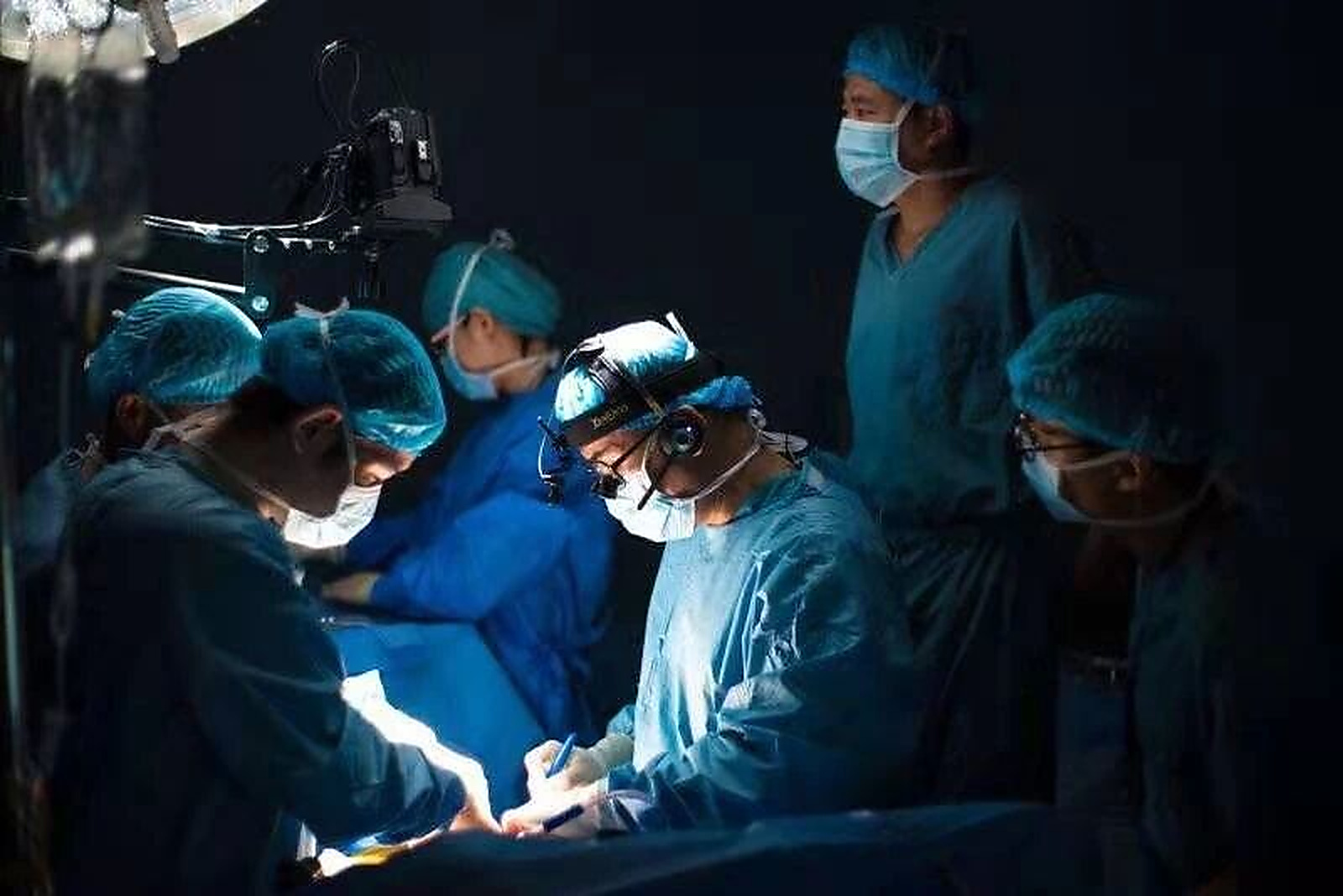
Three things make that possible. First, volume and reflection: doing fifty pancreatic cancer operations is not the same as doing five hundred, and the “stroke of insight” comes only if you keep thinking as you work. Second, a stable, shared sequence: in a pancreatic head resection the steps barely change, so the team can work in silence and still move as one. Third, composure among large vessels. The portal system can move a liter of blood a minute; a tear left open for ten minutes can kill. “Even if blood hits the ceiling,” he says, “you must stay as calm as a walk in a courtyard.”
He has worn a white coat for three decades and still feels each day like the first. “I look forward to every day,” he says. “Whether it is administration or surgery, I am at the hospital by seven-thirty without fail.”
The pancreatic center he leads now has two wards and 126 beds, admits more than four thousand inpatients a year, and performs more than a thousand complex pancreatic operations. Its model joins multidisciplinary diagnosis, individualized treatment, and continuous care, with clinic, research, teaching and public education in one place.
Between cases he takes the team into Shanghai’s communities. Early diagnosis of pancreatic cancer is the lowest among major cancers, around twenty percent. He hopes education can raise that figure in Shanghai toward forty percent — a change he calls fundamental. The “Healthy Pancreas Road” series has run fifty-six street-level talks, and the first set of the popular book series Pancreas Road with Doctors has sold 4,500 copies and gone through two printings.
He refuses to see himself as only a “knife craftsman.” “Last year I did two or three hundred pancreatic operations,” he says. “Even with twenty more years I might save six thousand people. If I can work out the rules of how the disease starts, grows and responds to treatment, the benefit reaches patients I will never meet.”
That view rests on concrete work: a comprehensive technical system for pancreatic cancer; the “Shen anastomosis” for pancreaticojejunostomy, which cut complications and helped the team reach zero operative deaths; extended five-group lymph-node clearance for early disease; combined vessel resection and reconstruction for mid-stage tumors; and multi-organ resection for advanced disease that achieved an 8.33 percent three-year survival. A Whipple that once took eight hours in his student days now takes about two and a half, often with no drain left in the abdomen. His ten-step method for robotic pancreatic surgery was published in JAMA Surgery.
The future, he says, is comprehensive care: surgeons, medical oncologists and others working as one team around the disease, not as separate offices. For young doctors he likes three lines from Wang Bo’s Preface to the Pavilion of Prince Teng: keep a light heart even in hard places; aim far even when the sea looks distant; and remember that if the morning was missed, the evening is not too late.
ShanghaiDoctor.cn: Your grandfather was an industrialist in the Republican era. What do you remember of him?
Shen Baiyong: “To me he is a rather blurred figure. I never met him. Shen Rongchun worked in metals. Before 1949 only two firms in China could make hollow copper tubing, one in Harbin and one in Shanghai, and the Shanghai one was his. He left for Hong Kong in 1949; the factory later became a joint public-private plant and lives on today as Shanghai No. 1 Copper Rod Factory on Haifang Road.”
ShanghaiDoctor.cn: Did you already love medicine when you were a student?
Shen Baiyong: “I take real pleasure in the work. As a resident, even changing a patient’s medicine or placing a central line made me happy. If you enjoy the craft, you will do it well.”
ShanghaiDoctor.cn: You just came off the table. Can you say something about today’s case?
Shen Baiyong: “This morning’s case was one to be proud of: a stage-three pancreatic cancer patient from Changzhou. Before surgery everyone thought the tumor invaded vessels and had already obstructed the duodenum. The usual plan would have been a bypass, two months of chemotherapy, then a second operation. Intraoperatively I felt we could finish it in one sitting. We separated tumor from vessel, cleared the disease, and skeletonized the vessels until each one stood clear. I enjoy the challenge of that kind of fine anatomy.”
ShanghaiDoctor.cn: What counts as a near-perfect operation for you?
Shen Baiyong: “The goal is to remove the tumor cleanly — the bulk and what hides in the planes. If the tumor belongs to an organ, free the natural borders and take the organ with the tumor as one piece. That is what I call very complete.”
ShanghaiDoctor.cn: How much blood do you usually prepare?
Shen Baiyong: “I rarely transfuse. A typical pancreatic case is set up with four to six units. My transfusion rate is among the lowest in pancreatic surgery, under one in ten. Yesterday’s patient used not even one unit of 200 milliliters. Minimally invasive work is not only a special approach; it is also the idea of walking the right plane without injuring tissue.”
ShanghaiDoctor.cn: Is there something you still especially want to do?
Shen Baiyong: “Two breakthroughs. First, molecular typing of pancreatic cancer — not only gene mutations, but the immune microenvironment and the body’s stability. That is where I am putting heavy effort. Second, better drugs inside comprehensive care, including cellular immunotherapy. I expect real progress in the next few years.”
ShanghaiDoctor.cn: What do you like to do in free time?
Shen Baiyong: “We have six or seven thousand books at home. I especially like historical travel writing. I read a place, then go find it — Foguang Temple and Nanchan Temple in Shanxi after reading about them, the same halls Lin Huiyin and Liang Sicheng once visited. Standing alone before an old hall, you feel the wood, the weight of time, and the meeting of past and present minds.”
A mother’s healed heart, a teacher’s flying knife, a French season with Belghiti kept to one quiet line in a long career, and thousands of pancreatic cases later: Shen Baiyong still arrives at half past seven, still looks for the plane between tissues, and still asks why one would not take a hard chance when history might turn. For readers seeking specialists and pathways in Shanghai, directories such as Find Chinese Doctors and DialysisChina can help map care before a visit.
Editor: Chen Qing
If you need any help from Dr. Shen, be free to let us know at Chenqing@ShanghaiDoctor.cn.
Adapted from the Yewen Renyi (晔问仁医) interview “沈柏用 | 乘风破浪的外科医生.”
Dr. Shen Baiyong | Pancreatic Surgery, and Riding the Wind Through the Hardest Cases
Dr. Fan Li | Chest Imaging, and the Scout Who Reads the Lungs
Dr. Zhong Yunshi | Endoscopic Surgery, and a Small Sharp Knife for Hard Cases
Dr. Jiang Jingjing | Endocrinology, and the Detective Work of Medicine
Dr. Zhang Guolong | Disease Prevention and Control, and Quiet Strength
Dr. Zhu Zhengfei | Radiation Oncology, and Perhaps We Need to Learn from Tumor Cells
Dr. Zhao Yiming | Liver Surgery, and No Overnight Success, Only Perseverance
Dr. Zhao Kuaile | Radiation Oncology, and the Great Way Is Simple
Dr. Gu Chaoying | Dermatology, and Holding On Because There Is No Other Choice
Dr. Wang Qunshan | Cardiac Electrophysiology, and Meeting the Rising Wind
Dr. Shen Baiyong | Pancreatic Surgery, and Riding the Wind Through the Hardest Cases
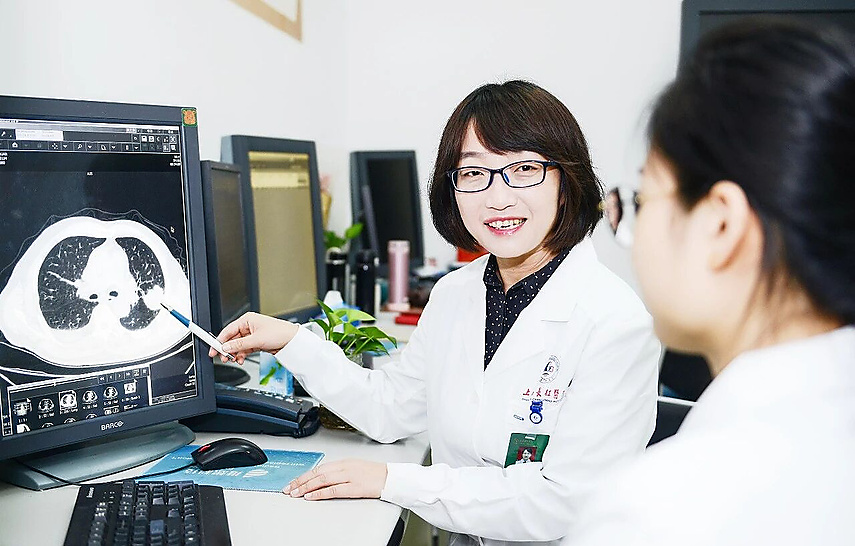
Dr. Fan Li | Chest Imaging, and the Scout Who Reads the Lungs
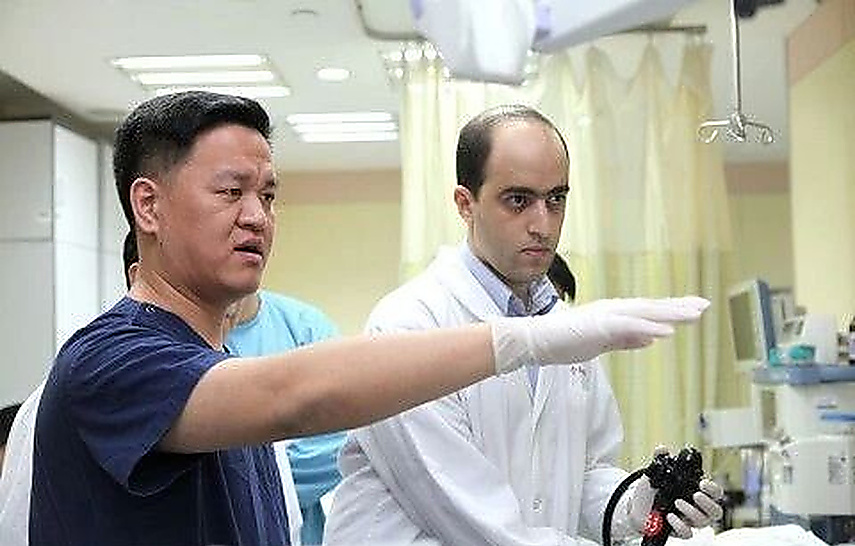
Dr. Zhong Yunshi | Endoscopic Surgery, and a Small Sharp Knife for Hard Cases
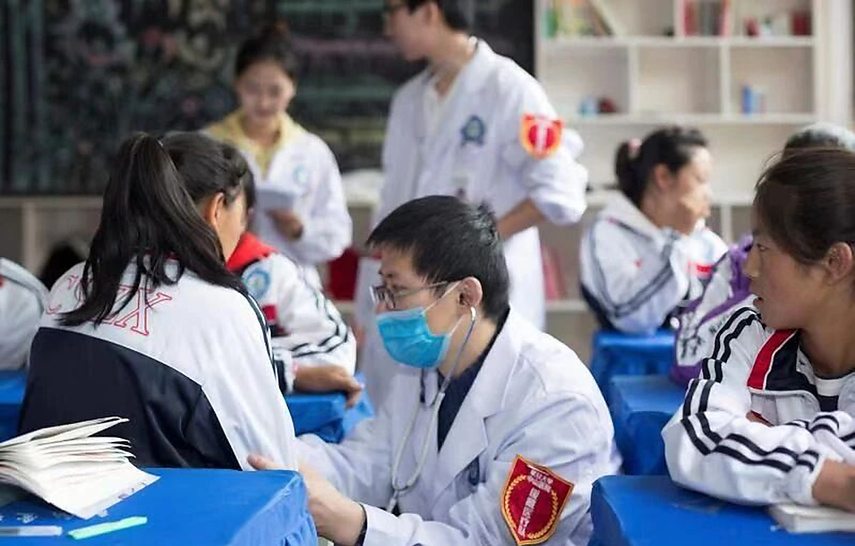
Dr. Jiang Jingjing | Endocrinology, and the Detective Work of Medicine
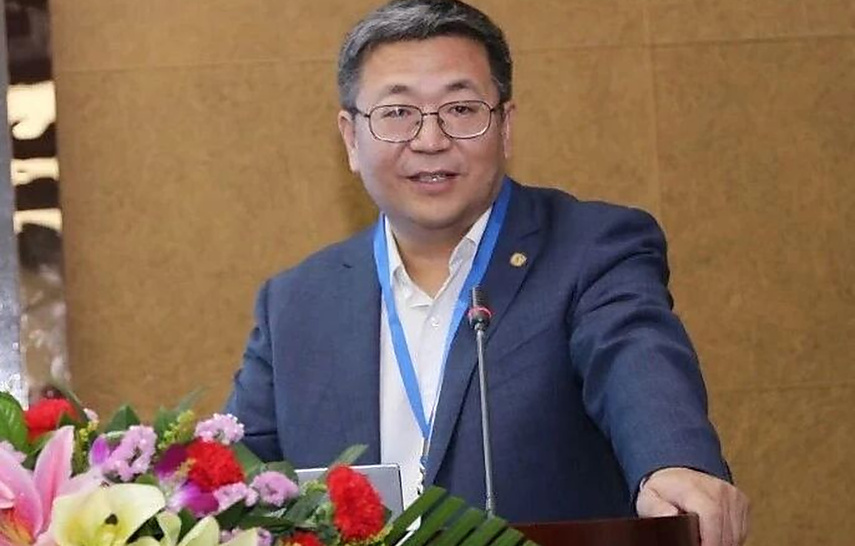
Dr. Zhang Guolong | Disease Prevention and Control, and Quiet Strength
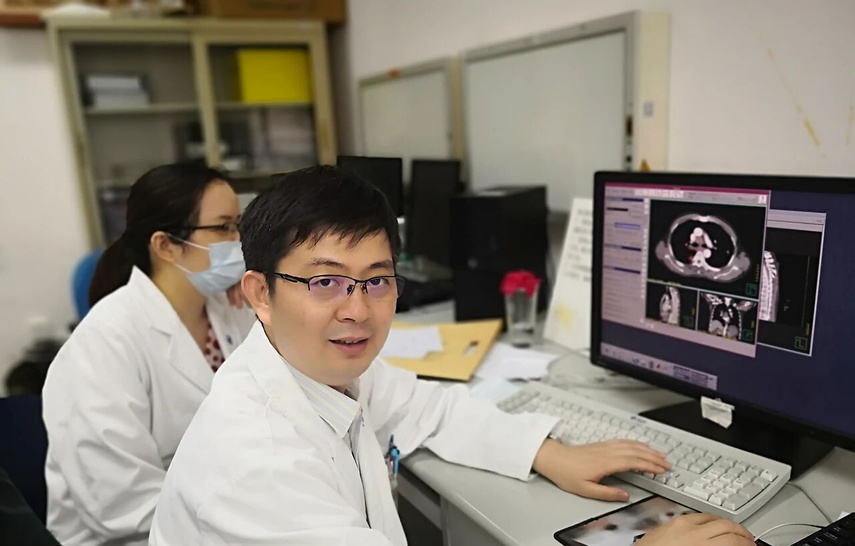
Dr. Zhu Zhengfei | Radiation Oncology, and Perhaps We Need to Learn from Tumor Cells
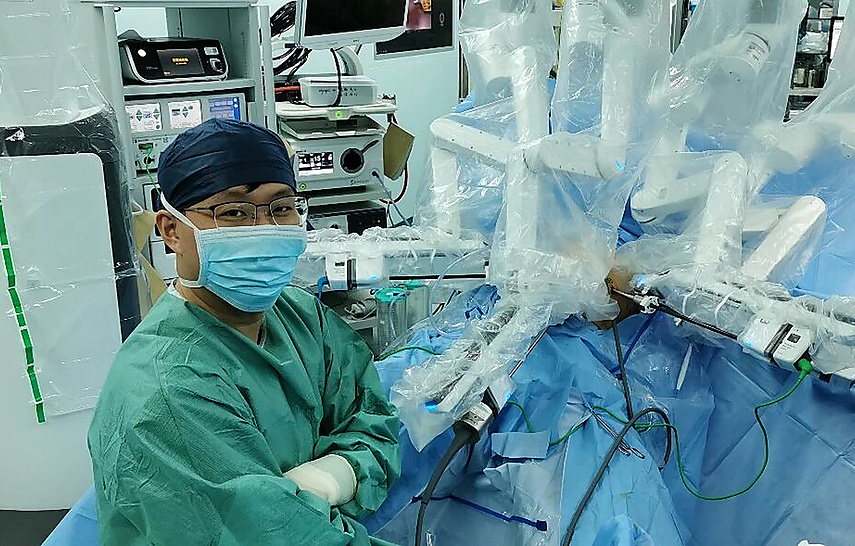
Dr. Zhao Yiming | Liver Surgery, and No Overnight Success, Only Perseverance
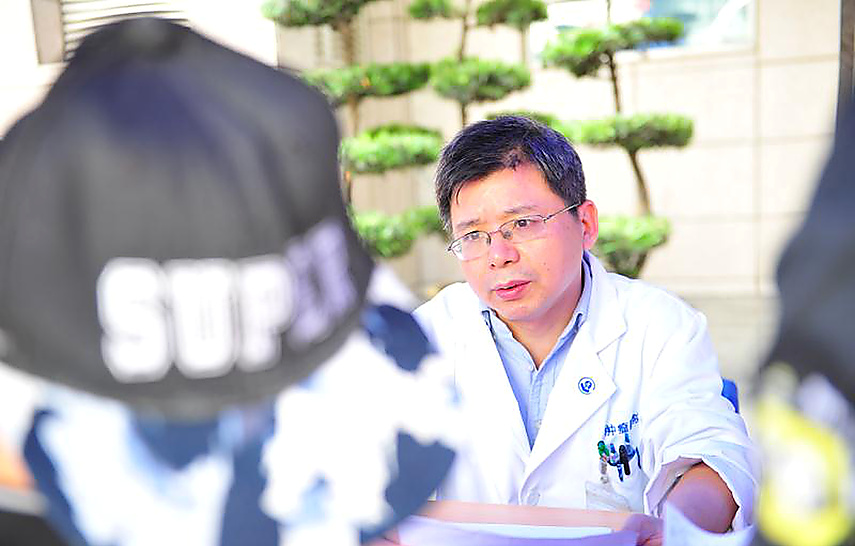
Dr. Zhao Kuaile | Radiation Oncology, and the Great Way Is Simple
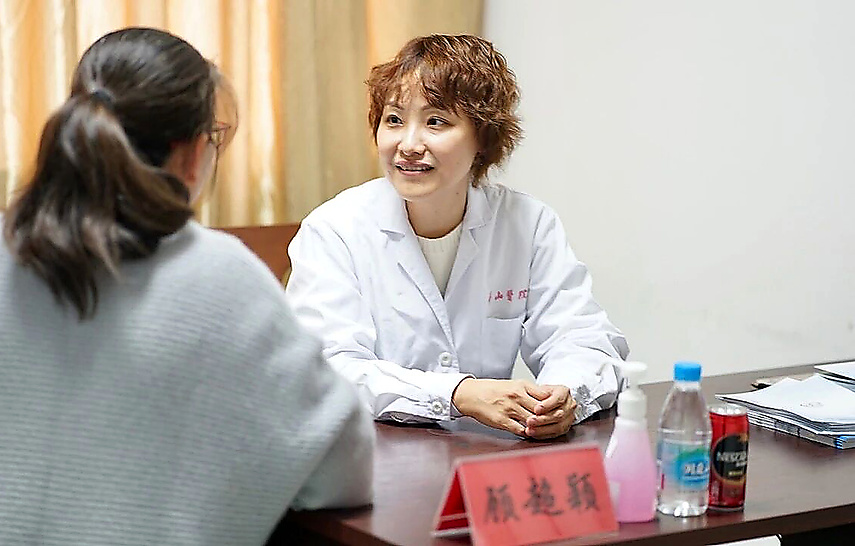
Dr. Gu Chaoying | Dermatology, and Holding On Because There Is No Other Choice
Dr. Wang Qunshan | Cardiac Electrophysiology, and Meeting the Rising Wind
Copyright © 2023 Yewen Renyi & ShanghaiDoctor.cn (This website is a non - profit medical humanities platform. The information contained herein is solely for biographical and historical purposes and does not constitute any medical advice.) 沪ICP备2023005392号-2 XML 沪公网安备31010902100835号
 中文
 English
 Español
 沪公网安备31010902100835号
