ShanghaiDoctor - Where China's Healing Wisdom Shapes Modern Medicine

Update time:2026-11-09Visits:197
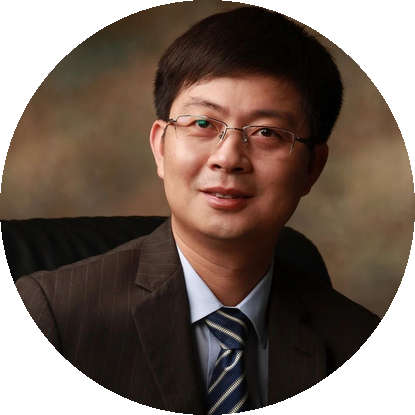
“Every cancer cell is a twisted, evolving opponent that is stronger and better adapted than we are. The more you know, the more you see how hard the road ahead still is — and still you have to keep going.”
— Zhu Zhengfei
Zhu Zhengfei is a Chief Physician in the Department of Radiation Oncology at Fudan University Shanghai Cancer Center, holds a doctorate in oncology, and serves as Director of the hospital’s Clinical Research Center. He specializes in radiotherapy and comprehensive treatment for common thoracic tumors, including lung cancer, esophageal cancer, and mediastinal tumors. He is vice chair of the radiation oncology committee of the China Medicine Education Association and a standing member of the Youth Committee of the Chinese Society of Clinical Oncology (CSCO). As first or corresponding author he has published more than fifty academic papers, including more than thirty indexed by SCI. He has been selected for Shanghai’s Pujiang Talent Program and the Shanghai “Medical Rising Star” Outstanding Young Medical Talent Program.
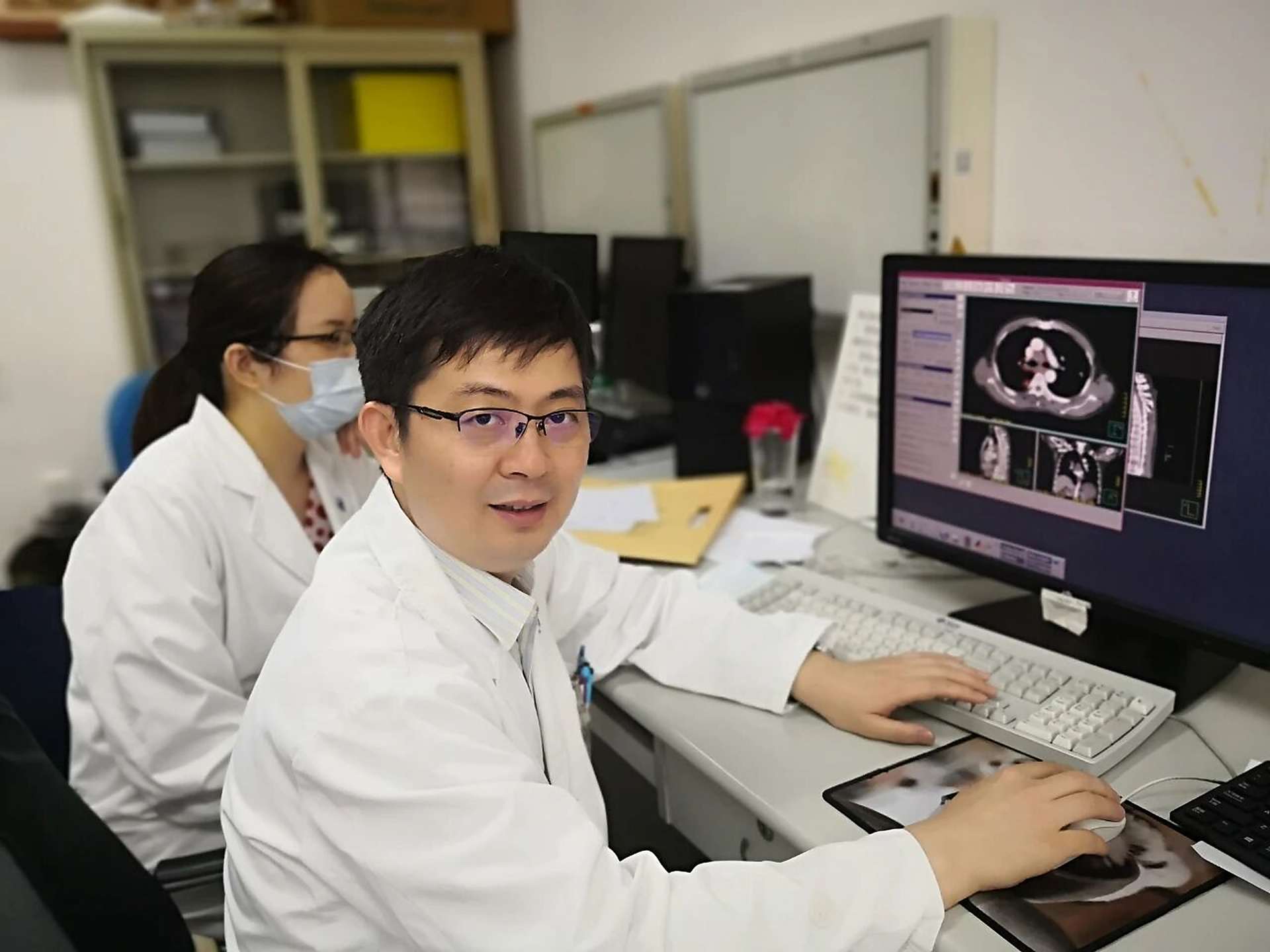
I have interviewed doctors for many years, and I often hear seasoned leaders say in private that cancer comes from genetic mutations, and that the mutated cells can sometimes keep dividing without end, without the usual signs of aging — a kind of immortality that, paradoxically, destroys our bodies and brings death.
It is a striking metaphor: immortality that brings death. It left me with a quiet sense that cancer may be the last gate on humanity’s road toward lasting life, and that what lies behind that gate may not be a paradise at all, but a cliff.
Our conversation ranged widely. His language had a quiet light in it, and through it all he stayed close to the patient, as if reminding me that behind every cancer stand people of flesh and blood, breathing the same air we do. When he told the stories of those who fight the disease, they seemed to take on a meaning beyond any one person: a long war between a species and an ancient, deadly illness. In that war the enemy carries mechanisms refined over millions of years of natural selection — the most core, most primitive, and most stubborn need and capacity to survive.
“Every cancer cell is a twisted, evolving opponent that is stronger and better adapted than we are,” he says. “Cancer treatment is no longer pure empiricism, no longer feeling our way across the river, but the more you know, the more you see how hard the road ahead still is. You know that with today’s tools there is truly nothing left to try — and still you have to keep going.”
He even suggested that we learn something of the spirit of cancer cells. I was stunned at first, then saw that he was right, and was left impressed. Cancer, he said, is a medical problem, a statistical problem, a social problem, a psychological problem, and a problem of the individual. Understand cancer, and you may understand humanity’s past, present, and perhaps its future. “On the road to that understanding,” he says, “many lives become wild chrysanthemums by the roadside, and many flowers are still waiting.”
He is frank that limited success is not success. “Many doctors will not say ‘cured,’ because of uncertainty, because of rigor, because of reverence, because they know what they do not know. Many of the treatment plans that push forward sit at the edge of what ethics allows.”
From his talk I took one phrase: seek truth and stay practical. In the years he has treated cancer he has thought carefully and practiced what he believes, and he has begun to see results. More than twenty years ago, when he left Nantong for Shanghai, he already carried that ambition.
I suddenly thought of a fellow townsman of his from Nantong, Zhang Jian, the late-Qing industrialist who more than a century ago founded mills and universities and treated Shanghai as a window for building and growing. His life showed that a person can act within an existing social structure and also help build a new one — thinking and acting both constrained by history and creating new history. In that, he is not so different from this doctor who has set himself against cancer with such care.
At parting I gave him a poem by Zhang Jian.
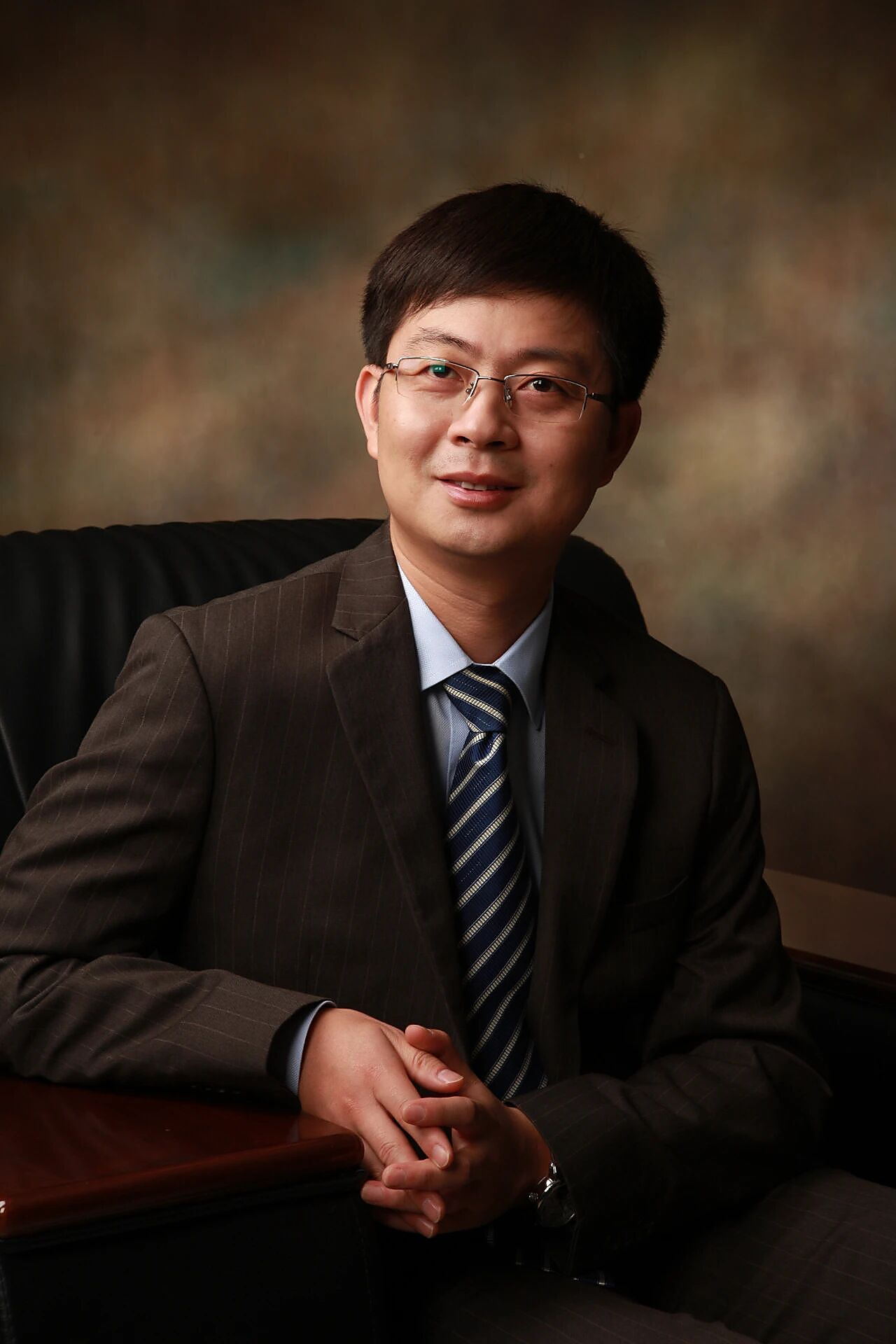
Zhu Zhengfei was born in 1976 in Nantong, Jiangsu Province.
His choice of medicine was shaped by his family. Before he was ten, his mother developed breast cancer and was treated at Nantong Cancer Hospital.
“My mother had an extended radical mastectomy,” he says. “The incision ran almost the full length of her chest wall, and then came a long course of chemotherapy.” Treatment options were fewer then, and relatively blunt. He still remembers her pain clearly. On his tenth birthday she was in a hospital bed and could not be with him. He missed her badly that day. The worry stayed with him through an unforgettable birthday, and that same evening he settled on his future: study medicine, and save lives.
When he sat the university entrance exam he listed medical schools as his first, second, and third choices, and entered Nanjing Medical University to study clinical medicine.
From high school to university, he says, was a change of identity and of how he saw things. For five years he was “simple”: he read, and then he read some more. After graduation, as if by arrangement, he walked into Nantong Cancer Hospital, where his mother had once been a patient. The familiar buildings and trees moved him. The wish he had made years before finally had a chance to become real.
After his rotations he chose radiation oncology. Radiotherapy is a highly specialized, highly integrated field: positioning rests on solid knowledge of anatomical landmarks; reading films needs a foundation in two- and three-dimensional imaging and a strong sense of space; it also needs radiation physics and radiobiology. As a junior doctor, in the evenings when he had time he would sit in the office with a skull, study the complex structures of the head, and piece them into a three-dimensional picture in his mind.
“That skull was borrowed from the specimen room,” he says. “It stayed with me for two or three years. I never knew whose it had been, or what kind of life that person had lived, but I am grateful. On lonely nights it kept me company while I studied by the lamp.”
After four years of rotations he had a first grasp of oncology and radiotherapy. He could see what he needed to dig into and what he needed to strengthen, and he knew that what he had was far from enough. Four years later he entered Fudan University Shanghai Cancer Center for graduate study under Professor Fu Xiaolong, an expert in thoracic radiotherapy. When the time came to move from master’s to doctoral work in 2005, Professor Fu had just been named a doctoral supervisor, and Zhu Zhengfei became his first doctoral student, focusing on lung cancer.
“My teacher’s temperament is very quiet,” he says. “He can sit still and think — about a patient’s treatment, about how the field should develop — without being pulled about by distractions and temptations. I admire that especially. He is also deeply responsible toward patients. As director of the radiotherapy department he is busy every day, yet he knows the condition of every patient on every bed. He never needs to flip through the chart. From bed one to bed twenty, he knows what each patient is facing and what to watch for.”
Professor Fu’s standing in radiotherapy across the country is well known, and the way he puts himself in the patient’s place left a deep mark on Zhu Zhengfei.
“My mentor is twelve years older than I am, and he is still learning new methods,” Zhu Zhengfei says. “He has a warm pursuit of the work and a clear view of his own. Early on he thought about how to bring the newest treatment models into practice, and he followed through with remarkable force. He is never stubborn. He is willing to discuss problems with his graduate students, and when a suggestion is sound he takes it readily. That is rare and precious.”
Many of his teacher’s traits later became Zhu Zhengfei’s own habits: know the patient and care about the patient; put the patient’s interest first; keep learning and keep improving. He still remembers his teacher’s words: a radiotherapy department needs more than radiation oncologists — it should also bring in talent from engineering, biology, and other fields.
“Radiotherapy is highly specialized,” Zhu Zhengfei says. “It needs cooperation across disciplines, advanced medical oncology, and biophysical support, and it needs more precise diagnosis and treatment. Those fields show their value at every level of radiotherapy.” That places demands on the radiation oncologist: first, a deep understanding of new techniques and methods; second, the ability to speak from a physician’s standpoint, grasp ideas from other fields, find the shared spark, and locate the overlap — and that overlap is often where development and innovation live. That is the direction Zhu Zhengfei is working toward.
Studying under Professor Fu, he says, was also when a sense of achievement in the profession first took root — a time of taking flight.
For him, that sense of achievement has several parts. First it comes from within: a score he gives himself when he feels more complete than before — a sense of self-recognition. Second it comes from others: recognition from his mentor, and from senior figures, peers, and societies in radiotherapy. Third, and perhaps most important, are good outcomes. “I hope to give patients care that follows the guidelines and also carries some innovation,” he says. “In China it is especially important not to overtreat, so that patients can live a long time and still have quality of life.”
After more than twenty years in medicine, Zhu Zhengfei talks about patients as if naming old friends, and many cases stay fresh in his mind.
One patient with esophageal cancer five years earlier had metastases in the scapula, the peritoneum, and lymph nodes. Zhu Zhengfei treated each site aggressively with local radiotherapy. To this day, even though chemotherapy stopped five years ago, the patient has had no recurrence or further spread. It is a case he often uses when teaching visiting doctors.
Before treating a tumor, he says, you should judge the prognosis: curable, potentially curable, or incurable? Where curative means can reach a cure, those means should be brought forward; you must not settle for approaches that cannot cure. For curable early lung cancer, surgery is still recommended. Without a clinical trial enrollment, experimental methods should not be tried on a whim — that is not responsible to the patient. Only for advanced disease should the priority be protecting quality of life and the patient’s place in society for as long as possible, and extending life on that foundation. Grasping the biology of the tumor is essential; it decides which tools to choose.
On that point he mentions a woman with widespread metastases. After four cycles of pemetrexed plus platinum the tumor shrank markedly. By the traditional view she should have gone on pemetrexed maintenance, but she did not want to. Zhu Zhengfei discussed it with the medical oncologists: this was a slow-growing, indolent tumor that only progressed at an isolated site after more than two years. Given her wishes, local treatment might be enough.
“There was no need for a targeted drug,” he explains. “Targeted drugs are inhibitors, not killers, and most targeted treatments end in recurrence and resistance. An indolent tumor in a relatively balanced state does not need an aggressive plan.” He compares such a tumor to a lion that can eat people, and the treatments at hand to a chopstick. Can a chopstick kill a lion? Of course not. But if the tumor is quiet, like a sleeping lion, forcing treatment is like poking the lion’s eye with the chopstick — you may wake it and make it attack. His choice is to watch the lion closely, and if there are signs it is waking, tap an “acupuncture point” with the chopstick and keep the tumor as dormant as possible. That, he says, is the art of reading tumor biology.
He sees the relationship between people and tumors this way: unlike viruses and bacteria that come from outside, a tumor arises from the body itself, from normal cells that have turned malignant. It is humanity’s own “child” — a bad one — and so treating it is far harder than treating an outside pathogen. Because it grows from within, it can also reach a balance with the body, but that balance needs outside help: killing tumor cells and adjusting the immune system. Social and psychological factors — mood, temperament, values — can also change immunity and affect the tumor.
After years of dealing with cancer as a radiation oncologist, he says tumors are complex and cunning. What is needed is not a single local treatment, but comprehensive care based on a full view.
“To put it lightly, humanity needs something of the spirit of tumor cells,” he says. “First, they can criticize and correct themselves — that is why they become resistant to drugs: they remake themselves, reflect, and survive in a crack. Second, they use resources: nearby pathways, new vessels, nutrients. Third, they cooperate, for example through crosstalk between tumor cells. Fourth, they change with the times.” After so many years of fighting tumors, he believes those traits apply in anthropology and sociology as well.
Science and the specialties keep advancing, and more patients now have a chance at long survival. A doctor, he says, is like a soldier; the enemy is the tumor; to hold it or kill it you need many weapons. The key question is whether the weapon in your hand fits the patient.
“A cannon is powerful — but can you use it on a mosquito?” he says. “A pistol is fine — but can you use it against an army? Knowing the biology of the tumor matters enormously when you choose the weapon.”
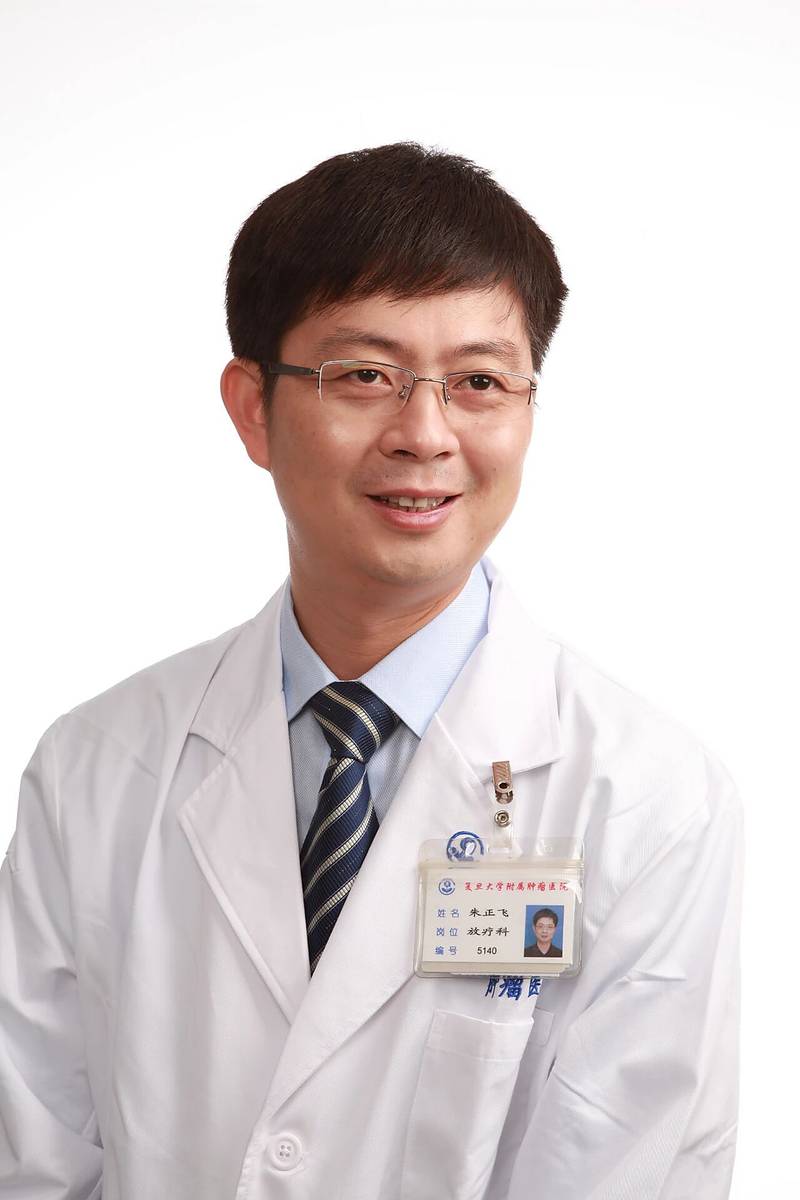
ShanghaiDoctor.cn: Why did you choose radiotherapy rather than another specialty?
Zhu Zhengfei: “Most young men like surgery, but my eyesight is not good, so I had to pass it by. Radiotherapy is highly specialized. That specialty rests not only on the basics of medicine — anatomy, for example, which is the foundation of radiotherapy planning — but also on the frontiers of biology, physics, and other fields. That is a big reason I like it.”
ShanghaiDoctor.cn: Do you feel anxious in daily life? Why?
Zhu Zhengfei: “On the whole I do not. When I take something on, I always think through the worst outcome. If I cannot accept that worst case, I usually will not do it. If I can accept it, I try. Most of the time, when I do feel anxious, it is because there is simply too much to finish (laughs).”
ShanghaiDoctor.cn: How would you describe the way you work?
Zhu Zhengfei: “My greatest shortcoming may be that I pursue perfection too hard, and that my life is too orderly (laughs). For example, I have a habit of taking notes as I go: what I need to do, and by when, all written out in detail. Work is like that, and so is life. My wife often says I am rigid and have no zest for living, but I think the key is to find a final goal that fits your own values and then work toward it. That does not count as having no zest (laughs).”
ShanghaiDoctor.cn: Have you passed that habit on to your students?
Zhu Zhengfei: “Yes. I am very willing to share with the “children” in our department the study methods and experience of several decades. A good memory is not as good as a worn pen. As a graduate student I had a CT anatomy book of seven or eight hundred pages; every page had small slips of paper, and on every slice I marked which tissues and organs were there. When I read papers in other languages I made a point of noting the key points in Chinese in a notebook, so that when I wrote or looked something up it worked like a search engine. Language is the same: when I saw native, scholarly expressions in the literature I copied them out, and those habits have quietly taken root among my students.”
I also keep a large group chat with my students. Every week we share new papers and studies; whatever useful thing we learn goes into the group, and good papers are discussed at the monthly meeting.
ShanghaiDoctor.cn: How do you see the development of your own career?
Zhu Zhengfei: “Part the clouds and see the sun; look at the view from above the clouds. Life is walking without borders. Since coming back to lead my own team I have done the work I like, borne the loneliness, worked through the obstacles, and had the support of leadership. The current project team has only been together for a couple of years, but it already holds five National Natural Science Foundation projects, produces about ten SCI papers a year, and every member has grown. That makes me glad. Earlier this year the hospital president asked me to take on an administrative role as director of the Clinical Research Center. Administrative work is another challenge for me, and also a way to fill in a part of experience I had not had. If I can get real things done, I am glad to.”
ShanghaiDoctor.cn: Do you still have free time?
Zhu Zhengfei: “Free time is scarce. I have many interests. In university I played on the basketball and table tennis teams; after I started working, those loves drifted away. Sometimes I look lively from the outside, but perhaps under my teacher’s influence I am quiet inside. My quietest times are when I am writing a paper or marking a student’s thesis.”
ShanghaiDoctor.cn: If you had your life to live again, would you take the same path?
Zhu Zhengfei: “People who achieve something often fall into two kinds. The first are lucky and gifted: they are born suited to something, and the career they choose lets them do exactly that, so they go far. The second refine their craft through diligence and grit; whatever they do, they find a way to do it well. I may be the second kind (laughs). If I had not chosen medicine, I believe I would have made something of myself in another field. I tell my son that your dad was a late bloomer — the real drive in my career came when I was a graduate student — but so far I am satisfied with myself.”
Zhu Zhengfei left Nantong for Shanghai with a clear aim, sat with a borrowed skull through lonely nights, and learned from a mentor who knew every bed without opening a chart. He still refuses to call limited success a cure, still weighs each weapon against the biology of the tumor, and still says that humanity might learn from the spirit of the cells it fights. Seek truth, stay practical, and keep walking.
Editor: Chen Qing
If you need any help from Dr. Zhu, be free to let us know at Chenqing@ShanghaiDoctor.cn.
Adapted from the Yewen Renyi (晔问仁医) interview “朱正飞 | 也许,人类正需要向肿瘤细胞学习.”
Dr. Jiang Jingjing | Endocrinology, and the Detective Work of Medicine
Dr. Zhang Guolong | Disease Prevention and Control, and Quiet Strength
Dr. Zhu Zhengfei | Radiation Oncology, and Perhaps We Need to Learn from Tumor Cells
Dr. Zhao Yiming | Liver Surgery, and No Overnight Success, Only Perseverance
Dr. Zhao Kuaile | Radiation Oncology, and the Great Way Is Simple
Dr. Gu Chaoying | Dermatology, and Holding On Because There Is No Other Choice
Dr. Wang Qunshan | Cardiac Electrophysiology, and Meeting the Rising Wind
Dr. Ren Yunyun | Obstetric Ultrasound, and the Work No One Sees
Dr. Qian Yiming | Emergency Medicine, and Neither Joy nor Fear on the Great Tide
Dr. Wang Xudong | Craniomaxillofacial Surgery, and Years Written into Chapters
Dr. Jiang Jingjing | Endocrinology, and the Detective Work of Medicine
Dr. Zhang Guolong | Disease Prevention and Control, and Quiet Strength
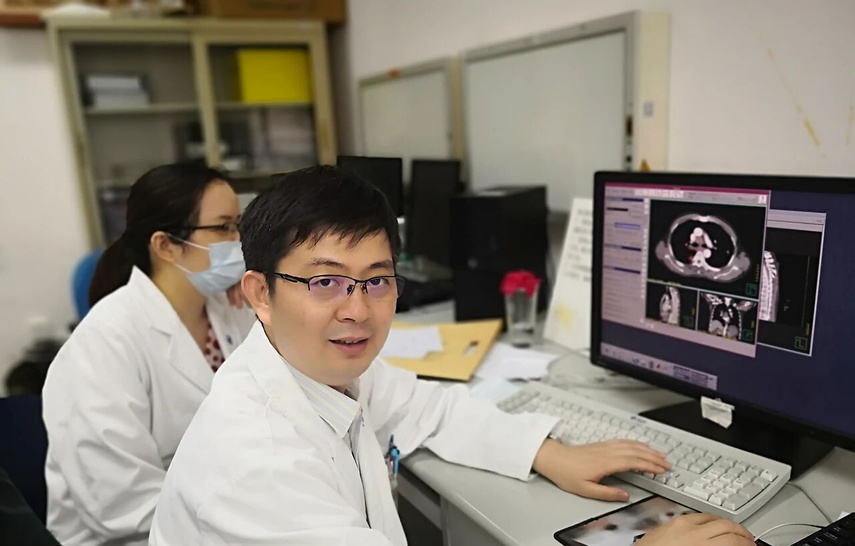
Dr. Zhu Zhengfei | Radiation Oncology, and Perhaps We Need to Learn from Tumor Cells
Dr. Zhao Yiming | Liver Surgery, and No Overnight Success, Only Perseverance
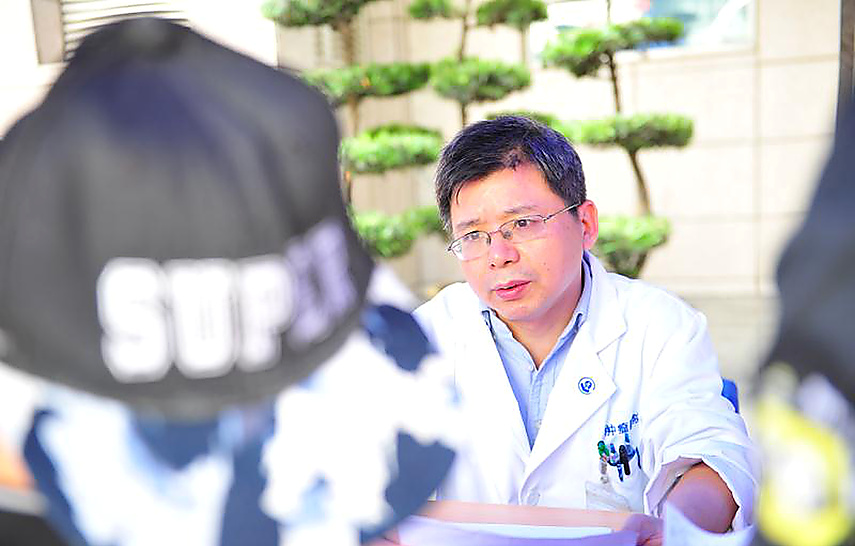
Dr. Zhao Kuaile | Radiation Oncology, and the Great Way Is Simple
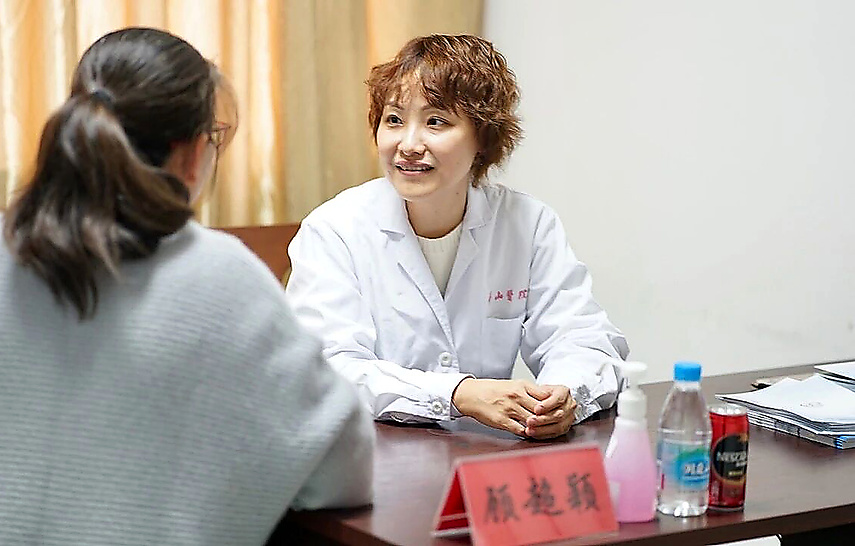
Dr. Gu Chaoying | Dermatology, and Holding On Because There Is No Other Choice
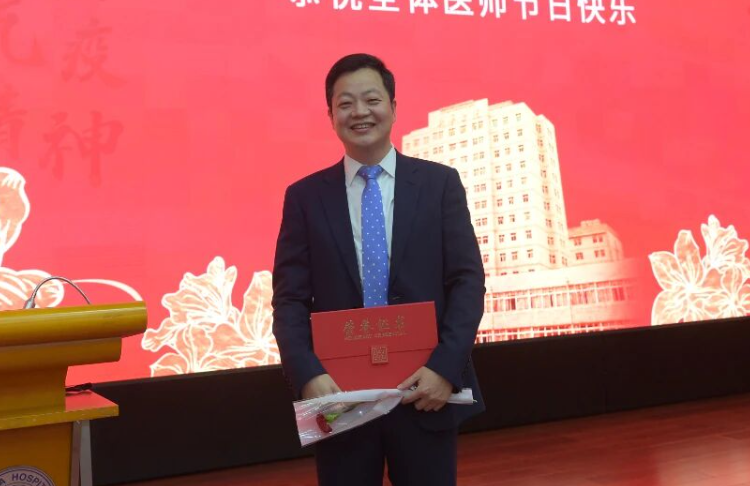
Dr. Wang Qunshan | Cardiac Electrophysiology, and Meeting the Rising Wind
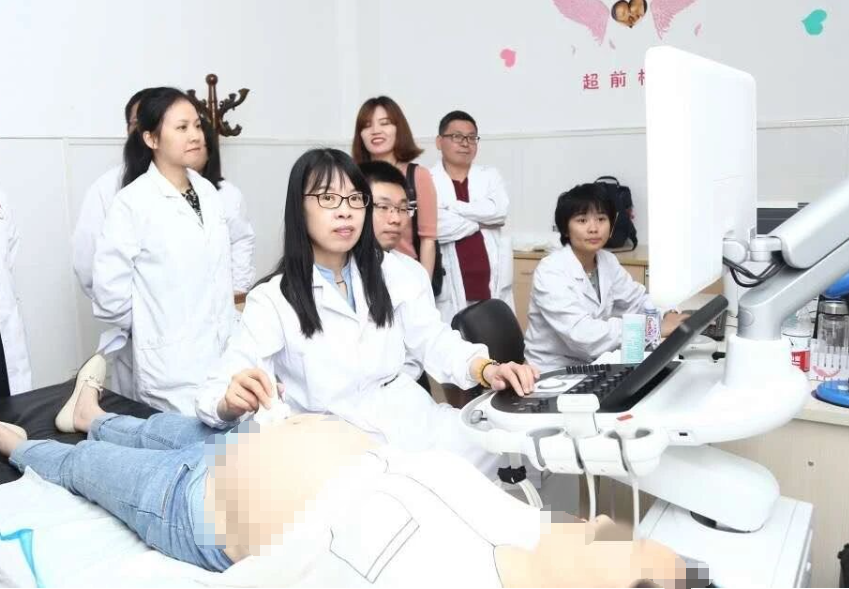
Dr. Ren Yunyun | Obstetric Ultrasound, and the Work No One Sees
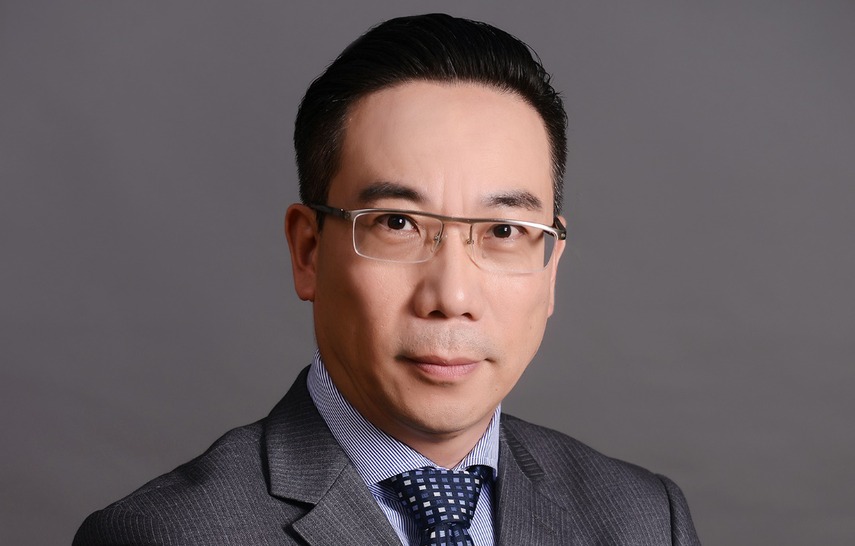
Dr. Qian Yiming | Emergency Medicine, and Neither Joy nor Fear on the Great Tide
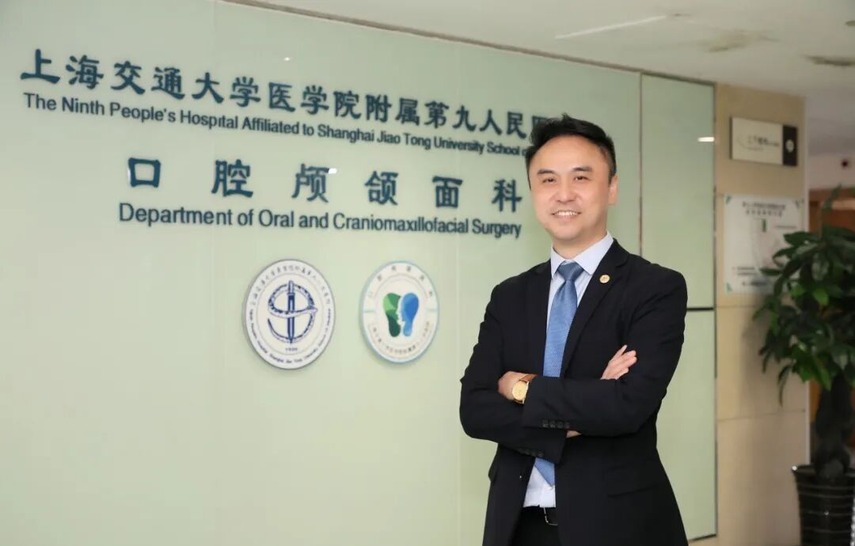
Dr. Wang Xudong | Craniomaxillofacial Surgery, and Years Written into Chapters
Copyright © 2023 Yewen Renyi & ShanghaiDoctor.cn (This website is a non - profit medical humanities platform. The information contained herein is solely for biographical and historical purposes and does not constitute any medical advice.) 沪ICP备2023005392号-2 XML 沪公网安备31010902100835号
 中文
 English
 Español
 沪公网安备31010902100835号
