ShanghaiDoctor - Where China's Healing Wisdom Shapes Modern Medicine

Update time:2026-11-21Visits:45
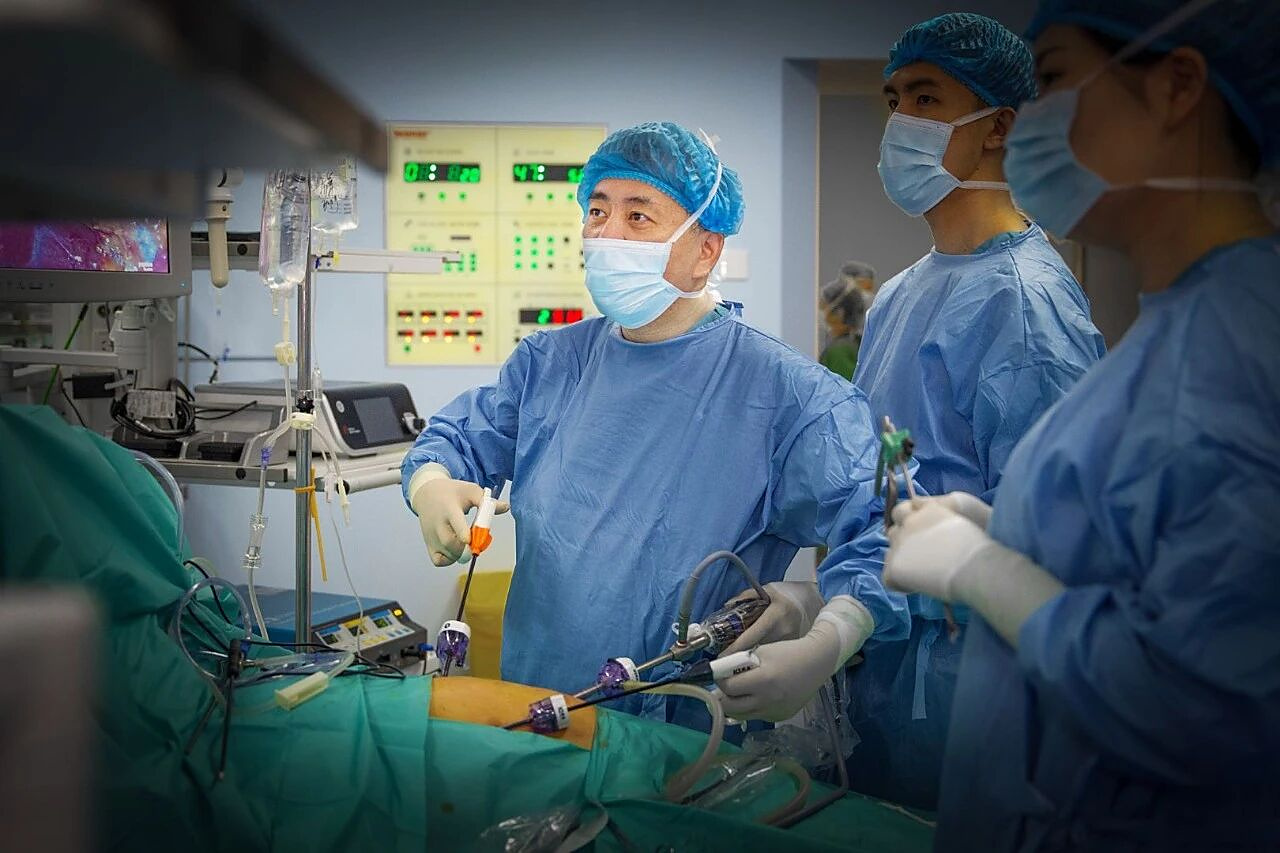
“Ideals still matter. A surgeon needs fine technique, but good technique must carry responsibility, and high intelligence must carry a sense of purpose: not fame or money for their own sake, but work that can change what medicine can do for people. Long live life. May every persistence honor its ideal.”
— Zheng Minhua
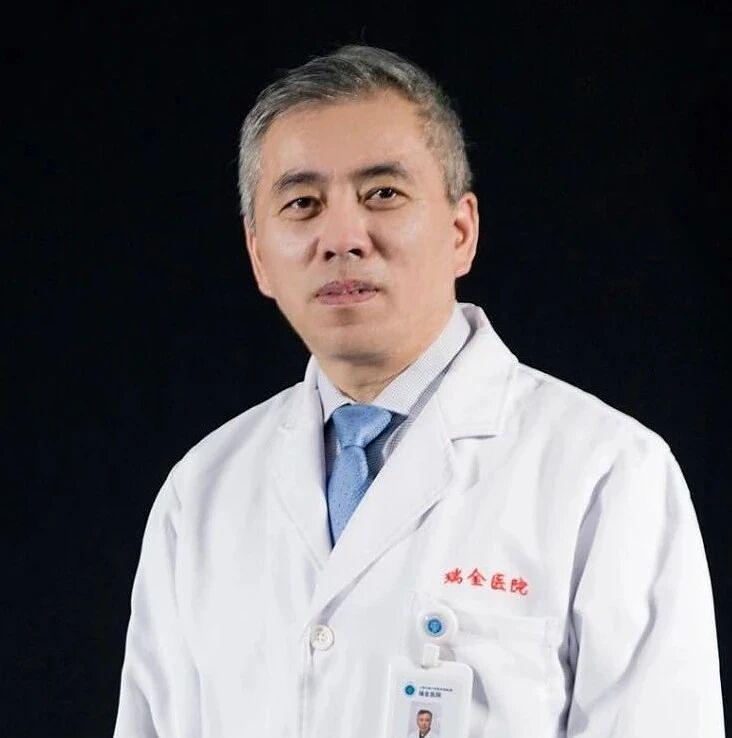
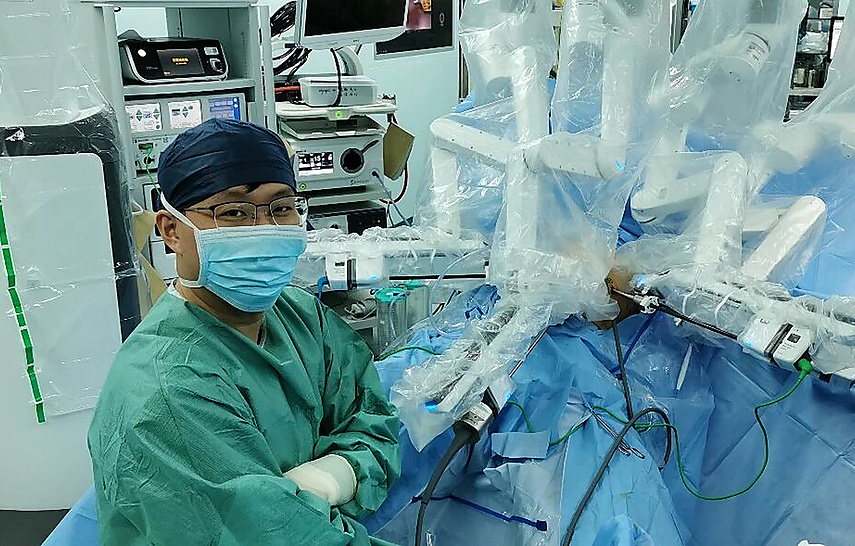
Zheng Minhua is a Chief Physician and Professor, Director of General Surgery and of Gastrointestinal Surgery at Ruijin Hospital, Shanghai Jiao Tong University School of Medicine, and Director of the Shanghai Minimally Invasive Surgery Clinical Medical Center. He graduated in 1986 from the French-language medical class of what was then Shanghai Second Medical College, and in January 1992 joined Ruijin’s Department of General Surgery after a period of surgical training abroad, where he was later promoted ahead of schedule to Associate Chief and then Chief Physician. He has served as former president of the Asia Endosurgery Task Force, as a standing committee member of the Chinese Medical Association Surgery Branch and as chair of its laparoscopy and endoscopy group, and as a standing committee member of the China Anti-Cancer Association Colorectal Cancer Committee and chair of its laparoscopic surgery group. He has led Shanghai “Rising Star” and “Hundred Talents” projects; the minimally invasive surgery program he built was named among Shanghai’s first clinical medical centers aiming at an advanced Asian standard. In late 1988 he was among the earliest surgeons performing laparoscopic cholecystectomy, and after returning to Shanghai he pioneered laparoscopic colorectal surgery, adrenalectomy, and hernia repair in China. His work has earned first prizes from the Ministry of Education and Shanghai for scientific and technological progress, a second prize of the Chinese Medical Association Award, recognition among Shanghai’s Top Ten Outstanding Young People, a silver Snake Award from the Shanghai health system, and a State Council special allowance.
He frames minimally invasive surgery as more than a small incision: cure and whole-person recovery come first, and open surgery remains right for selected patients. Under his leadership the center performs more than five thousand operations a year, including roughly sixteen hundred colorectal cancer and fourteen hundred gastric cancer cases, with diagnosis, surgery, and adjuvant care kept as a coordinated path so patients are not sent running among sites.
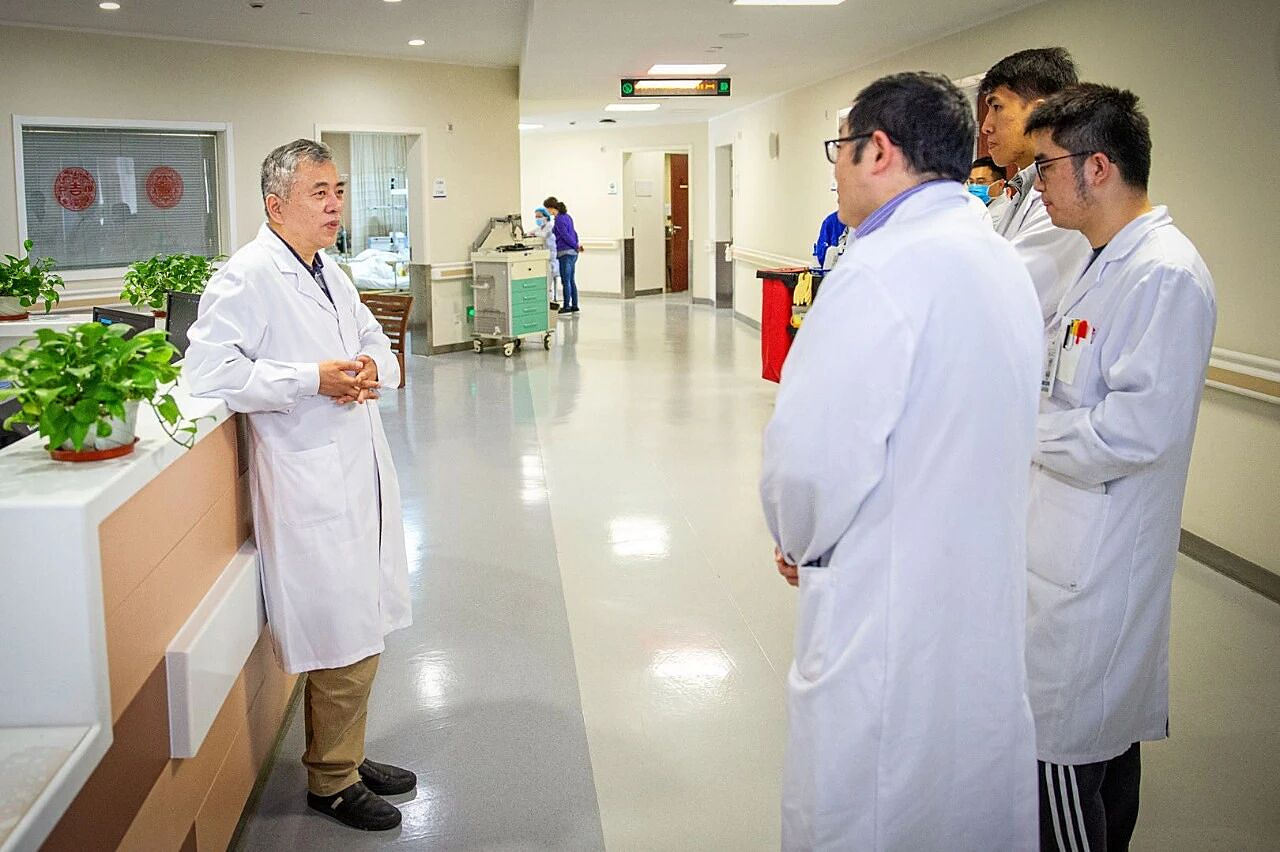
Zheng Minhua was born in Shanghai in 1963. “People of my age lived through famine years, the Cultural Revolution, reform and opening, planned economy, market economy,” he says. “Slowly, the years cook you into a book.” As a boy he loved making toys with his hands after homework. “I was born wanting to build things,” he laughs. “Was that a surgeon’s gift waiting to wake?”
After 1976 he entered Fudan Affiliated High School. Many classmates idolized Chen Jingrun, Ding Zhaozhong, and Qian Xuesen. Films such as Praise of the Silver Needle under the Shadowless Lamp and Chunmiao left Zheng with a sense that medicine held a fascinating mystery, and he decided to study it. In the early 1980s, an era of reform and ideals, he chose the six-year French clinical class at Shanghai Second Medical College and was admitted. “University students then felt like the favored few,” he recalls. “A school badge on the bus or in a shop drew admiring looks. Our teachers were mostly famous before the Cultural Revolution; for the first French class after reform, many professors had graduated before 1949, with excellent English and French, and foreign teachers were common. From classroom to dormitory, playground to library, everyone raced the clock. The older educators carried a quiet, classical manner.”
French class brought another layer of humanities. Foreign teachers borrowed arthouse films from the French consulate and guided students through classics such as The Count of Monte Cristo, Les Misérables, and The Red and the Black, teaching how a story is told. “We threw ourselves into those books,” Zheng says. “The teachers carved the word humanities into our bones.” He almost hated to leave the school at graduation; so did many classmates. He was assigned to Ruijin Hospital and later went abroad for further surgical training.
In 1986 Zheng went abroad for surgical training that lasted six years, working as a foreign surgical resident at a university hospital. Days ran from about six in the morning to nine at night. Patient rooms took the windows; for months he barely saw daylight. “Learning to stand a little higher when looking at a problem left a mark I still carry,” he says.
He began with appendectomies and cholecystectomies and learned quickly. After a first new procedure, juniors bought two bottles of champagne for the evening staff meeting—a tradition that kept seniors willing to teach. General surgery there was a wide gateway: fractures, head trauma, ectopic pregnancy bleeding. Within six months he took independent call. In his second year he met laparoscopic surgery, then new worldwide and still rare. Equipment sat unused; many colleagues treated it as ordinary endoscopy. After a few cases the chief found the two-handed technique awkward and the view unclear, then thought of the young Chinese doctor. “He said Chinese people handle chopsticks so well, maybe they would do better at this,” Zheng recalls. Suddenly the chance was his.
In 1988 Zheng became the first Chinese surgeon to perform laparoscopy. After several cases he saw small scars, better cosmetics, and solid recovery, and sensed a technology that could remake the field. A 1989 satellite meeting linking German, Swiss, Italian, French, and American pioneers confirmed the feeling: he stood at a hinge of surgical history. From 1988 to 1991 his laparoscopic volume grew. There was skepticism, and some failed cases. “If you clear the jump you are a pioneer,” he says with a smile. “If you do not, you become a martyr. Pioneer and martyr differ by one character.”
When he returned, laparoscopy in China was only beginning. Ruijin had bought a set of equipment; as a resident Zheng used it more than anyone. “I was young and lived in the hospital,” he says. “Besides emergency cases I helped other departments with laparoscopy—ectopic pregnancy, pneumothorax, lung bullae. We did China’s first laparoscopic hernia repair and first laparoscopic colorectal cases.” Complications and distrust brought pressure. He refused both quitting and reckless advance, choosing what he calls “active silence”: keep the conviction, work around the bottleneck until the moment ripens.
That periphery meant China’s west. As a face of the new technique he lectured and demonstrated from Jiayuguan and Wuwei to Lanzhou and Xinjiang, five or six trips a year. “Power cuts, imperfect sterilization, missing instruments, machines that died mid-case—I saw it all, and it forced problem-solving,” he says. “The west gave me time and space to refine skill, and a lasting bond.”
In 1999, when Shanghai Municipal Hospital joined the Ruijin group, Zheng asked for two wards and about thirty beds. He poured energy into hepatobiliary laparoscopy—cholecystectomy, common-bile-duct exploration, liver resection, cyst fenestration, abscess drainage, bilioenteric drainage—and stopped his main-campus clinic to push patients toward the new site until trust took hold. In 2001 the team won one of the first Shanghai clinical minimally invasive surgery medical center grants, about twenty million yuan. They renovated for balanced care, teaching, and research, with open workstations instead of private offices. In 2002 the Shanghai Minimally Invasive Surgery Clinical Medical Center plaque went up; Zheng and colleagues, with obstetrics and gynecology partners, worked that campus for fifteen years. In 2009 he was elected president of the Asia Endosurgery Task Force. In 2016 he returned to Ruijin’s main campus as Director of General Surgery, of Gastrointestinal Surgery, and of the center, keeping routine cholecystectomy, hernia, and thyroid work while pushing gastrointestinal cancer as the research frontier. “Gallbladder surgery is mature,” he says. “We were among the first in China for laparoscopic colorectal cancer and early for laparoscopic gastric cancer.”
He distinguishes “making surgery a little less invasive” from true minimally invasive surgery: the latter rebuilds the system around the new approach rather than merely moving old habits online. Trauma, he adds, includes psychological harm around treatment. “Technique serves curing disease,” he says. “Technique alone never makes a leader.” After two decades of advocacy, laparoscopy became a near-standard measure of a Chinese hospital’s surgical level—an outcome he counts as the real achievement: bringing the idea nationwide so more patients benefit.
ShanghaiDoctor.cn: What is the idea of minimally invasive surgery, in your view?
Zheng Minhua: “First, it is never only a small cut. Efficacy matters. Patients care about cure, survival, and whole-person health, so we do not treat laparoscopy as the only option. We use it whenever we can while protecting outcome. Second, we refuse dogma. Minimally invasive work is not always a tiny incision, and not every gastrointestinal cancer patient is a candidate—obstruction or very advanced disease may still need open surgery. Indications remain.”
ShanghaiDoctor.cn: What do you want for the center in the next few years?
Zheng Minhua: “Each year we plan beyond the hospital’s routine targets. I want medicine, teaching, and research to move together. Talent is a focus. Outward, I want more partnership with Chinese industry on new devices for laparoscopy. The hope is to keep the center first-tier in China and competitive worldwide.”
ShanghaiDoctor.cn: Where does the department stand now?
Zheng Minhua: “In volume and technique we are at a world-advanced level: more than five thousand cases a year, with colorectal and gastric cancer forming a large share, plus gallbladder, hernia, and endoscopy. The ideal is integrated care—diagnosis, surgery, and chemoradiation in one coordinated path—so patients stop bouncing among sites and resources are not wasted.”
ShanghaiDoctor.cn: What holds your attention most?
Zheng Minhua: “The future of minimally invasive surgery. Medicine has inertia that is hard to move, yet the world waits for breakthroughs that change lives. Robots and 3D are improvements, not revolutions. Innovation needs courage. People talk of front waves and back waves; I think the front wave is always pushed, and for a while being pushed is also a kind of happiness.”
ShanghaiDoctor.cn: After so many years as a doctor, is the idealism still there?
Zheng Minhua: “Ideals still matter; without them there is a kind of insecurity. A surgeon needs skill, but skill with responsibility, and intelligence with purpose—not chasing titles and money, but technique that can change what humans can do. I admire people who try to change the world. Long live life. May every persistence honor its ideal.”
ShanghaiDoctor.cn: How would you describe your state of mind now?
Zheng Minhua: “I feel secure. I think less about the immediate task than about what comes next, and I keep a habit of seeking change. After three decades of laparoscopy I keep reverence. The team has purpose and wants patients satisfied. We also watch policy and look for a middle path that meets regulation, patients, and doctors—hard, but a path exists.”
ShanghaiDoctor.cn: Is there a particular regret?
Zheng Minhua: “The biggest is that systems for training medical elites are incomplete. Judging people mainly by papers and prizes can weaken clinical strength and teaching and forget the original aim. Resident training has its own laws; if it keeps changing, the loss is large. A driving school that fails its students makes road killers; a medical school that fails its doctors can make patient killers. Doctors should be among society’s elites—people of belief and ideal who give for others. Elites who think only of themselves are ordinary.”
ShanghaiDoctor.cn: What makes a good doctor?
Zheng Minhua: “First, real clinical skill—without it you are only pretending. Second, teach the skill, write it down, and multiply the benefit. Third, at the master level, lift the field toward work that has conscience and purpose.”
From handmade toys after school, through a French class that engraved humanities into bone, to a chair that almost walked away from laparoscopy, Zheng Minhua kept choosing the hard new path and then the quiet work of spreading it across China. For readers mapping Shanghai specialists and care pathways before a visit, directories such as Find Chinese Doctors and DialysisChina can help.
Editor: Chen Qing
If you need any help from Dr. Zheng, be free to let us know at Chenqing@ShanghaiDoctor.cn.
Adapted from the Yewen Renyi (晔问仁医) interview “郑民华 | 生活万岁,愿所有坚持都不负理想.”
Dr. Zheng Minhua | Minimally Invasive Surgery, and Long Live Life
Dr. Shen Baiyong | Pancreatic Surgery, and Riding the Wind Through the Hardest Cases
Dr. Fan Li | Chest Imaging, and the Scout Who Reads the Lungs
Dr. Zhong Yunshi | Endoscopic Surgery, and a Small Sharp Knife for Hard Cases
Dr. Jiang Jingjing | Endocrinology, and the Detective Work of Medicine
Dr. Zhang Guolong | Disease Prevention and Control, and Quiet Strength
Dr. Zhu Zhengfei | Radiation Oncology, and Perhaps We Need to Learn from Tumor Cells
Dr. Zhao Yiming | Liver Surgery, and No Overnight Success, Only Perseverance
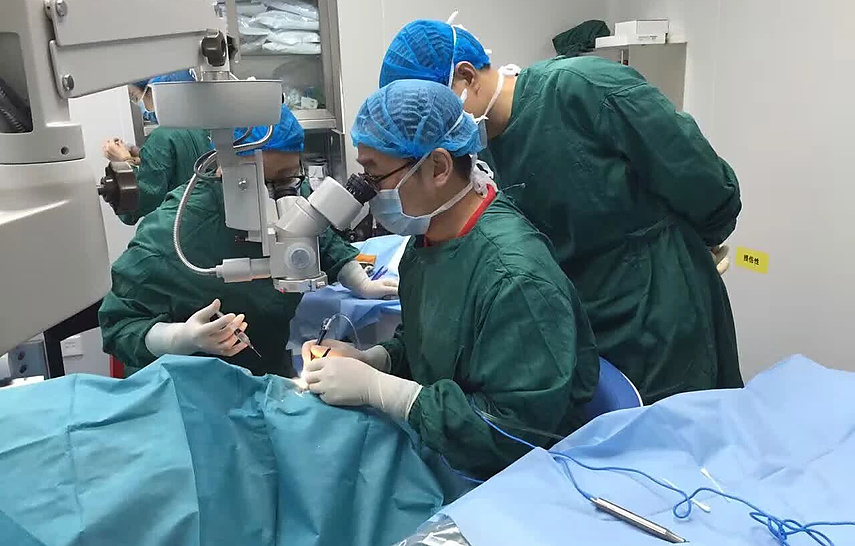
Dr. Chen Xu | Ophthalmology, and Sand in History’s River
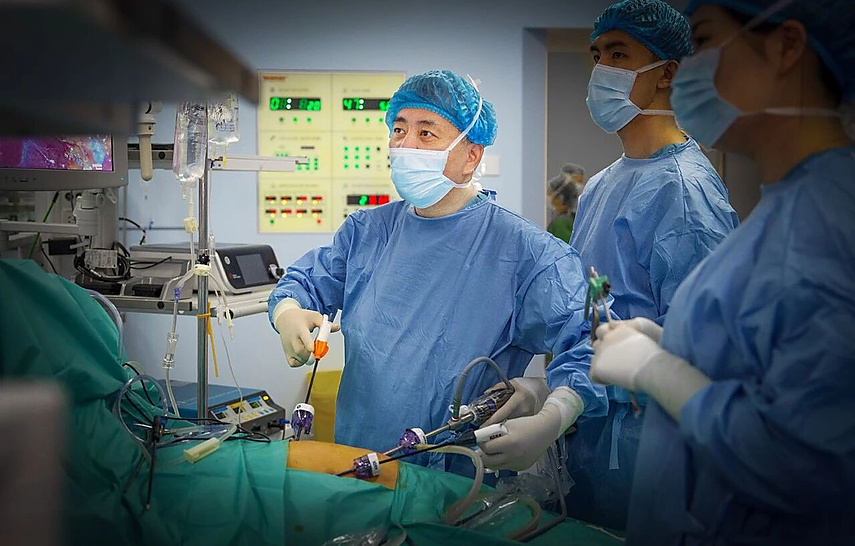
Dr. Zheng Minhua | Minimally Invasive Surgery, and Long Live Life
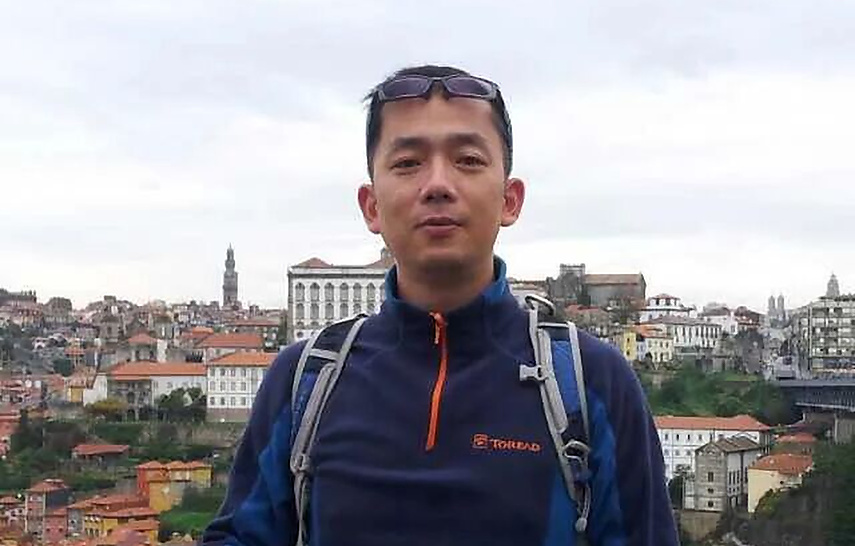
Dr. Hang Jingyu | Cardiology, and Love Written on the Heart
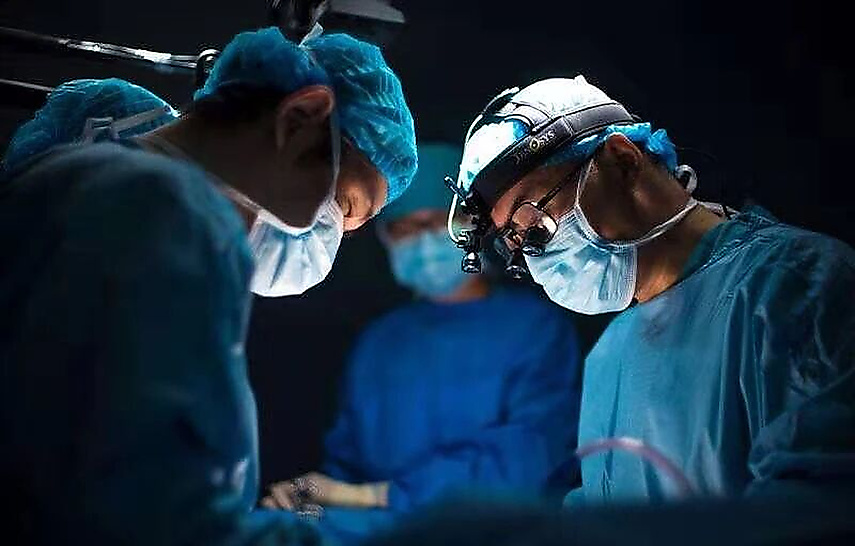
Dr. Shen Baiyong | Pancreatic Surgery, and Riding the Wind Through the Hardest Cases
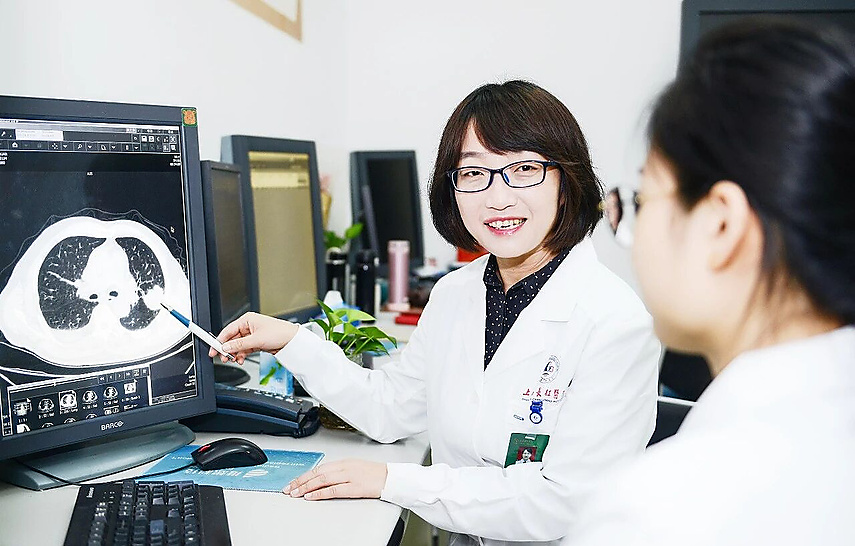
Dr. Fan Li | Chest Imaging, and the Scout Who Reads the Lungs
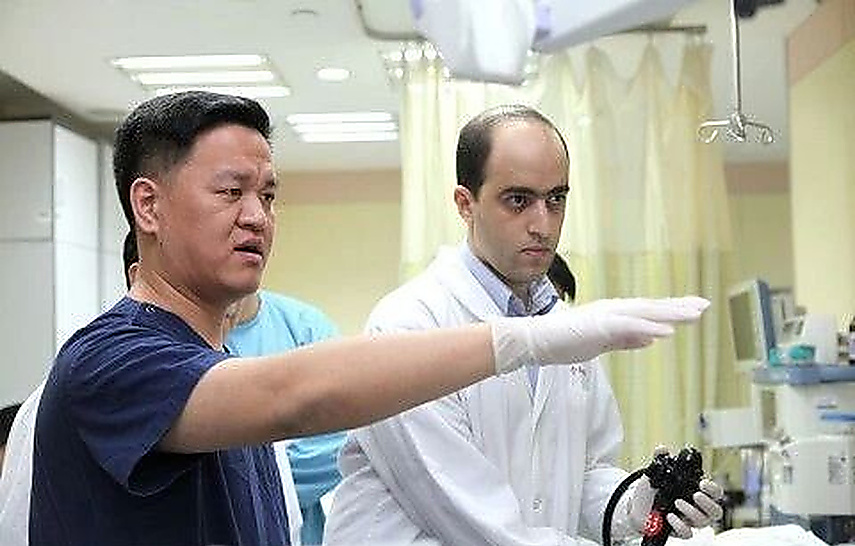
Dr. Zhong Yunshi | Endoscopic Surgery, and a Small Sharp Knife for Hard Cases
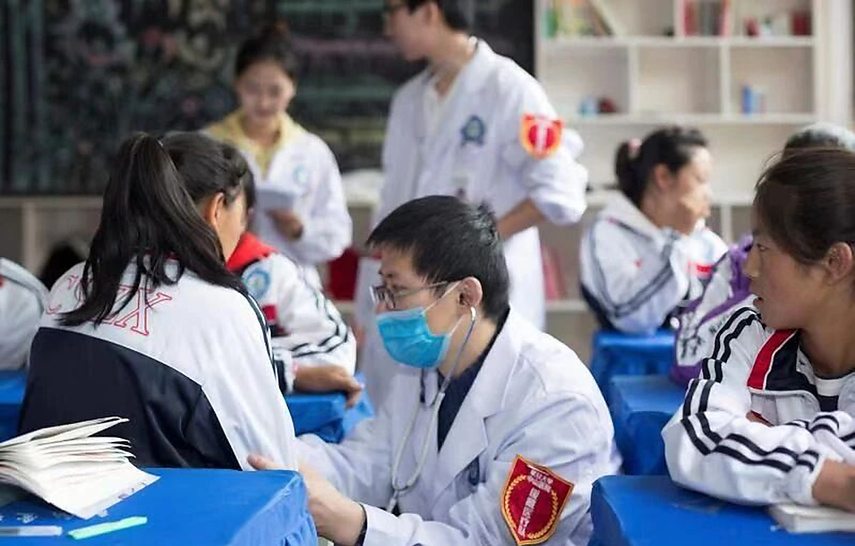
Dr. Jiang Jingjing | Endocrinology, and the Detective Work of Medicine
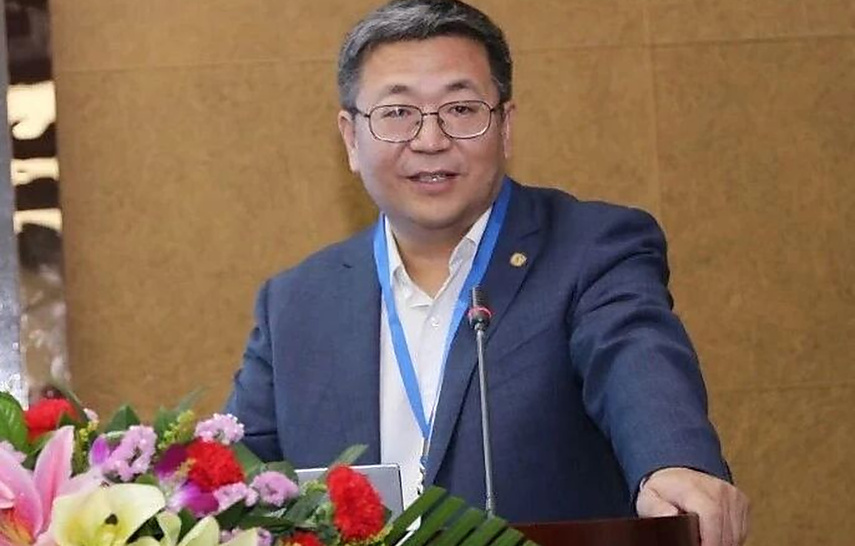
Dr. Zhang Guolong | Disease Prevention and Control, and Quiet Strength
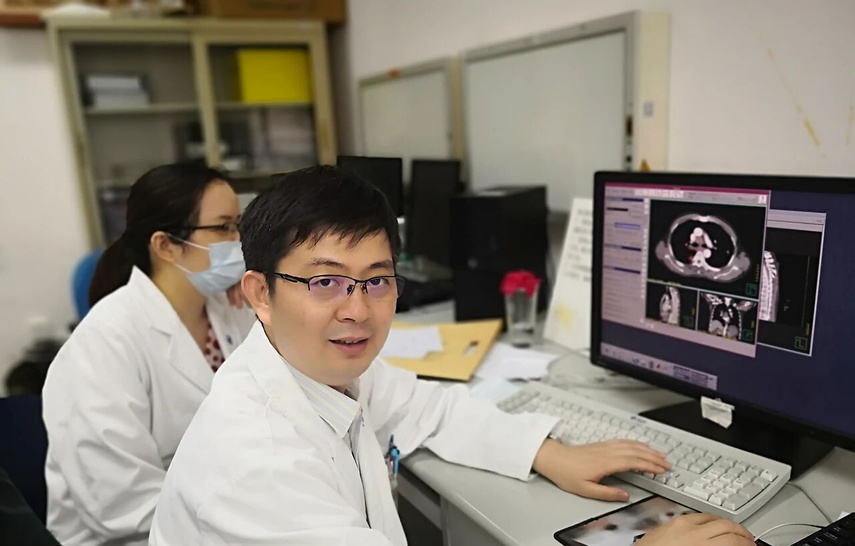
Dr. Zhu Zhengfei | Radiation Oncology, and Perhaps We Need to Learn from Tumor Cells
Dr. Zhao Yiming | Liver Surgery, and No Overnight Success, Only Perseverance
Copyright © 2023 Yewen Renyi & ShanghaiDoctor.cn (This website is a non - profit medical humanities platform. The information contained herein is solely for biographical and historical purposes and does not constitute any medical advice.) 沪ICP备2023005392号-2 XML 沪公网安备31010902100835号
 中文
 English
 Español
 沪公网安备31010902100835号
