ShanghaiDoctor - Where China's Healing Wisdom Shapes Modern Medicine

Update time:2026-11-09Visits:200
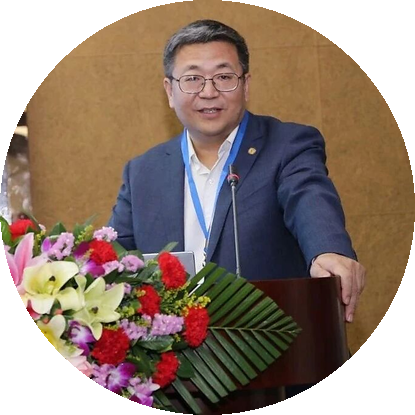
“Do good, and do not ask what lies ahead.”
— Zhang Guolong
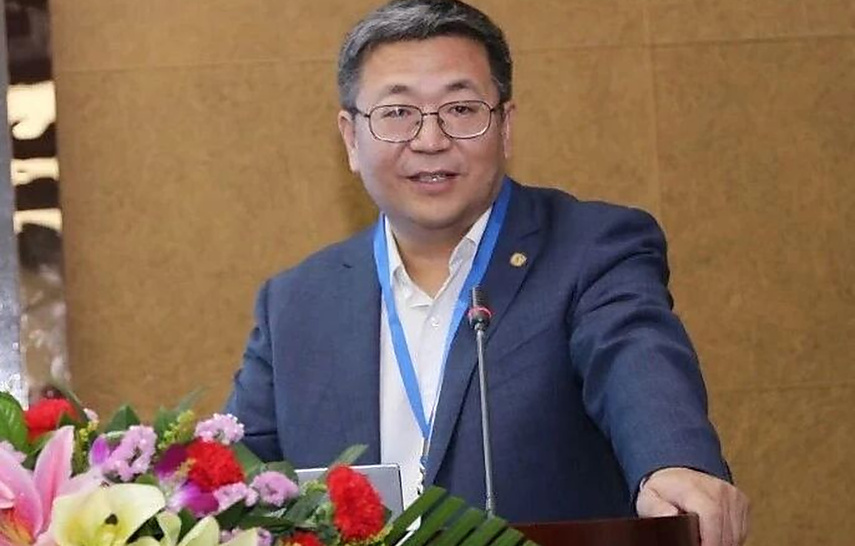
Zhang Guolong is Director of the Institute of Acquired Immunodeficiency Syndrome Prevention and Control at the Henan Provincial Center for Disease Control and Prevention. He trained in microbiology and infection immunology and also directs the China–U.S. Tuberculosis Cooperation Project Office. He is a vice chair of the Geriatrics Branch of the Chinese Antituberculosis Association, a council member of the Chinese Antituberculosis Association, a provincial academic and technical leader and outstanding expert in Henan, a recipient of the Ninth Henan Youth Science and Technology Award, vice chair of the Henan Tuberculosis Society, vice chair of the Henan Society of Microbiology and Immunology, and chair of the Henan Society of Clinical Microbiology. He serves as a contributing editor for the Chinese Journal of Antituberculosis and for journals of medical research. He has published more than fifteen papers in international journals including Nature, Genome Biology, Antimicrobial Agents and Chemotherapy, and the Journal of Clinical Microbiology, and more than thirty papers in Chinese journals. His honors include a third prize of the Henan Provincial Science and Technology Progress Award and first and second prizes of the provincial health department’s science and technology progress awards. He has led major cooperative research on new clinical methods for tuberculosis diagnosis and treatment under a national science and technology program, helping fill a gap in that field for Henan’s health system, and has helped build laboratory capacity for tuberculosis research in the province.

I cannot help calling him Brother Long. There is a streak of the knight-errant in him.
“A true knight does not seek fame or money,” I said when I offered him the line “when the work is done, brush the dust from your clothes and hide your merit and your name.” He thought for a moment and said that, in fact, that is the true picture of everyone in disease control.
He told me about a young woman living with the immunodeficiency virus whom he knew. At a hard moment she was stuck at home and wrote in a WeChat group: she was not where people assumed, she had no fever, and what she had was acquired immunodeficiency syndrome — and she had run out of medicine. So, she asked, did anyone still care about her case?
When someone told him that the girl who went by “Little Cat” online had typed those words, he was silent for a long time. Across the phone screen he could almost see the helpless, bitter, slightly mocking smile at the corner of her mouth. Secondary harm can leave people aching, lost, even without hope. “So we had to help her,” he says, “and the others who had run out of medicine — help them stay alive, and remember that there is still light in the world.”
Drawing on every contact he had, he sourced medicine nationwide and had it posted to her. Others soon responded, and volunteers stepped forward. Word spread that Brother Long was there to help.
“A lifeline — kindness brings kindness in return” is the phrase he has heard most often.
And the words he himself says most often, in many settings, are: protect yourself, refuse sex without a condom, get tested regularly, and do not live too chaotically.
“Once you are infected, work with your doctors, take your medicine on time, keep regular hours, eat a balanced diet, and exercise,” he says. “Your body can be much like anyone else’s. More important still: do not take it out on society, and do not spread the virus on purpose. Do not fear acquired immunodeficiency syndrome, and do not discriminate.”
At parting he quoted a line from One Hundred Years of Solitude: “We are tired, yet we cannot stop; we suffer, yet we cannot turn away.” I understood that he knows the hearts of people in special circumstances better than most. What people full of hardship need is simple: a little warmth and company.
“Many patients are still young,” he says thoughtfully. “Their lives are only beginning. Our work is heavy, and the road is long.”
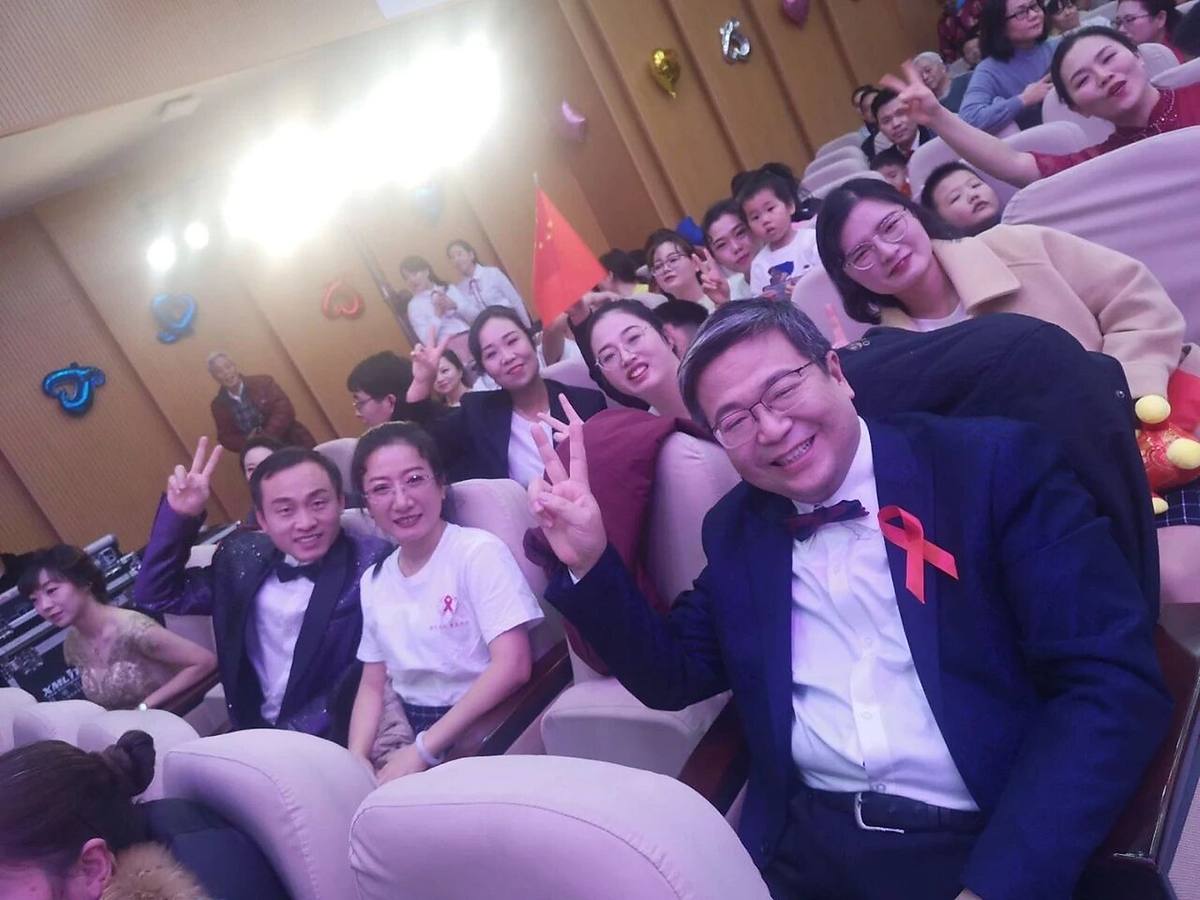
In 1992 Zhang Guolong graduated from university and was assigned to the Henan Provincial Institute of Tuberculosis Control.
This outstanding graduate of preventive medicine and public health already carried a clear ambition. “I was full of enthusiasm for public health,” he says. Nearly thirty years of work have only deepened that enthusiasm.
He has lived through the national strategy for public health across those decades. In the early years each province’s tuberculosis institute was an independent unit. After the national disease-control system was reorganized and provincial centers for disease control were established, the Henan Provincial Institute of Tuberculosis Control joined the larger CDC family.
The old saying goes that tuberculosis is a disease of poverty — the poorer you are, the harder it is to treat. For a long time the national rules said tuberculosis costs could be reimbursed only for inpatient care, and a hospital stay could last at most one month, while tuberculosis usually needs about half a year of treatment. What about the remaining months? Patients who had little money simply dragged on.
“And the cost of screening for pulmonary tuberculosis could not be reimbursed either,” he says. “A molecular test such as Xpert, which costs a few hundred yuan, was something people tried to skip to save money. That meant many cases were missed. If tuberculosis patients are not brought under control, the bacilli are in the air and anyone can be infected. Leave it alone, and the danger is great.”
In those hard years of control, he and his colleagues thought day and night about how to break the bottleneck: find patients quickly and cut transmission. “The first step was to bring screening costs into outpatient reimbursement, so that people with tuberculosis infection could be found as soon as possible,” he says. “The second was that once a patient was found, treatment had to start, and the worry about money had to be lifted from the outpatient visit onward — not only after admission. Cure patients early, and you cut the chance of spread.”
Sometimes the work means talking again and again, sitting on a cold bench, and wearing down resistance with patience.
They went to the medical insurance bureau and argued hard for screening costs to be covered. Zhang Guolong said they had to win that money — not for themselves, but to meet a social responsibility. Once, in front of the bureau’s leaders, he could not keep the tears from his eyes.
“I said this is a respiratory infection,” he recalls. “If patients are not controlled, the air is full of the pathogen. On the bus, on the metro, in the supermarket, at the cinema — anyone can be infected. If your mother or your child were among them, would you not ache? We are not fighting for our own rights. We are fighting for the rights of people who have little power.” In the end the social security leaders were moved, and annual funding followed. “That money was worn down by argument,” he says.
Henan became the first province to fold tuberculosis testing into single-disease payment — a first in the country, and a real answer to patients’ difficulties.
Xpert MTB/RIF is a fully automatic molecular test that can detect Mycobacterium tuberculosis directly in sputum and, in about two hours, also report rifampin resistance. It is fast, simple to run, and asks little of biosafety conditions.
Problems have to be solved one by one.
Treatment needs money, and it also needs better technology. Zhang Guolong later spent several years in advanced study focused on how tuberculosis escapes the immune system — how the bacillus survives — in order to find ways to break the chain of transmission.
After he returned, his mentor, who was then a leader in Japan–U.S. tuberculosis work, strongly supported him and helped bring the first China–Japan–U.S. tuberculosis control meeting to Zhengzhou. Academicians and leading tuberculosis experts from across China attended. Zhang Guolong reported on drug resistance and prevalence in Henan. Specialists from abroad took a close interest and decided to place tuberculosis research projects in Henan — where the burden was heavy and resistance rates high, making it an important research site. Before long an international tuberculosis research center was established in Henan, and waves of cooperative work followed.
He later received major support for research on the natural history of tuberculosis infection and on new methods, and helped build the international tuberculosis research center in partnership with overseas institutions.
“What we are doing now is a large project that uses molecular biomarkers to predict the length of tuberculosis treatment,” he says. “There are multicenter sites in South Africa and South Korea; many countries take part; there are regular annual meetings and joint progress reports; and the Bill & Melinda Gates Foundation is a key supporter. The China site is in Henan.” As someone in disease control, he says, you cannot only do control work — you also have to carry the weight of research.
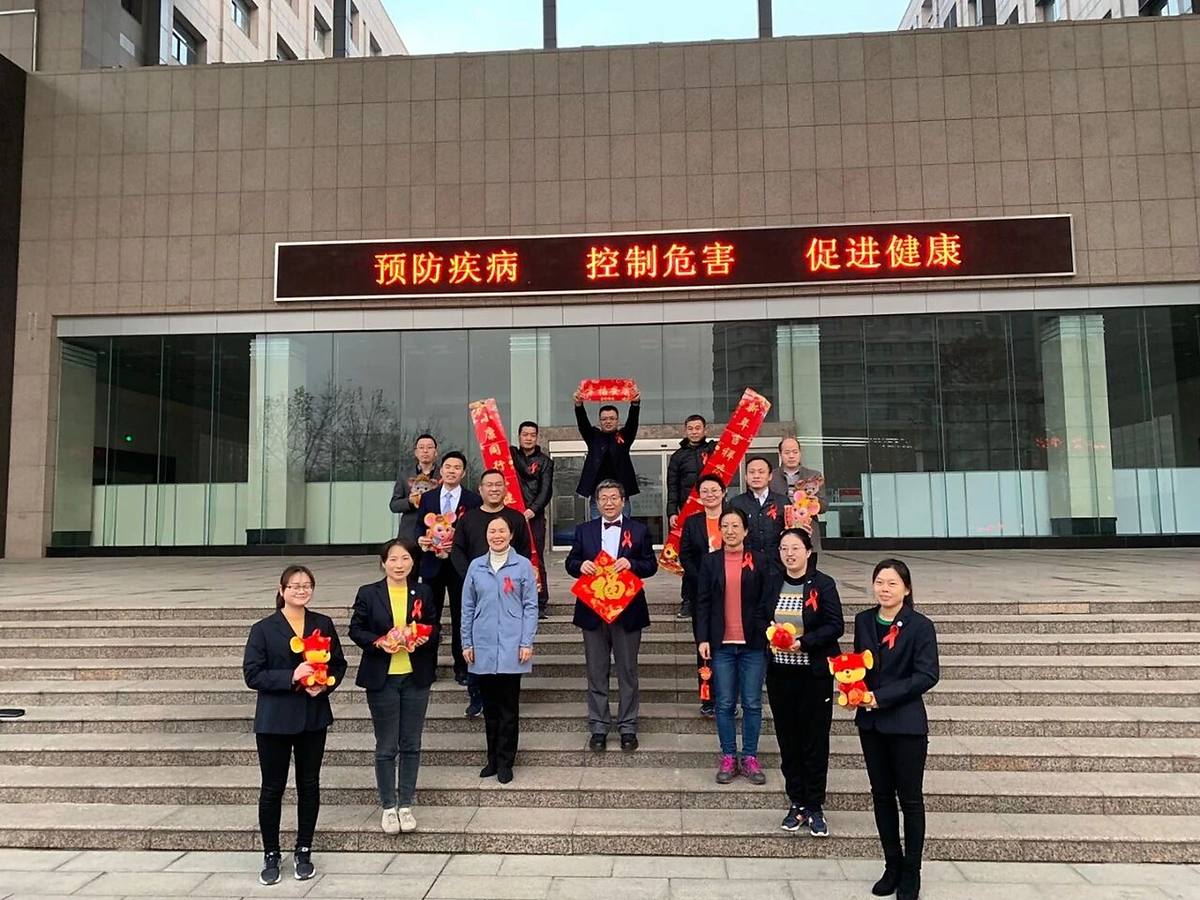
Zhang Guolong’s work has also shifted a large share of its weight onto acquired immunodeficiency syndrome prevention and control. The picture of transmission, he says, is far from reassuring.
He is frank that Henan has been a hard-hit region for acquired immunodeficiency syndrome and has long taken the work seriously. “The state has put great force behind acquired immunodeficiency syndrome control, with substantial funding and tasks shared across health, education, public security and other departments,” he says. “Yet the numbers keep rising year after year. In the past the main route was blood donation; now about 99 percent is sexual transmission, and about one third of that is among men who have sex with men — behavior that is extremely private and hard for prevention work to reach. What hurts most is the rise among students. Many have little protection and become infected without quite knowing how.”
According to national data on notifiable infectious diseases for 2019 released by the National Health Commission on April 27, acquired immunodeficiency syndrome accounted for 20,999 deaths — 83 percent of all deaths from notifiable infectious diseases that year.
The share of deaths is so high that Zhang Guolong can only say there is no easy answer. “We now put great effort into building social organizations that can reach men who have sex with men, teach safer practices, and encourage regular testing,” he says. “But sex outside marriage is much harder for those organizations to reach, let alone to change.”
Acquired immunodeficiency syndrome testing in China has long been layered. The first tier is screening points: designated dental clinics, township health centers, and community health centers, each expected to have a small testing space. Groups such as mother-and-child care, tooth extraction, dialysis, and endoscopy are to be tested whenever indicated. The second tier is preliminary screening laboratories: hospitals at level two and above test before surgery and before marriage for the virus carriage. The third tier is confirmatory laboratories: Henan has thirty-eight of them, and people found on preliminary screening are sent there for a final judgment.
A revised national acquired immunodeficiency syndrome testing specification has since added overall testing flowcharts, sample types, self-testing and referral pathways, and nucleic-acid testing for imported antibody cases and for type-2 virus; optimized antibody testing and follow-up for indeterminate results; strengthened the diagnostic value and biosafety of nucleic-acid testing; and refined strategies for detecting recent infection, nucleic-acid testing, infant diagnosis, and reporting.
Acquired immunodeficiency syndrome, Zhang Guolong says, is not only a disease of the young. Older adults are also a high-incidence group. At a testing site in Xinxiang an man in his eighties was found positive. At first he would not say how he had been infected. Only after persistent questioning did he say it might have come from a woman in her sixties; tracing her led to a man in his forties; that man named six male partners. Following the chain this way works, but the truth it turns up is harsh.
“That one case alone saved about 16 million yuan,” Zhang Guolong says. In the past, finding one acquired immunodeficiency syndrome patient by casting a wide preoperative net cost more than two million yuan; finding eight patients that way would have cost about sixteen million. That is a poor fit with health economics. So the work has to be precise: epidemiologic investigation and source management. For every newly infected patient, find who transmitted the infection, and keep going up the chain. “Dig out one more person,” he says, “and you may save two million yuan — and spare several more people from infection.”
Finding patients quickly, in his view, is the priority now. One more person found may mean several or a dozen fewer people infected.
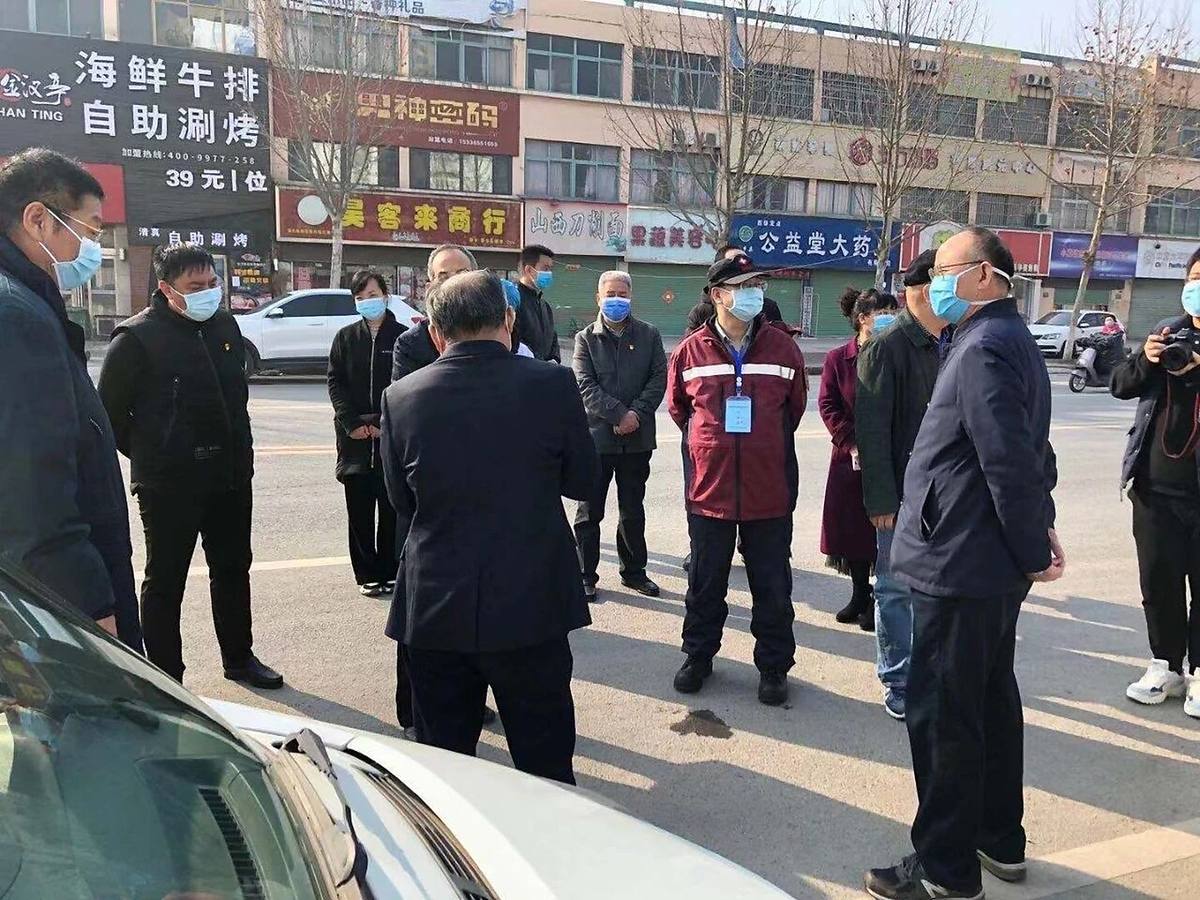
ShanghaiDoctor.cn: What do acquired immunodeficiency syndrome control and tuberculosis control share, and how do they differ?
Zhang Guolong: “Tuberculosis control is spread across the whole province; every region has it. Acquired immunodeficiency syndrome control has clear focus areas — Zhumadian, Nanyang, Zhoukou, all in the southeast of Henan. One county in southern Henan may have more than five thousand patients; a county in the north may have only a few. Resources are allocated by where the patients are. Some northern counties do not even have an acquired immunodeficiency syndrome control section.”
Our institute covers acquired immunodeficiency syndrome, leprosy, hepatitis C, and sexually transmitted infections. China has the largest number of people with hepatitis C in the world, and many of them share a history with acquired immunodeficiency syndrome patients — in the past a large share came from blood donation; the routes of spread have since changed. Hepatitis C is a major problem. The health and medical-insurance authorities have held meetings and are paying close attention. With such a large patient group, stronger prevention and control is a priority next, including hepatitis C testing measures and a single-disease payment model like the one for tuberculosis. We already have a working pattern we can push forward the same way. In that sense the work shares a common model.
ShanghaiDoctor.cn: How does tuberculosis control in China compare with that in Japan and the United States?
Zhang Guolong: “The United States has fewer than ten thousand tuberculosis cases nationwide, so the difficulty is much smaller than ours, but its technology and research are worth learning from. My research direction is new diagnostic methods and evaluation systems. PET-CT can predict drug sensitivity or treatment response earliest, but it is expensive and hard to support in China. So we look for substitutes — for example a biomarker that, once it appears, means you can stop the drug. That would be revolutionary for tuberculosis treatment, more like treating a cold. That is the eventual direction.”
ShanghaiDoctor.cn: What is the focus of your work recently?
Zhang Guolong: “Using technology for one-stop service: building regional centers by province, city, and county, each with the functions that level needs — testing, rapid case finding, and an integrated outpatient model for treatment. Another piece is the electronic medicine box: sitting in the clinic you can see whether a patient took today’s dose, and phone to remind them.”
We are also building databases. When a patient’s films come in, I can check whether the doctor’s reading is right without leaving my desk — province-wide quality control. Once intelligent diagnosis works well, whether it is tuberculosis or not is clear at a glance, and overtreatment and misdiagnosis fall. Precision and real combat strength rise. Technology is changing disease control.
ShanghaiDoctor.cn: What is the hardest part of disease-control work today?
Zhang Guolong: “The problem with disease control is that when illness comes, it is taken seriously; when illness goes, it is forgotten. The CDC buildings went up when a major outbreak forced the issue; when that passed, the place grew quiet again. We would rather be forgotten — that at least means no great plague is raging. But prevention is not the work of a single day. It is like building a smart Great Wall: once it is up, it keeps disease from advancing and protects ordinary people. A wall has to be watched day and night. Prevention is the same.”
ShanghaiDoctor.cn: As someone in disease control, are you proud?
Zhang Guolong: “I have to be. I feel a real sense of achievement. The highest medicine governs the state. Through our work we stop infectious disease in the bud, so that people do not fall ill, or fall ill less often. We are the ones building the dam upstream, not the ones scooping fish downstream. If we do our work upstream well, people downstream stay healthy.”
ShanghaiDoctor.cn: What is the core value of public health?
Zhang Guolong: “Turn the tide while the danger is still a sprout. The highest medicine treats illness before it arrives. The starting point of public health is to reduce disease. Beyond infectious disease we also watch chronic conditions — diabetes, hypertension, cancer — and work so that patients do not develop complications that cause deeper harm. For someone with hypertension, early intervention that keeps the numbers in range and cuts disability is a great contribution to society.”
ShanghaiDoctor.cn: There is a saying in the public-health system that “the plague god follows the god of wealth.” What do you hope for in the future?
Zhang Guolong: “Take public health seriously — not only when the head hurts treat the head, and when the foot hurts treat the foot. Do not wait for an outbreak to care. There has to be a lasting mechanism. For example, keep public-health talent. People in the same health field can earn tens of thousands more a month in a hospital; how do you keep them? Investment in public health returns about eight times what it costs — one yuan in, eight yuan of benefit. And urge everyone toward healthy living and good hygiene. That, too, is an ordinary person’s contribution to society.”
ShanghaiDoctor.cn: Does public health guide clinical work?
Zhang Guolong: “It does. Some rare infectious diseases hospitals can no longer recognize. Not long ago a patient spent more than a month in hospital without a diagnosis. The elderly woman raised more than four hundred sheep at home and had caught an illness from them. The doctors could not find it; we took one look and it was classic brucellosis. Hospitals often lack enough awareness of many infectious diseases. Today about 90 percent of hospitals do not run tuberculosis testing, and misdiagnosis is easy.”
ShanghaiDoctor.cn: How do you relax?
Zhang Guolong: “Morning exercise and swimming. I swim from six to eight in the morning — fifteen hundred to two thousand meters is nothing. I ride a bicycle to work, nine kilometers a day. At my heaviest I was ninety kilograms; with exercise the weight came down quickly, and I feel full of energy. Exercise is a very good way to unwind.”
ShanghaiDoctor.cn: Do you still read?
Zhang Guolong: “Yes. I follow what is new internationally — what mechanisms a virus uses, which pathway activates which gene. That is an interest of mine.”
ShanghaiDoctor.cn: You face danger as doctors do, yet praise is rarer. How do you feel about that?
Zhang Guolong: “Do good, and do not ask what lies ahead.”
Zhang Guolong has spent three decades finding tuberculosis patients early, arguing screening into insurance, and tracing acquired immunodeficiency syndrome chains one name at a time. He still mails medicine when someone runs out, still says prevention is a wall that must be watched day and night, and still quotes the knight’s line: when the work is done, hide your merit and your name. Quietly, and with the strength of a thousand catties.
Editor: Chen Qing
If you need any help from Dr. Zhang, be free to let us know at Chenqing@ShanghaiDoctor.cn.
Adapted from the Yewen Renyi (晔问仁医) interview “张国龙 | 悄然无声,却力顶千斤.”
Dr. Jiang Jingjing | Endocrinology, and the Detective Work of Medicine
Dr. Zhang Guolong | Disease Prevention and Control, and Quiet Strength
Dr. Zhu Zhengfei | Radiation Oncology, and Perhaps We Need to Learn from Tumor Cells
Dr. Zhao Yiming | Liver Surgery, and No Overnight Success, Only Perseverance
Dr. Zhao Kuaile | Radiation Oncology, and the Great Way Is Simple
Dr. Gu Chaoying | Dermatology, and Holding On Because There Is No Other Choice
Dr. Wang Qunshan | Cardiac Electrophysiology, and Meeting the Rising Wind
Dr. Ren Yunyun | Obstetric Ultrasound, and the Work No One Sees
Dr. Qian Yiming | Emergency Medicine, and Neither Joy nor Fear on the Great Tide
Dr. Wang Xudong | Craniomaxillofacial Surgery, and Years Written into Chapters
Dr. Jiang Jingjing | Endocrinology, and the Detective Work of Medicine
Dr. Zhang Guolong | Disease Prevention and Control, and Quiet Strength
Dr. Zhu Zhengfei | Radiation Oncology, and Perhaps We Need to Learn from Tumor Cells
Dr. Zhao Yiming | Liver Surgery, and No Overnight Success, Only Perseverance
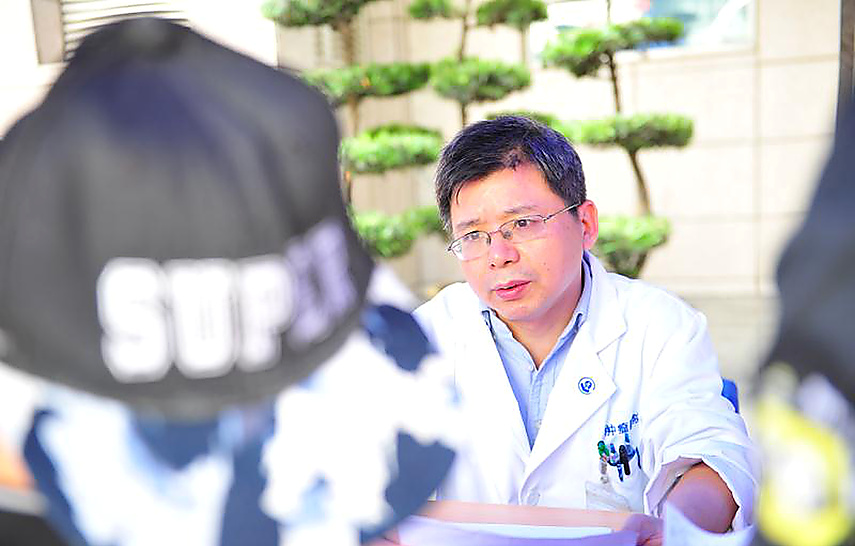
Dr. Zhao Kuaile | Radiation Oncology, and the Great Way Is Simple
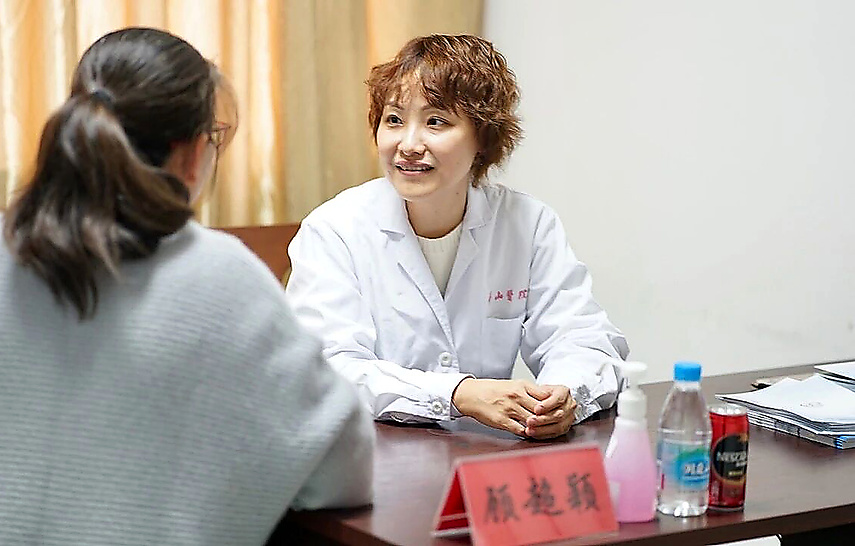
Dr. Gu Chaoying | Dermatology, and Holding On Because There Is No Other Choice
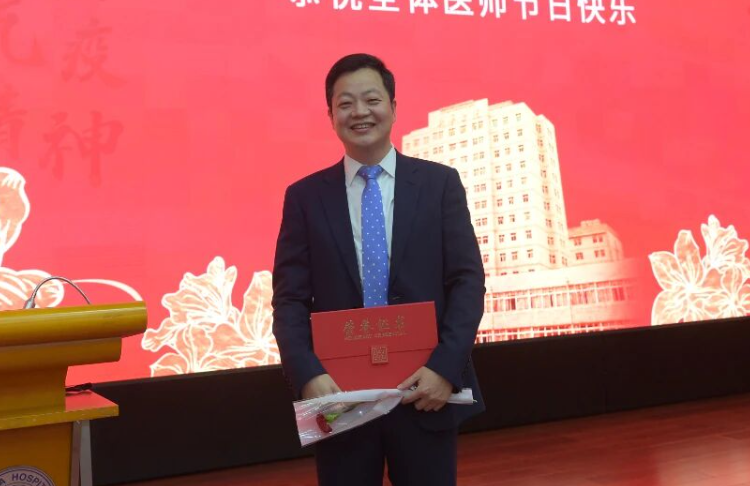
Dr. Wang Qunshan | Cardiac Electrophysiology, and Meeting the Rising Wind
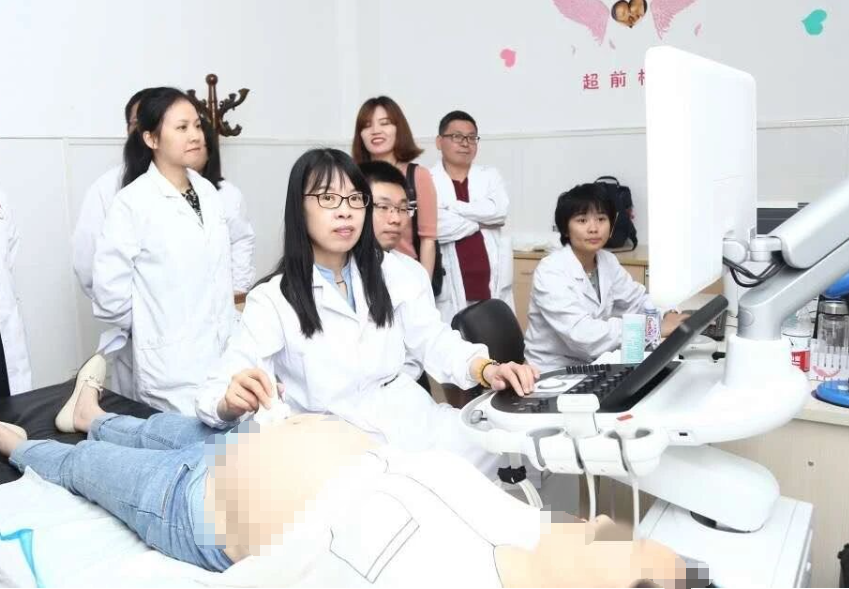
Dr. Ren Yunyun | Obstetric Ultrasound, and the Work No One Sees
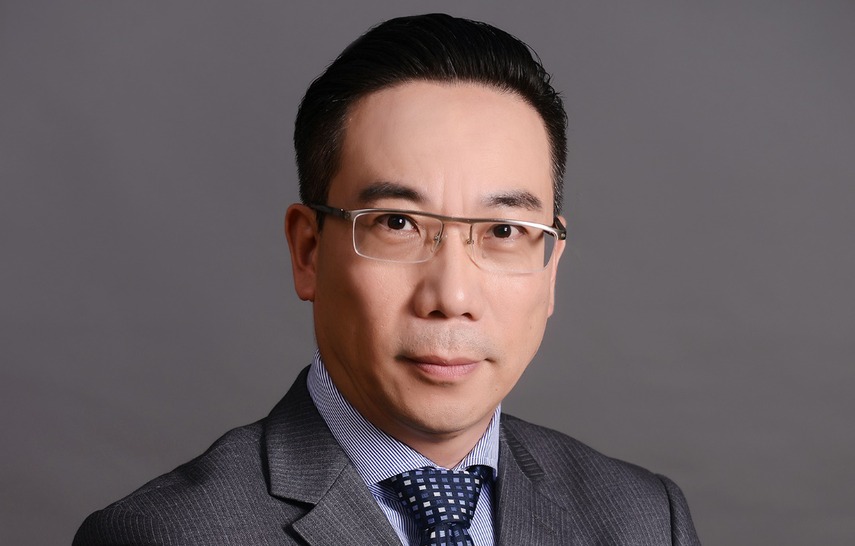
Dr. Qian Yiming | Emergency Medicine, and Neither Joy nor Fear on the Great Tide
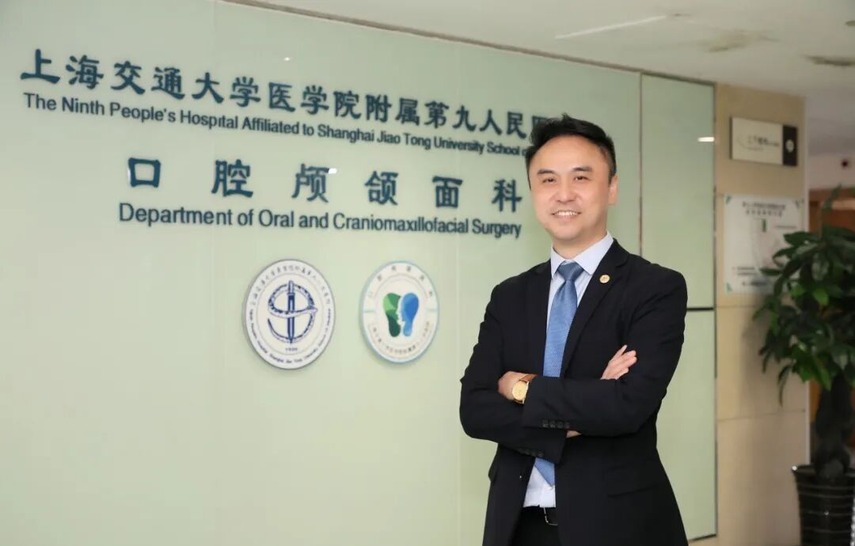
Dr. Wang Xudong | Craniomaxillofacial Surgery, and Years Written into Chapters
Copyright © 2023 Yewen Renyi & ShanghaiDoctor.cn (This website is a non - profit medical humanities platform. The information contained herein is solely for biographical and historical purposes and does not constitute any medical advice.) 沪ICP备2023005392号-2 XML 沪公网安备31010902100835号
 中文
 English
 Español
 沪公网安备31010902100835号
