ShanghaiDoctor - Where China's Healing Wisdom Shapes Modern Medicine

Update time:2026-11-09Visits:198
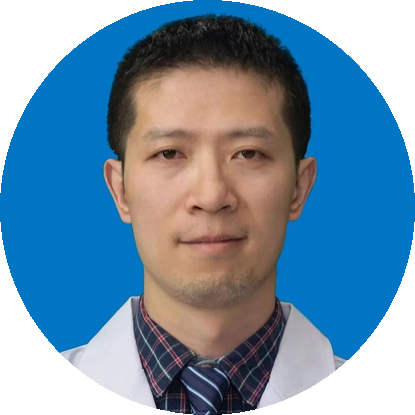
“The top hospitals in Beijing and Shanghai are the last line of defense in our country’s health system. We can’t give up lightly, or the patient will simply have to go home.”
— Jiang Jingjing
Jiang Jingjing is an Attending Physician in the Department of Endocrinology at Zhongshan Hospital, Fudan University, and holds a doctoral degree. He is Deputy Secretary-General of the Rare Metabolic Diseases Branch of the Biophysical Society of China. He specializes in the diagnosis and treatment of thyroid disease, adrenal disease, and inherited endocrine and metabolic disorders.
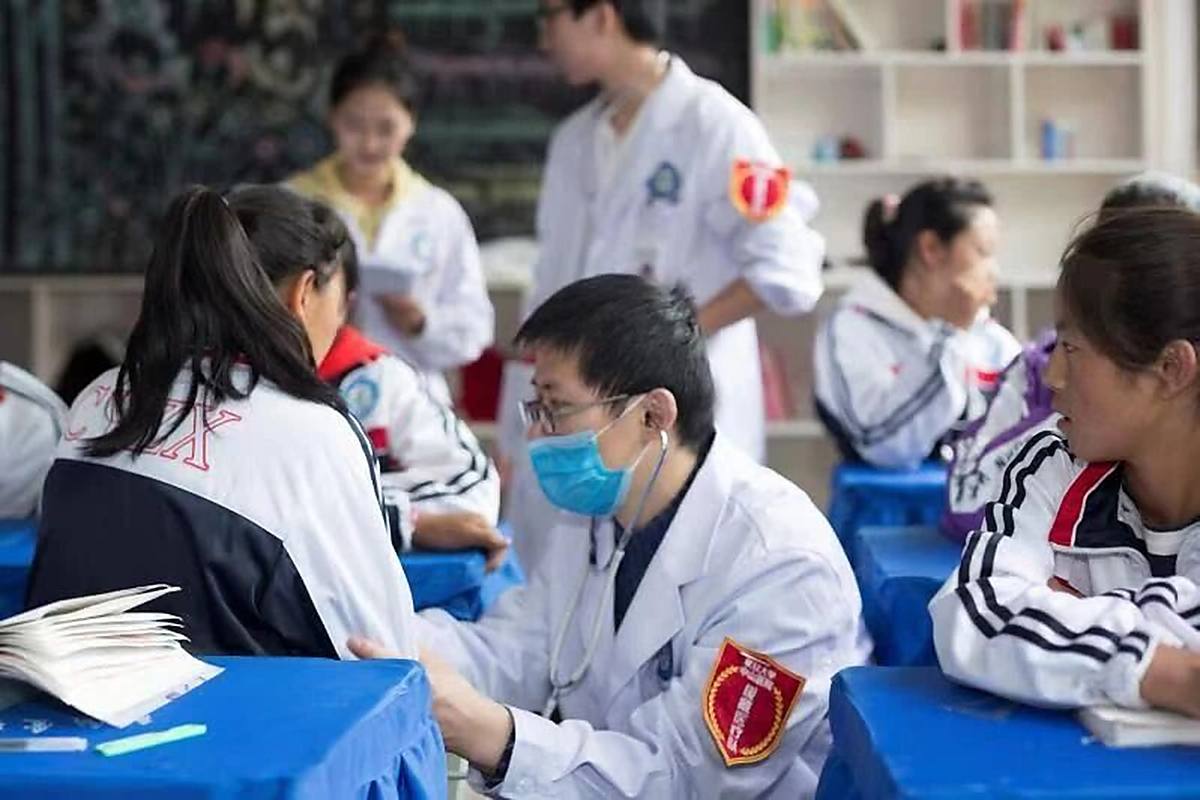
For people born in the 1980s, the times offered a chance and a stroke of luck: those willing to chase a dream could charge ahead at the age when they were able to give it everything. In 2007, at 26, Jiang Jingjing finished his master’s degree, moved south to Shanghai, and applied for a doctorate in endocrinology at Shanghai Jiao Tong University School of Medicine. He was accepted. His dream at the time was to receive systematic clinical and research training in the country’s top-ranked endocrinology program and one day become an excellent endocrinologist.
He completed his doctorate in 2011. That same year Shanghai became the first place in China to introduce standardized residency training, and Jiang Jingjing was among the first group of residents to take part. One experience during his rotations has stayed with him ever since. On the hematology ward there was a lymphoma patient of about ten whose arms were so badly swollen that the nurses could not get a needle in. To spare her pain, he decided to place a central venous catheter for her coming chemotherapy and fluids. Drawing on what he had learned during his anesthesiology rotation, he placed the line quickly, but the resistance in the tube was high and fluids would not run. The catheter had gone into the carotid artery by mistake.
This is a common error with central lines. Normally you remove the catheter, press to stop the bleeding, and try again. But this patient had a clotting disorder, and once the catheter came out the bleeding would not stop. The only option was pressure. His mind went blank, and he simply held the puncture site without moving while a large hematoma slowly formed on the girl’s neck. Three hours later luck smiled on doctor and patient alike, and the bleeding finally stopped.
The hard lesson proved an old saying: medicine is a precise and rigorous discipline that leaves no room for error, and even a small mistake can put a patient in mortal danger. He did not sleep that night. The day replayed in his mind again and again. It taught him that a kind heart that wants to relieve patients’ suffering is nowhere near enough. A doctor must also have solid, reliable skills.
Two months later he was rotating through neurology when he was called in the early hours to see a patient at the end of life. The patient’s vital signs were unstable. The family said the patient’s child was still on the way back from another city and begged the doctors to keep the patient alive until the next day so the child could say goodbye. The patient was in shock, the peripheral veins could no longer take a needle, and the blood pressure was falling. The only way to buy time was a central line, but the illness kept the patient’s head and neck shaking constantly, which made the procedure very difficult. He could have refused the family’s request. Perhaps, somewhere in his mind, he wanted to make up for what had happened with the young girl on the hematology ward. He stayed calm and placed the line on the first attempt. Once medication was running through it, the patient’s vital signs held, and the patient passed away peacefully at noon the next day, after the child and the rest of the family had arrived.
In 2012 Jiang Jingjing joined the Department of Endocrinology at Zhongshan Hospital. Before long he became a senior resident responsible for endocrine consultations across the whole hospital. Endocrinology covers a great many complex diseases with an astonishing range of symptoms, and a large share of difficult cases, rare diseases, and inherited disorders fall within the specialty. A good endocrinologist needs broad knowledge and sound logical thinking. Without them, many diseases can be missed.
One consultation came from the gastroenterology department. The patient had suffered diarrhea so severe that it led to dehydration and shock. A local hospital had saved his life, but his kidneys had failed and he was put on maintenance dialysis. He eventually made his way to Zhongshan Hospital, where an abdominal CT scan found a mass on an adrenal gland. When Jiang Jingjing saw him, the patient’s plasma metanephrine levels were dozens of times the upper limit of normal, strongly suggesting a pheochromocytoma. Yet the usual symptom of a pheochromocytoma is constipation, the exact opposite of what this patient had.
Then one detail caught his attention. Besides the low potassium caused by the diarrhea, the patient also had high calcium that nothing seemed to explain. Curiosity sent him into the literature. On PubMed he finally found a 1975 report by British doctors of a pheochromocytoma that secreted vasoactive intestinal peptide, causing severe watery diarrhea and high calcium. Over the following forty-odd years, about a dozen more such cases had been reported around the world. Holding that report up against the patient in front of him, he saw the answer. At the multidisciplinary meeting that followed, the urologists agreed to take on the difficult case.
The day after surgery the diarrhea stopped. Three days later, without dialysis, the patient’s creatinine returned to normal as if by a miracle. He was passing urine again, and his kidney function was recovering. Immunohistochemistry after surgery confirmed what had been suspected beforehand: the tumor tissue stained strongly positive for vasoactive intestinal peptide. Two weeks later the patient went home fully recovered.
“The top hospitals in Beijing and Shanghai are the last line of defense in our country’s health system,” Jiang Jingjing says. “We can’t give up lightly, or the patient will simply have to go home.”
By the tradition of Zhongshan Hospital’s Department of Internal Medicine, every attending physician serves six months as the chief on-call physician for internal medicine. During his turn, Jiang Jingjing was called to the emergency resuscitation room to see a patient with hyperthyroidism and severe jaundice. The patient was a man in his forties, the breadwinner of his family. Every endocrinologist knows that when a patient with hyperthyroidism develops severe jaundice, the outlook is usually grim. His hyperthyroidism was already severe when it was diagnosed, and jaundice came with it. His local doctors first treated him with methimazole, but when the jaundice worsened they stopped the drug for fear it was damaging his liver. The jaundice only grew worse, and in the end the local hospital advised the family to take him home and make the most of each day. The family would not accept that. They brought him to Zhongshan Hospital, hoping that a big hospital in Shanghai might offer a thread of hope.
When Jiang Jingjing arrived, the man lay weak on a bed in the resuscitation room. The heart monitor showed atrial fibrillation with a rapid rate of about 170 beats a minute, and his total bilirubin was over 300 µmol/L, more than ten times the upper limit of normal. The treatment options pulled against each other. Antithyroid drugs might worsen the liver damage, yet without them the hyperthyroidism could not be controlled and the jaundice would not improve. One strategy that might work was high-dose propylthiouracil together with corticosteroids, to bring down the hyperthyroidism and the jaundice at the same time. But the risk was considerable. If it worked, everyone would be overjoyed. If it failed, the consequences were hard to predict. As it happened, a surgeon at the hospital was a relative of the patient. With the understanding and support of his colleagues, Jiang Jingjing started the propylthiouracil and corticosteroids right away.
Three days later the patient’s thyroid hormone levels had fallen to half of what they had been, and within a week the bilirubin was down to 200 µmol/L. The man could be saved. Over the course of treatment his thyroid hormones gradually returned to normal and his heart rate slowed with them. Once the bilirubin fell below 100 µmol/L, the intravenous steroids were tapered and switched to tablets. Both the hyperthyroidism and the jaundice were brought under control, and when his condition was stable he went home. The big hospital in Shanghai had not let him or his family down.
Since he began working in 2010, Jiang Jingjing has stayed on the clinical front line, and challenging cases come his way from time to time. Some diseases are so rare that a doctor may meet them only once in a career, which asks a great deal of a clinician and means constant learning. At the same time, his teaching and research duties keep growing. Not having enough time may be the biggest problem front-line doctors face. Only by keeping on the move, without stopping, can he help more patients and give them hope and strength.
Editor: Chen Qing
If you need any help from Dr. Jiang, be free to let us know at Chenqing@ShanghaiDoctor.cn.
Adapted from the Yewen Renyi (晔问仁医) interview “蒋晶晶 | 做内分泌科的福尔摩斯.”
Dr. Jiang Jingjing | Endocrinology, and the Detective Work of Medicine
Dr. Zhang Guolong | Disease Prevention and Control, and Quiet Strength
Dr. Zhu Zhengfei | Radiation Oncology, and Perhaps We Need to Learn from Tumor Cells
Dr. Zhao Yiming | Liver Surgery, and No Overnight Success, Only Perseverance
Dr. Zhao Kuaile | Radiation Oncology, and the Great Way Is Simple
Dr. Gu Chaoying | Dermatology, and Holding On Because There Is No Other Choice
Dr. Wang Qunshan | Cardiac Electrophysiology, and Meeting the Rising Wind
Dr. Ren Yunyun | Obstetric Ultrasound, and the Work No One Sees
Dr. Qian Yiming | Emergency Medicine, and Neither Joy nor Fear on the Great Tide
Dr. Wang Xudong | Craniomaxillofacial Surgery, and Years Written into Chapters
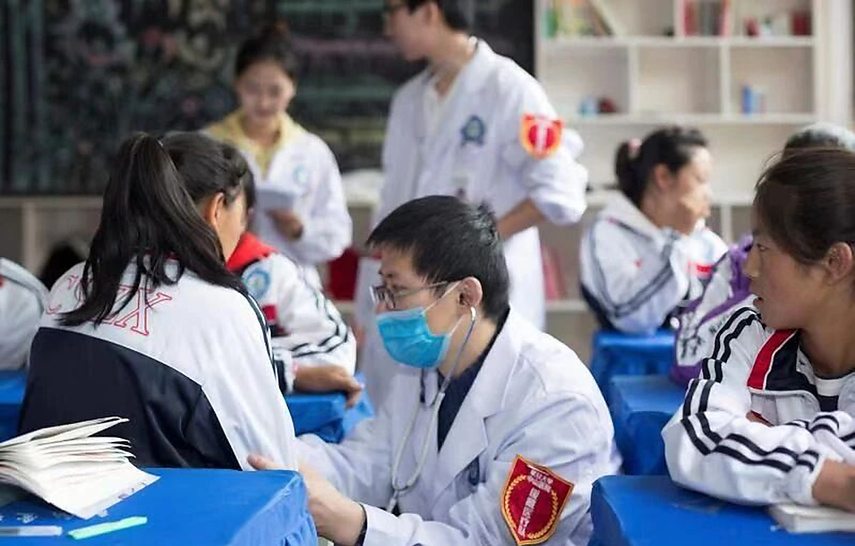
Dr. Jiang Jingjing | Endocrinology, and the Detective Work of Medicine
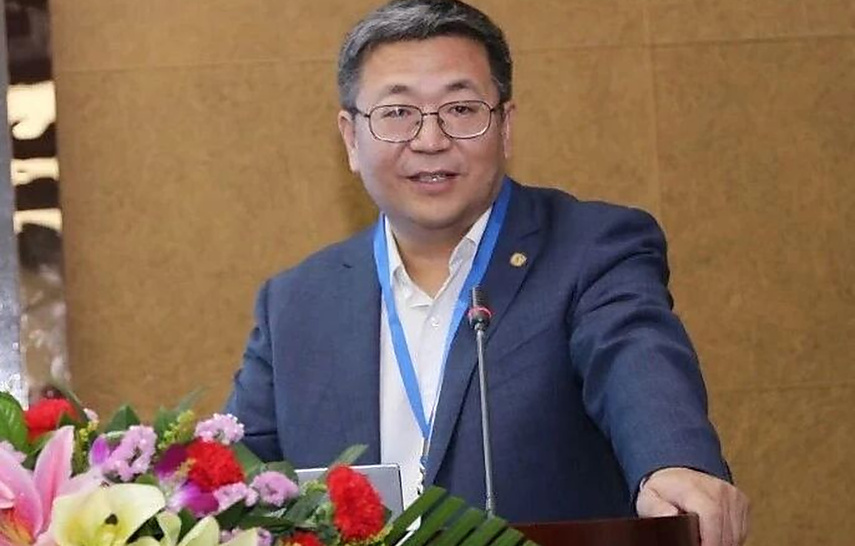
Dr. Zhang Guolong | Disease Prevention and Control, and Quiet Strength
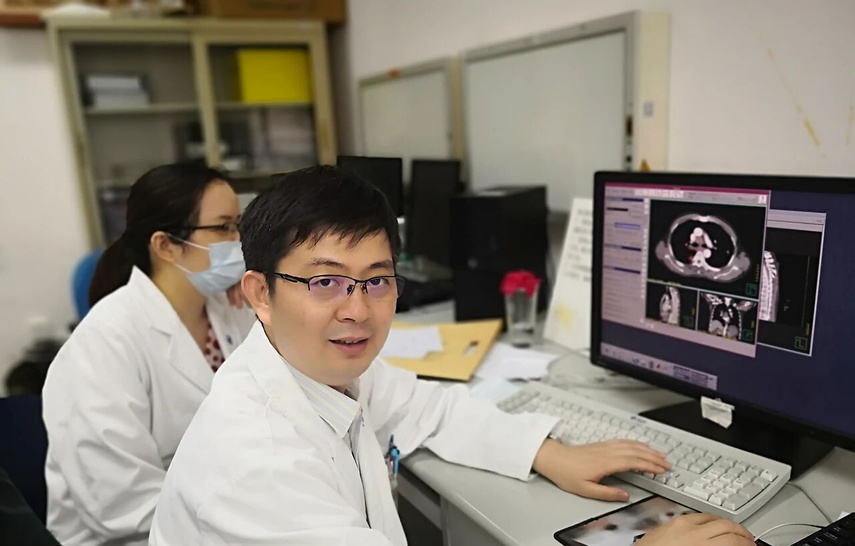
Dr. Zhu Zhengfei | Radiation Oncology, and Perhaps We Need to Learn from Tumor Cells
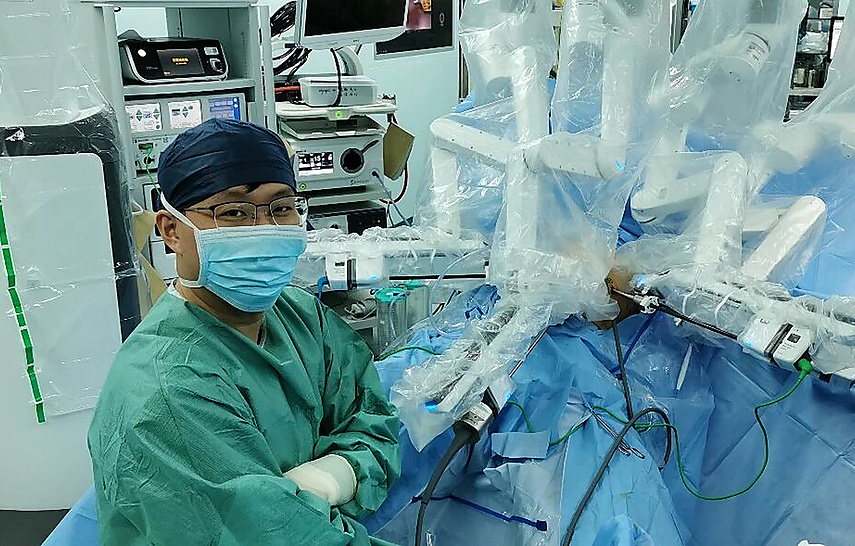
Dr. Zhao Yiming | Liver Surgery, and No Overnight Success, Only Perseverance
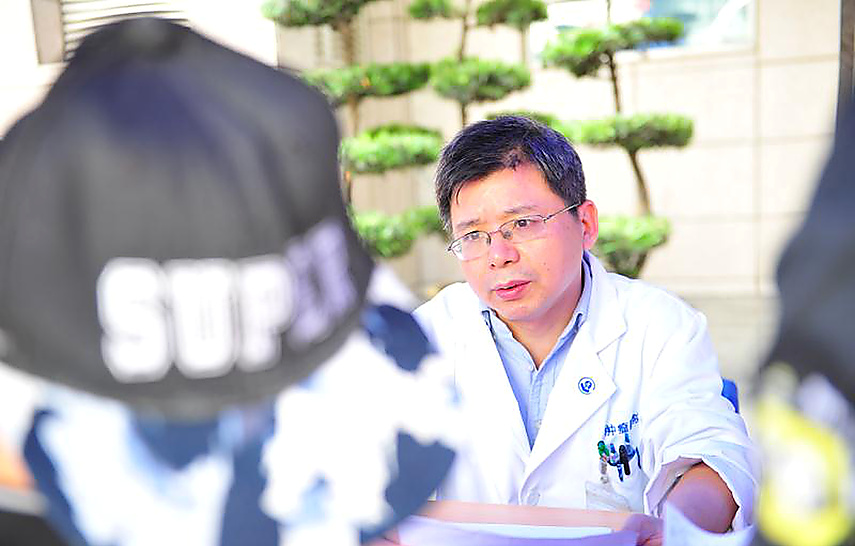
Dr. Zhao Kuaile | Radiation Oncology, and the Great Way Is Simple
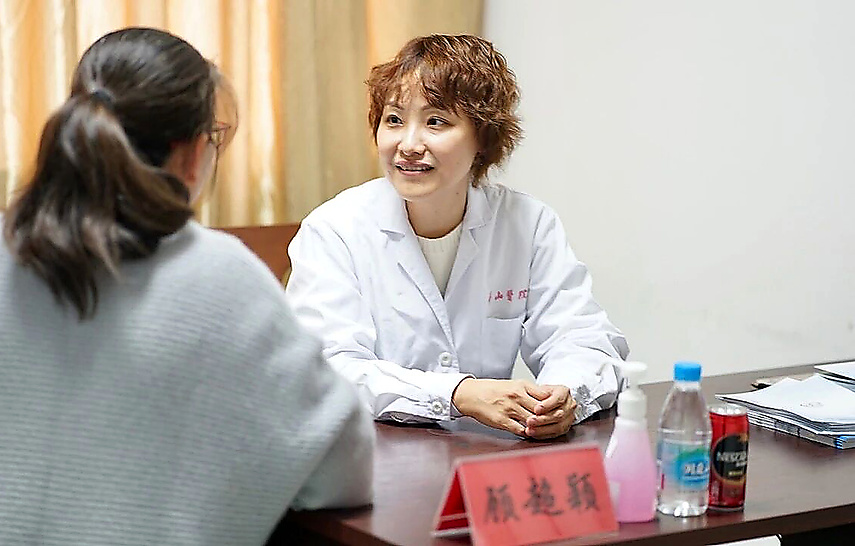
Dr. Gu Chaoying | Dermatology, and Holding On Because There Is No Other Choice
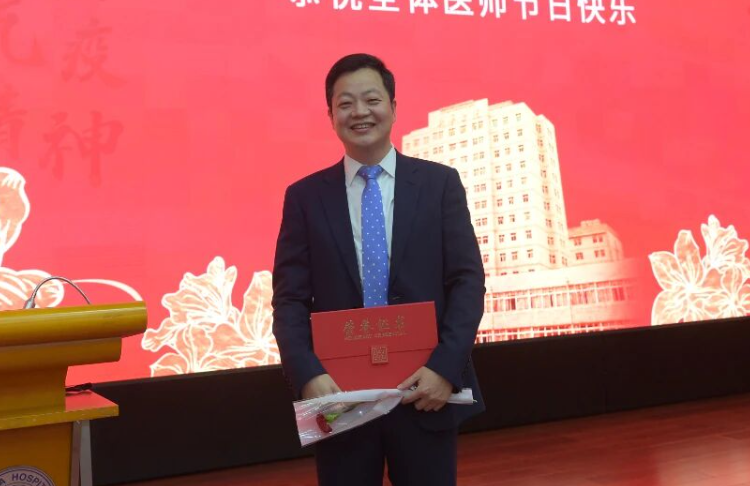
Dr. Wang Qunshan | Cardiac Electrophysiology, and Meeting the Rising Wind
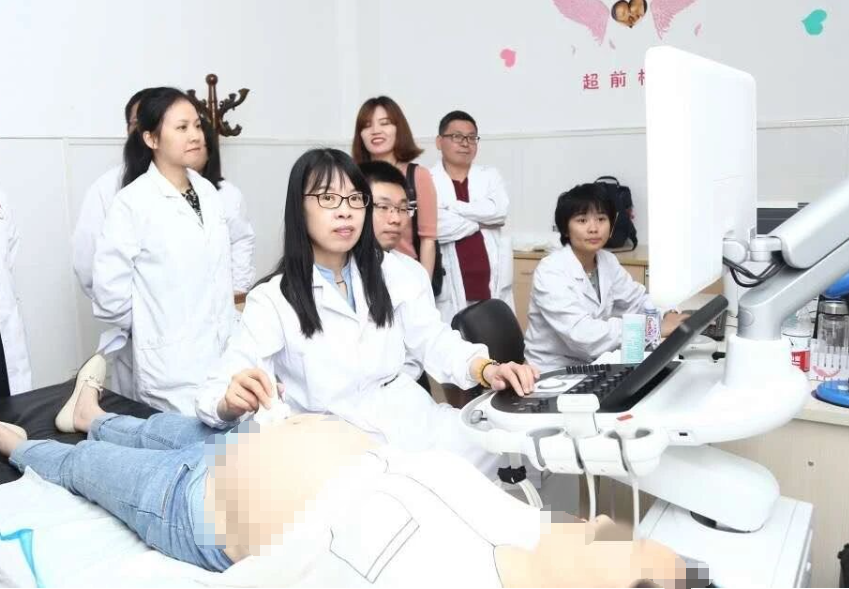
Dr. Ren Yunyun | Obstetric Ultrasound, and the Work No One Sees
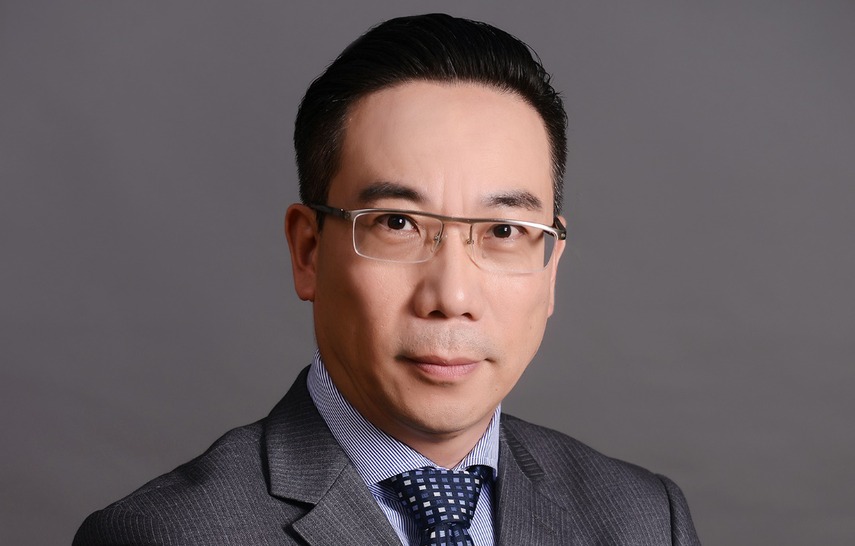
Dr. Qian Yiming | Emergency Medicine, and Neither Joy nor Fear on the Great Tide
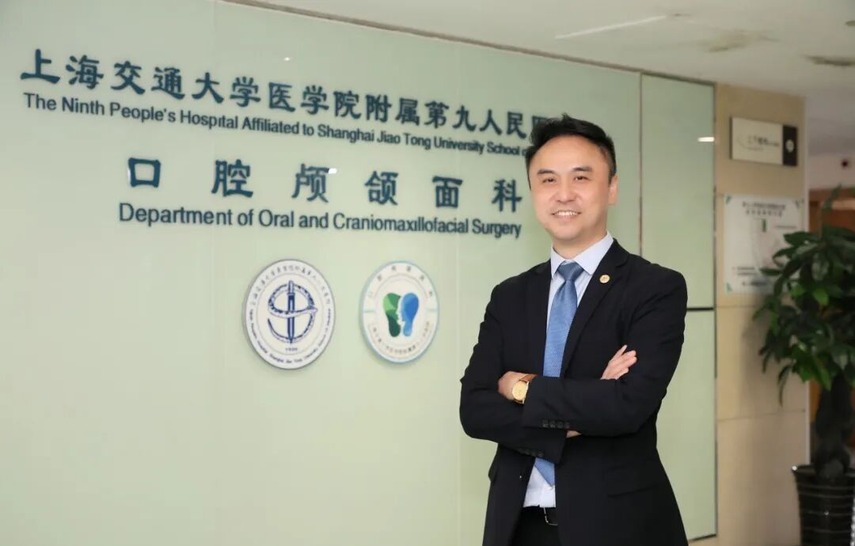
Dr. Wang Xudong | Craniomaxillofacial Surgery, and Years Written into Chapters
Copyright © 2023 Yewen Renyi & ShanghaiDoctor.cn (This website is a non - profit medical humanities platform. The information contained herein is solely for biographical and historical purposes and does not constitute any medical advice.) 沪ICP备2023005392号-2 XML 沪公网安备31010902100835号
 中文
 English
 Español
 沪公网安备31010902100835号
