ShanghaiDoctor - Where China's Healing Wisdom Shapes Modern Medicine

Update time:2026-11-21Visits:50
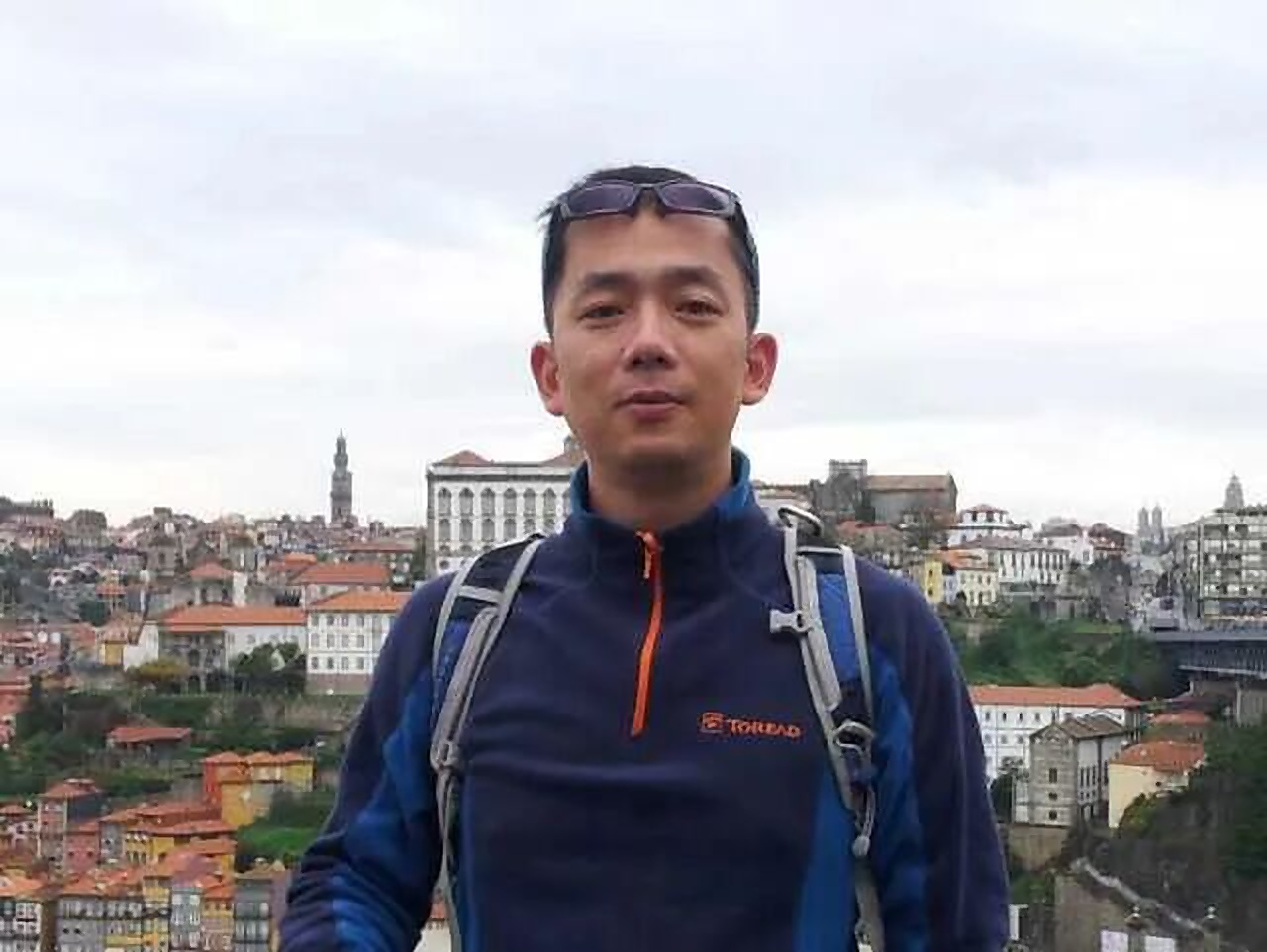
“Being able to show the value of a life while treating patients is the happiest thing. Without that, much of life’s meaning would be missing. More than twenty years into medicine, I am still proud to be a cardiologist.”
— Hang Jingyu
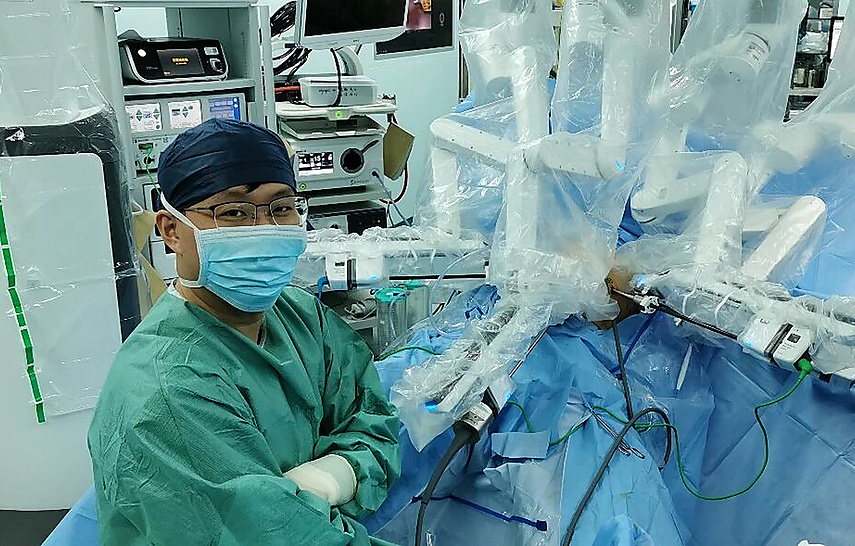
Hang Jingyu is an Attending Physician in the Department of Cardiology at Shanghai Sixth People's Hospital. His clinical work focuses on coronary artery disease, hypertension, and heart failure, with particular skill in interventional treatment of complex coronary disease. He graduated from what was then Shanghai Second Medical University and joined the cardiology team at Sixth People's Hospital in 1995, in a department shaped early by Dong Chenglang, often called the father of Chinese cardiology. Known in Shanghai medical circles for strong English and for interpreting at international cardiology meetings, he has built his practice around careful catheter-based decisions and a steady refusal of unnecessary stents.
He treats the doctor's career as lifelong learning: every case is a yes-or-no sequence of judgments, and when treatment would not help, he explains benefit and risk plainly to patients and families.
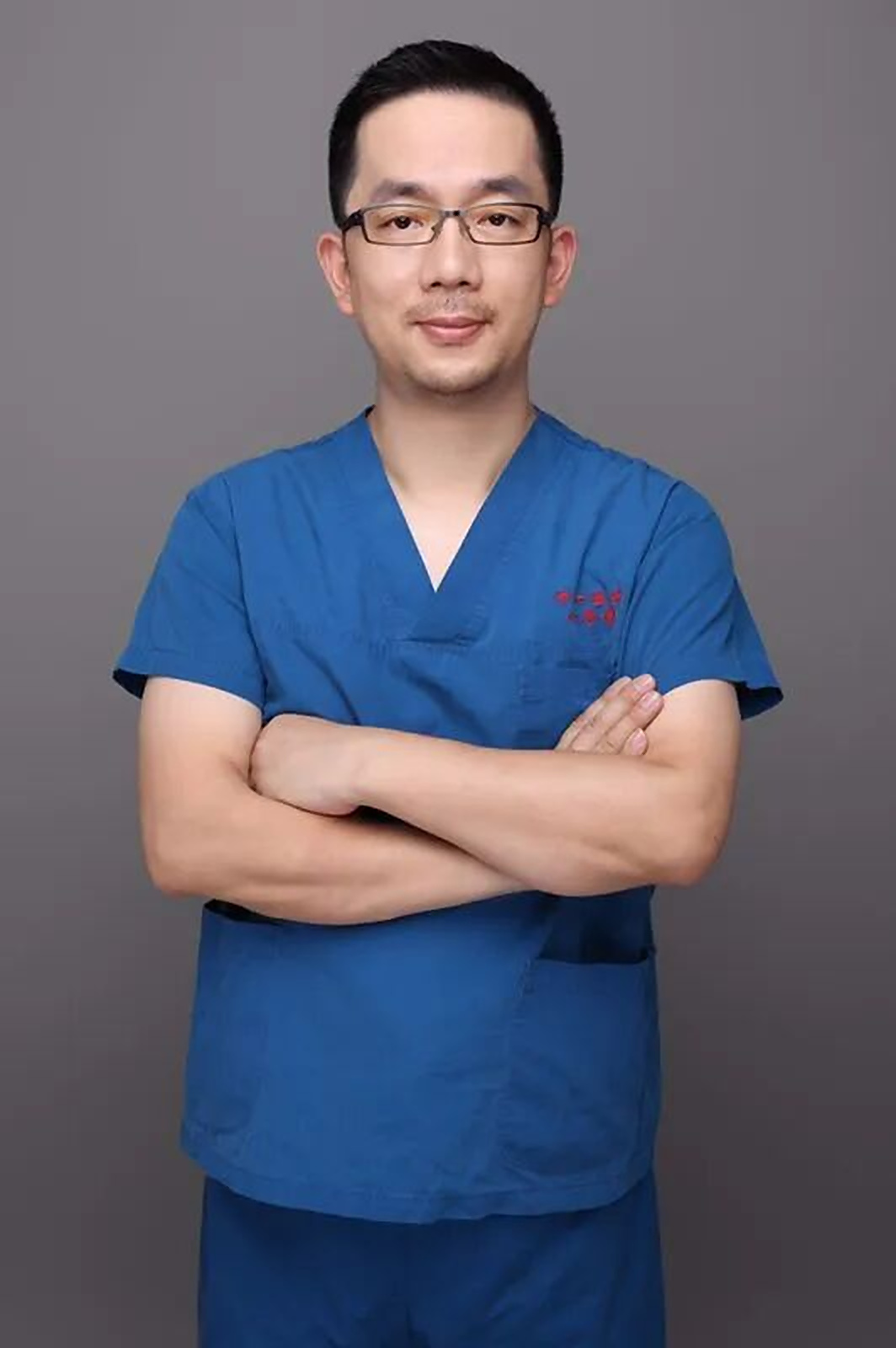
Hang Jingyu grew up aiming at architecture. At Shanghai Foreign Language School he absorbed languages and a wide view of the world, and he pictured himself at Tongji University’s architecture program. The gaokao did not go as planned. Fashionable majors at the time leaned toward finance. His father, whose own path into medicine had been blocked by the family’s political label a generation earlier, hoped his son would become a doctor. A classmate’s sister, then at the Second Military Medical University, said medical school meant hard memorizing. Hang thought that sounded manageable and put Shanghai Second Medical University on his form.
The basic clinical years felt dry. There was little of the humanities he liked, and he could not yet see how those courses would shape a career. He burned energy on the tennis court and poured hours into English: reading aloud on campus at five in the morning, then returning to English materials after homework until nearly midnight. He finished first in the university on the CET-4 exam. That foundation later brought him repeated invitations to interpret simultaneously at international cardiology meetings held in China; colleagues called him one of the surest medical interpreters in Shanghai’s cardiology circle.
Pathophysiology became the bridge. Once he could follow how disease starts, develops, and turns, interest and confidence returned, and his exam results rose. Near graduation he opened an American doctor’s book on cardiac catheters. Surgery looked clean and decisive, yet failure to turn the disease around left a bitter taste. Cardiology, he decided, was full of critical emergencies: with the right technique and judgment, a life and a quality of life could both be recovered. That sense of mission fixed his direction.
Internship quickly showed how different a doctor’s days are. On his first night shifts he was called again and again for intravenous injections. After a hard week he hoped to sleep in; instead his chief summoned him when Hu Dayi came to the hospital to perform radiofrequency ablation. The white coat, he learned, rewrites the calendar.
Five years into practice he married, with his parents covering the costs. A secondary-school classmate already high in a major international biopharma firm offered him a role with five or six times a junior doctor’s pay. Senior specialists urged him not to abandon the catheter skills he had begun to master. He wrestled with the choice for a month and stayed. “Being able to show the value of a life while treating patients is the happiest thing,” he says. “Without that, much of life’s meaning would be missing. More than twenty years into medicine, I am still proud to be a cardiologist.”
Cardiology at Shanghai Sixth People’s Hospital has deep roots. After 1949, Dong Chenglang led internal medicine there and is widely remembered as the father of Chinese cardiology: China’s first dedicated cardiovascular physician, the first Chinese honorary fellow of the American College of Cardiology, and a doctor who studied in the United States three times and returned three times. When Hang joined the department in 1995, he felt the weight and the pride of that line.
He has watched catheter therapy grow in China case by case. In every procedure he keeps asking: Why this step? Why turn the wire left rather than right? Each yes or no becomes experience. Once, a sixty-year-old patient died suddenly while a stent was being placed. Hang needed to know why as much as the family did. The patient’s brother, a lawyer, calmly sought an autopsy. For a month Hang replayed every move and found no error in the technique; the death still pressed on him. The autopsy showed the procedure was not the cause. Experts suspected contrast allergy. A year later a colleague on an outside consultation recognized a similar pattern in time and avoided another tragedy. Medical progress, Hang notes, has always been written with both success and loss.
Early mastery can feel like the cook who carves the ox without effort, and with it comes the temptation of overtreatment. Hang describes the later stage as quieter. He no longer proves himself by attempting what a beginner would not dare. When a stent would not help, he lays out benefit and risk for the patient and the family and declines to place it. That calm, he says, is the real advance.
In 2006 he spent a year refining catheter skills in Melbourne, including heavy case volume and demanding weekend call at a major center there; the year raised both his hands and his judgment under pressure.
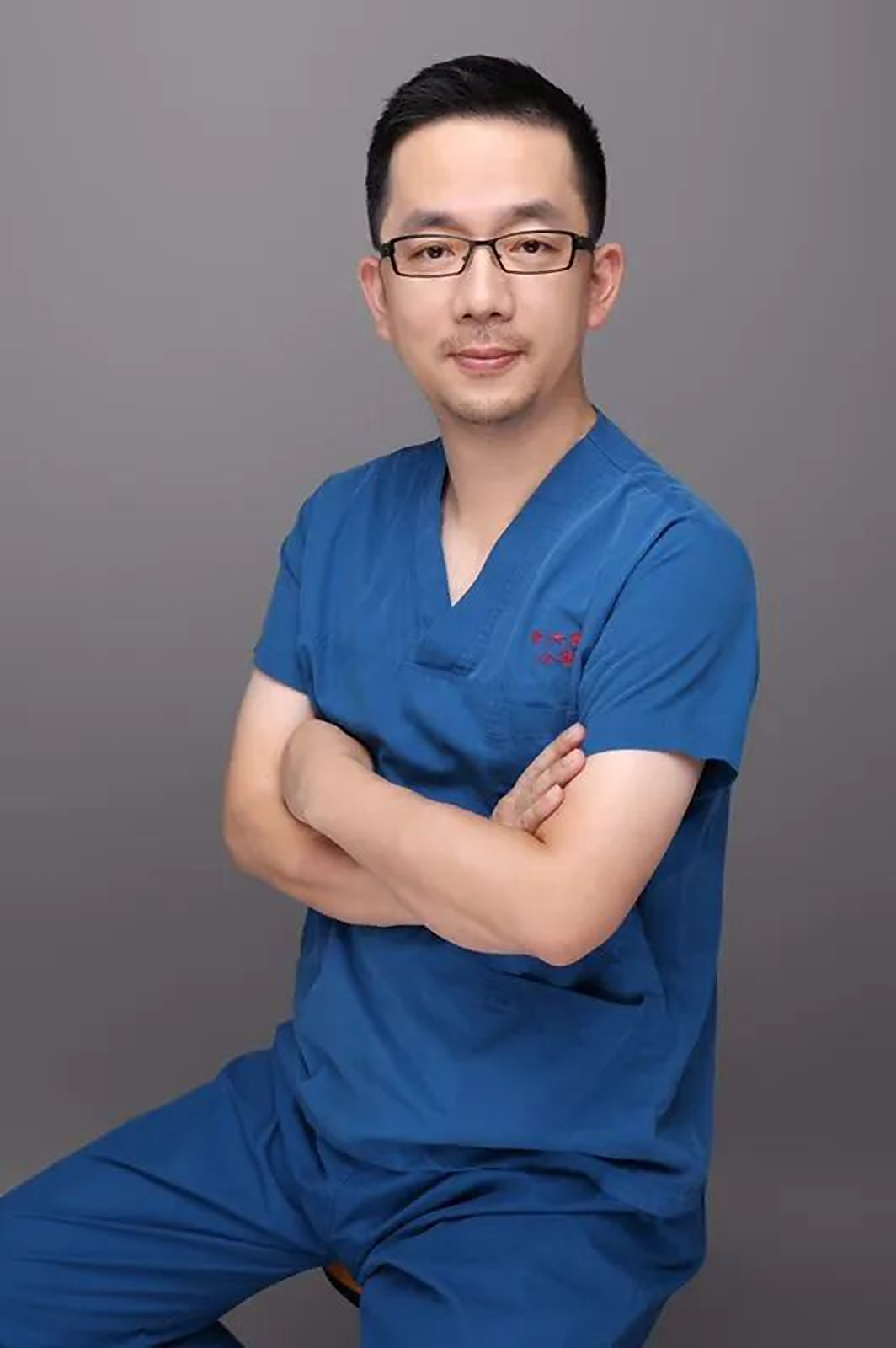
With hospital hours so full, his only son grew up with unusual freedom. At seven or eight the boy found a loose doorknob, took it apart, and put it back together. He later won Shanghai first prizes in mathematics and physics, without private elementary school, international school, or after-class tutoring. Whether to take the recommended-student path or sit the high-school entrance exam alone was his own call. Hang follows the boy’s interests and lets him face his own yes-or-no choices.
Twenty years in medicine have left Hang with guilt for the hours he could not spend at home. He has not left the white coat. Pulling a patient back from the edge, he says, is the deepest reward of the work, and that steadfastness is the example he hopes his son will keep.
ShanghaiDoctor.cn: You almost left medicine for a much higher salary. What kept you?
Hang Jingyu: “Love of cardiology. Saving a patient is where I feel my life has weight. Without that, something essential would be gone.”
ShanghaiDoctor.cn: How do you decide whether to place a stent?
Hang Jingyu: “I ask myself at every step why we are doing this. When the benefit is unclear, I tell the patient and the family the risks as plainly as the gains. Not placing a stent can be the right treatment.”
ShanghaiDoctor.cn: What stayed with you from the sudden death during a stent procedure?
Hang Jingyu: “I replayed every move for a month. The autopsy cleared the technique and pointed toward contrast allergy. A year later a colleague recognized the same pattern in time. We learn from both the cases we win and the ones we lose.”
ShanghaiDoctor.cn: How do you balance hospital life and raising a child?
Hang Jingyu: “I have too little time at home and I feel that. I still will not give up the white coat. The best thing I can give my son is the example of staying with work that saves lives.”
From a boy who nearly chose architecture, through night calls and a month of hard temptation, Hang Jingyu has kept choosing the catheter lab and the hard yes-or-no of each case. For readers seeking specialists and pathways in Shanghai, directories such as Find Chinese Doctors and DialysisChina can help map care before a visit.
Editor: Chen Qing
If you need any help from Dr. Hang, be free to let us know at Chenqing@ShanghaiDoctor.cn.
Adapted from the Yewen Renyi (晔问仁医) interview “杭靖宇 | 爱,在心上.”
Dr. Zheng Minhua | Minimally Invasive Surgery, and Long Live Life
Dr. Shen Baiyong | Pancreatic Surgery, and Riding the Wind Through the Hardest Cases
Dr. Fan Li | Chest Imaging, and the Scout Who Reads the Lungs
Dr. Zhong Yunshi | Endoscopic Surgery, and a Small Sharp Knife for Hard Cases
Dr. Jiang Jingjing | Endocrinology, and the Detective Work of Medicine
Dr. Zhang Guolong | Disease Prevention and Control, and Quiet Strength
Dr. Zhu Zhengfei | Radiation Oncology, and Perhaps We Need to Learn from Tumor Cells
Dr. Zhao Yiming | Liver Surgery, and No Overnight Success, Only Perseverance
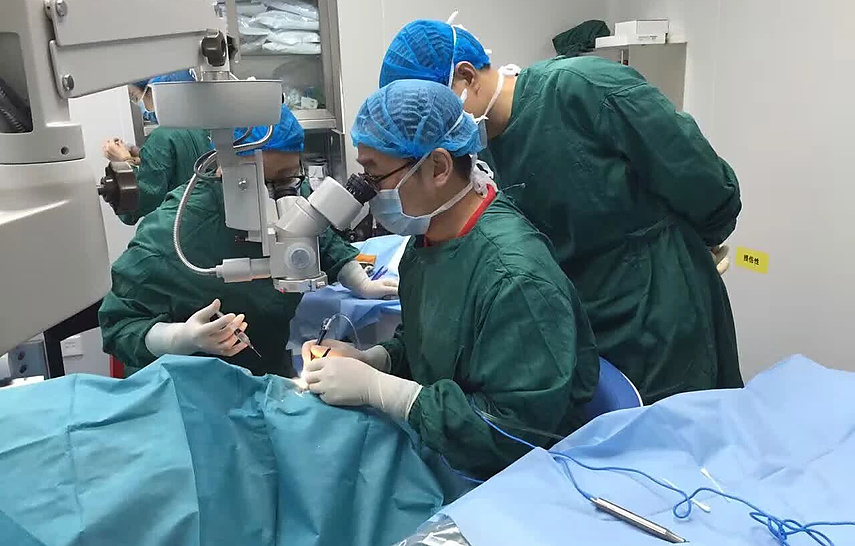
Dr. Chen Xu | Ophthalmology, and Sand in History’s River
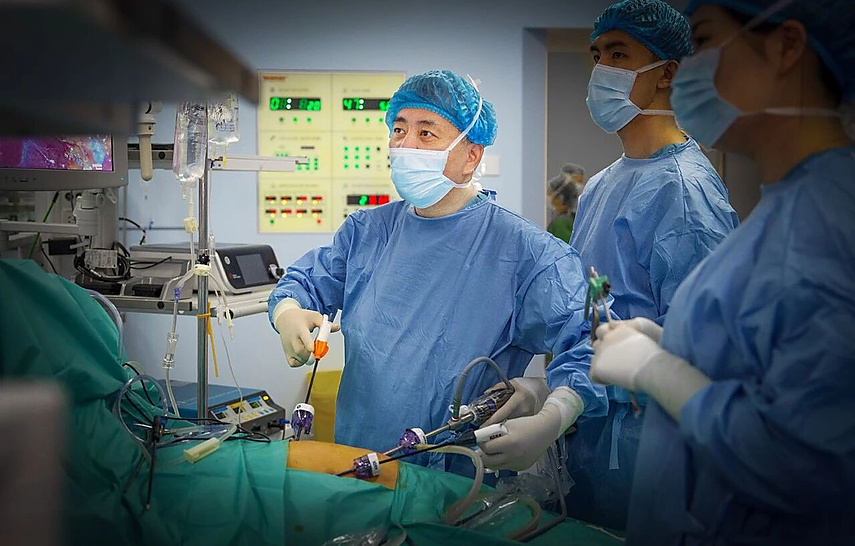
Dr. Zheng Minhua | Minimally Invasive Surgery, and Long Live Life
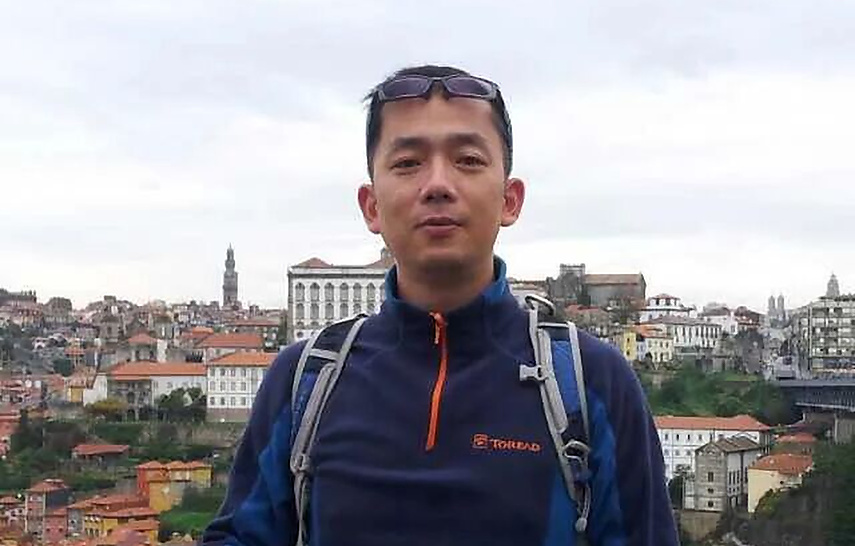
Dr. Hang Jingyu | Cardiology, and Love Written on the Heart
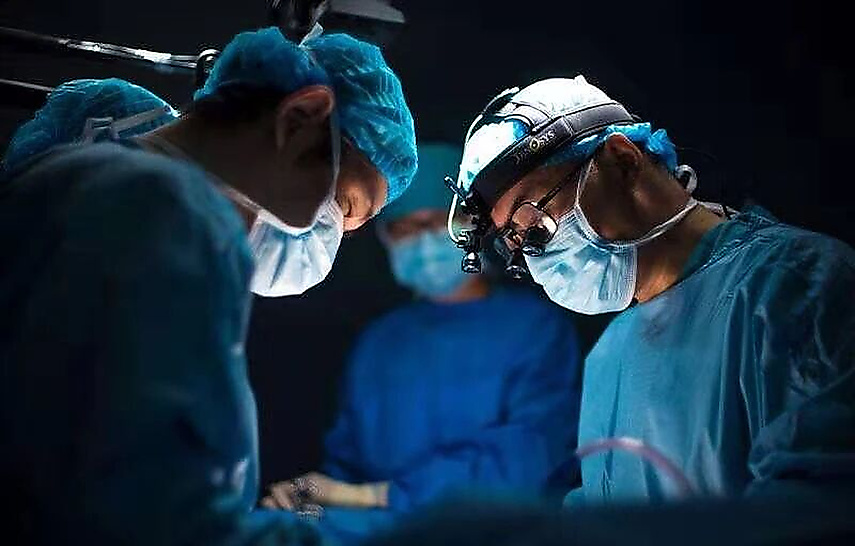
Dr. Shen Baiyong | Pancreatic Surgery, and Riding the Wind Through the Hardest Cases
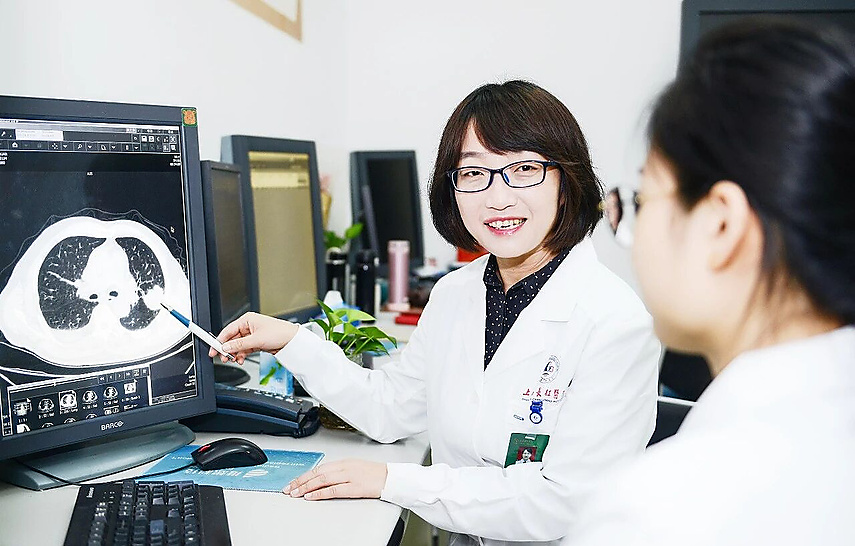
Dr. Fan Li | Chest Imaging, and the Scout Who Reads the Lungs
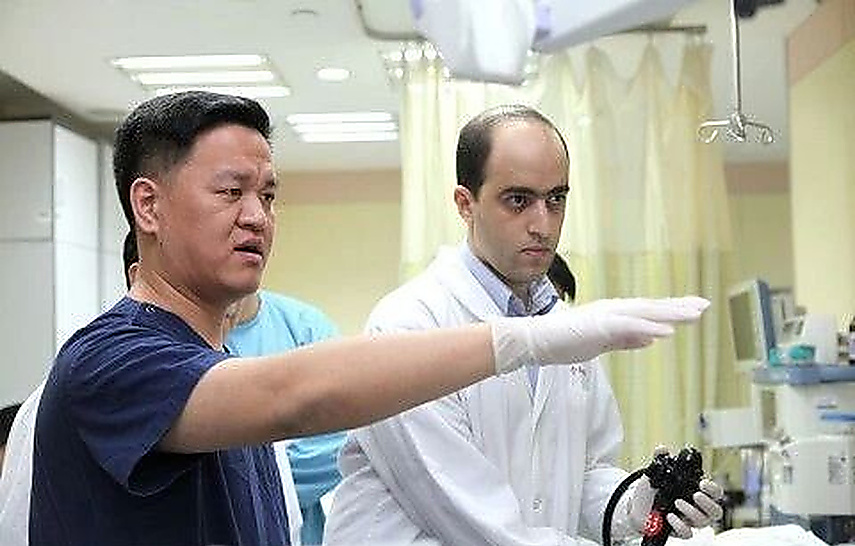
Dr. Zhong Yunshi | Endoscopic Surgery, and a Small Sharp Knife for Hard Cases
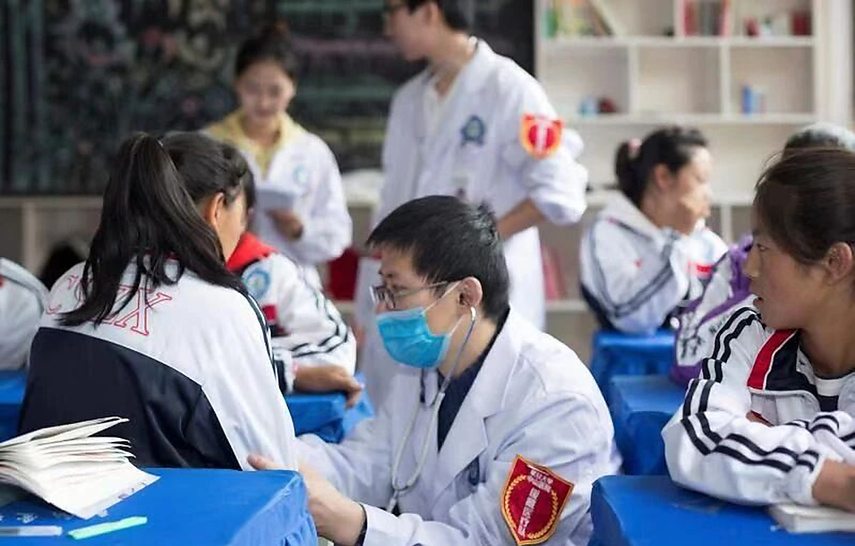
Dr. Jiang Jingjing | Endocrinology, and the Detective Work of Medicine
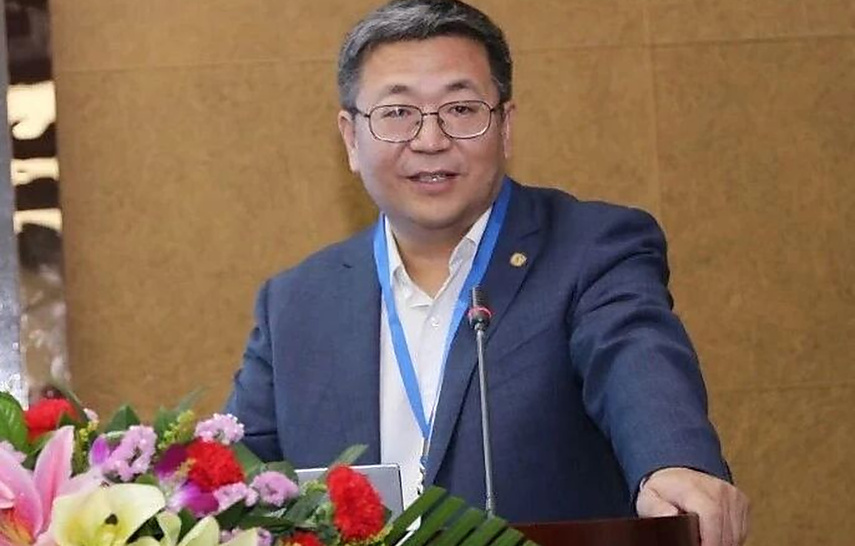
Dr. Zhang Guolong | Disease Prevention and Control, and Quiet Strength
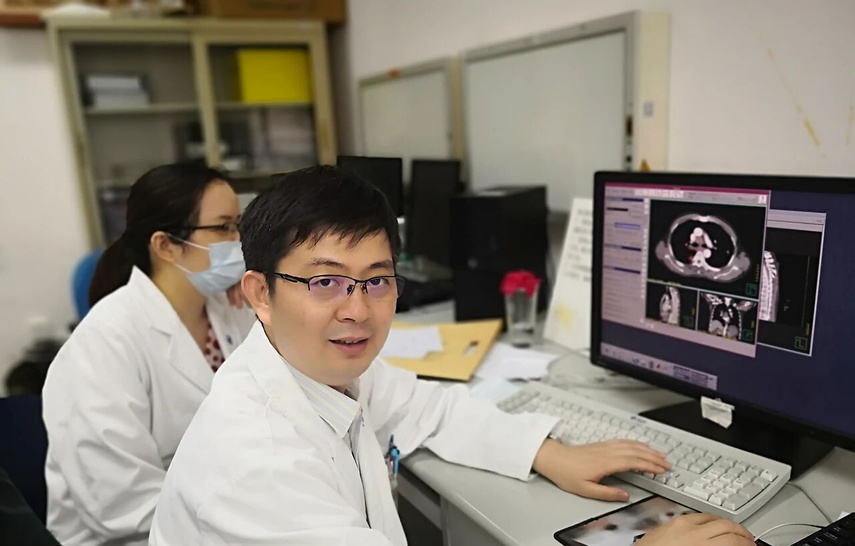
Dr. Zhu Zhengfei | Radiation Oncology, and Perhaps We Need to Learn from Tumor Cells
Dr. Zhao Yiming | Liver Surgery, and No Overnight Success, Only Perseverance
Copyright © 2023 Yewen Renyi & ShanghaiDoctor.cn (This website is a non - profit medical humanities platform. The information contained herein is solely for biographical and historical purposes and does not constitute any medical advice.) 沪ICP备2023005392号-2 XML 沪公网安备31010902100835号
 中文
 English
 Español
 沪公网安备31010902100835号
