ShanghaiDoctor - Where China's Healing Wisdom Shapes Modern Medicine

Update time:2026-08-13Visits:2683
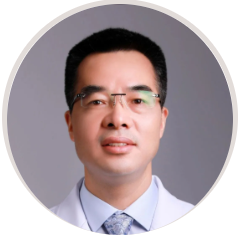
Vice President Obstetrics and Gynecology Hospital of Fudan University Chief Physician, Department of General Gynecology Doctoral Supervisor
“I admire the power of not contending over days and hours, but of accumulating deeply and emerging powerfully.”
— Zhu Xiaoyong
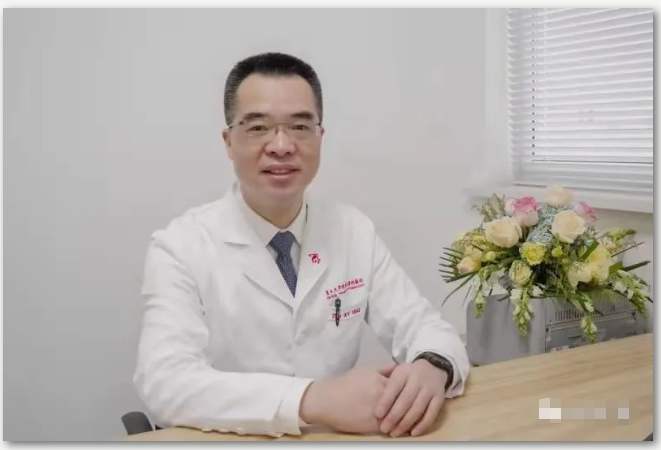
Zhu Xiaoyong is Vice President of the Obstetrics and Gynecology Hospital of Fudan University (commonly known as the Red House Hospital), Chief Physician of the Department of General Gynecology, and a doctoral supervisor. His clinical expertise covers reproductive endocrine disorders—including recurrent spontaneous abortion, infertility, polycystic ovary syndrome (PCOS), endometriosis, and menstrual disorders—as well as minimally invasive surgical treatment of benign and malignant gynecological tumors such as uterine fibroids, adenomyosis, ovarian cysts, and cervical cancer.
Trained under the renowned reproductive immunologist Professor Li Dajin, Zhu has combined rigorous basic research with clinical practice throughout his career. He has secured multiple grants from the National Natural Science Foundation of China, received the Third Prize of the Shanghai Silver Snake Award, and was named one of Fudan University’s Top Ten Medical Youths. In recent years he has also taken on substantial administrative responsibilities, applying the same scientific rigor to hospital logistics and strategic development.
His personal philosophy is captured in the classical ideal of “deep accumulation and steady release”—a preference for step-by-step growth over shortcuts, and for returning repeatedly to zero so that each new cycle can begin with renewed clarity.
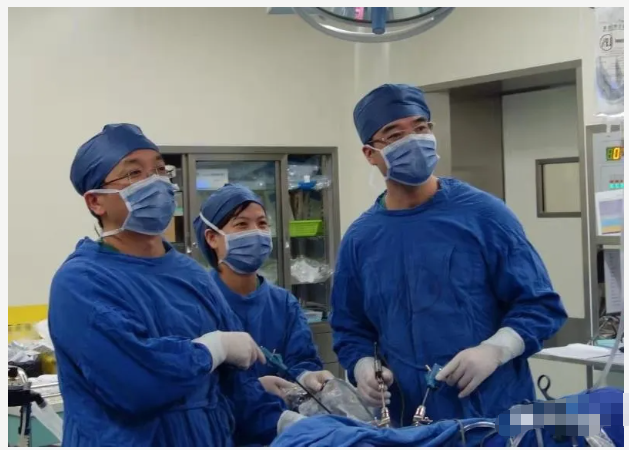
Zhu Xiaoyong was born in Nantong, Jiangsu. In elementary school his family rented a spare room to a “mysterious” tenant—a professor of physiology at Nantong Medical College. The room was filled with thick stacks of books and walls covered in densely written notes. The professor told the astonished child that medical physiology was as vast as the ocean, endless to learn, and required constant consolidation and daily updating. From that moment the idea of studying medicine took root.
A few years later, at Nantong No. 1 Middle School, a classmate collapsed during physical-education class and could not be saved despite the rapid arrival of an ambulance. The experience intensified Zhu’s desire to become a doctor capable of bringing someone back from the brink. When a military academy offered early admission to the PLA Institute of Foreign Languages, he did not waver: Shanghai Medical University remained his clear goal.
In the year of the college-entrance examination he underperformed. Fate redirected him to the newly established Department of Obstetrics and Gynecology at Yangzhou Medical College—far from his ideal. As a male student entering obstetrics and gynecology in the 1980s, he faced social skepticism. His father, after reading the admission notice, did not speak to him for nearly a month, the silence mixed with embarrassment and worry. Zhu comforted himself that at least he would become a doctor and might later transfer to a surgical specialty.
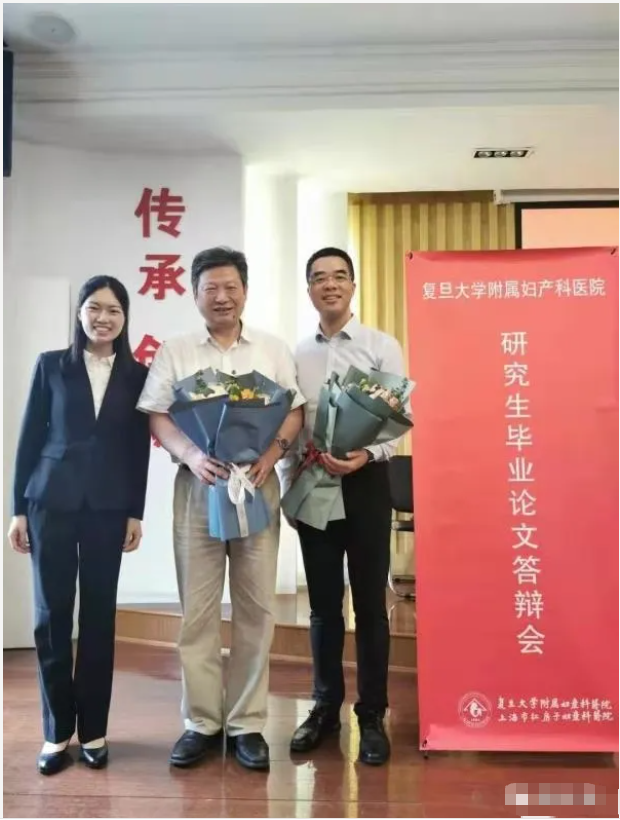
After enrollment his performance in public courses remained strong, but he slackened in the specialized obstetrics-and-gynecology curriculum. The resistant thought—“How can a real man work in obstetrics and gynecology?”—lingered until his internship at Wuxi Fourth People’s Hospital transformed his view.
He suddenly realized that the specialty was far broader, deeper, and more challenging than he had imagined. Obstetrics and gynecology differ significantly from each other; excellence demands a gentle heart, steady composure, agile thinking, decisive judgment, and superb technical skill. The sealed door swung open. He began to sprint, washing away earlier negligence with concentrated effort.
That change of attitude ignited a thirst for deeper knowledge and the resolve to pursue a master’s degree at the Affiliated Obstetrics and Gynecology Hospital of Shanghai Medical University—the Red House Hospital. In his mind it was the temple of the specialty. Every classic work he had read bore its imprint. He worked three years as a resident physician at Nantong Obstetrics and Gynecology Hospital while preparing for the entrance examination, refusing to neglect either clinical skills or exam knowledge.
In 1997 Zhu was admitted as a graduate student at Shanghai Medical University under Professor Li Dajin, a leading reproductive immunologist and prolific medical scientist. Professor Li’s rigorous scholarly attitude and relentless scientific spirit shaped every student. A workaholic with broad vision, he would rise in the middle of the night when inspiration struck, throw on his clothes, and ride his moped straight to the research institute.
Zhu’s research focused on recurrent miscarriage. His three years of prior clinical practice gave him a deeper grasp of the specialty than classmates who had entered research directly from undergraduate studies. Animal models were the primary tool; he spent almost every day in the company of mice. The role had shifted: as a clinician he had controlled the schedule; as a researcher he became the executor of the experiment, required to perform the next step at whatever hour the protocol demanded.
He was extraordinarily diligent. Literature searches required riding a bicycle from institution to institution; he often skipped lunch to save time. After one intensive review a gastric ulcer flared and classmates rushed him to the emergency room. From cell culture and inoculation of nude mice to antibody purification and intervention in animal models, he completed in just over a year a National Natural Science Foundation project that was supposed to take three. He managed it by sleeping on the laboratory floor when experiments ran so late that no buses remained. Professor Li, moved by the dedication, eventually told him to take the mentor’s own quilt.
Professor Li’s broader vision left a lasting mark: a clinician saves one patient at a time; research that deciphers the mechanism of a disease such as recurrent miscarriage can help a far larger group. Those with ability should shoulder greater responsibility for human society—that, too, is the value of science. Under this influence Zhu’s research ability and way of thinking matured. An article in Immunology Today that examined melanoma through the lens of vitiligo became an “epiphany,” teaching him multi-perspective analysis, reverse thinking, and the continual sharpening of ideas.
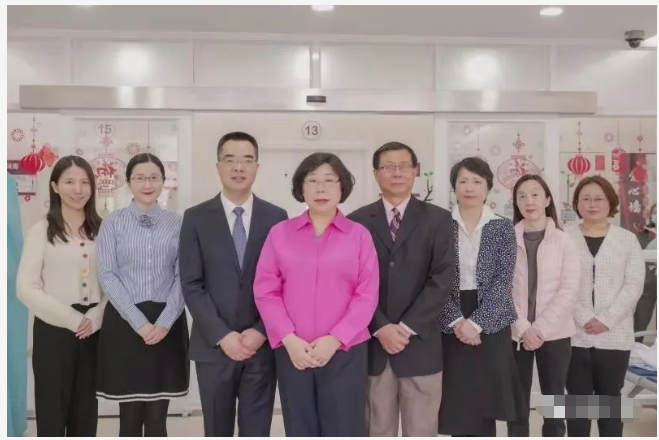
After the master’s degree Professor Li hoped Zhu would remain at the research institute. Zhu’s dream, however, was to return to clinical practice. There had been no precedent for a research-track master’s graduate staying on as a clinician at the hospital; he was fortunate to receive careful guidance from Professors Hu Weiguo, Hua Keqin, and Liu Xishi, who helped him sharpen clinical skills unbound by convention.
In the second year of the master’s program Professor Li suggested he apply for the combined master’s-doctoral track—an accelerated path that would have brought an earlier doctorate and faster promotion. Zhu politely declined. He preferred step-by-step growth and cherished every stage of education. “I hoped to become a clinical doctor after finishing my master’s degree. Science advances, knowledge updates. When I feel the need to recharge, I will set aside clinical practice and pursue a doctorate, then return. Doing both at the same time, in my view, is impossible to accomplish well.” He attributed the preference to his mother’s teaching: be down-to-earth and grow steadily. He has always admired the power of deep accumulation and steady release.
Returning to clinical work meant starting again as a resident. Many classmates of the same age were already attending physicians; the sense of loss quickly turned into urgency. He once worked six night shifts in nine days because nights offered more opportunities to handle obstetric emergencies independently. While roommates watched videos or played games, he read issues of Nature, Science, and The Journal of Immunology. Innovative ideas accumulated and proposals for the National Natural Science Foundation began to take shape.
Hard work brought results. Immediately after doctoral enrollment Zhu secured his first National Natural Science Foundation grant—one of only three physicians in the hospital to receive funding that year. He was thirty. Yet the road was not smooth. In the doctoral entrance physical examination he was diagnosed with acute hepatitis B; he had pushed himself too hard. He took a one-year leave, rested three months in his hometown of Nantong, and gained a deeper understanding of life and limits. That same year he was admitted to the doctoral program, received the grant, and married the person he loved.
In 2003 he returned to doctoral studies under Professor Li Dajin and completed the earlier Foundation project. By the time he obtained his doctorate and returned to clinical practice in 2006, he had finished the research. “I have to return to zero again and start anew,” he told himself. The following year he received National Natural Science Foundation funding once more, along with the Third Prize of the Shanghai Silver Snake Award and recognition as one of Fudan University’s Top Ten Medical Youths.
The pattern of returning to zero has remained a constant. Whether in research, clinical work, or later administrative roles, he treats each new responsibility as a fresh beginning that demands the same disciplined accumulation.
In recent years Zhu has taken on substantial administrative duties, including logistics management and the vice presidency. He applies the same scientific rigor to these roles. He insists that management must go beyond simple supervision (“guan”) and place equal emphasis on analysis and sorting out root causes (“li”). Datafication of hospital operations—elevators, energy consumption, parking patterns—provides the foundation for refined, intelligent management.
When Shanghai tightened restrictions on non-local license plates, he immediately began studying the likely impact on out-of-town patients’ travel behavior and hospital parking, turning a practical problem into a potential management-oriented research project. Whatever position he occupies, he draws the best from it and synthesizes lessons across domains.
He views administrative work as a new exploration that demands greater responsibility and capability. Clinical work remains his original self and initial dream; administration requires weighing priorities moment by moment and continual learning. Small accumulations, he believes, lead to significant achievements and help one find a more confident version of oneself.

ShanghaiDoctor.cn: How do you think administrative and clinical work should relate to each other? Have you adapted to your role in administrative management?
Zhu Xiaoyong: Clinical work is like returning to my original self—it was my initial dream. Administrative work, by contrast, demands greater responsibility and capability, requiring me to spare no effort in advancing the work under my charge. Between the two, one must inevitably weigh which matters more at any given moment. Although I had never done logistics management before, the principles of management are actually universal—only the disciplinary scope differs. I believe I still need to strengthen my learning in order to better fulfil my management duties. I cherish every learning opportunity, for small accumulations lead to significant achievements, and they will help you find a more confident version of yourself.
In fact, I enjoy exploring new things, and administrative work is a kind of new exploration. I always educate my daughter in this way too—stimulating her curiosity and nurturing her creativity.
ShanghaiDoctor.cn: Ensuring the smooth start of construction on the science and education comprehensive building will place considerable pressure on us.
Zhu Xiaoyong: I am willing to invest even more of my personal time and energy to keep the project on schedule. After all, it is crucial to the hospital’s long-term, high-quality development. Our academician team has arrived, and the hospital is now planning the National Obstetrics and Gynecology Medical Center. Once established, the building will need to accommodate all the spatial requirements for our teaching and research at once. This is vital to sustaining the hospital’s momentum for future growth. I have the collective support and effort of the entire hospital behind me, and I will devote myself wholeheartedly to this cause.
From a childhood inspiration in a rented room filled with medical books, through an unexpected entry into obstetrics and gynecology, intense years of research under a demanding mentor, repeated returns to clinical work, and the responsibilities of hospital leadership, Zhu Xiaoyong has practiced a single discipline: accumulate deeply, release steadily, and when necessary return to zero so that a new cycle can begin. Life, he observes, is like a clock: when midnight comes it must start from zero. Only then can new brilliance appear.
Editor: Chen Qing
If you need any help from Dr. Zhu, please be free to contact us at Chenqing@ShanghaiDoctor.cn.
Dr. Yuan Gongjie | Children's Smiles, and the Orthodontist Who Still Tells Stories
Dr. Wang Chaoyang | Vitrectomy, and Flowers Once Hidden in the Eye
Dr. Zhao Jinhua | Nuclear Medicine, and the Flowers Along the Road
Dr. Shi Yuling | Psoriasis, and Spring Mountains Beyond the Plain
Dr.Ying Chunmei | Laboratory Medicine, Renewed a Little Every Day
Dr. Zhang Lei | Children's Airways, and a Preference for Being Plain
Dr. Chen Tongyu | Chest Surgery Without a Tube, and No Claim to Greatness
Dr. Hua Xiaolin | High-Risk Obstetrics, and a Child Worth Keeping
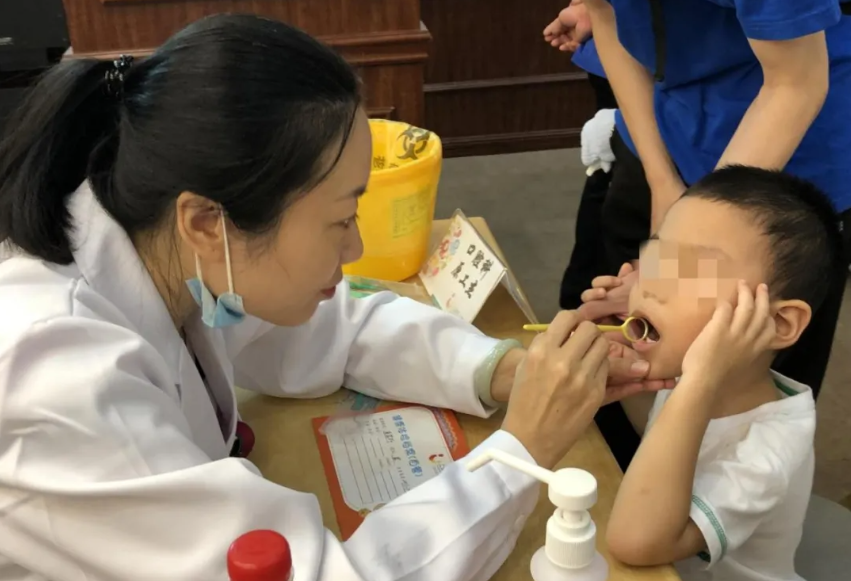
Dr. Yuan Gongjie | Children's Smiles, and the Orthodontist Who Still Tells Stories
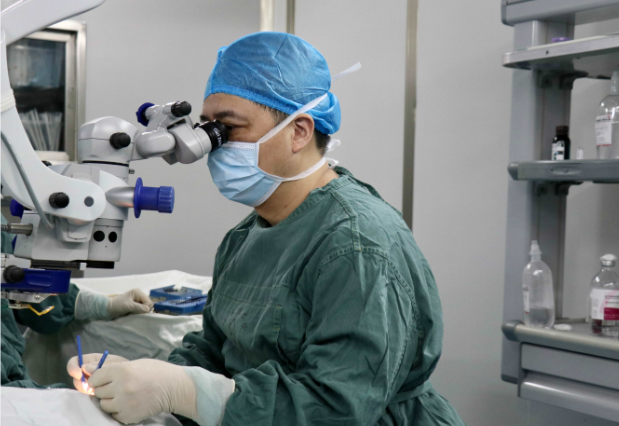
Dr. Wang Chaoyang | Vitrectomy, and Flowers Once Hidden in the Eye
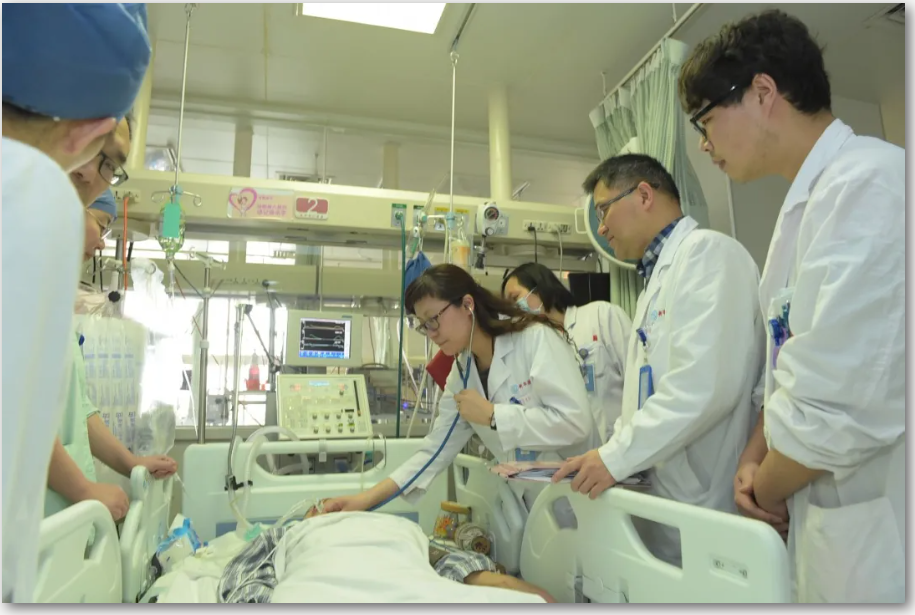
Dr. Fei Aihua | Emergency Medicine, and Striving to Win
Dr. Zhao Jinhua | Nuclear Medicine, and the Flowers Along the Road
Dr. Shi Yuling | Psoriasis, and Spring Mountains Beyond the Plain
Dr.Ying Chunmei | Laboratory Medicine, Renewed a Little Every Day
Dr. Zhang Lei | Children's Airways, and a Preference for Being Plain
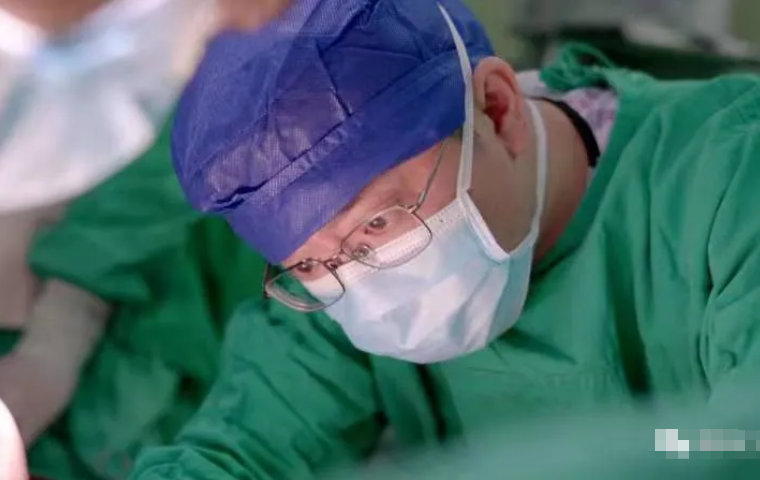
Dr. Chen Tongyu | Chest Surgery Without a Tube, and No Claim to Greatness
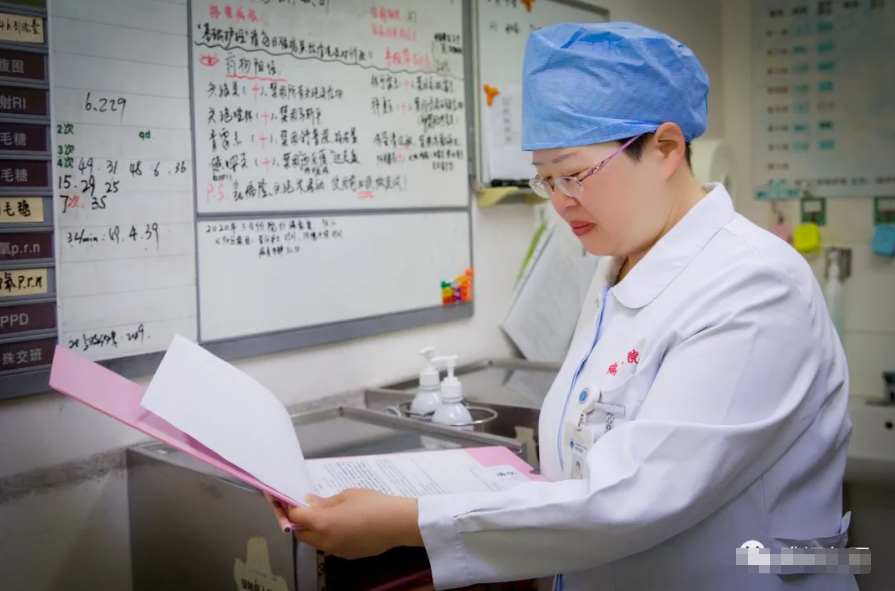
Cui Jie | An Infectious-Disease Nurse Who Kept Walking In
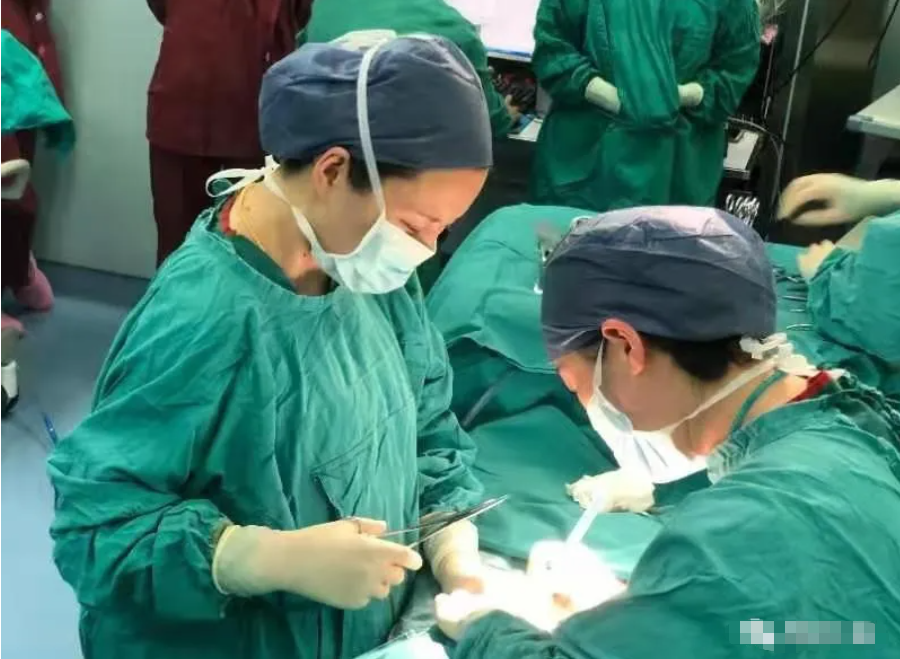
Dr. Hua Xiaolin | High-Risk Obstetrics, and a Child Worth Keeping
Copyright © 2023 Yewen Renyi & ShanghaiDoctor.cn (This website is a non - profit medical humanities platform. The information contained herein is solely for biographical and historical purposes and does not constitute any medical advice.) 沪ICP备2023005392号-2 XML 沪公网安备31010902100835号
 中文
中文 English
 Español
 沪公网安备31010902100835号