ShanghaiDoctor - Where China's Healing Wisdom Shapes Modern Medicine

Update time:2026-08-13Visits:2776
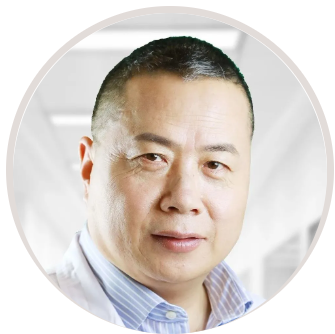
Director, Department of Critical Care Medicine Ruijin Hospital, Shanghai Jiao Tong University School of Medicine Former Director, Department of Critical Care Medicine, Ruijin Hospital North
“A patient sent to the ICU is like a boat riddled with holes and on the verge of sinking. If we can plug the leaks, bail out the water, and mend the sails, this ship of life can still ride the wind and waves. In fact, we are all aboard this ship of destiny.”
— Chen Dechang
Chen Dechang is Director of the Department of Critical Care Medicine at Ruijin Hospital, Shanghai Jiao Tong University School of Medicine. A graduate of the Second Military Medical University who later transitioned to civilian practice, he has spent more than three decades at the forefront of intensive care, first helping to establish the specialty at Changzheng Hospital and later building and leading the critical-care programs at Ruijin Hospital and its northern campus.
His clinical work centers on the comprehensive support of critically ill patients—life support, organ-function support, and the continuous effort to reverse multi-organ failure. He has obtained National Natural Science Foundation of China grants and Science and Technology Progress Awards for research that began with a clinical observation: the use of rhubarb to restore gastrointestinal function in patients with severe intra-abdominal hypertension and systemic instability.
Colleagues and patients know him as a physician who refuses to abandon hope while a patient still has a breath left. He regards the intensive-care unit as the last firewall for the critically ill and the ICU doctor as the last gatekeeper.
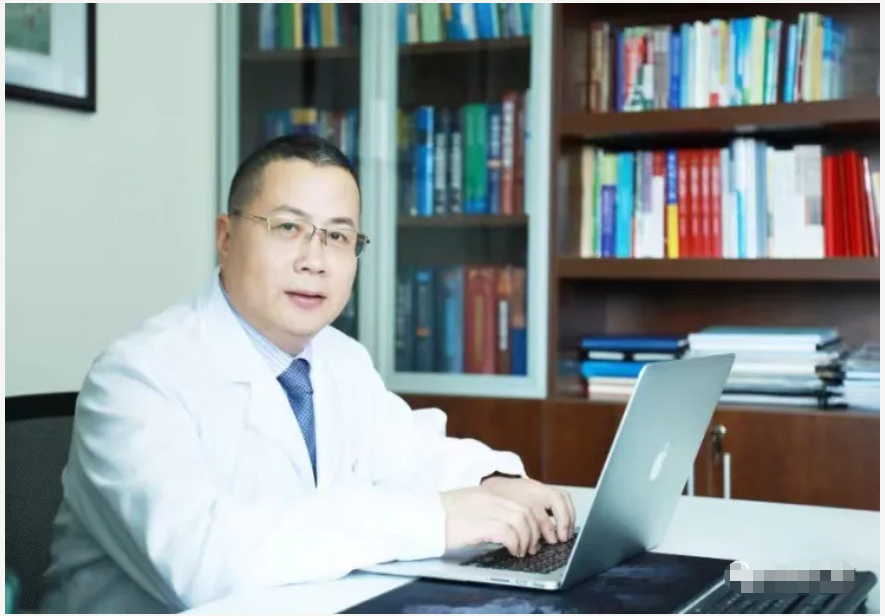
During his university years at the Second Military Medical University, Chen devoted himself entirely to study and daily physical training. He was the most diligent student in his class—always the first to arrive for evening self-study and the last to leave—and graduated with the highest score in his year’s final examinations.
After graduation he joined Changzheng Hospital. When the time came to choose a specialty he passed over surgery, the dream of many of his male peers. “During my internship I always felt my hands were not steady enough,” he recalls, “so I finally chose cardiology, sensing it was developing quickly.” After more than a year in the department he was struck by its rapid progress and formidable academic strength; the cardiology professors were leading figures, and younger talent was rising fast.
Just as he was mapping out his career, an older cardiology professor—his mentor—invited him to help establish a new discipline devoted to the care of critically ill patients. At the time the field was still marginal, packed with new techniques and new concepts, and the challenge was considerable. Chen accepted gladly. The department was still in preparation; apart from the director and deputy director there was almost no one else. The director sent him to Peking Union Medical College Hospital (PUMCH) for a year of intensive training.
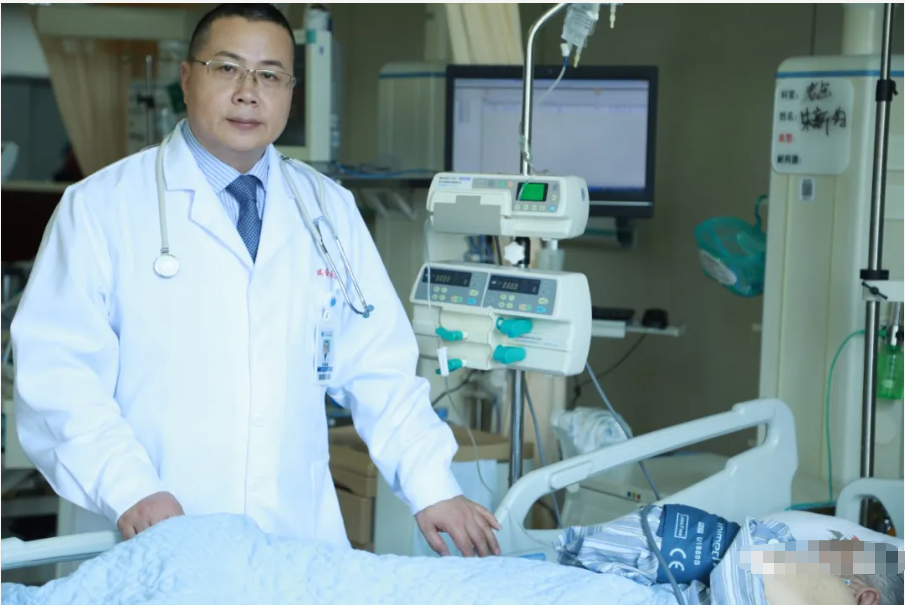
The ICU at PUMCH had already been operating for five or six years and possessed strong faculty and clinical infrastructure. Trainees from more than a dozen regions competed for every clinical task around only six or seven beds. “Everyone crowded around to grab patients and manage them,” Chen recalls. “We even did the nurses’ work—suctioning sputum, measuring blood pressure, taking temperatures.” The relentless pace and mental stress eventually led to gastric bleeding and a period of hospitalization at 301 Hospital.
It was there that he met his mentor—the then director of the ICU—who happened to share his exact name: Chen Dechang. The senior Chen Dechang had earlier been sent from Ruijin Hospital to Beijing on an important assignment. When reviewing a training form he paused at the entry “Chen Dechang,” assuming someone had carelessly written his own name, and only then learned there was a second physician with the same name. With a broad stroke of his pen he kept the younger Chen on the list. Decades later the younger Chen would himself return to Ruijin Hospital. “Fate is truly unfathomable,” he observes.
When the year of study ended he returned to Shanghai, and the ICU at Changzheng Hospital was officially established.
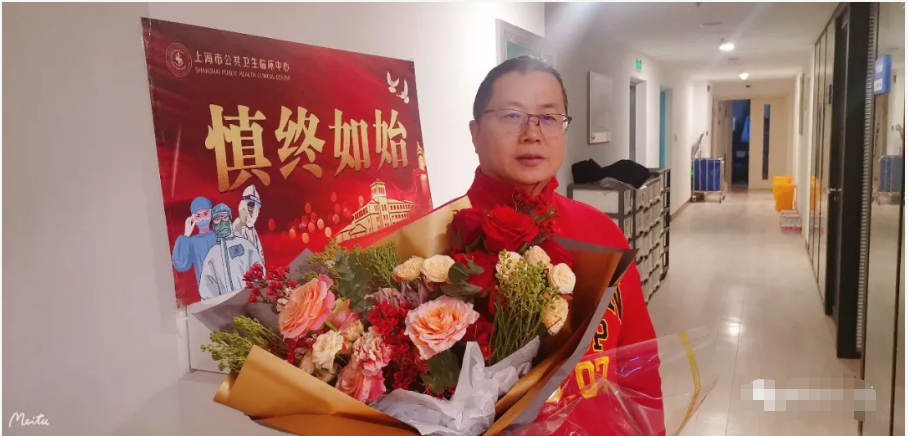
As a young clinical physician Chen placed equal emphasis on daily management of critically ill patients and on the cultivation of clinical thinking. Life-support systems—ventilators, blood purification—were only then entering clinical practice; learning how to maximize their benefit while minimizing the harm they themselves could cause was a central task.
After six or seven years of clinical work, in 1992, he obtained his first National Natural Science Foundation of China grant. The project grew from a single case: a patient with suppurative cholangitis transferred from general surgery after prolonged intraoperative shock, with liver and kidney dysfunction, hemodynamic instability, absent intestinal peristalsis, and severe abdominal distension. Chen reasoned that reducing intra-abdominal pressure was essential, because elevated pressure transmitted to the thorax, impaired venous return, and disrupted respiratory mechanics. He turned to a classical Chinese formula, took its principal herb—rhubarb—ground it into powder, and administered it. Ten grams produced defecation; fifteen grams produced rapid evacuation. The abdomen flattened, circulation stabilized, the patient was weaned from the ventilator, and urine output recovered.
The observation prompted a larger question: did rhubarb act only on the intestine, or did it exert systemic effects? From that clinical inspiration he developed a research program on the therapeutic effect of rhubarb on gastrointestinal functional failure in critically ill patients. Subsequent graduate training, further NSFC projects, and two Science and Technology Progress Awards all grew from the same root—finding research questions at the bedside.
More than a decade ago, during a snowy Spring Festival, a young man in Xiaoshan, Hangzhou, crashed into a guardrail; the railing passed through his pelvis, urethra, and intestines and exited from his buttocks. He went into hemorrhagic shock in the ambulance. Local experts could not stop the bleeding. The family drove to Shanghai through the snow. A classmate on duty called Chen, who was already on the elevated expressway heading home for dinner.
Chen immediately coordinated by phone, insisting that platelets be raised above 50,000 and fibrinogen maintained at 1 g/L. He judged that recombinant coagulation factor VII was required—an expensive preparation costing more than 7,000 yuan per vial, three or four vials in total. The family did not have the cash on hand. Without consulting his own family, Chen paid for the medicine himself, drove through the snowy night carrying four vials, and entered the ICU. Seeing blood pressure falling and blood dripping, he administered all four vials at once. The bleeding stopped and the blood pressure rose. The patient survived, was later transferred to Changzheng for reconstructive surgery, recovered, and eventually married a nurse from the ICU. The money was repaid. “No matter where I go,” Chen says, “I choose to believe in the goodness of human nature.”
On another occasion a woman from Zhejiang had been crushed in a car accident only one kilometer from home on the 23rd day of the twelfth lunar month. Nearly half her body was damaged; her aorta had ruptured, her pelvis was shattered, her chest had collapsed. No specialist was willing to travel for consultation at the year’s end. Her husband pleaded with Chen: “If my wife dies, our family will fall apart. You wouldn’t just be saving one person—you’d be saving our whole family.” Chen agreed. He transferred her under continuous protection, her blood pressure swinging wildly, and brought her through. The family later formed a lasting friendship with him; both children now have jobs. “If I hadn’t gone that time,” he reflects, “I think the consequences would have been completely different.”
In 2016, after more than three decades in the military medical system, Chen left active service and came to Ruijin Hospital as Director of the Department of Critical Care Medicine, also directing the ICU at the northern campus. He was reluctant to leave the uniform, yet recognized that Ruijin offered a broader platform and a better opportunity to use his strengths.
He found the Ruijin ICU had distinctive features—many critically ill patients with pancreatic disease, and complex cases referred from other departments. At the northern campus the unit was still weak: only three regular doctors, few patients, and a tendency to transfer out the most critical cases. Chen insisted on seeing every such patient himself before any transfer decision. Under his leadership the ICU stopped transferring critically ill patients out; it kept them and cured them.
His first priority was talent. He recruited capable experts; the unit grew to 14 doctors and 22 beds, with further expansion planned, and the workload approached that of the main hospital.
A qualified ICU physician, he believes, must possess both breadth—solid foundations in internal medicine and surgery—and depth: the ability to ask why infection occurs, why organ dysfunction develops, what the present crux is, and how it can be reversed. Facing challenges head-on is the specialty’s most distinctive trait. “We must dare to accept and treat all kinds of critical patients, and do our utmost to reverse their conditions. As long as the patient has a breath left, there is hope.”

ShanghaiDoctor.cn: At the Second Military Medical University you had two roles—one as a soldier, the other as a medical student. Could you adapt to both?
Chen Dechang: During that period, as Chairman-elect of the Critical Care Medicine Branch of the Chinese Medical Association, I recognised that the support teams urgently needed critical-care medical resources. On 14 February I published a signed article in the Chinese Journal of Critical Care Medicine (Electronic Edition), titled “Critical Care Medicine: Elite Forces in Action, Bring Down the Case Fatality Rate!” In it I called on critical-care medical staff across the country to join the effort. The 19,000 critical-care medical personnel who supported Wuhan represented 12 percent of the national critical-care workforce. By concentrating high-quality medical resources in this way, we were able to advance the clinical treatment of critically ill patients on the front lines.
ShanghaiDoctor.cn: When you face patients directly, have you ever been afraid? What was your state of mind?
Chen Dechang: Honestly, I didn’t think much about it. I come from a military background—I’ve walked through difficult situations. With a strong sense of duty, what can disease do to me? When a patient needed intubation, I rushed in first. At that moment I wasn’t wearing a positive-pressure hood, and the patient’s droplets sprayed across my face shield. I couldn’t afford to care about any of that then, because death was hovering right above us. It was only after the day’s work was done and I was lying in my hotel room that I felt a flicker of fear in hindsight. But the next morning I charged to the front again. Duty is duty—we proceed without hesitation.
ShanghaiDoctor.cn: What has been the happiest thing these years?
Chen Dechang: The happiest thing is none other than the progress of the discipline and my own growth in tandem. My office wall is covered with silk banners of gratitude from patients. Let me share one. There was a thirteen- or fourteen-year-old child who had been run over by a truck, suffering a fractured pelvis and ruptured intestines. After surgery at the North Branch he was sent to the ICU. We initially thought he wouldn’t survive. Our team worked together, fighting continuously for over a month. Though his condition fluctuated, the child was finally saved. Now he is full of energy—just the other day he sent us videos of himself dancing at home. I feel deeply gratified.
ShanghaiDoctor.cn: You’re so busy with work—do you still have any time for yourself?
Chen Dechang: Very little, actually. Last year many things were delayed, and there are also many matters in the department. Teaching and research, research metrics, economic targets, academic goals—all of these need to be accomplished, so I have no time to take care of myself (laughs).
ShanghaiDoctor.cn: As an ICU doctor, you must have a distinctive perspective on life. How do you view life?
Chen Dechang: Life hangs on a single thought. When I was working in Wuhan I saw that if a doctor let go—or if the patient gave up—death would come immediately. So our understanding of life is to never give up. We also tell patients not to give up, because there is always hope.
ShanghaiDoctor.cn: Doctors should all be optimists?
Chen Dechang: I think I am one. As long as there is a little confidence and trust placed in the doctor, the patient still has a chance of being saved. A patient sent to the ICU is like a boat, riddled with holes and on the verge of sinking into the sea. But if we can plug the leaks, bail out the water, and mend the sails, this ship of life can still ride the wind and waves and continue its voyage. In fact, we are all aboard this ship of destiny.
From the decision to leave a promising cardiology path for an untested new specialty, through a year of intense training under a namesake mentor, research that began with a single bedside observation, dramatic rescues paid for out of pocket, and the later building of critical-care capacity at one of Shanghai’s leading hospitals, Chen Dechang has held to a single creed: even if there is only a sliver of hope, try to save the patient. The intensive-care unit remains the last firewall; the ICU doctor remains the last gatekeeper. And all of us, he reminds us, are traveling together on the same ship of destiny.
Editor: Chen Qing
If you need any help from Dr. Chen, please be free to contact us at Chenqing@ShanghaiDoctor.cn.
Dr. Yuan Gongjie | Children's Smiles, and the Orthodontist Who Still Tells Stories
Dr. Wang Chaoyang | Vitrectomy, and Flowers Once Hidden in the Eye
Dr. Zhao Jinhua | Nuclear Medicine, and the Flowers Along the Road
Dr. Shi Yuling | Psoriasis, and Spring Mountains Beyond the Plain
Dr.Ying Chunmei | Laboratory Medicine, Renewed a Little Every Day
Dr. Zhang Lei | Children's Airways, and a Preference for Being Plain
Dr. Chen Tongyu | Chest Surgery Without a Tube, and No Claim to Greatness
Dr. Hua Xiaolin | High-Risk Obstetrics, and a Child Worth Keeping
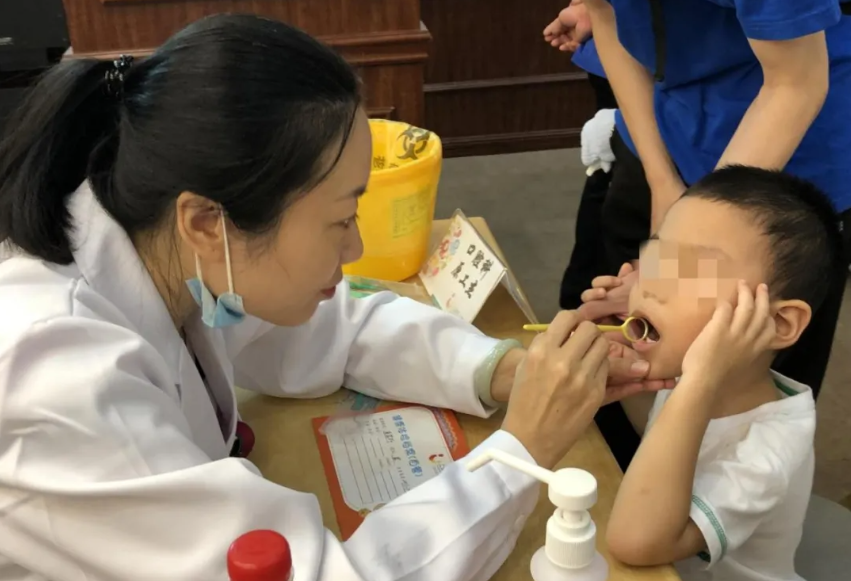
Dr. Yuan Gongjie | Children's Smiles, and the Orthodontist Who Still Tells Stories
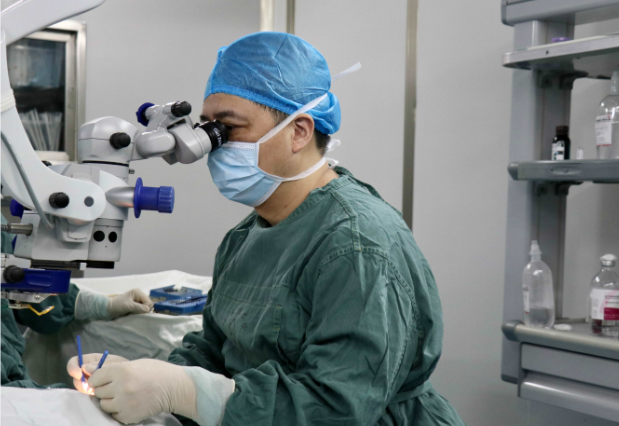
Dr. Wang Chaoyang | Vitrectomy, and Flowers Once Hidden in the Eye
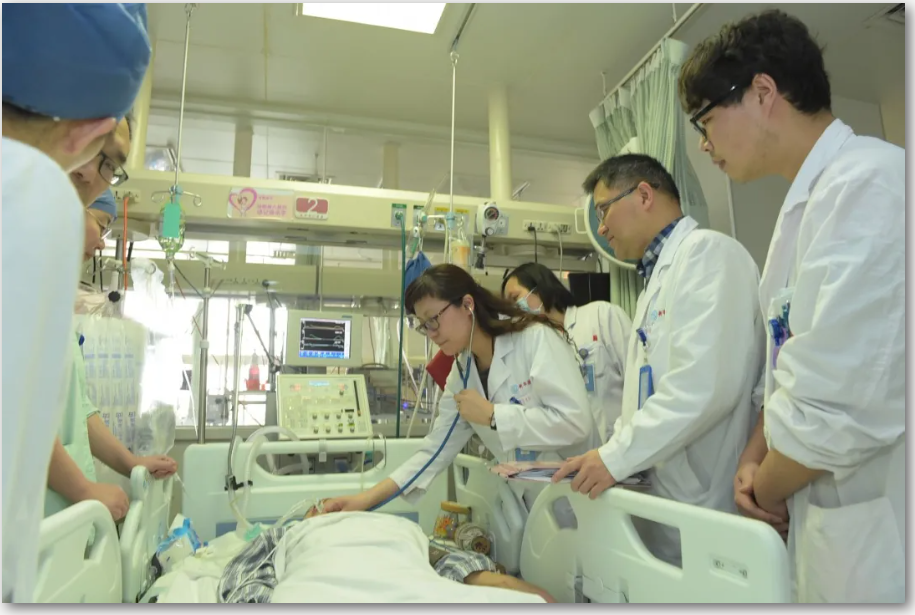
Dr. Fei Aihua | Emergency Medicine, and Striving to Win
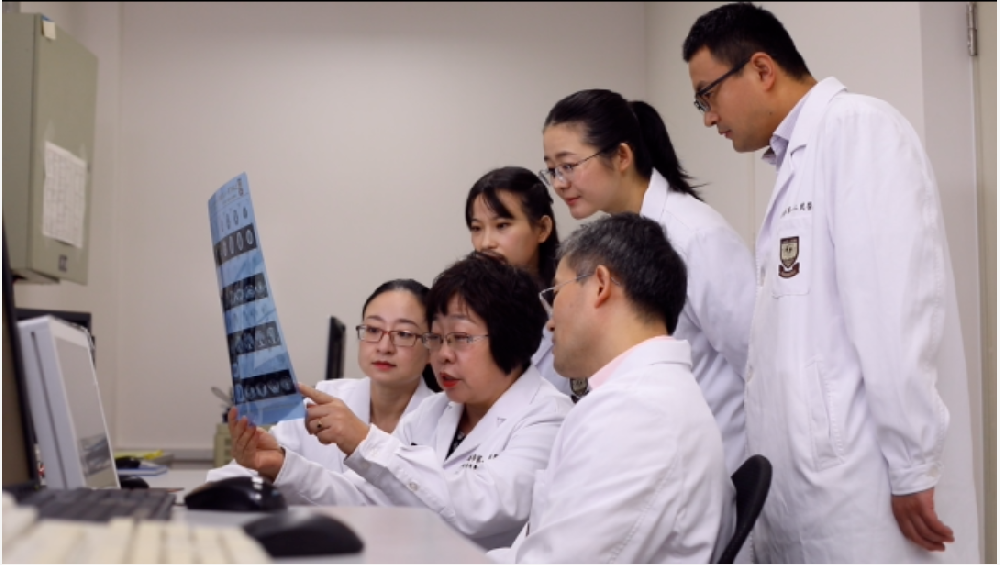
Dr. Zhao Jinhua | Nuclear Medicine, and the Flowers Along the Road
Dr. Shi Yuling | Psoriasis, and Spring Mountains Beyond the Plain
Dr.Ying Chunmei | Laboratory Medicine, Renewed a Little Every Day
Dr. Zhang Lei | Children's Airways, and a Preference for Being Plain
Dr. Chen Tongyu | Chest Surgery Without a Tube, and No Claim to Greatness
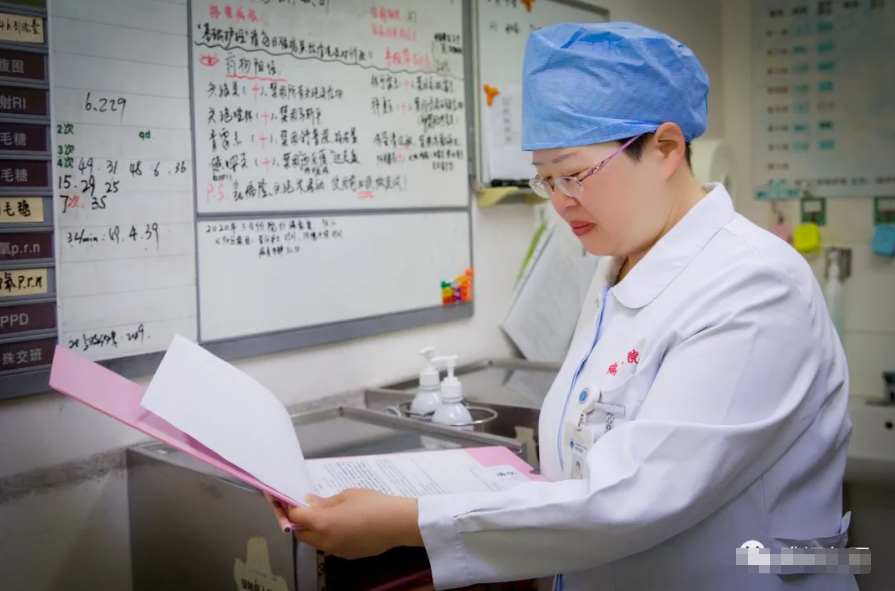
Cui Jie | An Infectious-Disease Nurse Who Kept Walking In
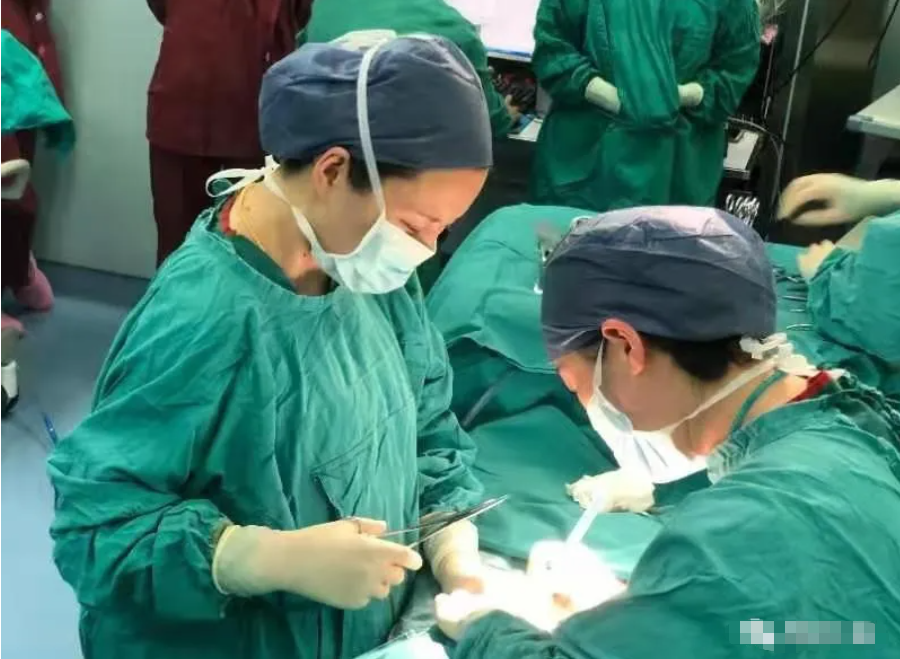
Dr. Hua Xiaolin | High-Risk Obstetrics, and a Child Worth Keeping
Copyright © 2023 Yewen Renyi & ShanghaiDoctor.cn (This website is a non - profit medical humanities platform. The information contained herein is solely for biographical and historical purposes and does not constitute any medical advice.) 沪ICP备2023005392号-2 XML 沪公网安备31010902100835号
 中文
中文 English
 Español
 沪公网安备31010902100835号